Northeast
🏔️ New Hampshire
📍 White Mountains · United States
📍 White Mountains · United States
🏛 Mount Washington Summit
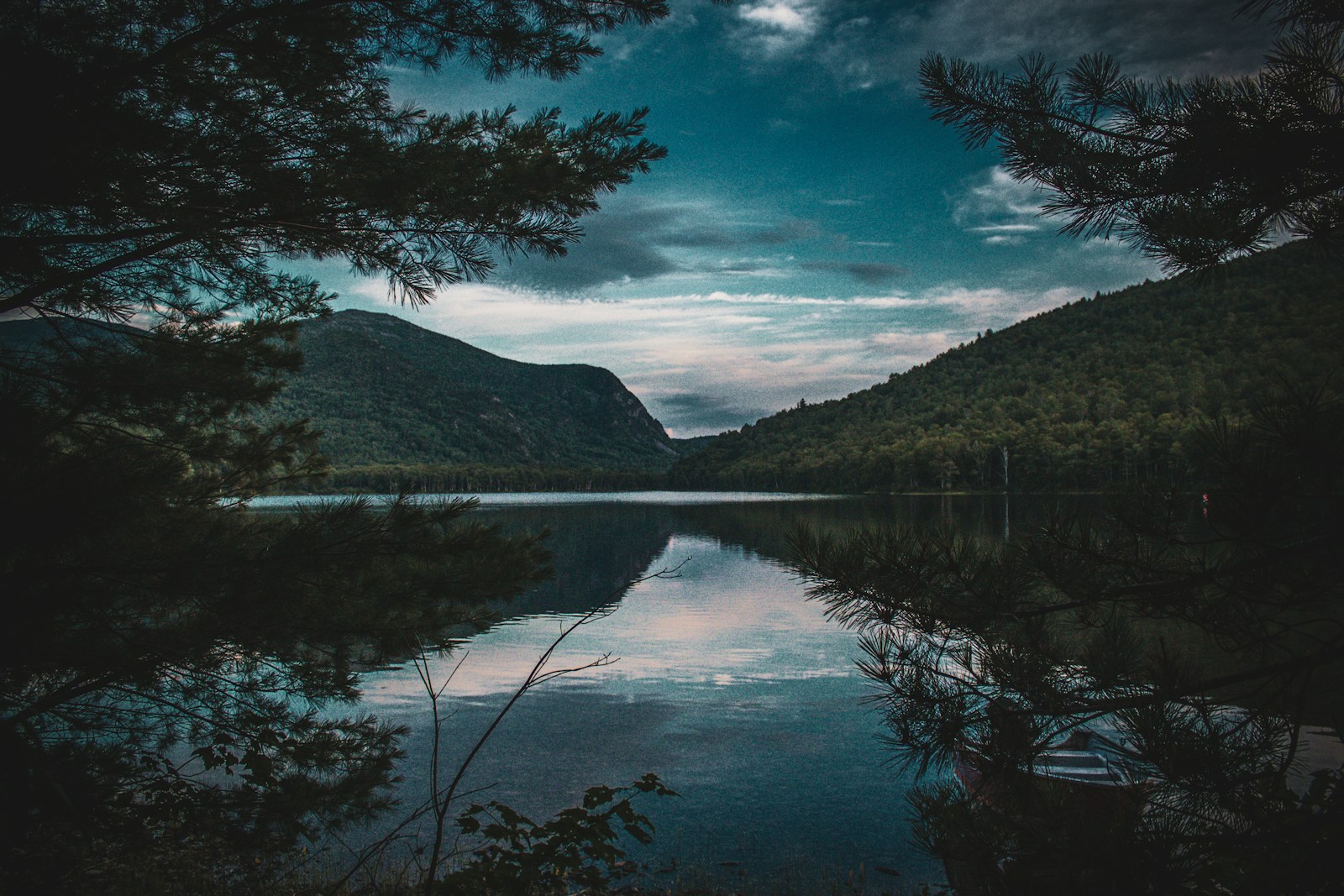
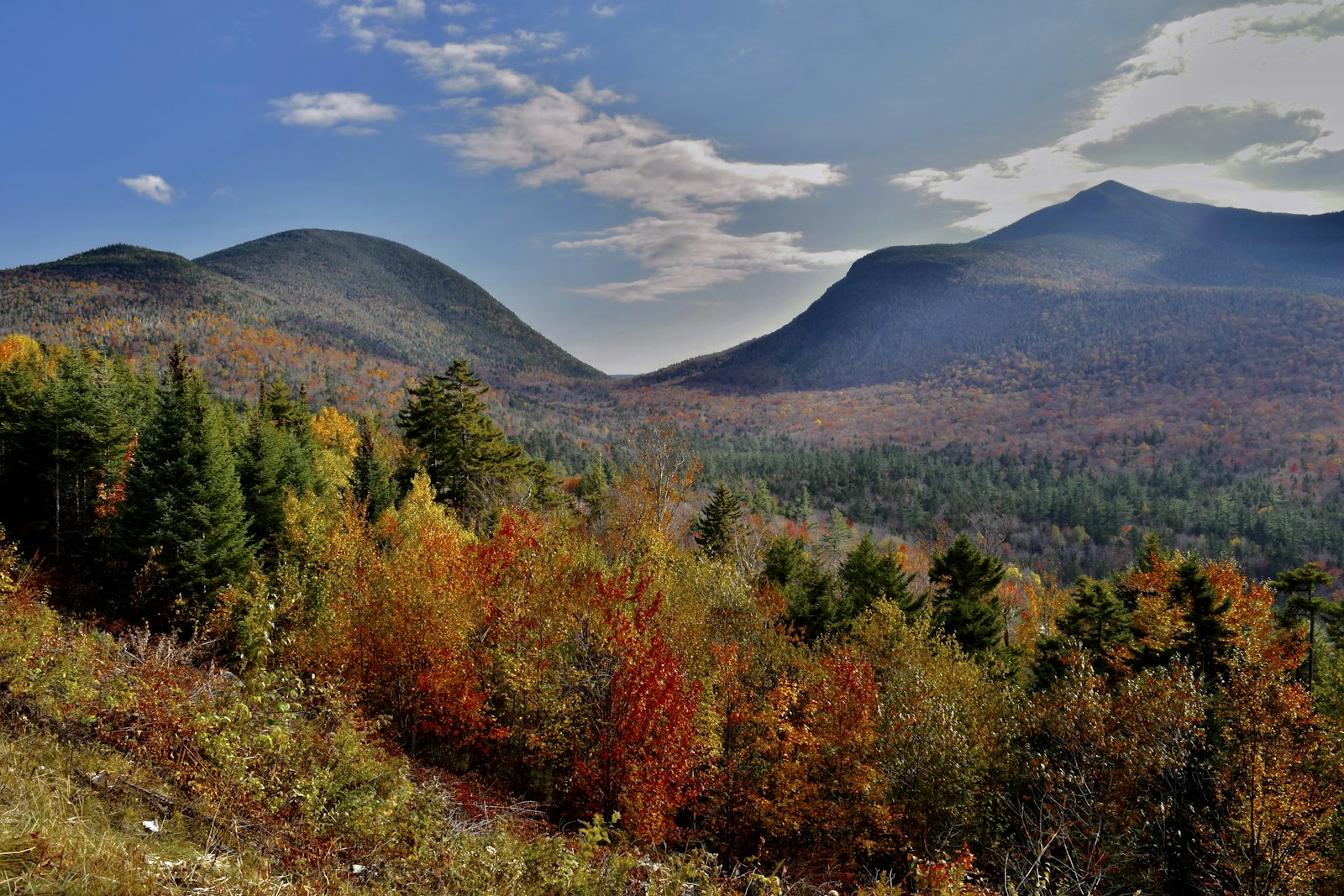
New Hampshire is the Northeast's mountain playground — a compact state of 9,349 square miles that packs in exceptional alpine scenery, New England's finest skiing, dramatic gorges, and a coastline of only 18 miles (the shortest of any US coastal state) into a landscape that rewards exploration in every season. The White Mountains, dominating the northern third of the state, form the highest peaks in the northeastern United States and host some of the continent's most challenging and rewarding hiking.
Mount Washington (6,288 feet) is the Northeast's highest peak and famously the site of some of the world's most extreme weather — a wind speed of 231 mph was recorded at the summit in 1934, a world record that stood for 76 years. Three routes reach the summit: the Appalachian Trail's Crawford Path (the oldest continuously maintained hiking trail in America, opened in 1819), the historic Cog Railway (a steam-operated rack railway climbing since 1869), and the Mount Washington Auto Road (a private road open to cars and guided vans). Conditions above treeline can deteriorate to dangerous levels in any season — always check the summit forecast before ascending on foot.
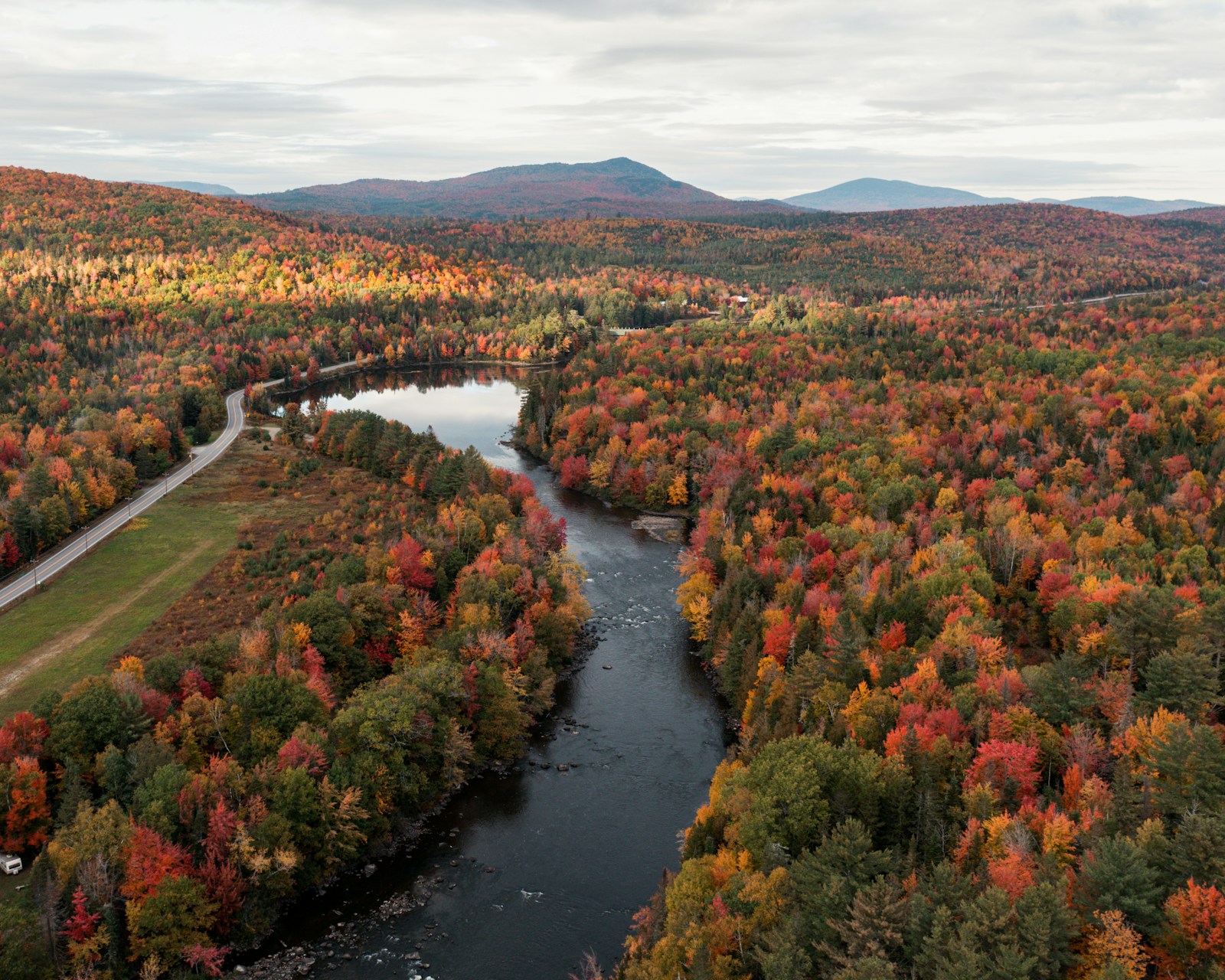
The Kancamagus Highway (Route 112), threading 35 miles through the White Mountain National Forest from Lincoln to Conway, is one of New England's most celebrated scenic drives — extraordinary in fall foliage season (typically peak mid-October) and excellent for accessing hiking trailheads and swimming holes like Lower Falls. Franconia Notch State Park concentrates several of the White Mountains' finest features: the Flume Gorge (a narrow natural chasm with waterfalls), Echo Lake, and the former site of the Old Man of the Mountain rock formation.
New Hampshire's ski resorts rank among the Northeast's finest. Loon Mountain, Cannon Mountain (with its aerial tramway open since 1938), and the resorts of North Conway offer excellent terrain. Lake Winnipesaukee, the state's largest lake, anchors a summer tourism economy of boating, kayaking, and waterfront towns. The state famously has no sales tax and no income tax, making its outlet shopping and dining notably inexpensive. Visit September–October for fall foliage or December–March for skiing.
Practical planning for New Hampshire: the best time to visit is season-dependent, with a typical budget level of mid-range. Most travellers need three to five full days to cover the highlights without rushing — add extra time if you are combining New Hampshire with nearby regions.
Priority experiences include local food, culture, and outdoor experiences. Do not miss the main sights and neighbourhoods.
Getting there: fly into the nearest major airport serving New Hampshire and rent a car if you plan to visit national parks or small towns — many US states are car-dependent outside city centres. Book national park entry (where timed reservations apply) and popular trail permits as early as possible. Travel insurance covering rental car excess and medical care is recommended for domestic trips with adventure activities.
Where to stay: choose a base near your top priority — a gateway town for parks, a walkable downtown for cities, or a coastal hub for beach regions. Shoulder seasons around spring and fall usually offer better availability and lower lodging prices than peak summer or holiday weeks.
Hikers targeting the Northeast's highest peaks, skiers, fall foliage drivers, and anyone who wants New England mountain character without Vermont's prices.
Compare prices and book your trip — hotels, flights, and guided tours.
* Links open partner sites. We may earn a commission at no extra cost to you. See our editorial policy.