Inca trails, Amazon depths & Carnival fever — South America will take your breath away.
Browse Destinations ↓South America is the continent of extremes — it contains the world's largest rainforest, the world's driest desert, the world's longest mountain range, the world's highest navigable lake, and the world's most powerful waterfall. In a single continent, you can trek through cloud forests to an ancient Inca citadel, cross salt flats that mirror the sky, eat in one of the world's 50 best restaurants, and watch the sun rise over the Amazon from a canopy walkway above the mist. No other region packs such extraordinary natural and cultural diversity into one travel zone.
The Inca civilisation that built Machu Picchu, Cusco, and the Sacred Valley left behind an architectural and cultural legacy that still astonishes — not just in Peru but throughout the Andes corridor into Bolivia, Ecuador, and Colombia. The pre-Columbian cultures of Mesoamerica (covered separately in North America) and the Nazca lines of southern Peru, the Tiwanaku ruins of Bolivia, and the Chachapoya cliff tombs of northern Peru reveal the depth of human civilisation in South America long before European contact. Understanding this history transforms what might otherwise be a scenic mountain trek into something much more profound.
South America's food and drink culture has reached the global stage in ways that would have been unimaginable fifteen years ago. Lima has become one of the world's most celebrated culinary capitals, with Central, Maido, and Astrid y Gastón consistently featuring in the World's 50 Best Restaurants list. São Paulo's restaurant scene is the most diverse in the Southern Hemisphere. Buenos Aires has wine and steak culture that draws food pilgrims from around the world. Cartagena's Afro-Caribbean cooking, Bogotá's modern Colombian cuisine, and the seafood of Santiago's Mercado Central all represent regional cooking traditions of genuine sophistication.
Practically, South America rewards those who allow time. The continent is much larger than most visitors expect — flying from Bogotá to Buenos Aires takes as long as flying from London to New York. The most common mistake is trying to cover too much in one trip. Choose one region — Andean, Amazonian, Southern Cone, or Caribbean coast — and explore it deeply rather than rushing through multiple countries. The payoff for patience is extraordinary: South America is one of those rare destinations where the more time you give it, the more it gives back.
South America's twelve countries divide into four broad travel regions, each with its own distinct character, climate, and highlights.
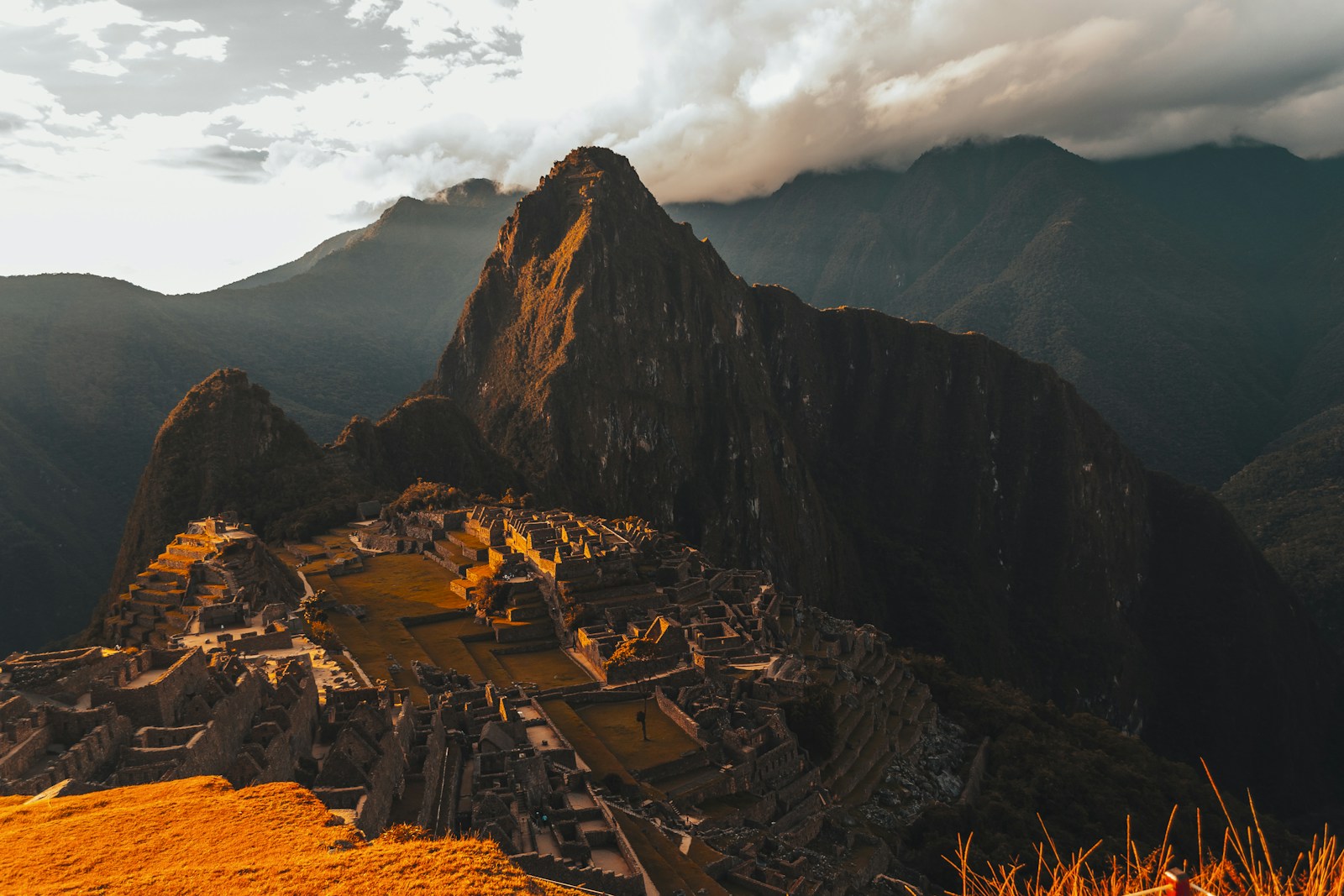
Peru, Bolivia, Ecuador, Chile. The spine of South America and the core of the Inca world. Machu Picchu remains one of the world's most moving travel experiences — arrive at Inti Punku at sunrise before the tour groups for something genuinely transcendent. The Bolivian Altiplano and Salar de Uyuni salt flat create landscapes found nowhere else on earth. Ecuador's Galápagos Islands are the world's premier wildlife archipelago. Northern Chile's Atacama Desert is the world's best stargazing destination.
Brazil, Peru, Colombia, Ecuador, Bolivia. The Amazon River system drains an area the size of the continental United States across nine countries. The most accessible Amazon experiences are from Iquitos (Peru), Manaus (Brazil), and the Amazon tributaries of Ecuador and Colombia. River lodge stays of 3–5 days offer the best wildlife encounters — pink dolphins, giant otters, caimans, anacondas, and thousands of bird species. The Peruvian Amazon around Manu National Park is the most biodiverse region on earth.
Argentina, Chile, Uruguay, Paraguay. South America's most developed and cosmopolitan region. Buenos Aires belongs in the same category as Paris and Barcelona as a city of extraordinary urban culture — the tango, the Boca neighbourhood, the steak culture, and the wine from the Mendoza region. Chilean Patagonia (Torres del Paine) and Argentine Patagonia (Los Glaciares and Perito Moreno Glacier) offer wilderness experiences that rival anything in Alaska or Scandinavia. Ushuaia, the world's southernmost city, is the gateway to Antarctica.
Colombia, Venezuela, Brazil (coast). Cartagena's coral-coloured colonial walled city is one of the most beautiful in the Americas. Colombia's Pacific coast and Rosario Islands offer world-class diving largely undiscovered by international tourism. Venezuela's Los Roques archipelago is the most pristine Caribbean atoll in the region. Brazil's Atlantic coast stretches 7,500 kilometres from the Amazon delta to Rio Grande do Sul — encompassing Rio de Janeiro, the colonial heritage of Salvador, and the remote beaches of Florianópolis and Fernando de Noronha.
Colombia, Venezuela, Ecuador. Colombia's transformation from conflict zone to one of South America's most dynamic travel destinations is one of travel's great recent stories. Medellín won the Urban Land Institute's prize for most innovative city — its aerial gondola network, outdoor escalators connecting hillside barrios, and flowering public plazas represent urban reinvention at its most inspiring. The Coffee Region (Eje Cafetero) offers hacienda stays, wax palm forests, and the world's most scenic valley towns.
Brazil. South America's largest country contains multitudes. Rio de Janeiro — Christ the Redeemer overlooking Ipanema Beach, samba in Lapa, carnival energy year-round — is one of the world's most viscerally exciting cities. São Paulo's restaurant scene, art museums, and Brazilian jazz venues rival any world capital. The Iguazu Falls, shared with Argentina, dwarf Niagara in both volume and drama. Salvador da Bahia preserves the most complete Afro-Brazilian cultural heritage in the Americas.
South America's climate varies enormously by region and altitude. The continent spans from tropical to sub-Antarctic, meaning there is no single best time — it depends entirely on where you're going.
The dry season across most of the Andes — Peru, Bolivia, Ecuador, and northern Chile are at their best. Clear skies over Machu Picchu, the Inca Trail, and the Bolivian Altiplano. The Salar de Uyuni salt flat is driveable and offers the famous mirror reflection effect after light rains in April–May. This is the most popular window and requires advance booking for Inca Trail permits.
Patagonia's weather window is narrow — November to March brings the most daylight and the most stable (though never guaranteed) conditions. Torres del Paine's iconic spires are most likely to be cloud-free in November and December before the summer wind picks up. Perito Moreno Glacier can be visited year-round but is most dramatic in summer when calving is most frequent.
Brazil's summer (December–March) peaks with Carnival in February/March — Rio's Carnival is the world's largest festival with samba school parades of extraordinary spectacle and colour. The northeast coast is driest and warmest October–January. The Amazon is most accessible for wildlife viewing June–November (dry season), when water levels drop and animals concentrate around rivers.
Colombia's Caribbean coast (Cartagena, Santa Marta, and the Rosario Islands) is most enjoyable December–April when trade winds cool the heat and rainfall is minimal. Medellín's famous feria de las flores (Flower Festival) fills the city in August. The Galápagos Islands can be visited year-round — warm season (January–June) offers calm seas and baby animals; cool season (July–December) brings clearer water for diving.
20 curated destinations
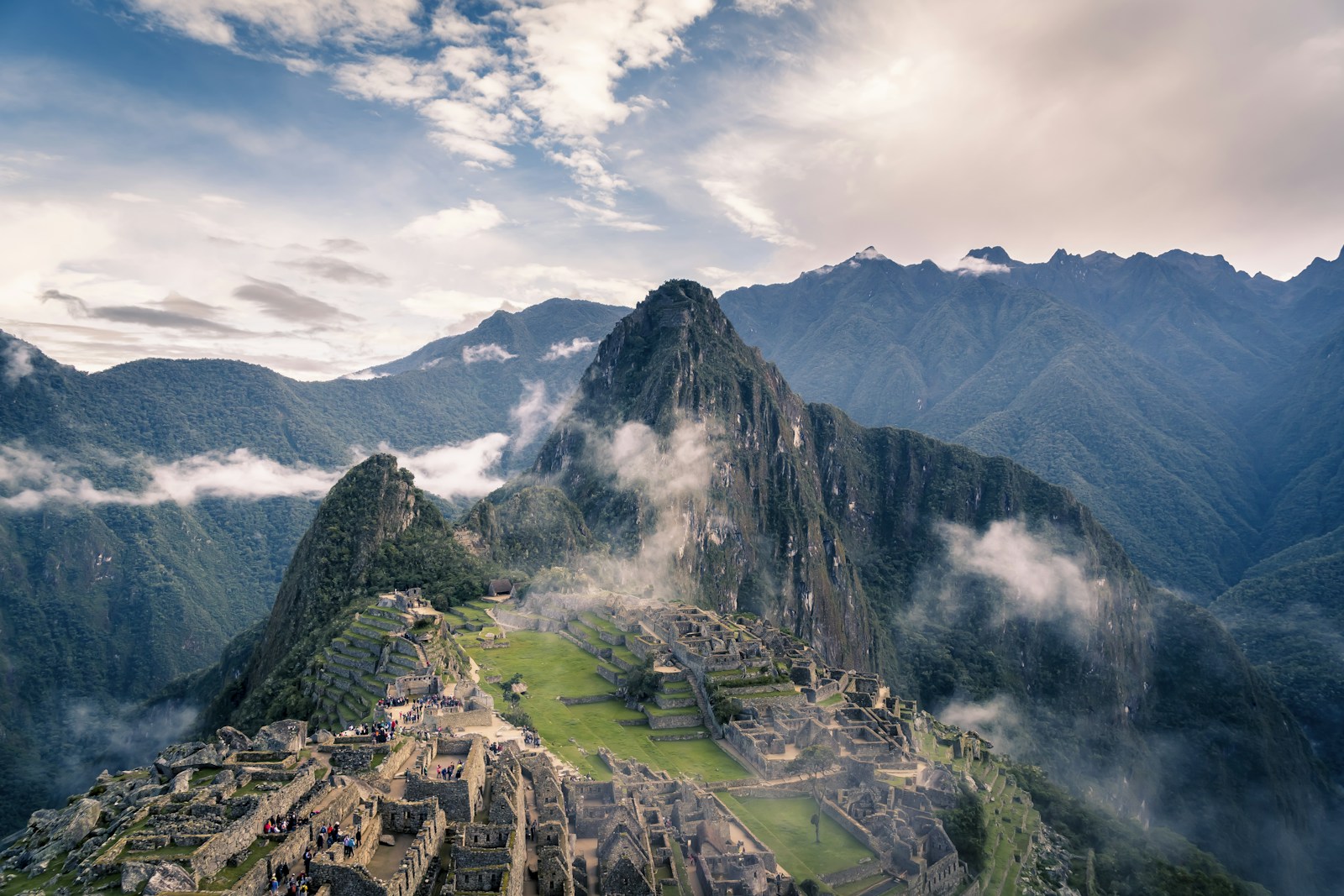
📍 Peru · South America
🏛 Machu Picchu Citadel
The ancient Inca citadel perched high in the Andes — one of humanity's greatest architectural and spiritual achievements.
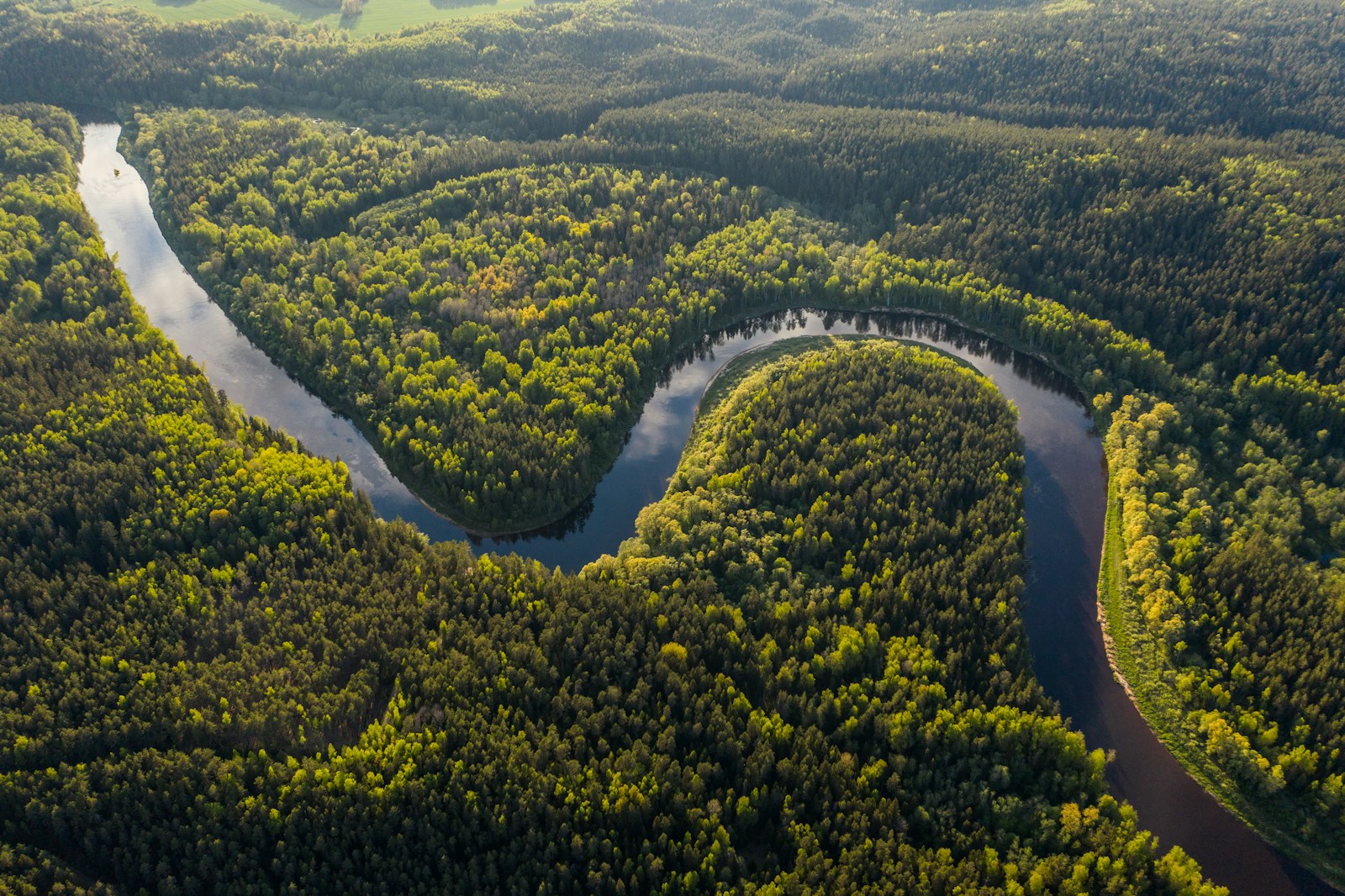
📍 Brazil · South America
🏛 Meeting of the Waters, Manaus
The lungs of the Earth — 5.5 million km² of the world's greatest rainforest, teeming with jaguars, pink dolphins, macaws, and 10% of all species on Earth.
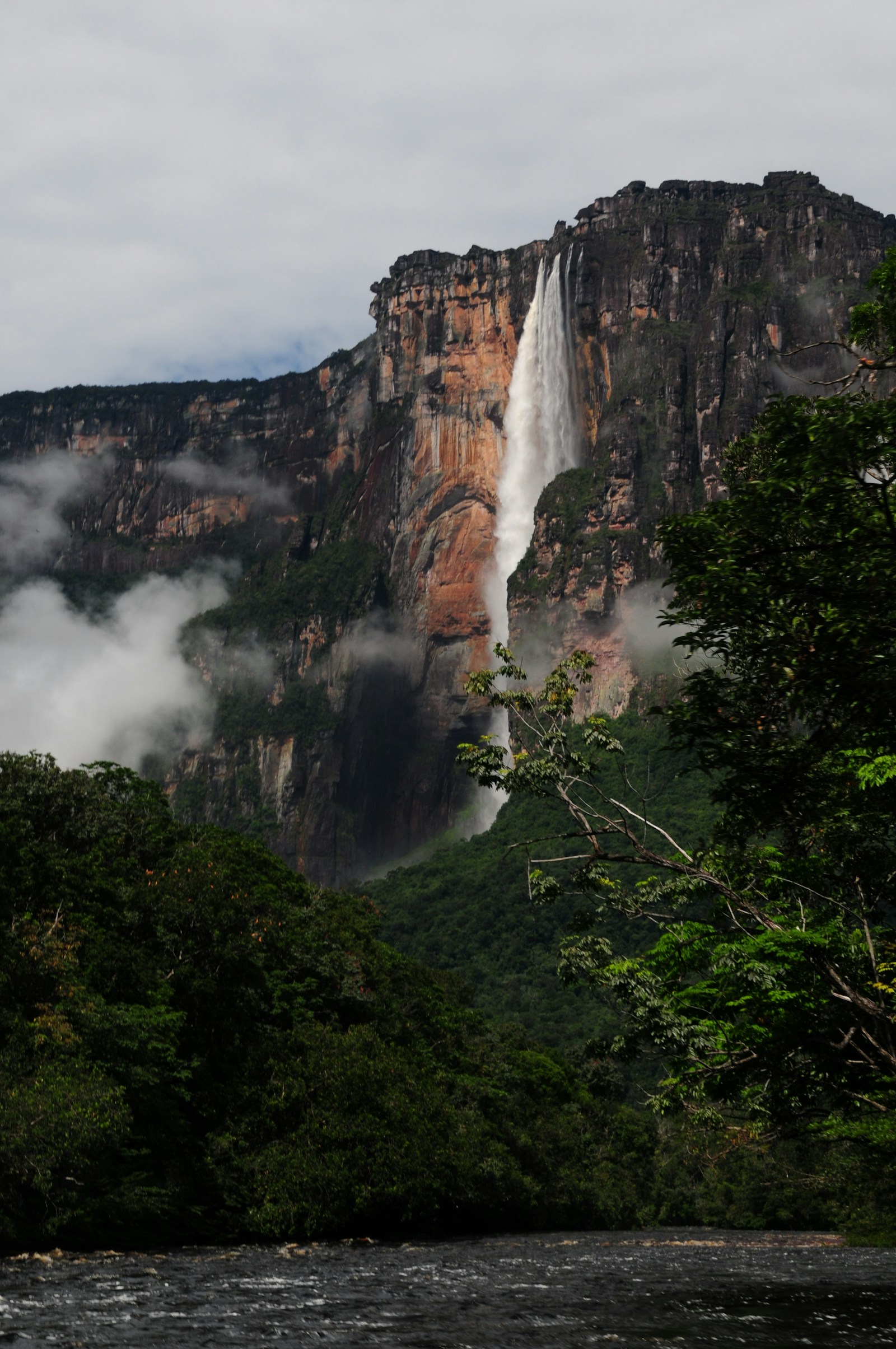
📍 Venezuela · South America
🏛 World's Highest Waterfall
The world's highest uninterrupted waterfall plunges 979 meters from a tepui plateau into the jungle below.
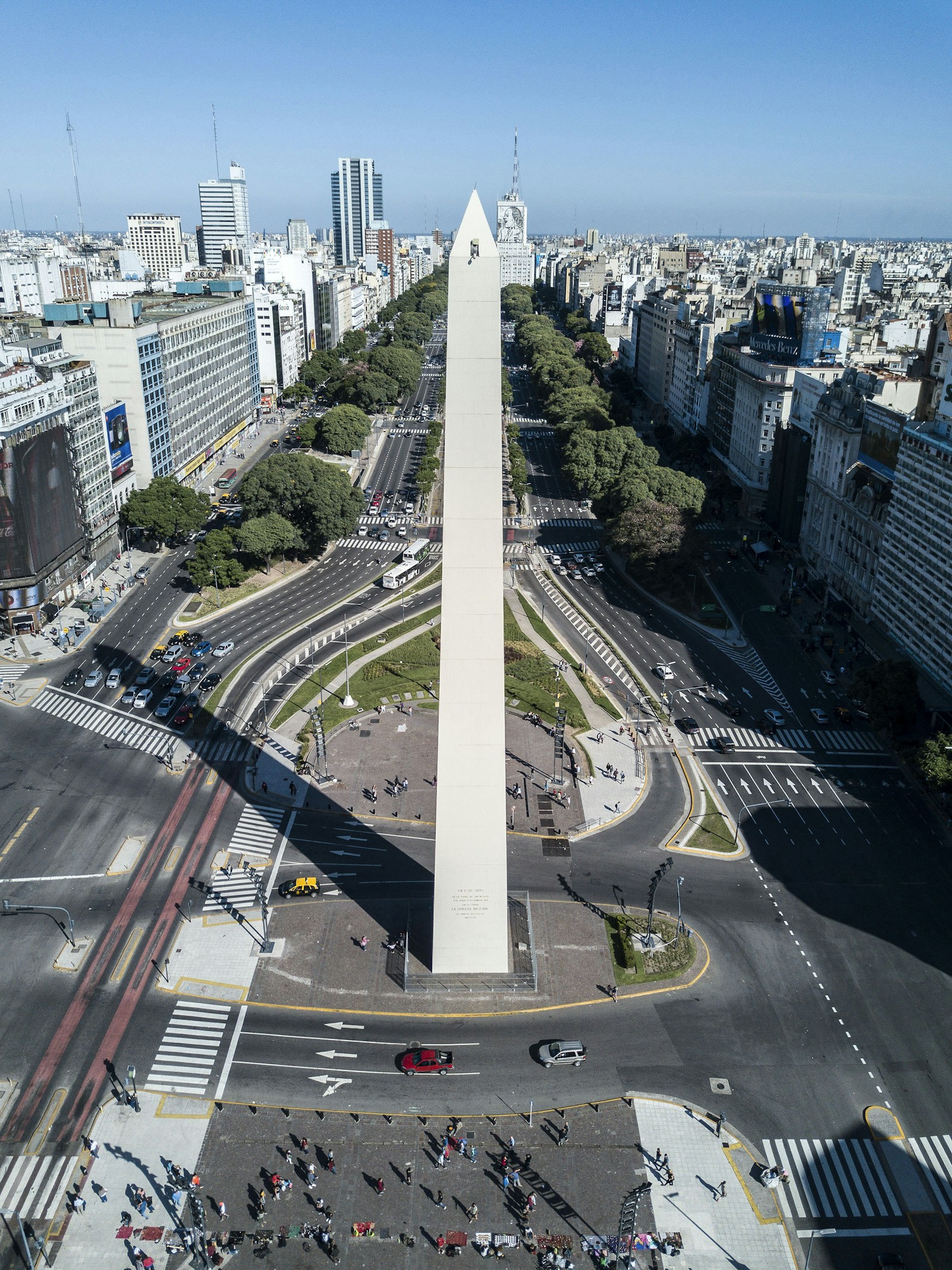
📍 Argentina · South America
🏛 La Boca & Tango Quarter
South America's Paris — European-style architecture, passionate tango culture, legendary steaks, Malbec wine, and cosmopolitan flair.
📍 Chile · South America
🏛 Las Torres (The Towers)
Patagonia's crown jewel — soaring granite towers, electric-blue glaciers, puma-stalked steppes, and the legendary W Trek through South America's most dramatic landscape.
📍 Ecuador · South America
🏛 Giant Tortoise Sanctuaries
Unique island ecosystem where evolution unfolds before your eyes — swimming with sea lions, diving with sharks, and giant tortoises.
📍 Argentina/Chile · South America
🏛 Torres del Paine
Vast wilderness of glaciers, granite spires, pristine lakes, and world-class hiking at the bottom of the world.
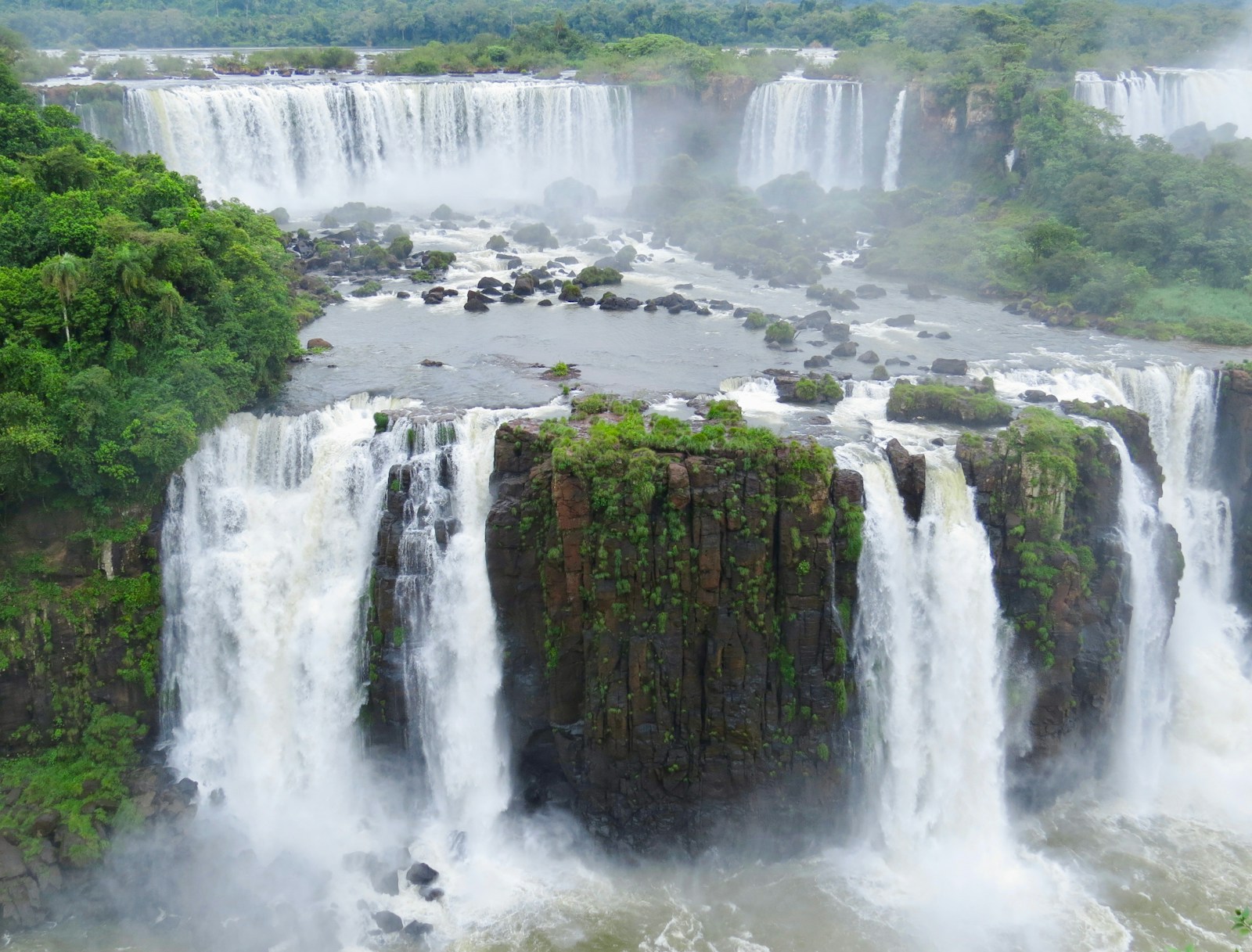
📍 Argentina/Brazil · South America
🏛 Iguazú Waterfalls
The world's most spectacular waterfall system — 275 individual falls thundering across a 2.7 km arc, wider than Niagara.
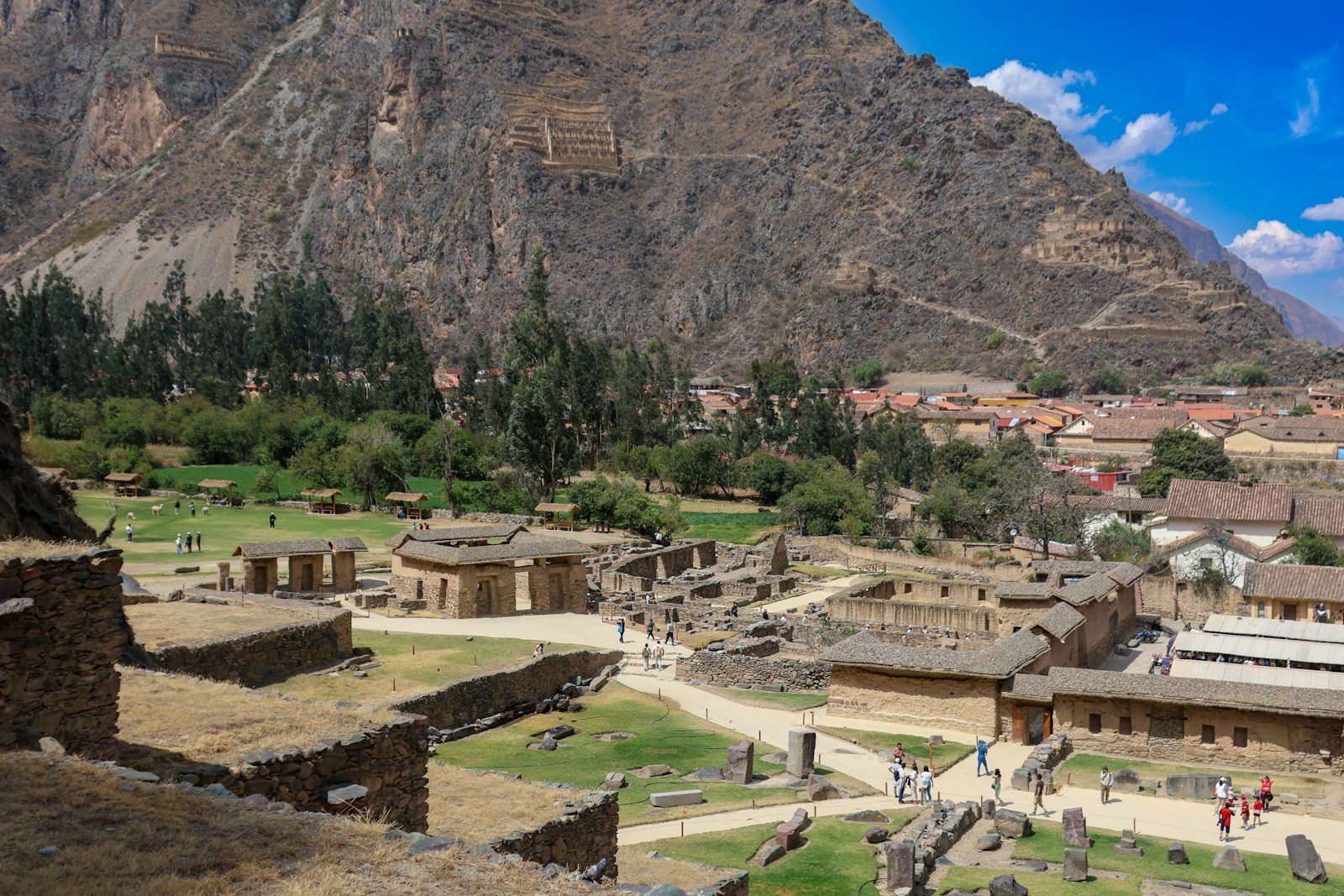
📍 Peru · South America
🏛 Sacred Valley of the Incas
Ancient Inca capital with cobblestone streets, Machu Picchu as its crown jewel, Sacred Valley temples, and Andean culture.
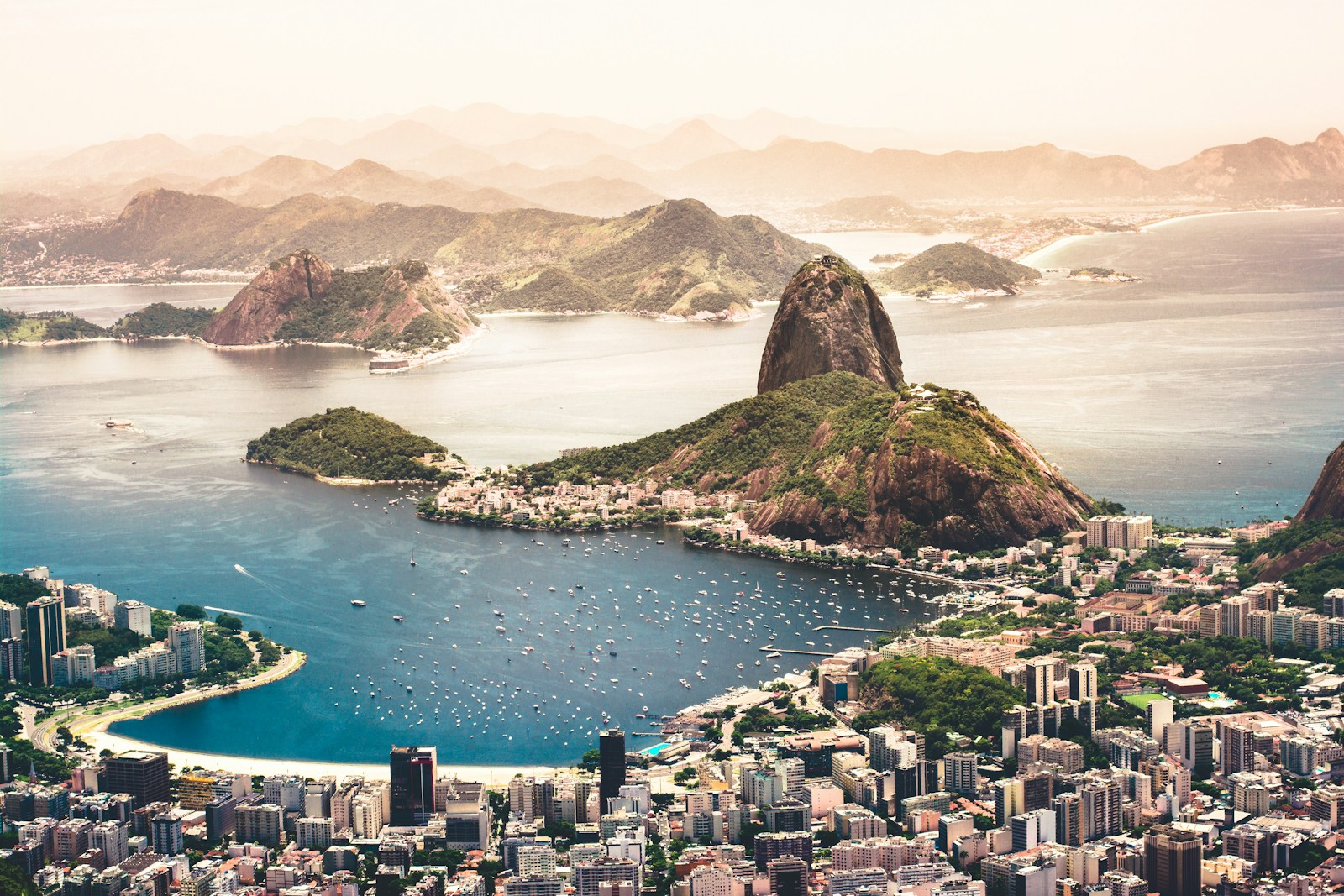
📍 Brazil · South America
🏛 Christ the Redeemer
Vibrant beachside city with Christ the Redeemer, Carnival celebrations, Sugar Loaf Mountain, and Brazil's infectious energy.
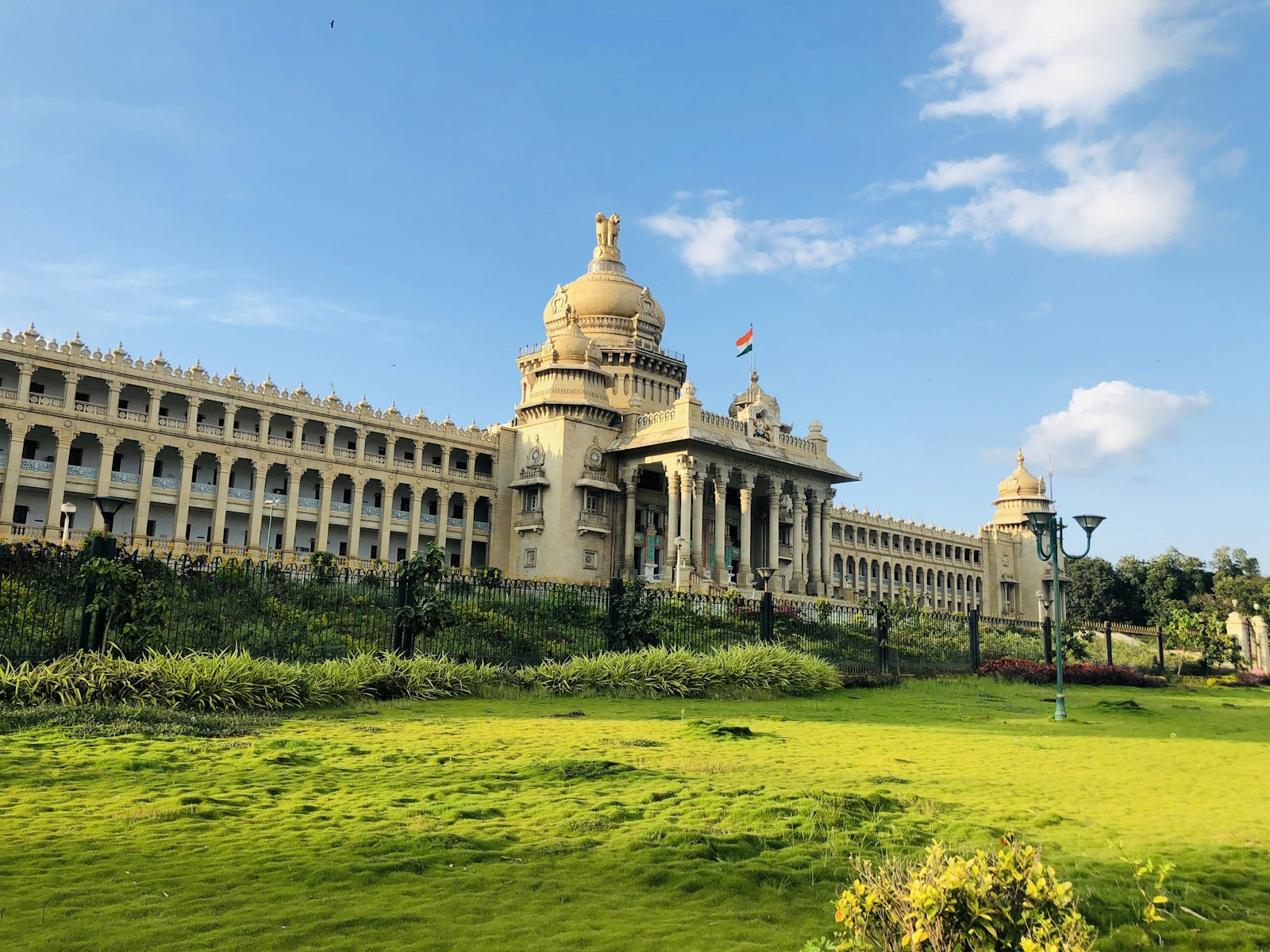
📍 Colombia · South America
🏛 Walled Colonial City
Colorful Caribbean colonial city with a UNESCO walled old town, street art, Caribbean vibes, and warm tropical nights.
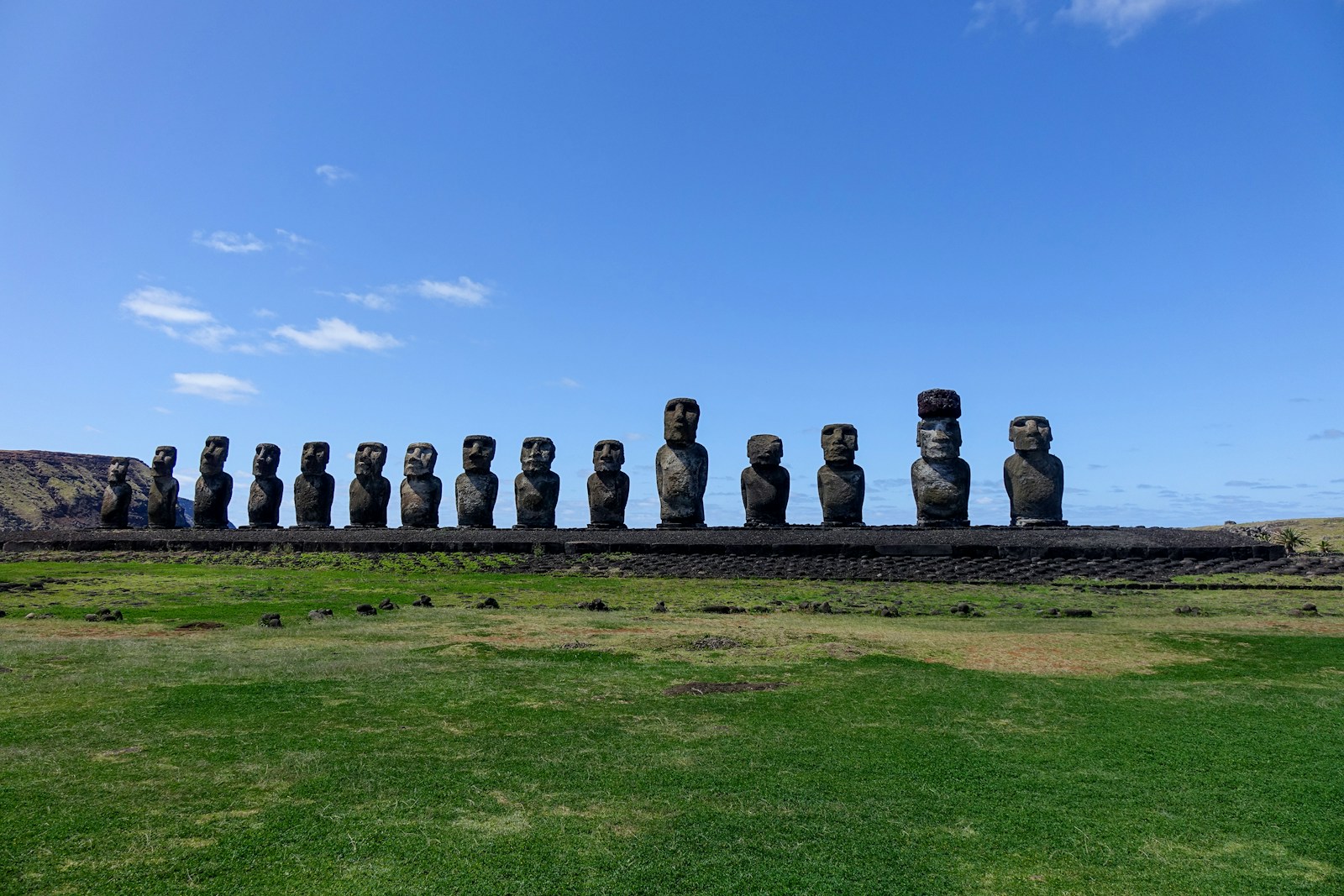
📍 Chile · South America
🏛 Moai Statues
One of the world's most isolated islands — the mysterious Moai statues, Polynesian culture, and dramatic volcanic landscapes.
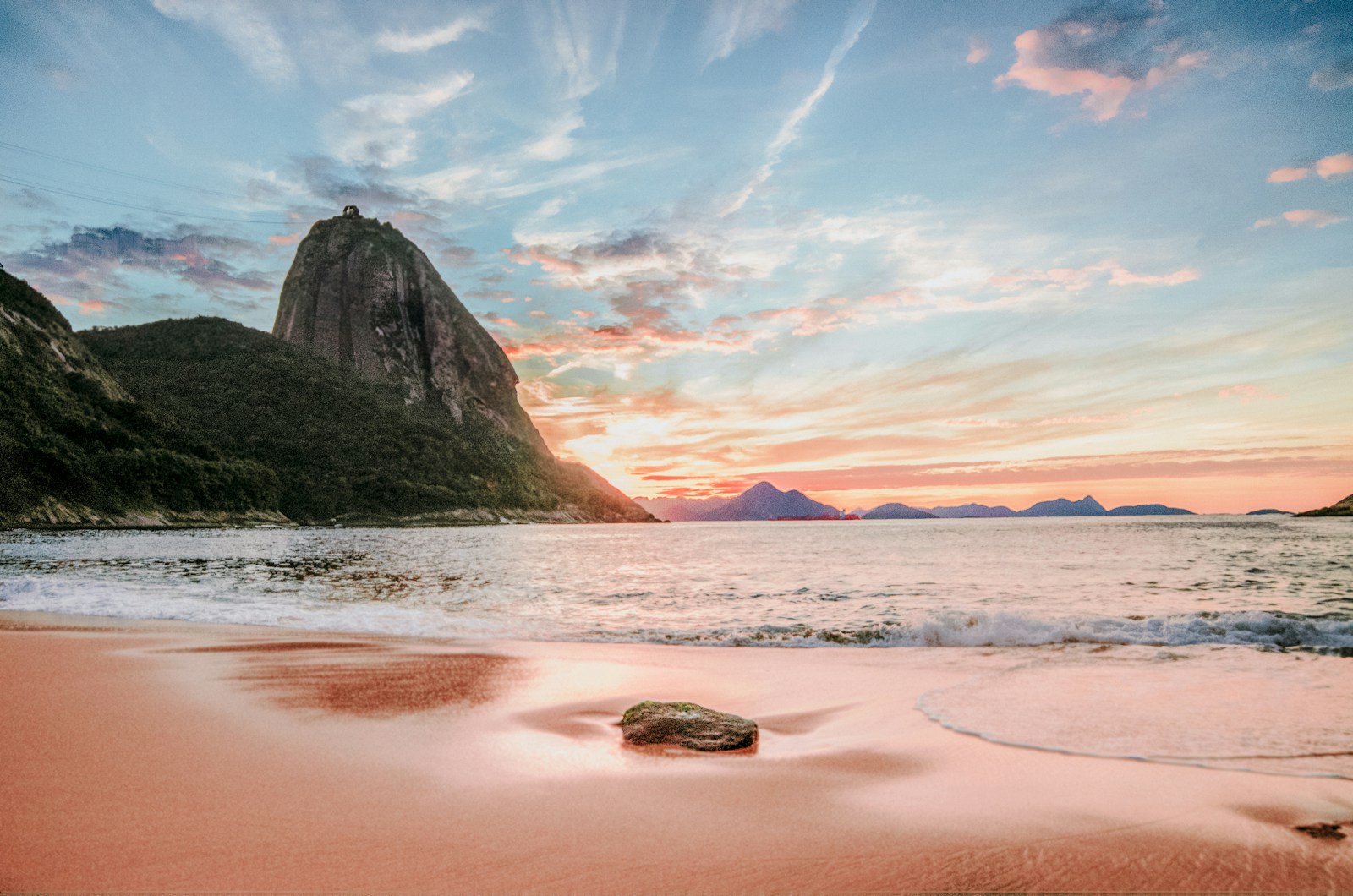
📍 Chile · South America
🏛 Valle de la Luna
World's driest desert with otherworldly landscapes, rainbow lagoons, geysers, and the clearest skies on earth for stargazing.

📍 Venezuela · South America
🏛 Caribbean Coral Archipelago
Over 300 islands of pristine beaches, turquoise shallows, and vibrant coral reefs — the Caribbean's most unspoiled archipelago.
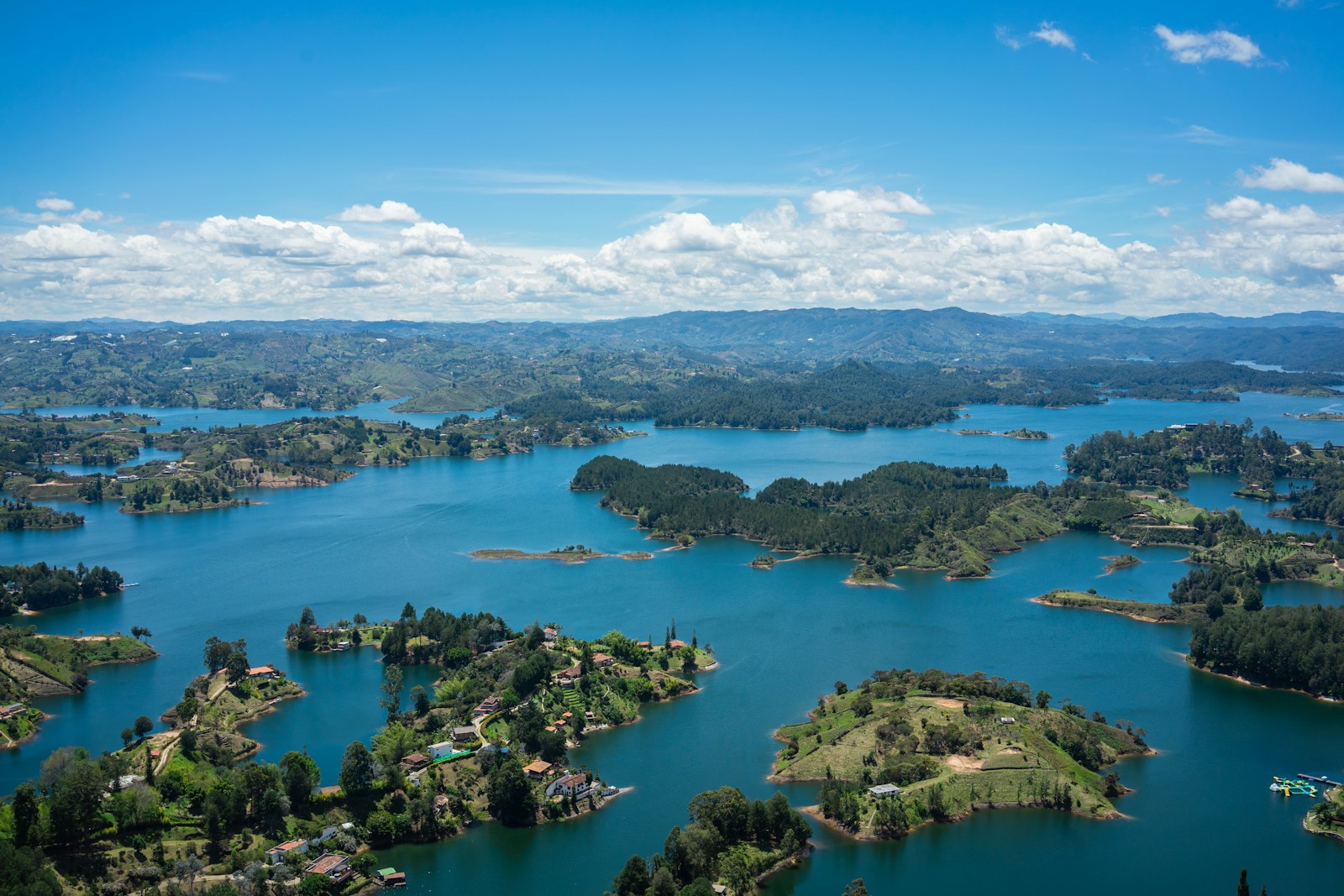
📍 Colombia · South America
🏛 Plaza Botero & Cable Cars
Colombia's City of Eternal Spring — dramatic mountain setting, innovative urban transformation, street art, and incredible coffee culture.
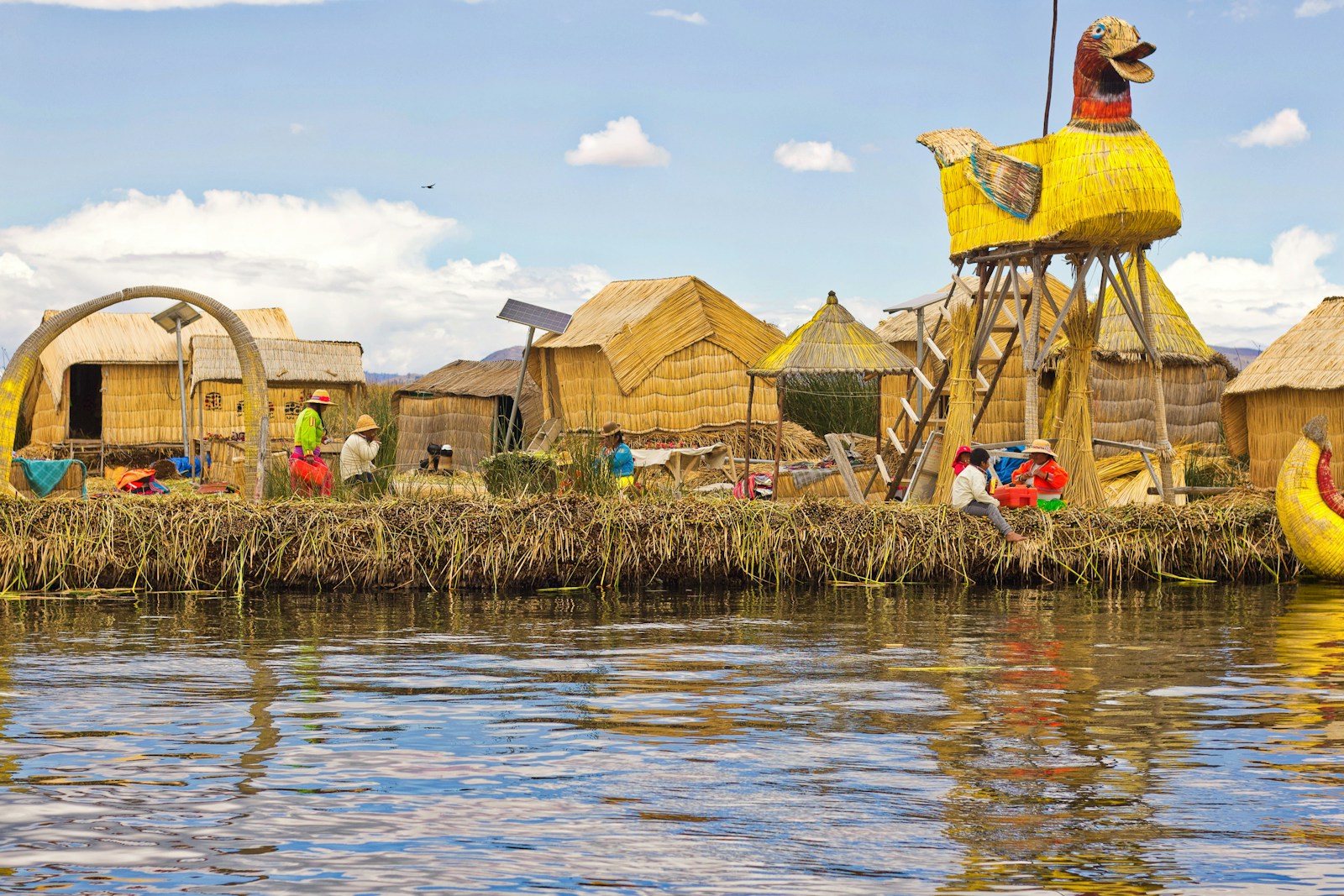
📍 Peru / Bolivia · South America
🏛 Uros Floating Reed Islands
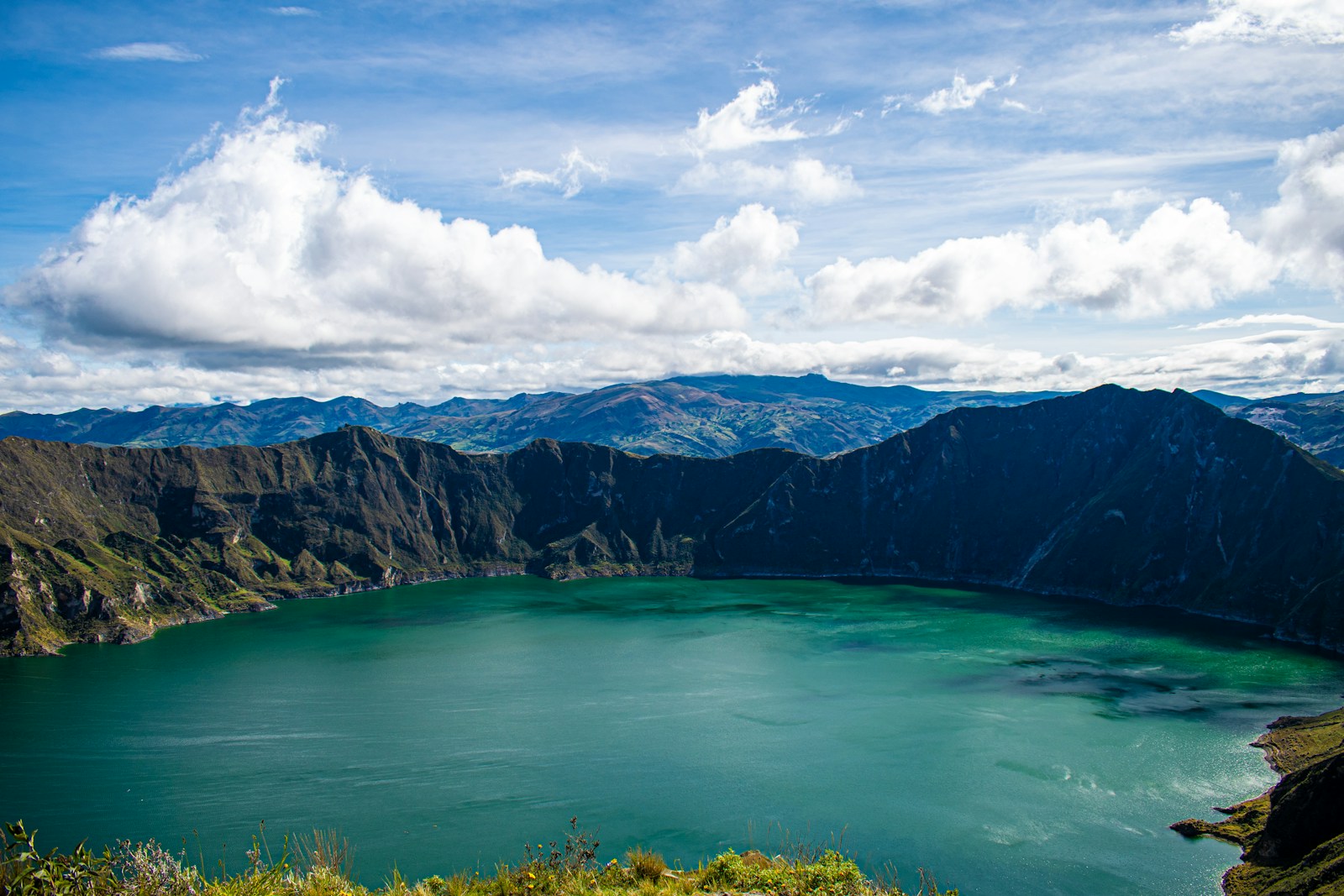
The world's highest navigable lake at 3,800m — floating reed islands, ancient Inca ceremonial sites, and Indigenous communities maintaining traditions unchanged for millennia.
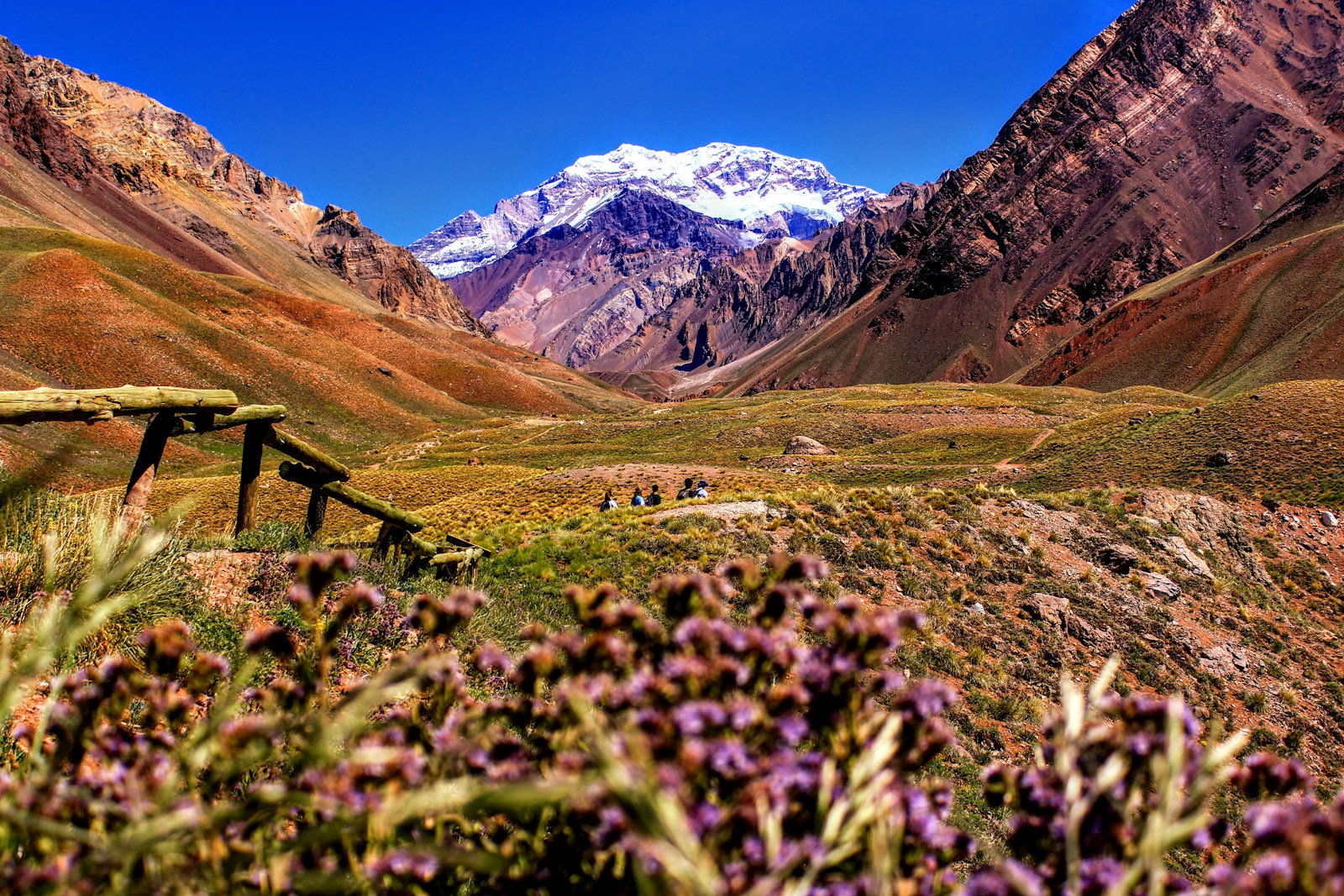
📍 Argentina · South America
🏛 Aconcagua & Luján de Cuyo Wineries
Argentina's wine capital at the foot of the Andes — world-class Malbec, snow-capped Aconcagua views, olive groves, and adventure sports against South America's highest peak.
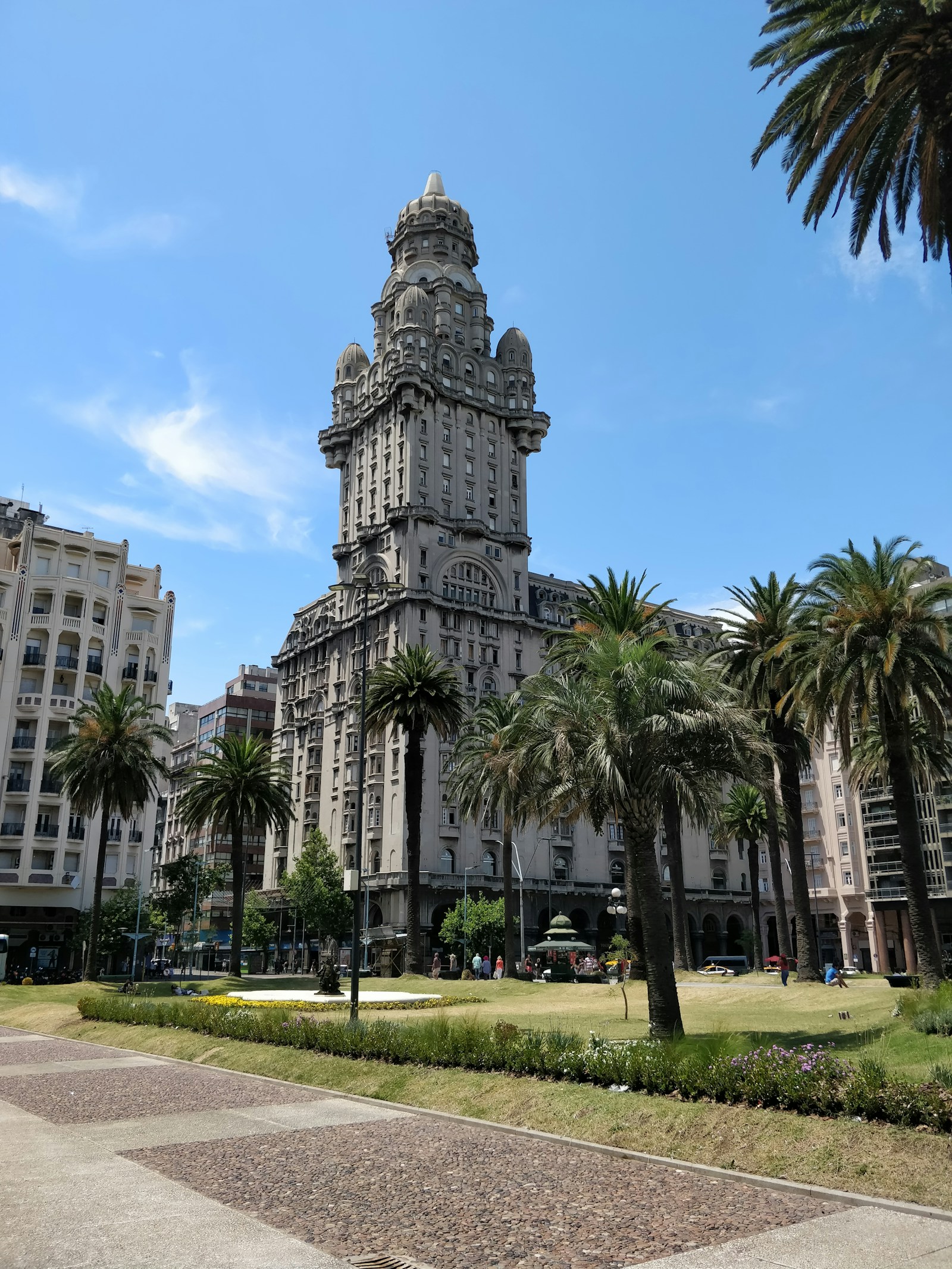
📍 Uruguay · South America
🏛 Ciudad Vieja
South America's most liveable capital — colonial old city, beachside promenade, tango, great wine, and laid-back sophistication.
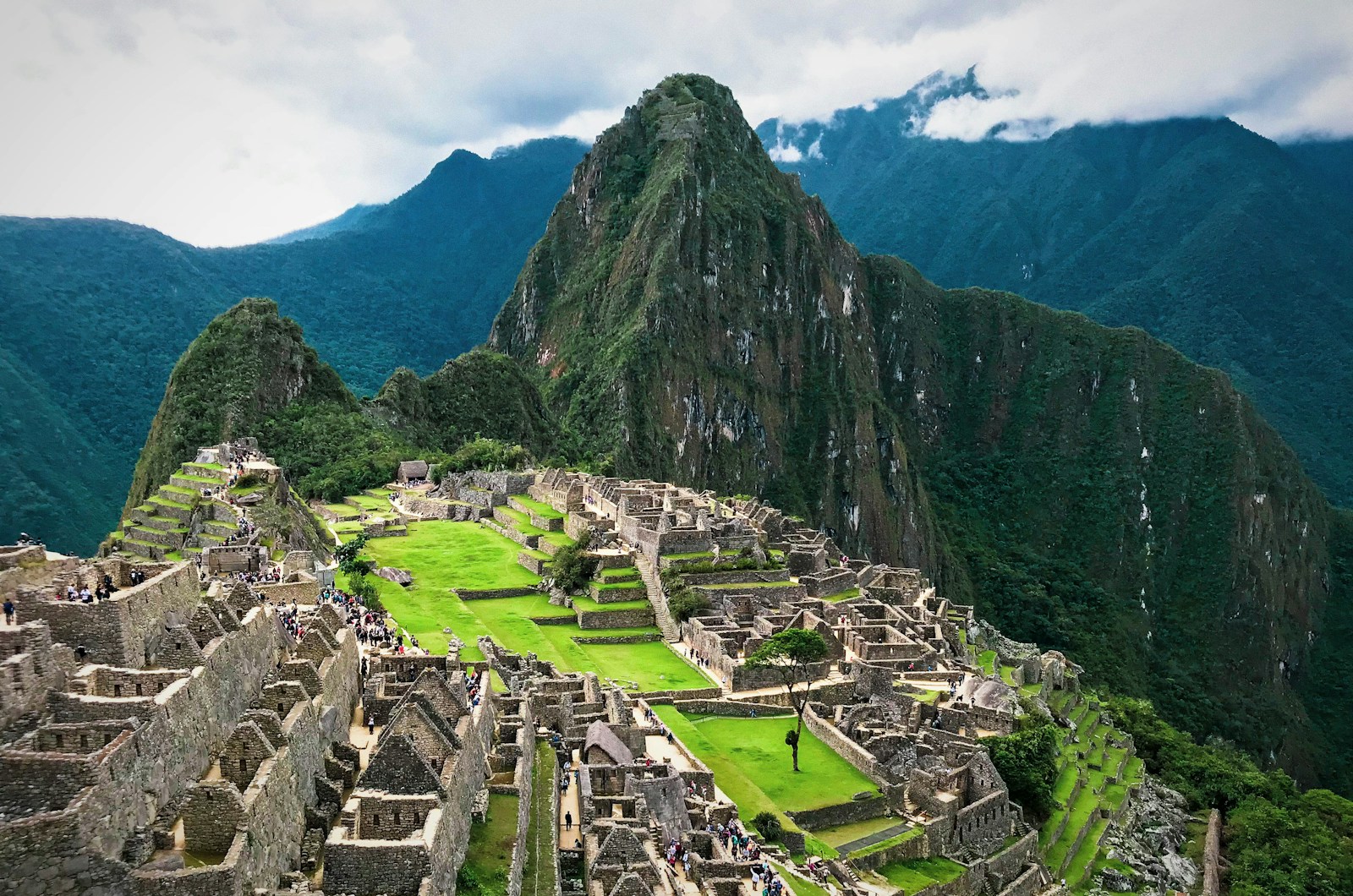
📍 Peru · South America
🏛 Larco Museum & Miraflores
South America's culinary capital — Michelin-starred ceviche, pre-Inca temples in the suburbs, and a clifftop Pacific cityscape.
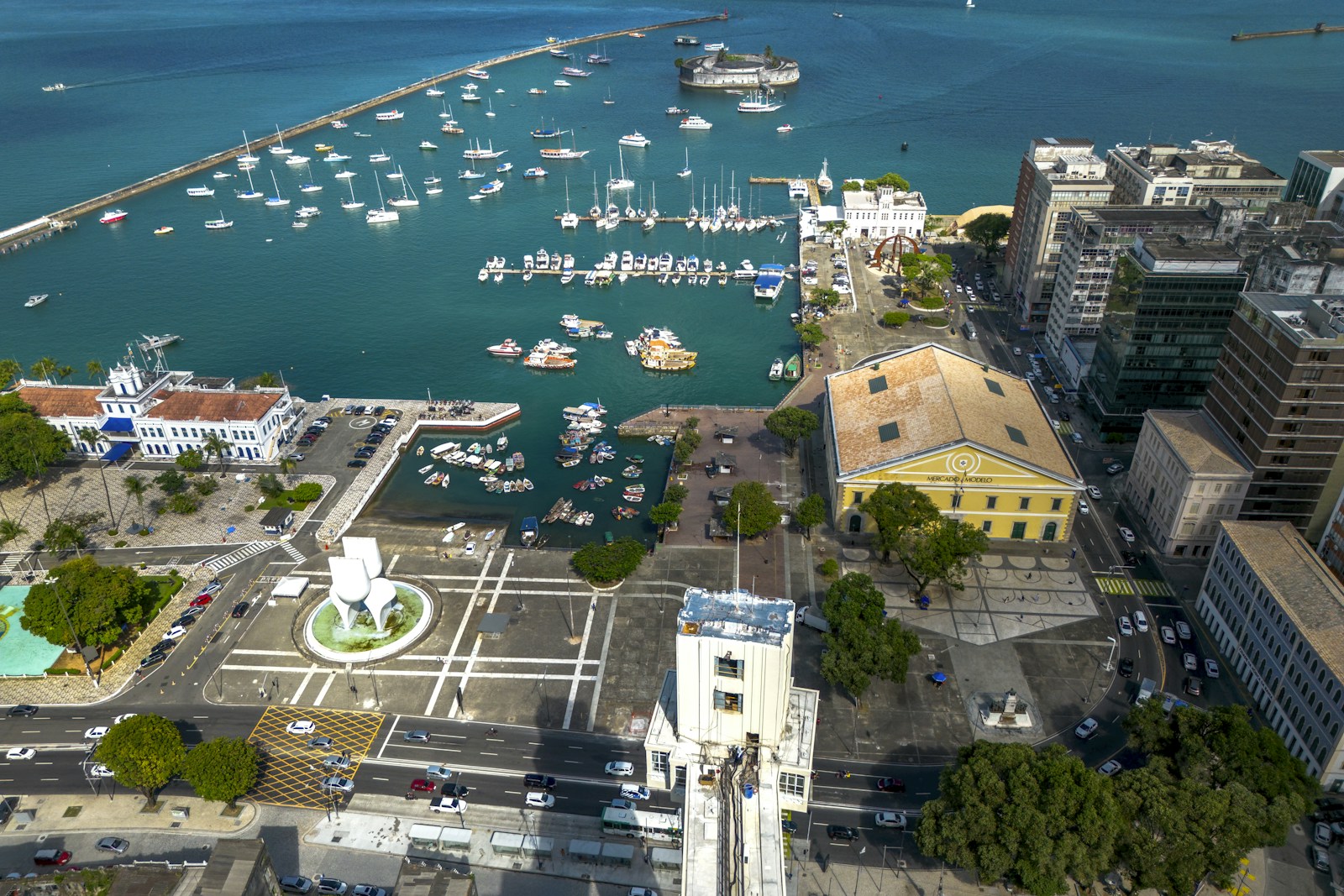
📍 Brazil · South America
🏛 Pelourinho Historic Centre
The soul of Afro-Brazilian culture — a vibrant UNESCO city of colonial hilltops, candomblé ceremonies, capoeira in cobblestone streets, and samba-fuelled carnival.