adventure
🏔️ Patagonia
📍 Argentina/Chile · South America
📍 Argentina/Chile · South America
🏛 Torres del Paine
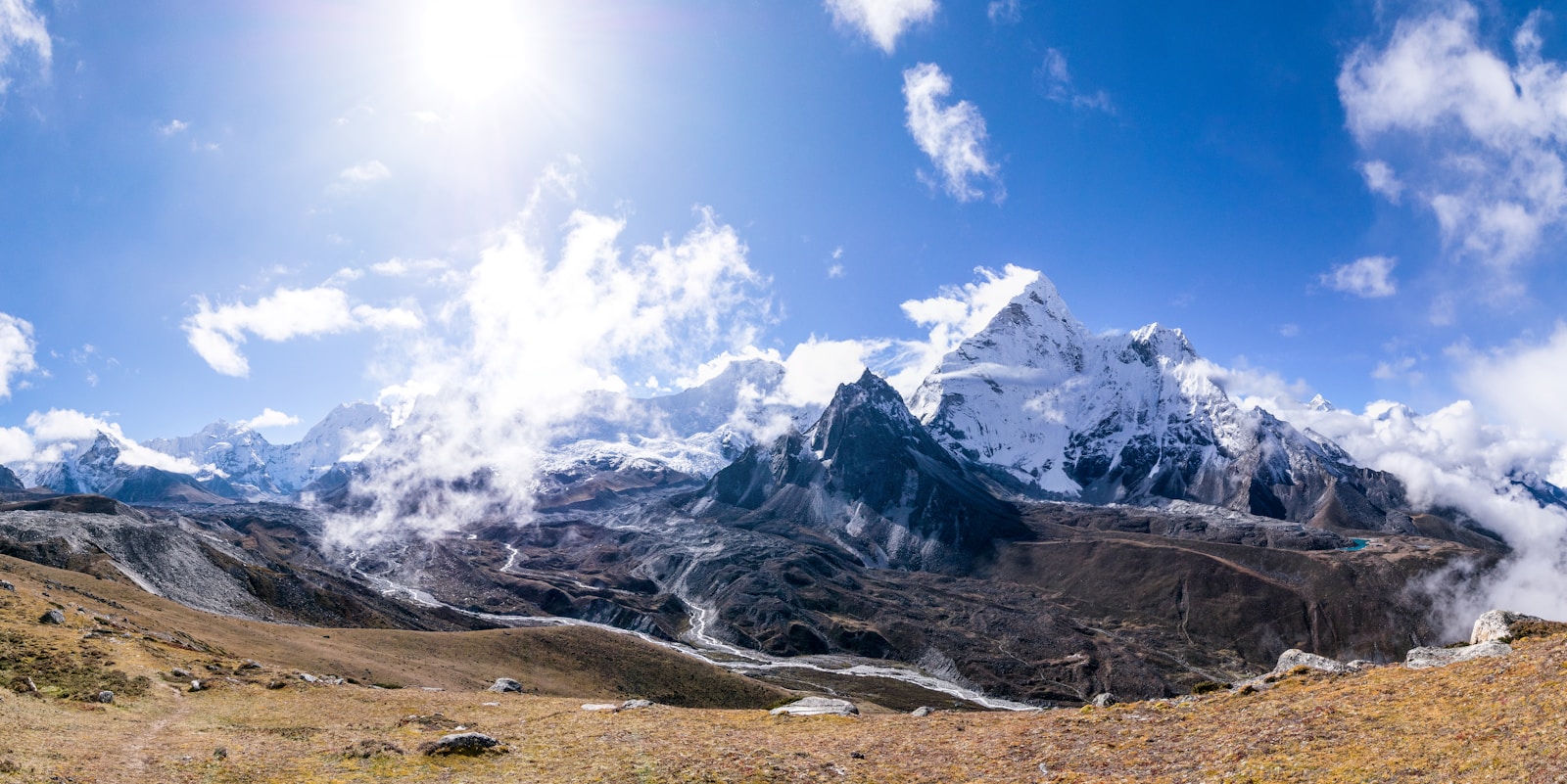
Patagonia occupies the southern cone of South America — a vast territory spanning Argentina and Chile from roughly 40 degrees south to Tierra del Fuego — and represents one of Earth's last genuinely wild places. Wind-blasted steppe, Andean ice fields, temperate rainforest, and a coastline of glaciated fjords and channels create an environment of extreme beauty and extreme challenge. The Patagonian wind — a constant, ferocious force that can knock you off your feet — shapes everything here, from the bent trees to the expeditions that have been frustrated by it for centuries.
Argentina's contribution to Patagonia's highlights centers on Los Glaciares National Park in Santa Cruz province. The Perito Moreno Glacier — advancing rather than retreating, unlike most of its peers — calves enormous ice slabs into the turquoise waters of Lago Argentino with a sound like cannon fire; the walkway system along the shore allows visitors to observe the glacier face at close range for hours. El Chaltén, the trekking capital, provides access to the granitic towers of Cerro Fitz Roy and Cerro Torre — serious technical climbs but with extraordinary viewpoints accessible on well-marked day trails. The Laguna de los Tres at the base of Fitz Roy at sunrise is one of Patagonia's iconic photographs.
Chile's Torres del Paine National Park is Patagonia's single most famous destination. The Towers themselves — three billion-year-old granite pillars rising 2,500 metres above the surrounding steppe — turn gold and pink at dawn in a spectacle that photographers arrive from around the world to capture. The "W" trek (five days, covering the Towers, the Valle del Francés, and the Grey Glacier) is considered one of the world's ten best multi-day hikes; the full Circuit (nine days) adds the remote and spectacular backside of the massif. Guanacos (wild cousins of the llama), condors, foxes, and — increasingly visible — pumas complete the wildlife picture.
Practical planning: Patagonia rewards those who build flexibility into their itinerary. The famous Patagonian weather can lock you in a hut for two days then open to perfect clarity; arriving with a fixed daily schedule frustrates everyone. Best time November to March; avoid April-August (brutal weather, many trails and services closed). Book Torres del Paine campsites (EcoCamp, Refugio Grey) 6-12 months in advance for December-January. Combine Argentine and Chilean Patagonia via the border crossing at Paso Río Don Guillermo or the ferry crossing from Puerto Natales.
Practical planning for Patagonia: the best time to visit is season-dependent, with a typical budget level of mid-range. Most travellers need three to five full days to cover the highlights without rushing — add extra time if you are combining Patagonia with nearby regions.
Priority experiences include local food, culture, and outdoor experiences. Do not miss the main sights and neighbourhoods.
Before you book, verify entry requirements for Argentina/Chile — visa rules, passport validity, and any health documentation change frequently. Travel insurance with medical evacuation cover is worthwhile for international trips.
Where to stay: pick a walkable neighbourhood close to your main interests rather than the cheapest option far from the centre — transport costs and lost time often erase the savings. Book popular restaurants, guided tours, and peak-season accommodation early for high season dates.
Serious hikers and trekkers, landscape photographers, and anyone willing to accept Patagonia's conditions in exchange for its extraordinary wilderness.
Compare prices and book your trip — hotels, flights, and guided tours.
* Links open partner sites. We may earn a commission at no extra cost to you. See our editorial policy.