culture
💃 Buenos Aires
📍 Argentina · South America
📍 Argentina · South America
🏛 La Boca & Tango Quarter
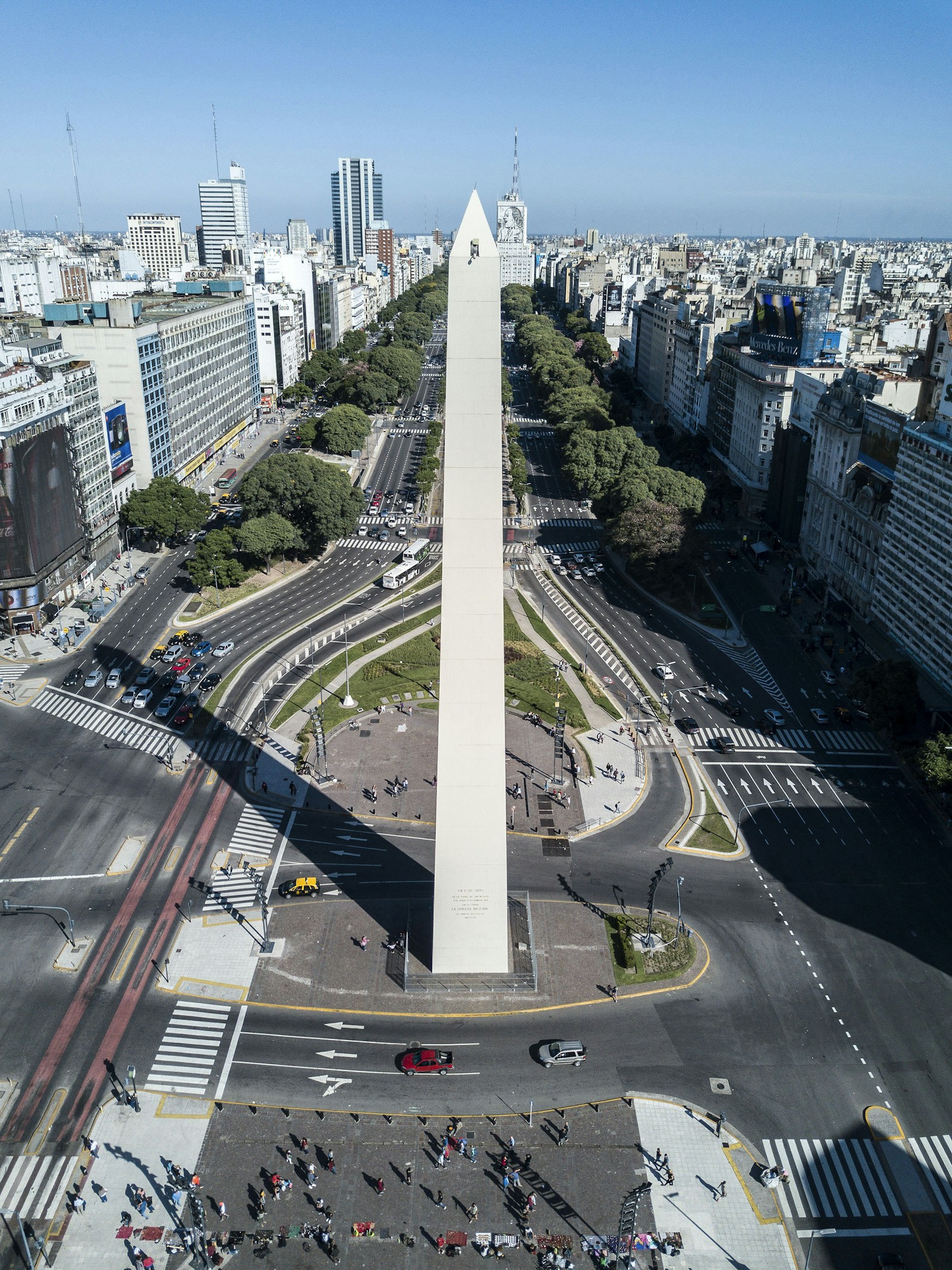
Buenos Aires is South America's most cosmopolitan city — a metropolis of 15 million people that consciously fashioned itself on Paris and Barcelona through the massive European immigration of the late 19th and early 20th centuries, producing a hybrid culture: unmistakably South American in its football obsession, café culture, and political passion, yet with a European intellectual tradition, architectural grandeur, and dining culture that no other city in Latin America matches. The city calls itself the "Paris of South America" with some justification: the Recoleta neighborhood's Haussmann-style boulevards, the Teatro Colón opera house (acoustically among the world's top five), and the concentration of bookshops, psychoanalysts, and literary cafés all support the comparison.
Porteños (Buenos Aires residents) eat late and well. Dinner before 9pm is considered early; most restaurants don't fill until 10pm and serve until 1am or later. The Argentine asado tradition — beef grilled on a parrilla over slow wood or charcoal — reaches its highest expression in the city's specialist parrillas; the cuts (entraña, vacío, ojo de bife, tira de asado) and the reverence with which they're discussed reflect a beef culture as serious as Japan's wagyu obsession. The city's Italian heritage (40% of porteños have Italian ancestry) produces excellent pasta and pizza alongside the steak; the medialunas (smaller, sweeter cousins of the croissant) and cortados at traditional confiterías are the city's definitive breakfast.
Tango is Buenos Aires's most internationally famous cultural export and still its most intimate local art form. The dance was born in the conventillos (immigrant tenements) of La Boca and San Telmo in the 1880s — a synthesis of Afro-Argentine candombe, Cuban habanera, and European polka — and remains a living social practice in the milongas (tango dance halls) that operate throughout the city every night of the week. The best milongas — like Salon Canning, La Viruta, or Gricel — are not tourist shows but genuine social gatherings where dancers of every age come to dance. Taking a lesson before attending is recommended.
Practical planning: Palermo Soho and Palermo Hollywood are the best neighborhoods for accommodation — walkable, safe, full of restaurants and bars, and central to most attractions. San Telmo on weekend mornings (the antiques fair on Plaza Dorrego) and Recoleta for the cemetery (Eva Perón's tomb, extraordinary marble mausoleums) are essential half-days. Best time March-May (autumn) or September-November (spring): pleasant temperatures and fewer tourists than summer. Buenos Aires is exceptionally affordable by international standards during periods of peso weakness.
Food and culture enthusiasts, tango devotees, and anyone who wants a cosmopolitan Latin American city with European architectural grandeur at South American prices.
Compare prices and book your trip — hotels, flights, and guided tours.
* Links open partner sites. We may earn a commission at no extra cost to you. See our editorial policy.