🇺🇸 2026 USA Travel Guide

Explore All
50 States

From Yosemite to the Florida Keys — every state has something extraordinary waiting for you.

Browse Destinations ↓

Why the USA Belongs on Every Traveler's List

The United States of America is not a single destination — it is fifty destinations, each one the size of a small country. From the tropical volcanoes of Hawaii and the Arctic wilderness of Alaska to the swamps of the Florida Everglades and the high desert canyons of Utah, the sheer physical variety of the USA exceeds that of entire continents. No other country on earth packs as many distinct landscapes, climates, cultures, and experiences within a single border.

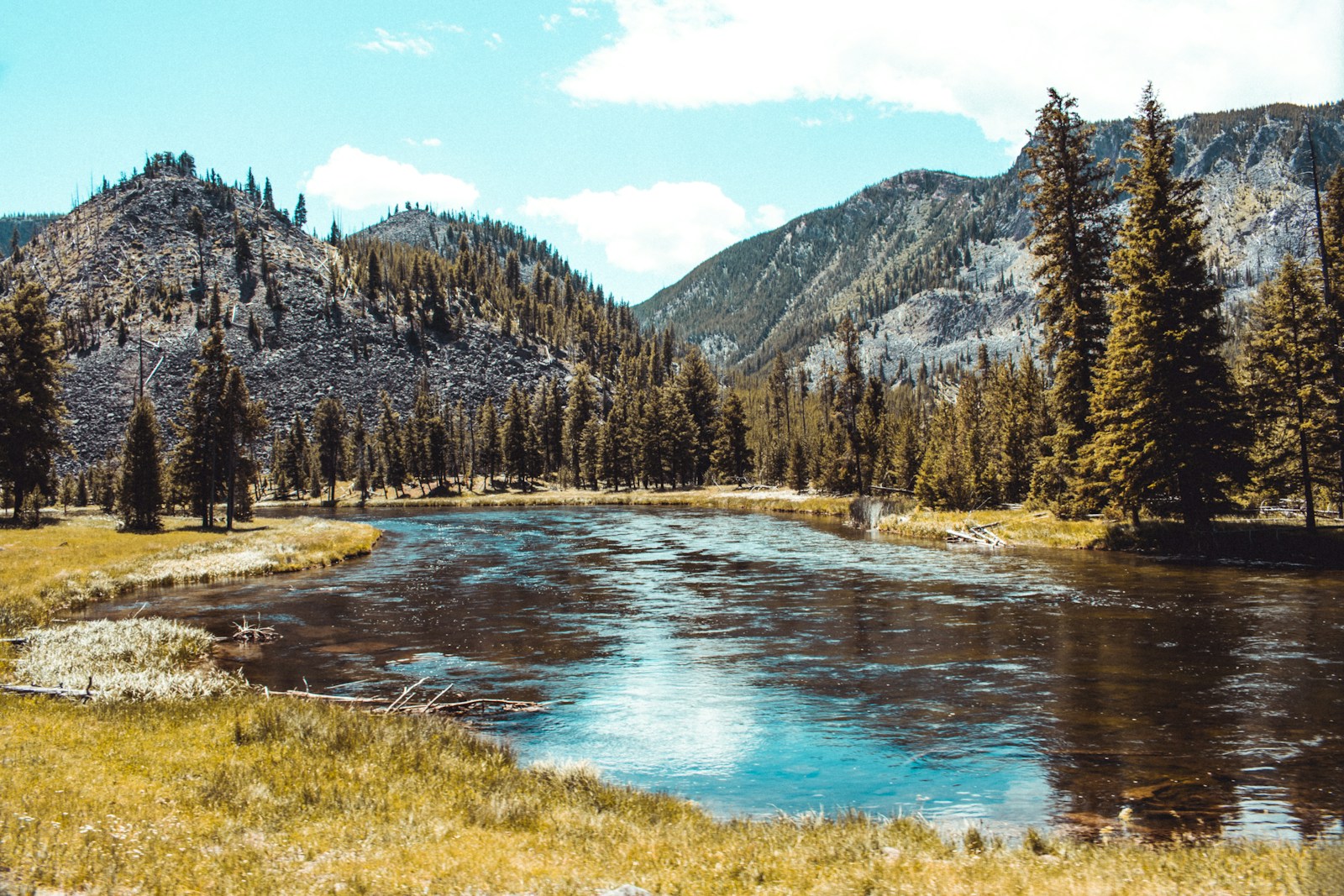
The national park system is the USA's greatest gift to travelers. Established in 1872 with Yellowstone, it now protects over 85 million acres across more than 400 sites — glaciers, geysers, ancient forests, painted canyons, coral reefs, and volcanic lava fields. Yosemite, the Grand Canyon, Zion, Bryce Canyon, Glacier, Acadia, the Great Smoky Mountains — these are not simply attractions but genuinely world-class natural wonders, many of them accessible for the price of an annual America the Beautiful pass ($80) that covers every site in the system.

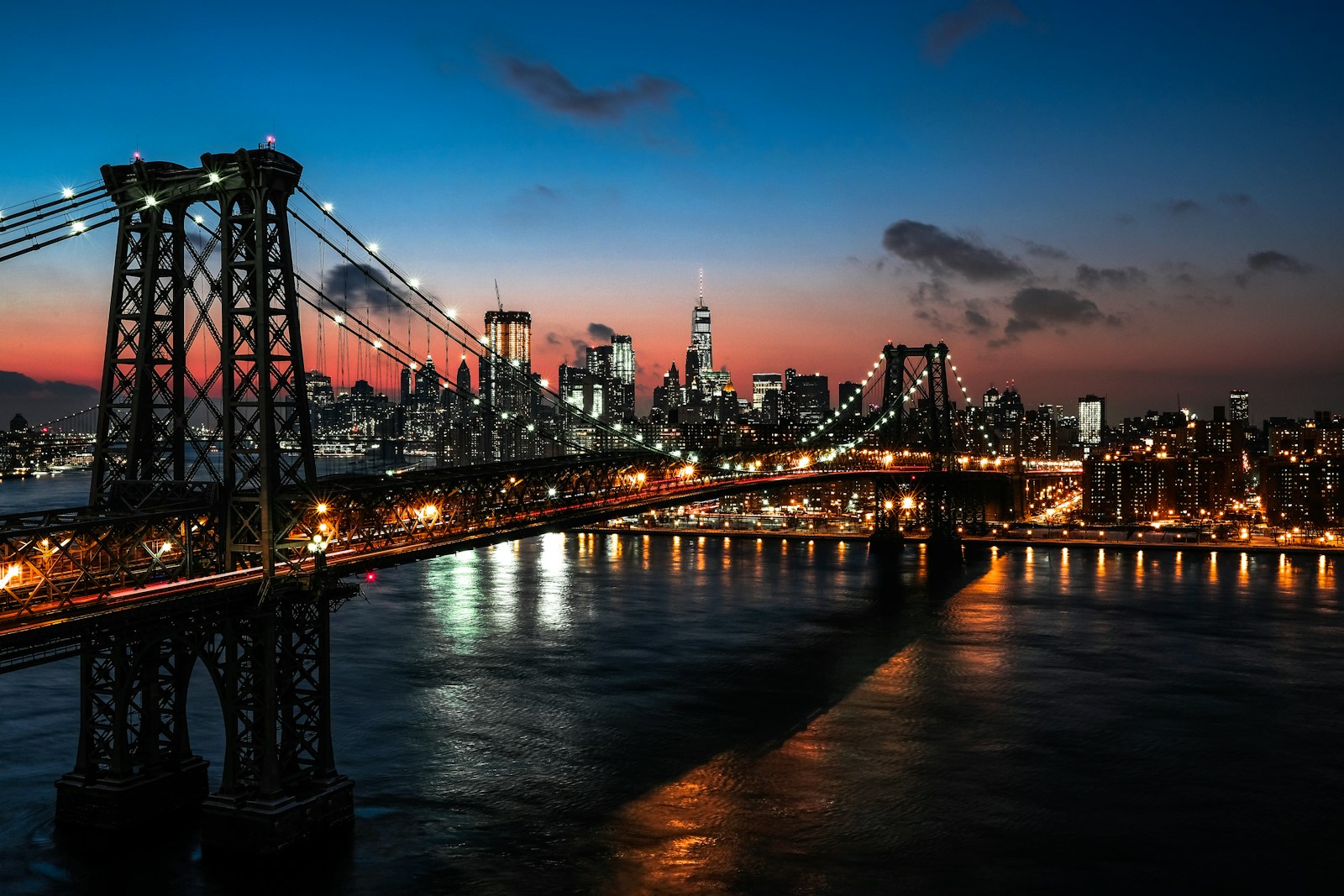
Beyond the parks, American cities deliver some of the world's finest cultural experiences. New York's museums, restaurant scene, and Broadway are world-class. New Orleans' jazz, food culture, and architecture are entirely unique. Chicago's architecture, music, and food rival any European capital. Nashville, Memphis, Austin, Portland, and New Orleans have each given the world music that changed everything. In 2026, the USA adds a global sporting spectacle: the FIFA World Cup across 11 American cities — the largest sporting event ever to come to North American soil.


The USA by Region — Where to Go

The USA divides naturally into six travel regions, each with its own character, landscapes, and must-see experiences.

🏙️ Northeast

New York, Massachusetts, Vermont, Maine. History, culture, and dramatic coastlines. Boston's Freedom Trail, NYC's everything, Vermont's fall foliage, Maine's Acadia, and the Ivy League campuses make this the most historically dense region. Best visited spring (May–June) or fall (September–October) for peak color and mild weather.

🌴 Southeast

Florida, Tennessee, Georgia, Louisiana, North Carolina. The USA's warmest, most culturally distinctive region. Florida's beaches and theme parks, Nashville and Memphis's music heritage, New Orleans' food and jazz, Charleston's antebellum elegance, and the Great Smoky Mountains — the most visited national park in the country. Winter is peak season for Florida; spring and fall for the rest.

🌾 Midwest

Illinois, Michigan, Minnesota, Missouri, South Dakota. Chicago's architectural magnificence and food scene, the Great Lakes' freshwater coasts, Yellowstone's northern range, the Boundary Waters, Mount Rushmore, and the Gateway Arch. Underestimated by international visitors but full of genuine character. Summer is the prime season.

🤠 Southwest

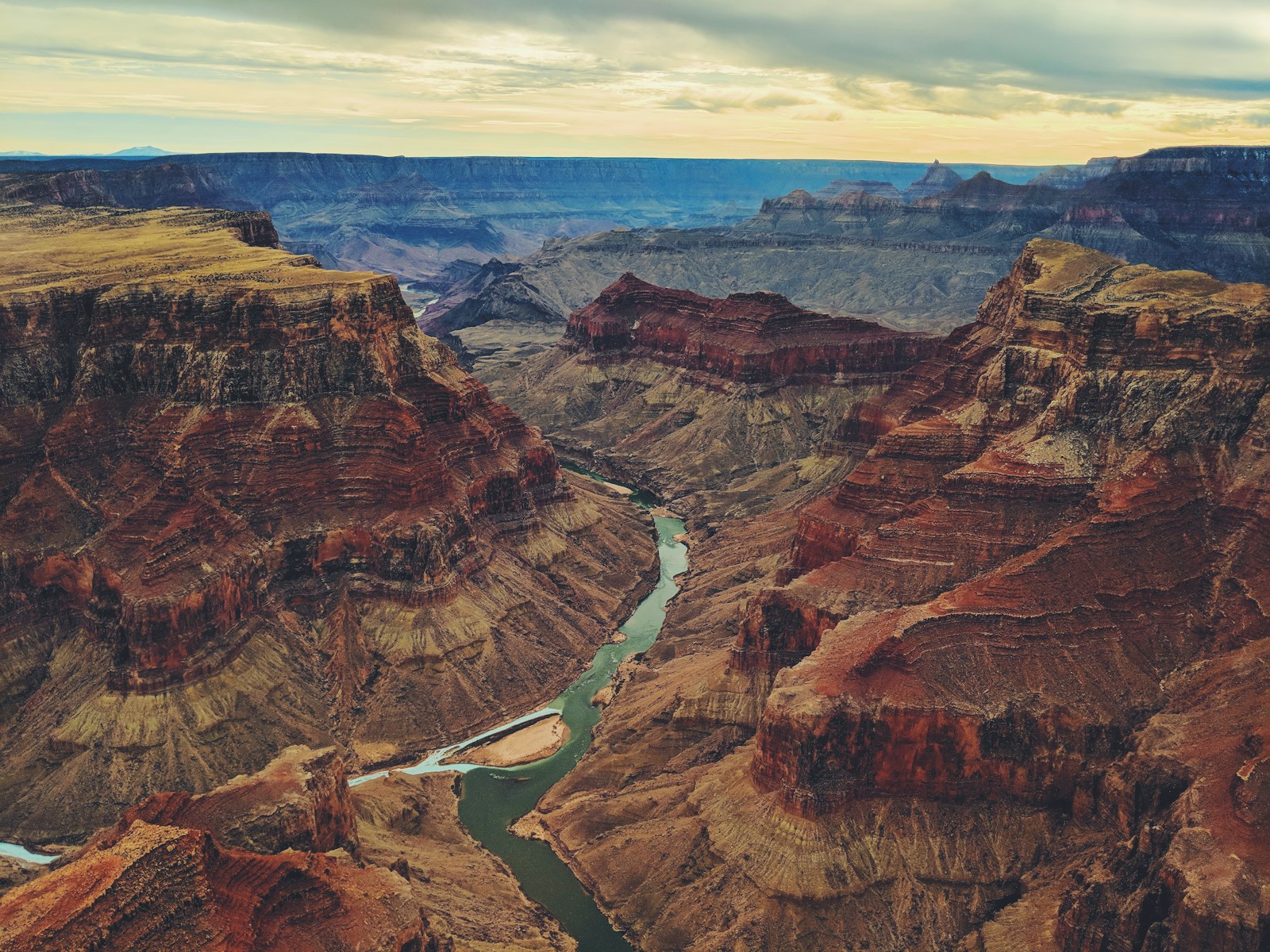
Texas, Arizona, New Mexico, Nevada. The Grand Canyon, Sedona, Monument Valley, Las Vegas, Santa Fe, and Big Bend define the Southwest's dramatic desert landscapes and rich Hispanic and Native American heritage. Spring (March–May) and fall (September–November) offer ideal temperatures. Summers are extreme — plan hikes for early morning.

🏔️ Mountain West

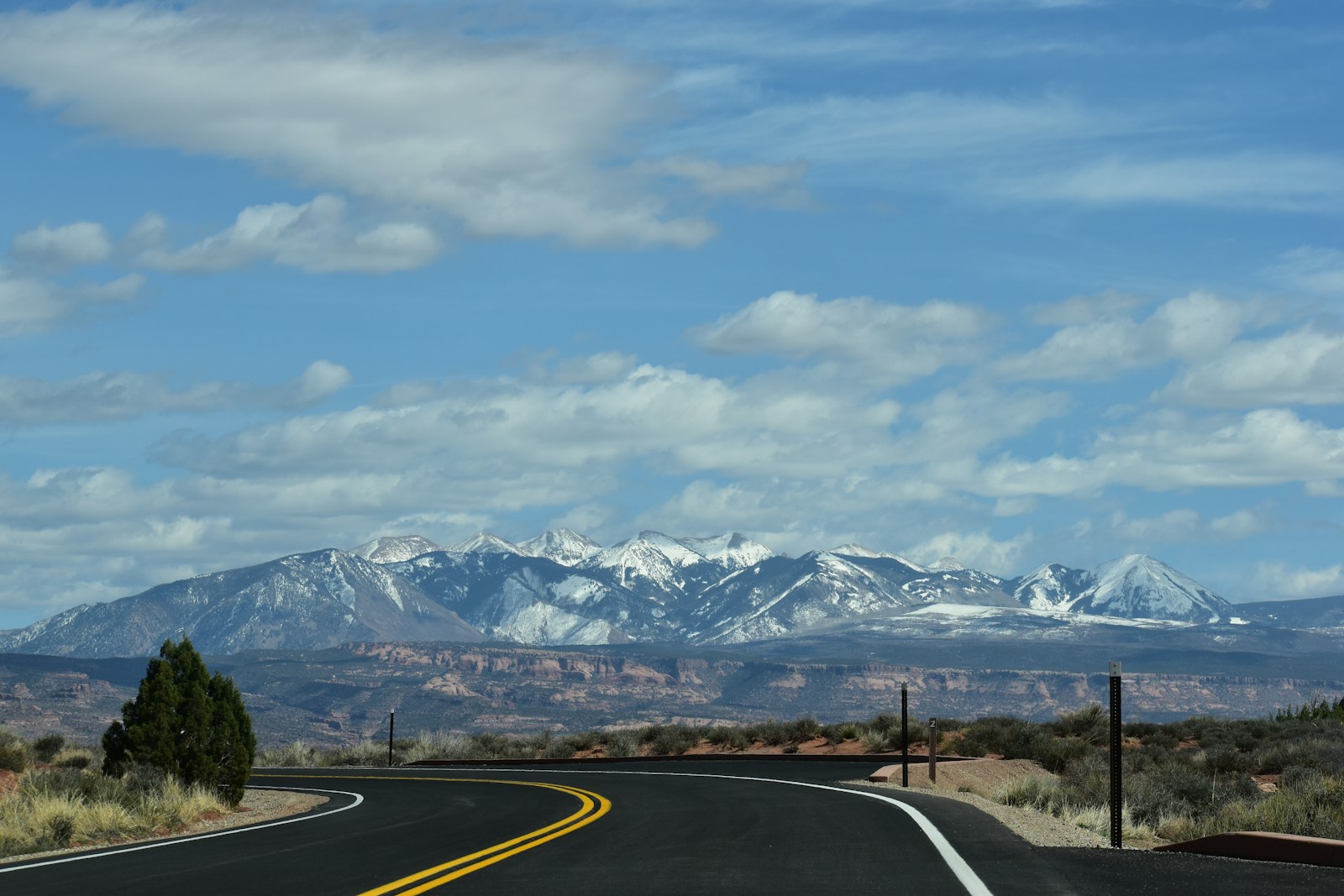
Colorado, Utah, Wyoming, Montana, Idaho. America's adventure playground. Yellowstone, Grand Teton, Rocky Mountain, Glacier, Zion, Bryce Canyon, Arches, and Mesa Verde national parks. World-class skiing at Aspen, Vail, Jackson Hole, and Big Sky. Best in summer for hiking and wildlife; winter for ski season. The most spectacular road trips in the country are here.

🌊 Pacific

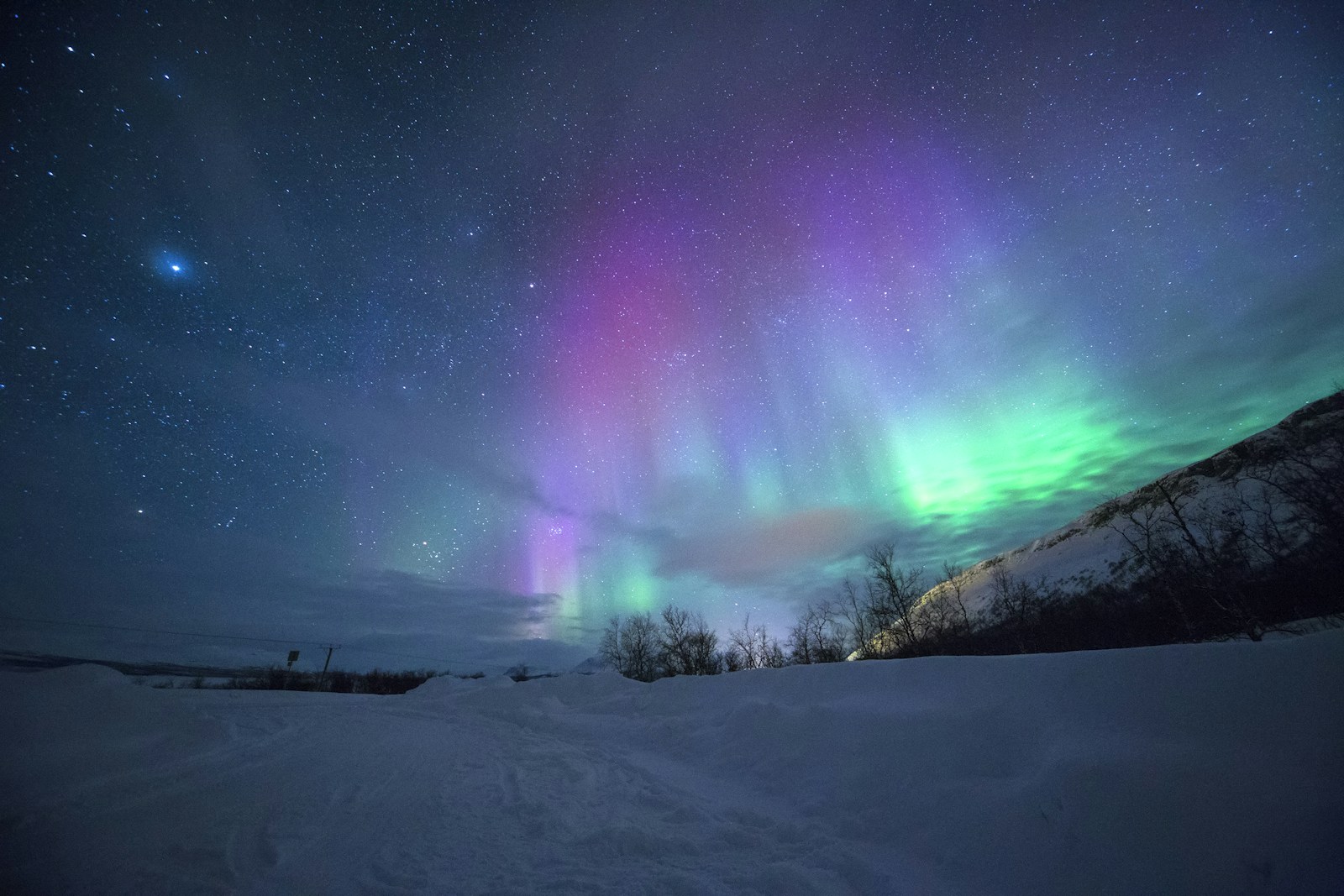
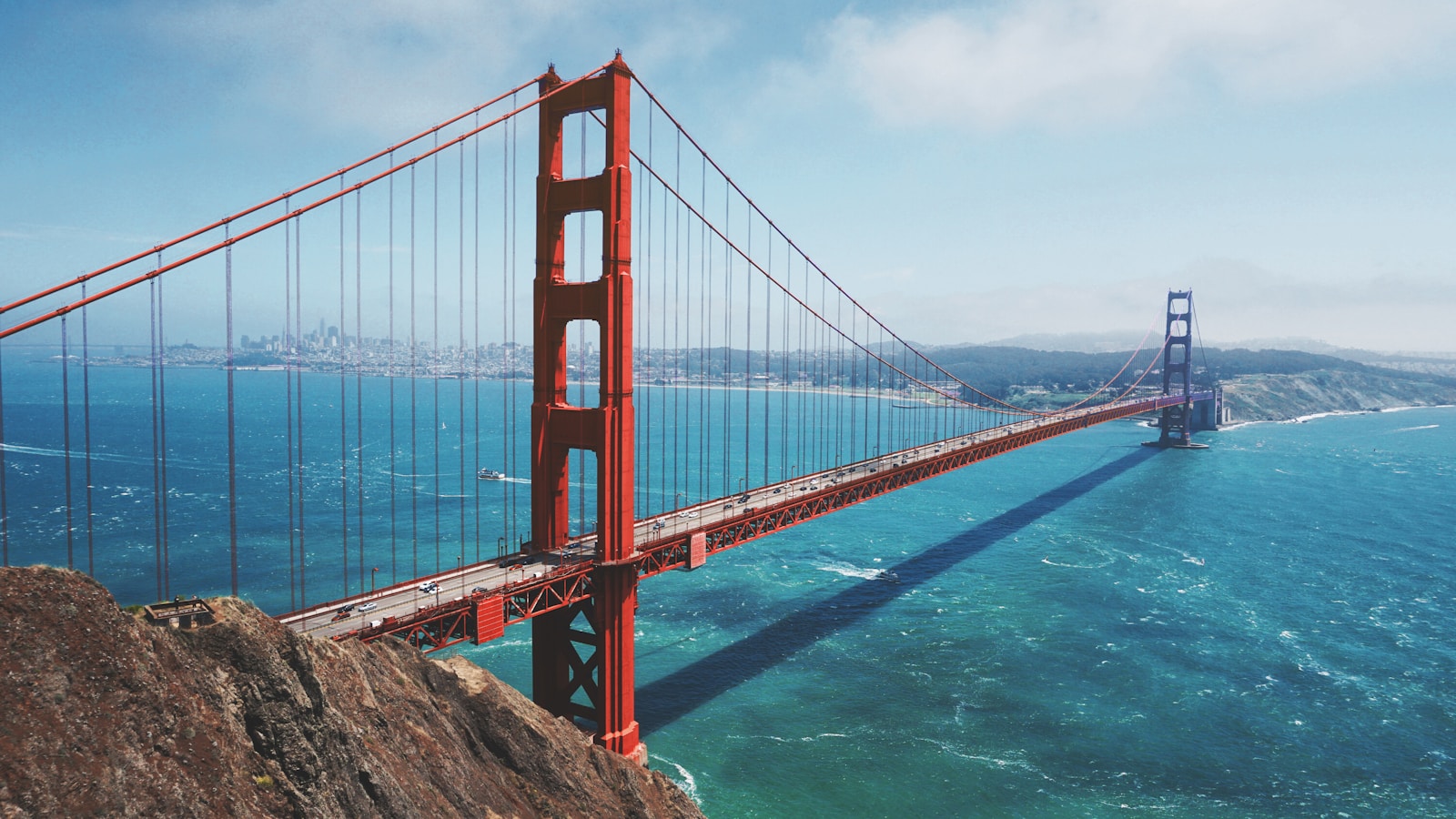
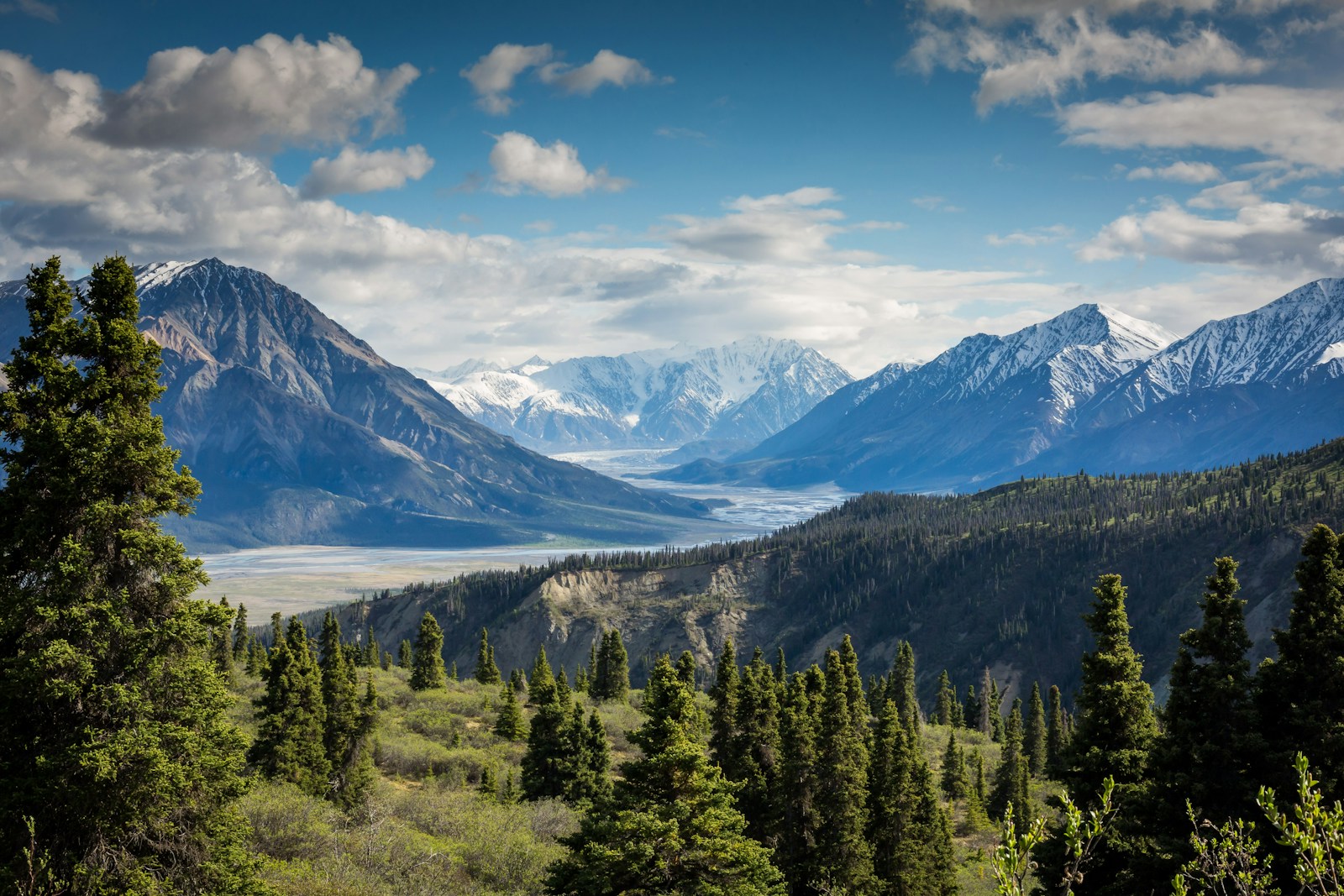
California, Oregon, Washington, Alaska, Hawaii. The Pacific states form America's most scenically diverse corridor — California's Yosemite, Big Sur, and Hollywood; Oregon's Crater Lake and Portland; Washington's Olympic rainforests and Seattle; Alaska's glaciers, bears, and aurora; Hawaii's active volcanoes and world-class surf. Summer is peak season everywhere except Hawaii, which is year-round.


Best Time to Visit the USA

The USA spans six time zones and essentially every climate on earth — when you visit depends entirely on where you're going.

🌸 Spring — March to May

The best season for the Southwest — Grand Canyon, Zion, and Sedona before summer heat. Also ideal for the Southeast (Charleston, Savannah, Great Smoky Mountains) and Texas Hill Country wildflowers (March–April). Washington DC's cherry blossoms peak late March. National park campgrounds book up fast for Memorial Day weekend — reserve early.

☀️ Summer — June to August

Peak season for Alaska, Montana, Wyoming, and the Pacific Northwest — short windows of access to the high country. National park roads open fully; wildflowers peak July. The Northeast and Great Lakes are in their finest form. Florida, the deep South, and the desert Southwest become brutally hot and humid — avoid or adjust your activity timing accordingly.

🍂 Fall — September to November

New England's fall foliage (peak late September–mid October) is one of travel's great natural spectacles — Vermont and New Hampshire deliver the finest color. The Southwest cools to its most pleasant temperatures. National park crowds drop sharply after Labor Day but most parks remain fully open. Ideal for road trips across Utah's canyon country, California's wine regions, and the Blue Ridge Parkway.

❄️ Winter — December to February

Florida, Hawaii, and Southern California are at their most appealing — warm, dry, and at peak snowbird season. Ski season opens across Colorado, Utah, Montana, and Vermont (December–March). The Southwest desert parks are cold but beautifully uncrowded. New Orleans' Mardi Gras season begins in January, building to its famous February crescendo. NYC at Christmas is genuinely magical.


USA Travel Tips for 2026


USA at a Glance

50
States
400+
National Parks
85M
Protected Acres
11
WC2026 Cities
90 days
ESTA Visa-Free
$80
Annual Park Pass
⚽ FIFA World Cup 2026

11 US Host Cities — Plan Your Match Trip

June 11 – July 19, 2026 · USA, Canada & Mexico · 48 teams · 104 matches

🗺️ How to Plan Your World Cup Trip

🎟️

Get Tickets First

Buy official FIFA match tickets at fifa.com/worldcup/tickets — resale prices will be 3–5× face value.

🏨

Book Hotels Now

Host city hotels are already filling up. Book 6–12 months in advance — stay outside the city for better rates.

✈️

Multi-City Strategy

Follow your team with open-jaw flights. A 3-week trip can cover 4–6 stadiums across the country.

📅

Add 2–3 Extra Days

Each host city deserves exploration beyond match day — build in time for food, sights, and local experiences.

🚆

Use Transit

All stadiums have public transit on match days. Driving and parking is a nightmare. Amtrak links Northeast cities.

🌤️

Check the Climate

June–July is hot in the South & SW. Dallas, Miami, Houston hit 90°F+. Seattle and SF Bay stay mild and cool.

⚽ View Full World Cup Guide — Groups, Timeline, FAQs & More →

Top Picks Across the USA

Best-rated destinations across all 50 states

Why Visit the USA in 2026?

2026 FIFA World Cup

The USA co-hosts the world's biggest sporting event across 11 American cities including New York, Los Angeles, Miami, Dallas and Seattle.

🇺🇸

250th Anniversary

America celebrates its 250th birthday (Semiquincentennial) on July 4, 2026 — historic events, exhibitions, and celebrations nationwide.

🏞️

National Parks 110th

The National Park Service marks 110 years in 2026 — special programming and free entrance days at over 400 parks across the country.

🌑

Solar Eclipse — Aug 12

A rare total solar eclipse crosses parts of North America on August 12, 2026 — best viewed from specific US locations.

✉️

USA Travel Inspiration

Weekly state guides, road trip routes, and national park tips delivered to your inbox.

No spam, ever. Unsubscribe anytime.

Step 1 of 4
💰

What's your budget?

🗺️

What kind of trip?

🌤️

Preferred climate?

🗓️

How long is your trip?