Southwest
🏜️ Arizona
📍 Grand Canyon & Sedona · United States
📍 Grand Canyon & Sedona · United States
🏛 Grand Canyon South Rim
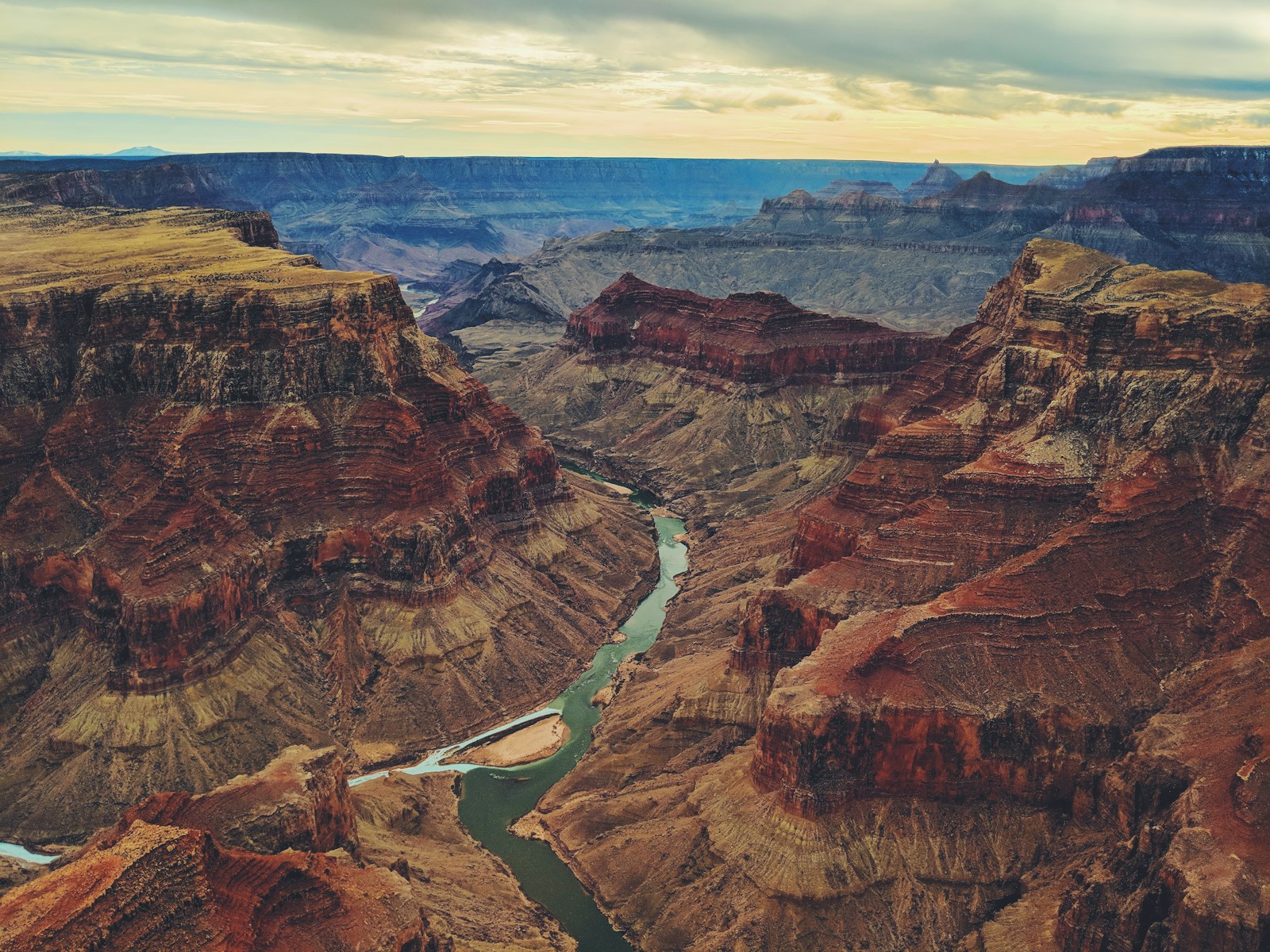
Arizona is America's natural cathedral — a state where geology writes in colours and scales that seem impossible until you're standing in front of them. The Grand Canyon is the most famous, and justifiably so: 277 miles long, 18 miles wide at its broadest, and over a mile deep, carved by the Colorado River over 5–6 million years through 2-billion-year-old rock. The view from the South Rim at sunrise — the canyon filling with shadow and then slowly igniting in shades of orange, red, and purple — is one of the genuinely unmissable experiences of North American travel.
Sedona, two hours south of the Grand Canyon, is a different kind of spectacular — a red rock landscape of soaring buttes, mesas, and spires rising from juniper woodland. The Cathedral Rock, Bell Rock, and Courthouse Butte hikes are accessible and rewarding; more serious hikers tackle the Schnebly Hill Road and the Wilson Mountain Trail for the finest panoramas. Sedona's vortex sites attract those seeking spiritual energy as much as hikers seeking views, giving the town an unusual blend of adventure tourism and New Age culture.
Antelope Canyon, on Navajo Nation land near Page, is the world's most photographed slot canyon — the undulating orange sandstone walls and the light beams that pierce the narrow opening create images of extraordinary beauty. Access is by guided tour only; morning tours (10am–noon in summer) offer the best light beams. Horseshoe Bend, 3 miles away, is a 270-degree meander of the Colorado River in a 1,000-foot deep sandstone canyon — one of the American West's most iconic images, reached via a 1.5-mile round-trip walk.
The Sonoran Desert around Tucson hosts Saguaro National Park — the only place on earth where the giant saguaro cactus grows naturally, some of them over 200 years old. Tombstone, Bisbee's Victorian mining town, and the cliff dwellings of Tonto Natural Bridge add historical depth. Visit October–April for the most comfortable desert temperatures.
Practical planning for Arizona: the best time to visit is season-dependent, with a typical budget level of mid-range. Most travellers need three to five full days to cover the highlights without rushing — add extra time if you are combining Arizona with nearby regions.
Priority experiences include local food, culture, and outdoor experiences. Do not miss the main sights and neighbourhoods.
Getting there: fly into the nearest major airport serving Arizona and rent a car if you plan to visit national parks or small towns — many US states are car-dependent outside city centres. Book national park entry (where timed reservations apply) and popular trail permits as early as possible. Travel insurance covering rental car excess and medical care is recommended for domestic trips with adventure activities.
Where to stay: choose a base near your top priority — a gateway town for parks, a walkable downtown for cities, or a coastal hub for beach regions. Shoulder seasons around spring and fall usually offer better availability and lower lodging prices than peak summer or holiday weeks.
National park circuit road-trippers doing the Arizona loop, geology and photography enthusiasts, Antelope Canyon light-beam photographers, families targeting the Grand Canyon as a bucket-list American destination, and hikers targeting Zion–Bryce–Grand Canyon in sequence.
Compare prices and book your trip — hotels, flights, and guided tours.
* Links open partner sites. We may earn a commission at no extra cost to you. See our editorial policy.