🍽️ Culinary Travel 2026

World's Best
Food Cities

The destinations where eating IS the experience — from street-cart masterpieces to Michelin temples

Explore the Rankings ↓
↓ scroll

When Eating IS the Destination

Food is the oldest form of travel writing — every culture, every geography, every moment in history has left its trace in what people grew, cooked, and shared. To eat in a city is to understand it in a way that no museum or monument can replicate. The flavors of Bangkok's street carts record centuries of Chinese immigration and Siamese trade routes. A bowl of Lima ceviche speaks to the collision of Pacific currents, Andean civilization, Japanese technique, and Spanish colonialism. A Parisian croissant carries the fingerprints of Viennese bakers, 19th-century industrialization, and a national obsession with precision that shaped Western cuisine as a whole.

The cities on this list were not chosen for the density of Michelin stars alone. The criteria that matter: Can you eat extraordinarily for $5? Does the food culture belong to everyone, or only to those who can afford it? Are the best meals rooted in place — ingredients and techniques specific to this geography, this history, this community — or do they mimic a global template? Does the city reward the curious eater who ventures beyond the tourist district? By these measures, the rankings below represent the eight cities on Earth where food travel is most richly rewarded.

What unites all eight cities is a quality best described as culinary density: the concentration of excellent food per square kilometre is so high that it is almost impossible to eat badly if you are paying the slightest attention. In Tokyo, even the convenience store onigiri is made to a higher standard than most restaurant food elsewhere in the world. In Singapore, the Michelin inspector and the construction worker eat the same chicken rice from the same stall. That democratic seriousness — the idea that everyone deserves excellent food, that quality is not a luxury — is the defining characteristic of the world's great food cities.

Best Food City For…

🛺

Street Food

Bangkok & Singapore

24-hour street carts and UNESCO-listed hawker centres where Michelin-quality meals cost $2–4.

Fine Dining

Tokyo & Lima

More Michelin stars per capita than anywhere, plus the world's most exciting tasting menus at Central and Narisawa.

💰

Budget Travel

Bangkok & Istanbul

Extraordinary meals for under $5. Bangkok's morning markets and Istanbul's lokanta set the global budget standard.

🥗

Vegetarian

Istanbul & Marrakech

Meze culture and tagine traditions built on legumes, vegetables, and spices — meat-free eating is richly supported.

🌊

Seafood

Lima & Barcelona

Humboldt Current ceviche and Catalan arrós negre — two coastlines, two of the world's great seafood traditions.

🍷

Wine & Culture

Paris & Barcelona

Natural wine bars, century-old bodegas, and bistro culture that invented how the Western world eats out.

Culinary Travel Tips

01

Eat Where Locals Eat

The presence of local customers — especially at off-peak hours — is the single best indicator of food quality. A street stall with a queue of construction workers at 7am outranks any place with a laminated tourist menu.

02

Book Ahead for Top Restaurants

Tokyo's best sushi counters and Lima's Central require reservations months in advance. Research your top dining targets before you book flights, not after you land. Many require contacting through a hotel concierge.

03

Eat the Main Meal at Lunch

In Paris, Barcelona, Istanbul, and Lima, lunch is the main meal. Set lunch menus at serious restaurants offer three courses for 30–50% of dinner prices. This is how locals eat — it's also how you afford to eat well every day.

04

Visit the Markets First

Morning food markets tell you what's in season, what the city considers quality, and what a skilled home cook would buy. Tsukiji, Or Tor Kor, Surquillo, and Marché d'Aligre are essential first stops — even if you're not cooking.

05

Learn the One Dish

Every great food city has a dish that unlocks the whole culture. Ramen in Tokyo, ceviche in Lima, chicken rice in Singapore, ceviche in Lima. Seek out the best version of the defining dish first — it calibrates your palate for everything that follows.

06

Carry Cash for Street Food

The best street food vendors and market stalls operate cash-only. Bangkok carts, Istanbul simit vendors, Marrakech spice stalls, Tokyo ramen counters — have local currency available and in small denominations. Card readers are still rare at the best places.

8
Cities Ranked
$2
Minimum Great Meal
300+
Michelin Stars (Tokyo alone)
6
Continents Represented
3
World's 50 Best in Lima
Tokyo food scene
#1
9.8

🗼 Tokyo

📍 Japan

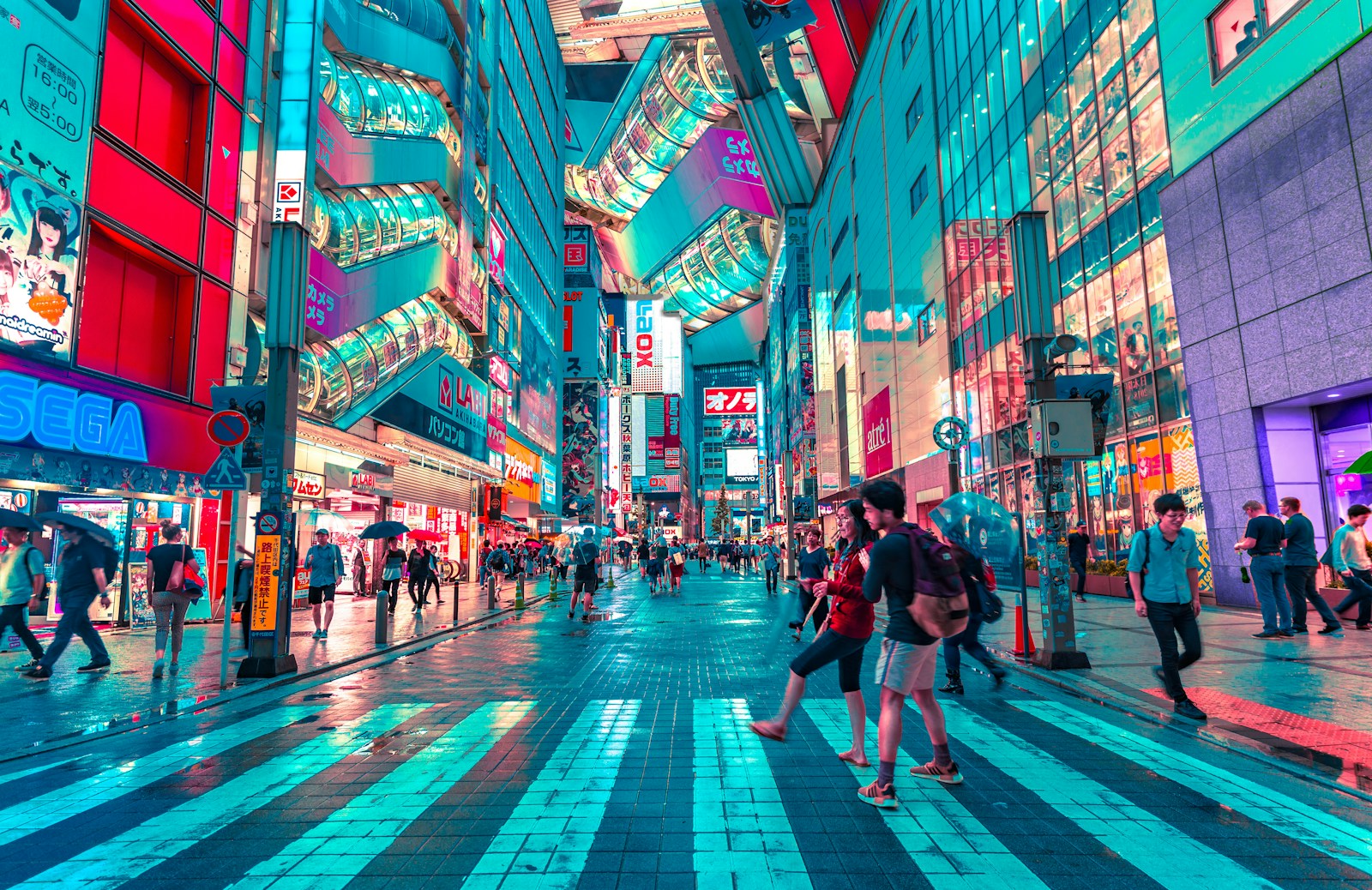
Tokyo has more Michelin-starred restaurants than any city on Earth — yet its greatest meals cost under $10 in a steaming ramen alley. From sushi temples in Ginza to $1 yakitori stalls under the train tracks, this is the world's most complete food city.

No city on Earth rewards culinary curiosity like Tokyo. With more Michelin-starred restaurants than Paris, New York, and London combined, it represents the absolute summit of formal dining — yet the most transcendent meals often cost less than a New York subway ride. A bowl of tonkotsu ramen ladled from a stock that has been simmering for 48 hours, eaten at a 10-seat counter in Shinjuku Golden Gai, is as technically accomplished as anything served under a chandelier in Ginza. Tokyo's genius is in applying Japanese precision and dedication to every level of food, from street cart to three-star temple.

The city's food geography rewards exploration across its 23 wards. Tsukiji's outer market still hums at dawn with maguro vendors and tamagoyaki stalls, while the inner market relocation to Toyosu hosts the world's most theatrical tuna auctions. Depachika — the basement food halls of department stores like Isetan in Shinjuku or Mitsukoshi in Ginza — are overwhelming in the best possible way: walls of artisan bento, seasonal wagashi sweets, aged sake, and imported cheeses assembled with the seriousness of a museum curation. Spending an afternoon eating your way through a depachika is one of Tokyo's great free pleasures.

The izakaya tradition — Japan's answer to the gastropub — is where Tokyo residents actually eat most evenings. Yakitori counters in Yurakucho beneath the train tracks fill with salarypeople eating charcoal-grilled chicken skewers and drinking cold Sapporo after work. Standing sushi counters in Shibuya let you eat omakase-quality nigiri for ¥3,000. Conveyor belt sushi (kaiten-zushi) chains like Sushiro and Kura offer surprisingly high-quality fish for budget travelers. The city's sheer density means that on almost any street in any neighbourhood, something extraordinary is being cooked within 50 metres.

Practical planning: Book the very top restaurants (Sukiyabashi Jiro, Saito, Nakamura Tokichi) months in advance — many require reservations through a hotel concierge. For budget eating, Shimokitazawa has excellent cheap curry and ramen; Koenji is great for izakayas. Breakfast in Japan deserves more attention than tourists give it — a traditional Japanese breakfast set at a ryokan or an 800-yen tamago-kake gohan at a kissaten (old-style coffee shop) is one of the world's great morning rituals. Get a Suica card and eat on the move.
🍴 Signature: Ramen & Omakase Sushi 📍 Best area: Shinjuku Golden Gai
RamenSushiIzakayaYakitori
Explore Tokyo →
Singapore food scene
#2
9.7

🌃 Singapore

📍 Singapore

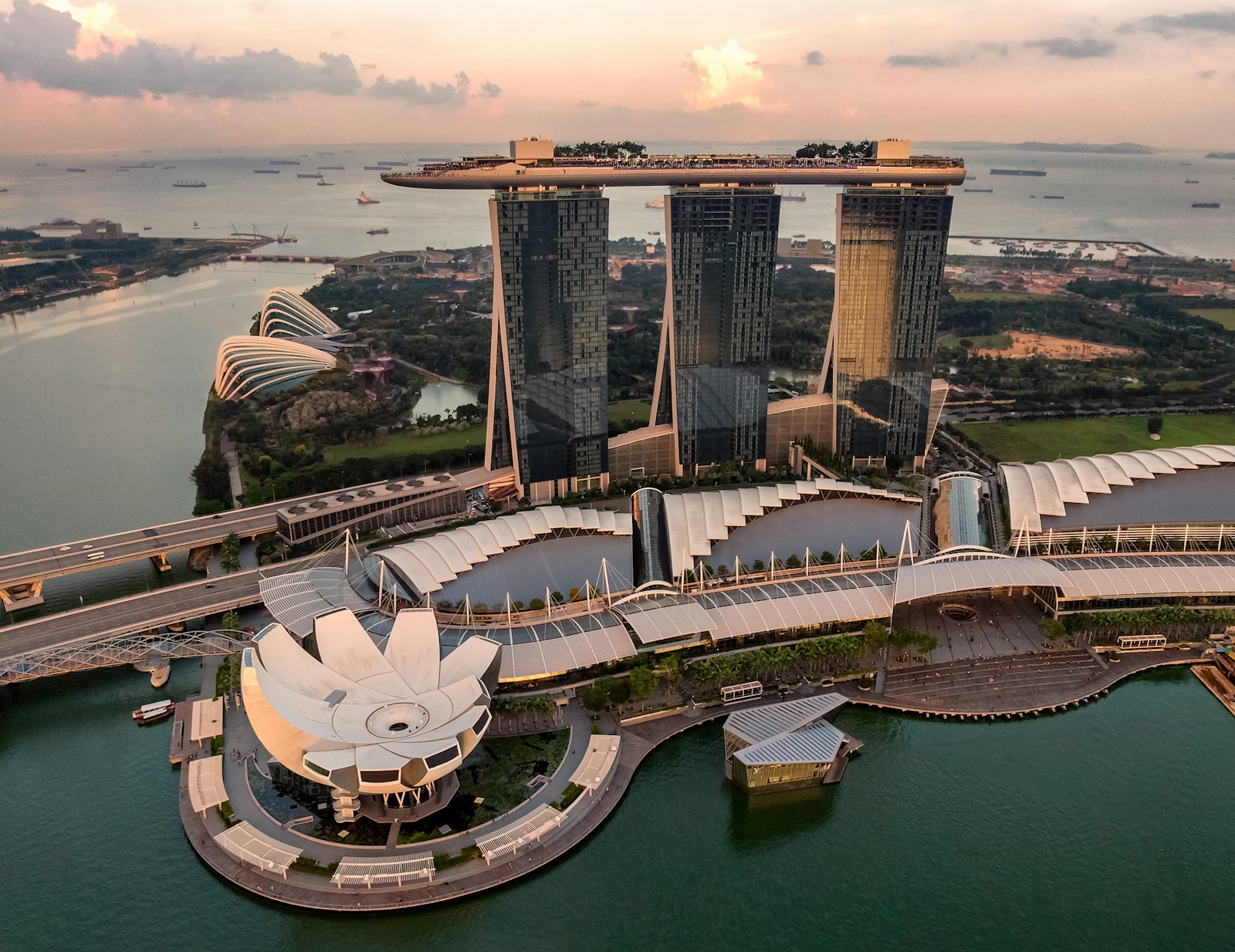
Singapore's hawker centres are UNESCO-listed culinary heritage — open-air food courts where $3 plates of Michelin-quality food are an everyday reality. Chinese, Malay, Indian, and Peranakan cuisines fuse in ways found nowhere else on Earth.

In 2020, UNESCO added Singapore's hawker culture to its Intangible Cultural Heritage list — the first time a food culture achieved this recognition. The designation honored not just the food itself but the social institution: open-air food centres where every income level, ethnicity, and age group eats side by side on plastic stools under ceiling fans. A $3 plate of Hainanese chicken rice from a stall where the uncle has been perfecting the same recipe for 40 years is, by any measure, one of the world's great dining experiences. The food is Michelin-quality; the atmosphere is irreplaceable.

Singapore's food identity is the product of its immigrant history. The Chinese brought Hokkien mee, bak kut teh, and char kway teow. The Malay community contributed nasi lemak, satay, and rendang. The Tamil Indian diaspora gave Singapore its curry fish head, roti prata, and biryani. And the Peranakan (Straits Chinese) community — descendants of Chinese immigrants who intermarried with local Malays centuries ago — created laksa, otak-otak, and kueh: a cuisine found in this form only in Singapore and Penang. Every hawker centre is a microcosm of this pluralism; you can eat four countries in forty minutes without leaving your seat.

The specific temples worth making a pilgrimage to: Maxwell Food Centre for Tian Tian Hainanese Chicken Rice (the stall Barack Obama visited in 2009, still the best in the city). Lau Pa Sat's satay street after dark — dozens of satay stalls grilling over charcoal in an 1894 cast-iron market. Newton Circus for chilli crab, though it's more tourist-facing than Maxwell. East Coast Lagoon Food Village for barbecued stingray and satay by the sea. Old Airport Road Food Centre for the most authentic hawker experience with the fewest tourists.

Practical planning: Avoid restaurant districts near Marina Bay Sands and Orchard Road unless you want to pay European prices for mediocre food. The chilli crab (from Long Beach or No Signboard) and black pepper crab are genuinely worth the splurge at around SGD$80 for two. Use the food app "Burpple" to find current hawker stall recommendations. Singapore is searingly hot; embrace cold Tiger beer, fresh coconut water, or sugar cane juice from street vendors. Dining at 11am and 6pm avoids hawker centre queues.

🍴 Signature: Hainanese Chicken Rice & Chilli Crab 📍 Best area: Maxwell Food Centre
Hawker CentresLaksaDim SumChilli Crab
Explore Singapore →
Bangkok food scene
#3
9.6

🛺 Bangkok

📍 Thailand

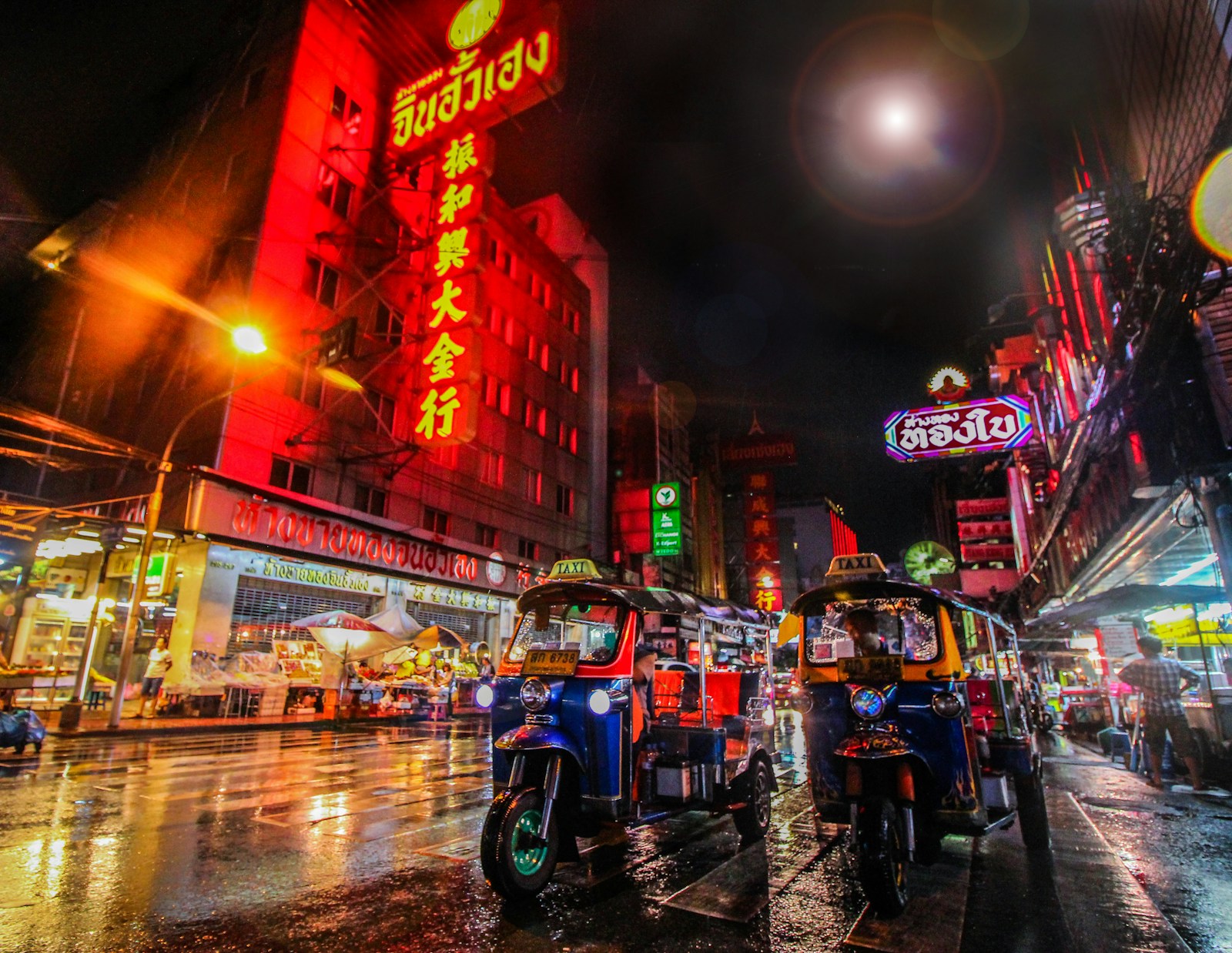
Bangkok's street food scene runs 24 hours. The city's Chinatown district (Yaowarat) is one of the world's great eating streets — grilled seafood, roast duck, and mango sticky rice served from carts that have operated for generations.

Bangkok is where street food culture reaches its most exhilarating expression. The city's 10 million residents eat outdoors constantly — breakfast from rice congee carts at 6am, pad see ew from a wok-fired cart at noon, grilled pork skewers from a motorcycle vendor at 2am. The street food ecosystem is not a tourist attraction bolted onto the city; it is the city's primary food infrastructure, used by everyone from students to executives. This ubiquity is what makes Bangkok's food so extraordinary: fierce competition and generations of refinement have turned simple dishes into masterworks of balance and technique.

Yaowarat, Bangkok's Chinatown, transforms after dark into one of Asia's great food streets. Roast duck and char siu pork hang in lit windows; stalls grill enormous tiger prawns and mud crabs over charcoal; vendors sell shark fin soup and bird's nest from establishments that have occupied the same sidewalk spot for decades. Mango sticky rice — glutinous rice cooked in coconut milk, topped with ripe mango and a drizzle of salted coconut cream — achieves here a perfection no other city has matched. The Michelin Bib Gourmand has recognised multiple Yaowarat stalls, including the legendary Jay Fai, famous for her $50 crab omelette (and the two-hour queue to eat it).

Beyond Chinatown: Or Tor Kor market near Chatuchak is arguably the finest fresh produce market in Southeast Asia, where upper-class Thais buy their fruit and the durian selection alone is worth the trip. Chatuchak Weekend Market's food section feeds 200,000 visitors on Saturdays. The floating markets (Amphawa, Damnoen Saduak) are touristy but the boat-side food is authentic. For the serious food traveler, a morning at Khlong Toei market — Bangkok's main wholesale market — is an overwhelming, intoxicating education in Thai ingredients: galangal, kaffir lime leaves, fresh turmeric, nam prik pastes ground in mortar and pestle before your eyes.

Practical planning: Bangkok street food is safe — vendors cooking over extreme heat kill bacteria, and the high turnover means nothing sits. Look for the longest queue of locals, not the most English-language signage. The Grab app is essential for reaching food neighbourhoods efficiently. Learn to order by pointing; most stall vendors speak minimal English but will understand. For spice heat, say "pet nit noi" (a little spicy) if you're cautious, or "pet mak" (very spicy) if you want the real version. Budget travelers can eat extraordinarily well for $10-15 a day; a full curry and rice plate at a morning market costs about 50 Baht ($1.40).

🍴 Signature: Pad Thai & Som Tum 📍 Best area: Yaowarat (Chinatown)
Street FoodPad ThaiNight MarketsSom Tum
Explore Bangkok →
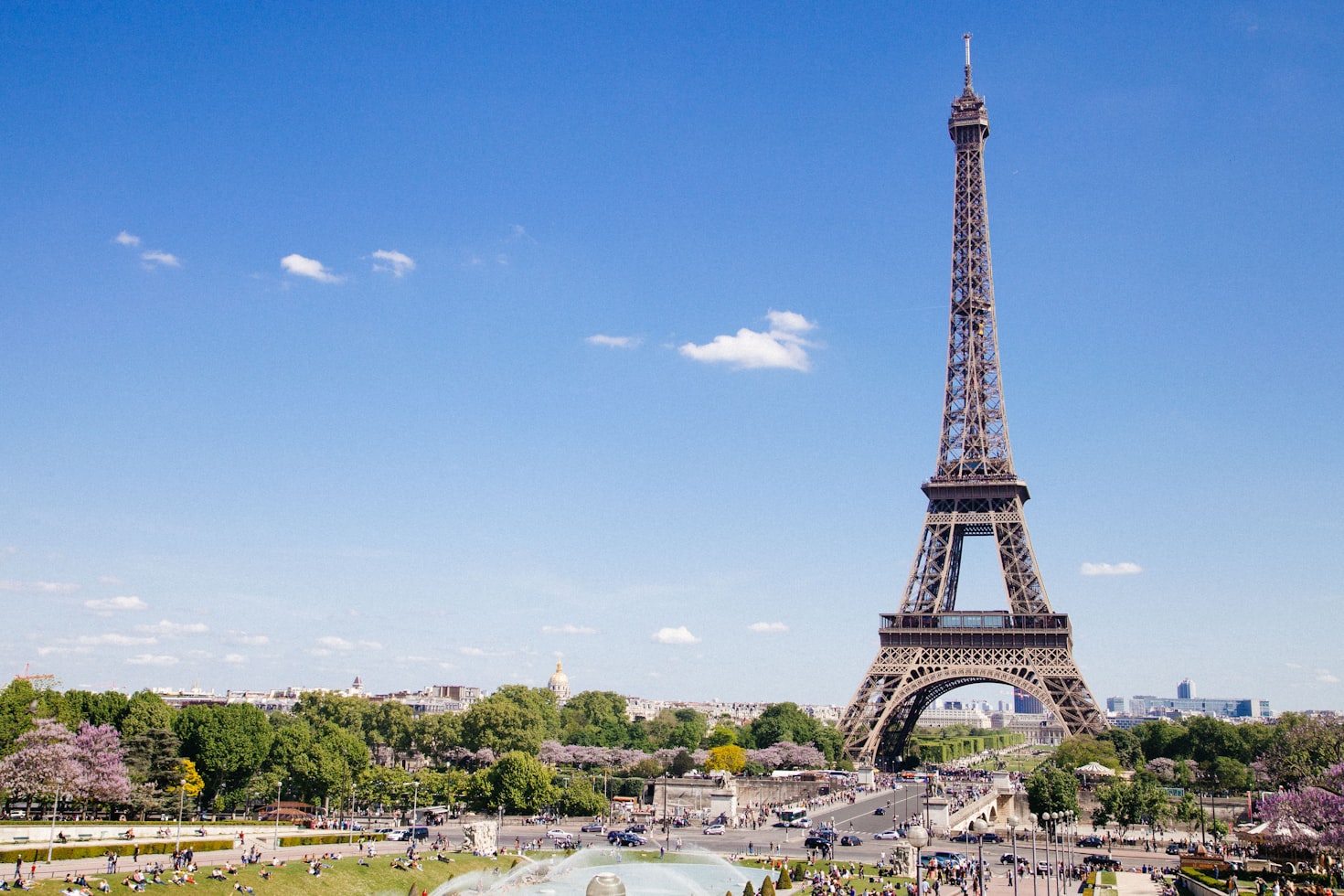
Paris food scene
#4
9.5

🗼 Paris

📍 France

Paris invented the restaurant. From flaky croissants at dawn to multi-course bistro dinners, food is embedded in Parisian identity. Le Marais blends modern Jewish delis with avant-garde natural wine bars — a neighbourhood that defines Paris at its edible best.

Paris did not just invent great food — it invented the concept of the restaurant itself. When the French Revolution dismantled the aristocratic household system in the 1790s, the chefs who had cooked for nobles opened their own establishments and served the public from printed menus at fixed prices. The word "restaurant" (from the French "restaurer," to restore) was born here, as was the entire vocabulary of professional cooking that now governs kitchens worldwide: brigade system, mise en place, sauce mother, chef de cuisine. To eat in Paris is to participate in a 250-year-old institution.

The daily rituals of Parisian food culture are as meaningful as the formal restaurants. A proper croissant — made with European butter at 84% fat content, laminated through 27 precise folds to create 729 gossamer layers — consumed standing at a zinc bar with an espresso, is one of gastronomy's perfect moments. The Saturday morning market at Marché d'Aligre in the 12th arrondissement, where Parisians argue over the quality of chèvre and the correct ripeness of a Roquefort, represents a relationship to ingredients that most food cultures have lost. The patisserie traditions of Pierre Hermé, Cédric Grolet, and Yann Couvreur are as technically demanding as haute cuisine.

Le Marais has evolved into Paris's most compelling food neighbourhood. The ancient Jewish quarter around Rue des Rosiers still has L'As du Fallafel — the best falafel outside of Tel Aviv — alongside Mizrahi-style hummus and bourekas. Natural wine bars like Le Verre Volé and Septime Cave have made Le Marais the center of France's natural wine revolution. The neighbourhood's Vietnamese community runs some of Paris's best bánh mì shops and pho counters. Modern Parisian bistronomy — serious food in casual settings — was largely invented here by chefs like Yves Camdeborde and Bertrand Auboyneau in the 1990s, and continues to define how France eats today.

Practical planning: Always book dinner in advance, even at seemingly casual bistros; Parisians eat late (8-10pm) and restaurants fill. The menu du jour (set lunch) at serious restaurants offers extraordinary value — three courses for €25 that might cost €80 at dinner. Never eat on the Champs-Élysées or within 200 metres of the Eiffel Tower. Cheese shops (fromageries) require a visit even if you're not buying — the encyclopedic variety is educational. For budget eating, boulangeries sell sandwiches at €5-6 that are vastly better than any sandwich anywhere else. French service is formal by design, not rude; learning "s'il vous plaît" and "l'addition, s'il vous plaît" (the bill, please) goes a long way.

🍴 Signature: Croissants & Boeuf Bourguignon 📍 Best area: Le Marais
PatisseriesBistrosFine DiningWine
Explore Paris →
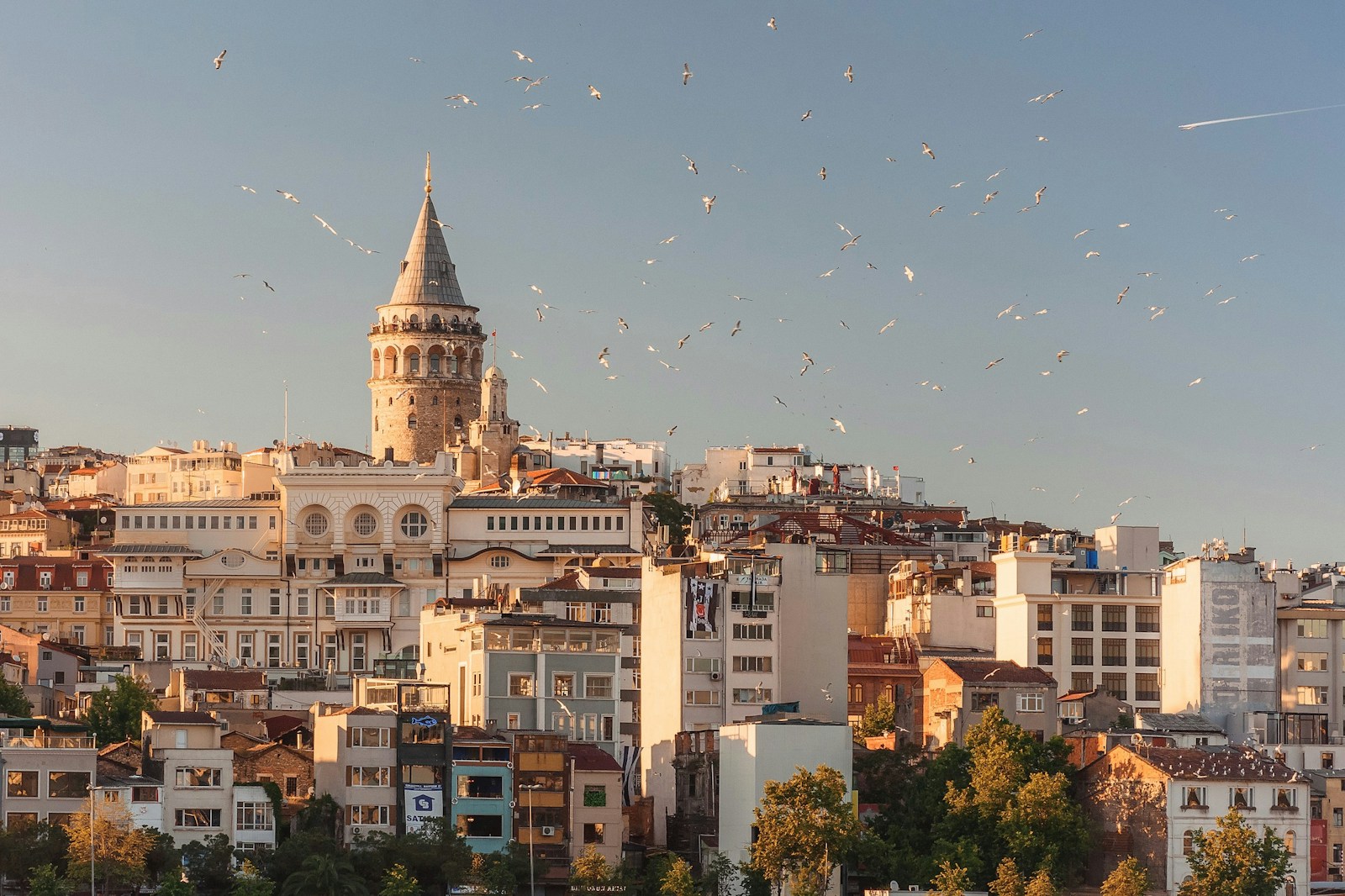
Istanbul food scene
#5
9.4

🕌 Istanbul

📍 Turkey

Istanbul sits where East meets West — and where two continents share a meal. The spice bazaar perfumes the air; ferries carry commuters munching simit rings; and meyhanes pour raki alongside endless plates of mezze until midnight.

Istanbul has been a food city for 2,500 years. As the capital of the Byzantine and then Ottoman empires, it was the node through which the spice trade passed, the city where Silk Road ingredients from Central Asia met Mediterranean olive oil and Aegean seafood. The result is a cuisine of extraordinary layering: yogurt, lamb, eggplant, bulgur, and the entire pantry of the Middle East combined with the flatbreads of the Anatolian plateau and the fermented flavors of the Caucasus. Ottoman palace cuisine — still served in a few historic restaurants near Topkapi — is one of the world's great forgotten culinary traditions, as sophisticated as French haute cuisine but far less internationally known.

The city's most democratic food may be the simit — a circular sesame-encrusted bread ring that costs almost nothing and is eaten by everyone, everywhere, at any time of day. Commuters on ferries eat them; children buy them from orange carts on every corner; office workers eat them for breakfast with white cheese and tea. Alongside simit, the Turkish breakfast (kahvaltı) is a revelation: an event rather than a meal, built from 20+ small dishes — white cheese, olives, honey, clotted kaymak cream, eggs, sucuk sausage, tomatoes, cucumbers, multiple jams — shared communally over several hours and endless glasses of tea. Van-style and Bosphorus-side breakfast spots are essential Istanbul experiences.

The meyhane tradition — Istanbul's raki-and-mezze tavern culture — is where the city really exhales. These establishments, concentrated in Beyoğlu and Karaköy, serve dozens of cold and hot mezze (octopus, stuffed mussels, white bean salad, fried liver, börek) alongside raki, an anise-flavored spirit that turns milky white when water is added. Meals here last three to four hours and are social theater as much as dining. In Eminönü by the Galata Bridge, the balık-ekmek stalls (mackerel sandwiches made fresh on boats moored in the Golden Horn) are one of the world's great cheap street foods: grilled fish, raw onion, and parsley in a bread roll for 30 lira.

Practical planning: The Egyptian Spice Bazaar (Mısır Çarşısı) in Eminönü is excellent for dried figs, apricots, Turkish delight, and spice blends — buy from the interior stalls, not the tourist-facing entrance. Avoid restaurants in Sultanahmet (the tourist center); cross the bridge to Karaköy and Beyoğlu for genuinely local eating. Lokanta (traditional lunch-only restaurants) serve home-style Turkish food for around 150 lira per person — look for handwritten signs and no English menu. For baklava, Güllüoğlu near the Spice Bazaar is the standard-bearer. Tipping is appreciated (10-15%) but not mandatory.

🍴 Signature: Doner Kebab & Baklava 📍 Best area: Karaköy & Eminönü
KebabsMezzeBazaar SpicesBaklava
Explore Istanbul →
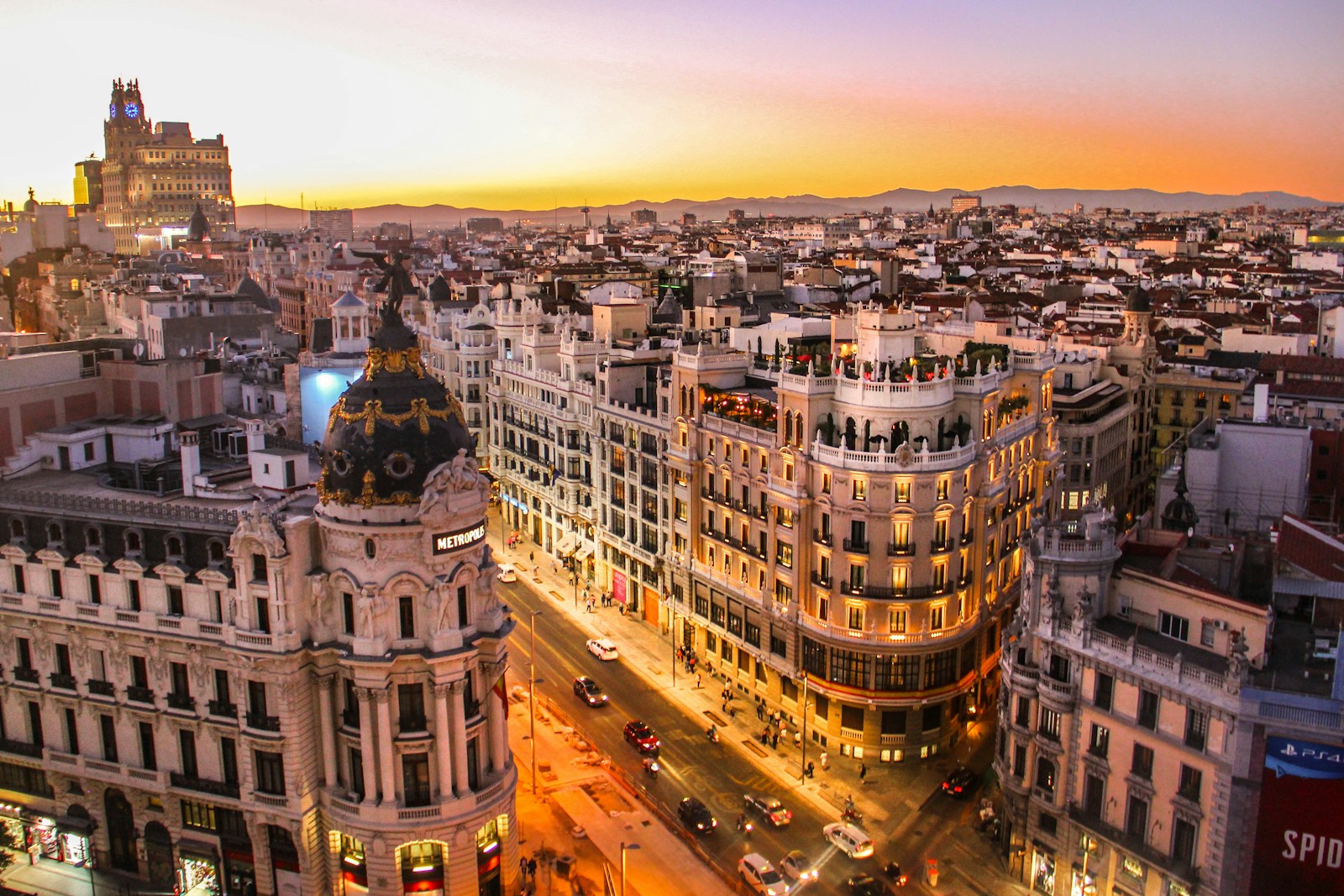
Barcelona food scene
#6
9.3

🎨 Barcelona

📍 Spain

Barcelona's La Boqueria market is one of Europe's great food temples. But the real magic is in tiny tapas bars in El Born where jamón ibérico and pan con tomate cost €2 and taste transcendent. Catalunya has more Michelin stars per capita than almost anywhere.

Catalan food culture is not Spanish food culture with a regional accent — it is a distinct culinary tradition with its own ingredients, techniques, and identity that predates the Spanish state by centuries. Pa amb tomàquet (bread rubbed with ripe tomato and olive oil) is perhaps the world's simplest and most perfect food; the romesco sauce of roasted nuts, peppers, and tomatoes that accompanies calçots (spring onions) every February is a flavor unlike anything in French or Spanish cooking; fideuà (a paella made with noodles instead of rice, invented by accident in a fishing village) demonstrates the Catalan genius for improvisation. Understanding that Barcelona's food is specifically Catalan, and being curious about that distinction, unlocks a far richer culinary experience.

La Boqueria market on Las Ramblas is one of Europe's most photogenic food spaces, but it requires navigation. The front stalls near the entrance are a tourist trap: overpriced fruit bowls and Iberian ham cut in front of camera-wielding visitors. The genuine La Boqueria is in the market's interior, where Barcelonans actually shop — fish stalls with the morning's catch, wild mushroom vendors stacking seasonal bolets, charcuterie counters aging house-made botifarra sausage. The market's best meal is at Pinotxo Bar, a standing counter near the entrance where Juanito has served the same chickpea-and-blood-sausage breakfast and slow-cooked chickpea stews for decades. Arrive before 10am.

The tapas culture demands explanation: in Barcelona, what you're often eating are actually pintxos (small snacks on bread) or platos to share, not the traditional small portion tapas of Madrid. The distinction matters because the etiquette is different — in Barcelona's El Born neighborhood, you typically order a round of dishes, share everything, and stand at the bar rather than sitting. Jamón ibérico de bellota (acorn-fed black-footed pig, cured for three years) needs no sauce or accompaniment; a slice of it with a glass of cold Cava is one of Europe's essential food experiences. Bar Marsella in El Raval and El Xampanyet in El Born are institutions.

Practical planning: Lunch (2-4pm) is the main meal in Barcelona — find the menú del día (set lunch menu) at local restaurants for €12-15, typically three courses with wine. Dinner starts genuinely late: 9pm is early, 10pm is normal. Paella is a tourist item in Barcelona — the real paella is from Valencia; in Barcelona, order fideuà or arrós negre (black rice with squid ink) instead. Avoid seafood restaurants on La Barceloneta's main tourist strip; walk two blocks inland. Bodegas (traditional wine shops doubling as bars, often very old) in Gràcia and Sarrià neighborhoods serve vermouth and anchovies in the pre-lunch ritual that Barcelonans call "la hora del vermut."

🍴 Signature: Tapas & Paella Valenciana 📍 Best area: La Barceloneta & El Born
TapasPaellaLa BoqueriaCava
Explore Barcelona →
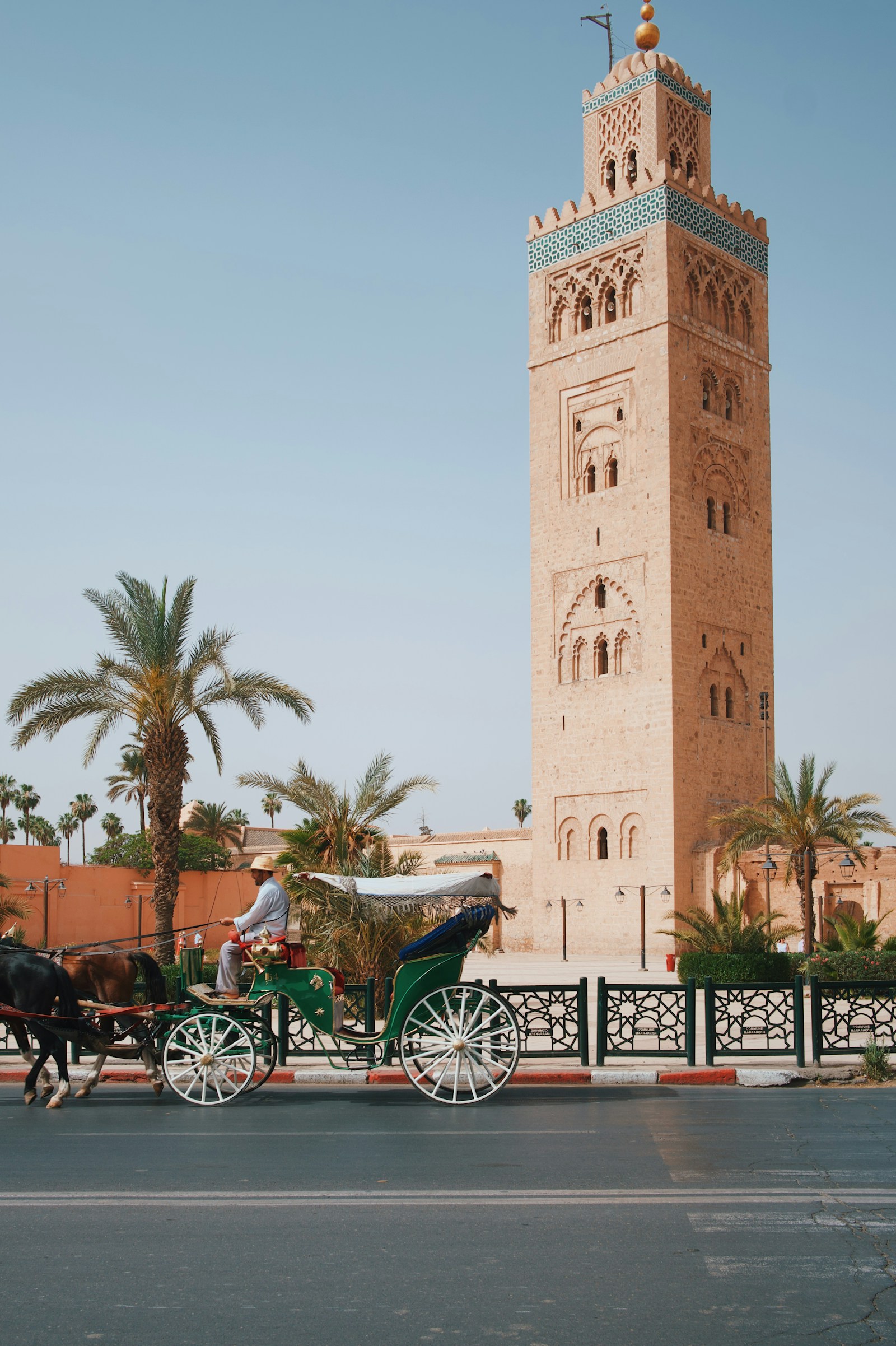
Marrakech food scene
#7
9.2

🏮 Marrakech

📍 Morocco

Djemaa el-Fna square transforms at dusk into the world's greatest outdoor food theatre — snake charmers, storytellers, and hundreds of smoky food stalls all compete for your attention. Slow-cooked tagines with preserved lemon and olives are the city's edible soul.

Moroccan cuisine is the product of extraordinary cross-cultural accumulation. The Berber people of the Atlas Mountains contributed slow-cooked tagine techniques, couscous, and the central role of preserved lemons and olives. Arab conquerors brought almonds, saffron, cinnamon, ginger, and the tradition of combining sweet and savory that defines Moroccan meat dishes. Andalusian Muslims expelled from Spain in 1492 brought their sophisticated urban food culture, fruit preserves, and pastry traditions. Sub-Saharan Africa contributed the deeper spice layers and harissa heat. The result is one of the world's most complex flavor systems — ras el hanout, a spice blend that can contain 30+ ingredients, is Moroccan cuisine's signature and is used differently in every city in the country.

The tagine — both the conical clay vessel and the slow-braised dish cooked inside it — is Moroccan cooking's most iconic element, and eating one in Marrakech is nothing like eating its foreign approximations. A proper tagine of lamb with prunes and almonds, cooked over charcoal for three hours in a clay pot sealed with dough until the lid is lifted tableside, achieves a tenderness and aromatic depth that is impossible to replicate quickly. Chicken with preserved lemon and green olives. Beef with caramelized onions and hard-boiled eggs. Vegetable tagines layered with chickpeas, root vegetables, and spiced tomato. Each is a meditation on patience and heat. The pastilla (or b'stilla) — a flaky pastry filled with pigeon or chicken, almond, egg, and dusted with cinnamon and powdered sugar — is the dish that most shocks and converts visitors who assume it cannot work.

Djemaa el-Fna, the central square of Marrakech's medina, is classified by UNESCO as an Intangible Cultural Heritage. By day it hosts snake charmers, Gnawa musicians, and orange juice vendors; at dusk it transforms into the world's most theatrical outdoor restaurant. Hundreds of food stalls materialize from nowhere, their vendors calling out in a dozen languages, smoke from charcoal grills drifting over the crowd. The quality varies — snail soup stalls alongside grilled lamb chops alongside couscous and pastilla — but the experience of eating here among thousands of Moroccans and travelers is irreplaceable. The better food is at the north end of the square and in the surrounding derbs (small alleyways).

Practical planning: Riad restaurants (dining rooms inside restored traditional courtyard houses) often serve better food than the Djemaa el-Fna stalls and are worth the higher prices for a special evening. Look for local restaurants in the northern medina near Bab Doukkala — less tourist-facing, more authentic. Vegetarians are genuinely well-served by Moroccan cuisine: zaalouk (smoked eggplant), briouats (fried cheese pastry), and bissara (fava bean soup) are among the best dishes. Mint tea is served at the beginning and end of every negotiation and meal — refusing it is considered impolite, and pouring it yourself from a height (to aerate) is the correct technique. Tipping 10% is customary.

🍴 Signature: Tagine & Pastilla 📍 Best area: Djemaa el-Fna Square
TagineMint TeaSpice MarketsCouscous
Explore Marrakech →
Lima food scene
#8
9.1

🌊 Lima

📍 Peru

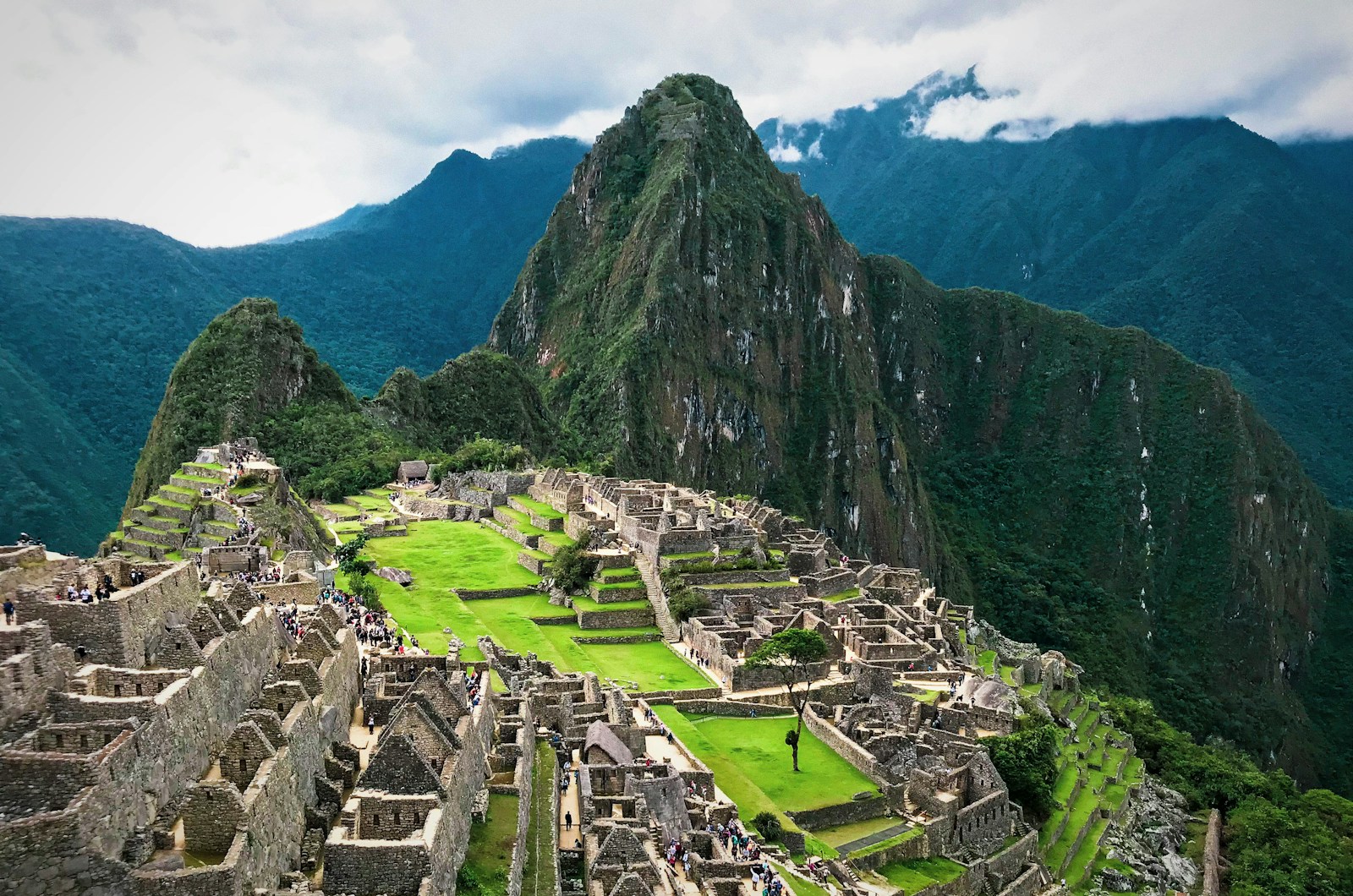
Lima has quietly become the world's most exciting food city. Central, Maido, and Astrid y Gastón all appear in the World's 50 Best — while street cevicherías serve the same fish-acid-chilli magic for $3. Peruvian cuisine fuses Japanese, Chinese, Spanish, and Andean traditions.

Peru's position as a culinary superpower rests on an ecological accident: within a few hundred kilometers, you have the cold Humboldt Current bringing extraordinary Pacific seafood (corvina, flounder, octopus) up to Lima's coast; the Amazon basin delivering unique tropical fruits, palm hearts, and river fish; the Andes providing hundreds of varieties of native potato, quinoa, corn in 35 colors, and mountain herbs found nowhere else on Earth. This biodiversity gave Peruvian chefs a pantry of staggering breadth, and the last 30 years have seen them learn to use it. Lima is now one of the world's definitive food capitals, with Central ranked #1 on the World's 50 Best Restaurants list in 2023 — and it built that reputation in under two decades.

The immigrant influence on Peruvian cuisine is as important as the indigenous ingredient base. Japanese immigrants who arrived in the late 19th century created Nikkei cuisine — a fusion of Japanese technique (particularly raw fish preparation and the precision of washoku) with Peruvian citrus, ají peppers, and native tubers. The result is dishes like tiradito (similar to ceviche but cut like sashimi), a flavour combination found only in Peru. Chinese immigrants created Chifa — a Peruvian-Chinese fusion of woks, soy sauce, and Chinese techniques applied to local ingredients. Today there are more Chifa restaurants in Lima than in any Chinese city outside China. Lomo saltado — strips of beef stir-fried with tomatoes, onions, ají amarillo, and soy sauce, served with both rice and fries — is the most visible symbol of this Sino-Peruvian fusion.

Ceviche, Peru's national dish, deserves its own treatise. At its simplest it is raw fish "cooked" by the acid of fresh lime juice, seasoned with ají amarillo paste, red onion, salt, and cilantro. The leche de tigre (tiger's milk) — the marinade liquid — is traditionally drunk as a hangover cure and is served separately in a shot glass. The ritual of eating ceviche matters: it should be eaten at lunch (never at night, when the fish is less fresh), accompanied by choclo (large-kernel corn), cancha (toasted corn kernels), and sweet potato. Street cevicherías in Lima's Surquillo neighborhood charge $3-5 for a plate identical in quality to the $30 version at Miraflores restaurants.

Practical planning: Central (by Virgilio Martínez) needs reservations made months in advance and costs around $250-300 per person — it is worth every cent for a serious food traveler. Maido (Nikkei, by Mitsuharu Tsumura) is also in the top 10 globally. For budget eating, the Surquillo markets (#1 and #2, open mornings) are the best food markets in South America; the prepared food stalls inside serve extraordinary jugo blends, caldo de gallina (hen broth), and fresh ceviche. Anticuchos — beef heart skewers marinated in ají panca and cumin, grilled over charcoal by street vendors in the evenings — are unmissable. Order a pisco sour (or its funkier cousin, the chilcano) before every meal. Barranco is the neighborhood for good cocktail bars and informal dining after dark.

🍴 Signature: Ceviche & Lomo Saltado 📍 Best area: Miraflores & Barranco
CevicheFusionWorld's Best RestaurantsPisco
Explore Lima →