culture
🏯 Bangkok
📍 Thailand · Asia
📍 Thailand · Asia
🏛 Grand Palace
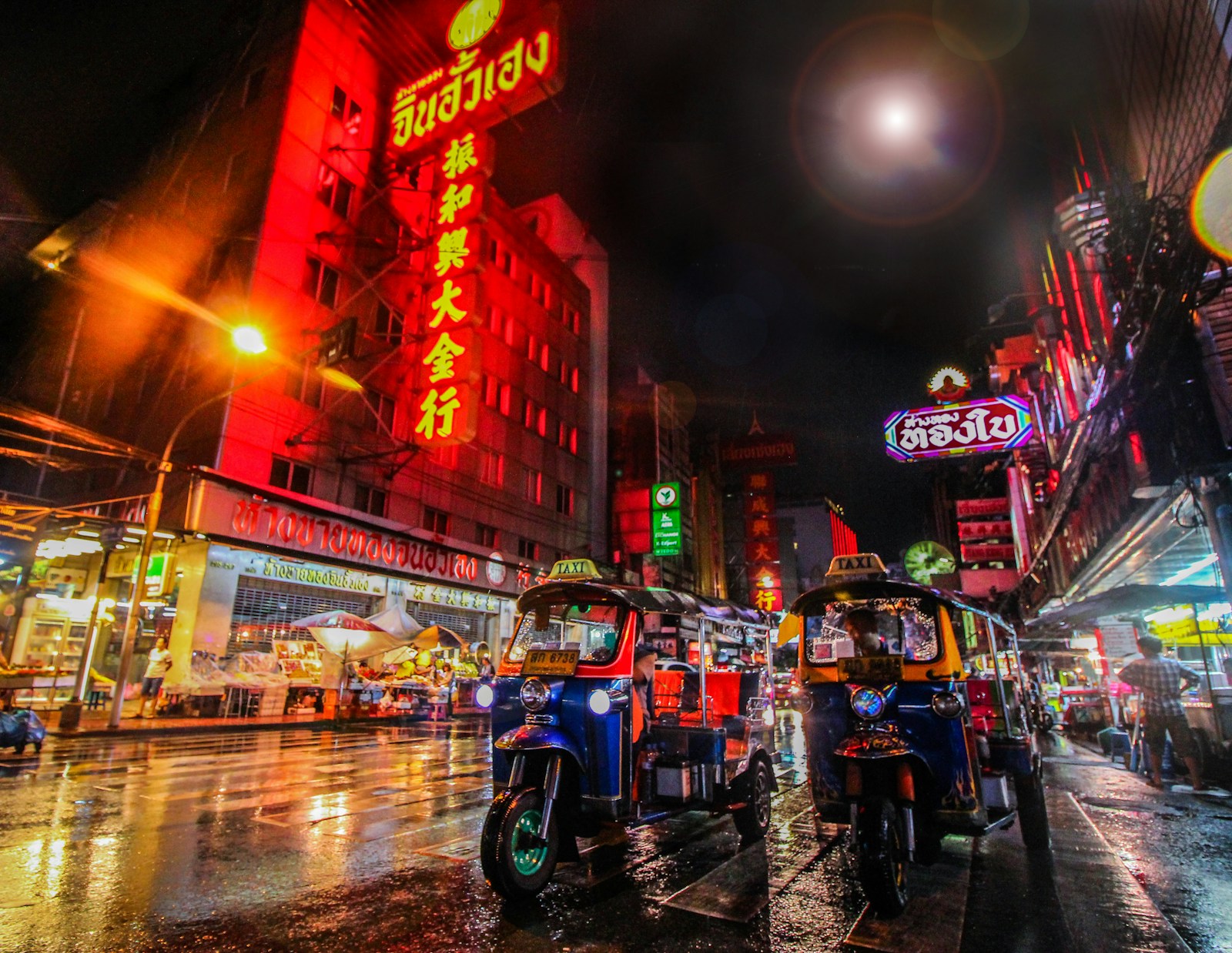
Bangkok is one of the world's great cities — a sprawling, chaotic, endlessly fascinating metropolis of 11 million people on the Chao Phraya River delta, where Buddhist temple spires rise alongside glass office towers, where tuk-tuks weave through gridlocked traffic, and where some of the world's best street food is served from carts on every pavement. It is also, consistently, one of the world's most visited cities — which is testament to how much it rewards visitors despite, and partly because of, its overwhelming scale.
The Grand Palace complex, on the eastern bank of the Chao Phraya, is Bangkok's most spectacular sight — an extraordinary ensemble of royal halls, ceremonial pavilions, and the Wat Phra Kaew (Temple of the Emerald Buddha), all gleaming with gold, coloured glass mosaic, and intricate stone carving. The Emerald Buddha itself (actually carved from jade) is the country's most sacred object. Wat Pho, immediately south of the Grand Palace, houses the famous giant Reclining Buddha — 46 metres long, covered in gold leaf — and is Thailand's oldest and largest temple. The temple complex is also the traditional home of Thai massage; the school within Wat Pho is the country's most respected.
Bangkok's food scene is genuinely world-class. Pad Thai from a wok on a street cart outside an office building; tom yum soup from a floating market kitchen boat; mango sticky rice from a night market stall — the quality at every price point is extraordinary. Yaowarat (Chinatown) comes alive at night with barbecued seafood and roast duck; Chatuchak Weekend Market serves 35 acres of food, crafts, and clothing to 200,000 visitors every Saturday and Sunday. For those seeking Michelin-star recognition, Bangkok has over 30 starred restaurants.
Damnoen Saduak Floating Market (80km south of Bangkok) is among the world's most famous markets — colourful wooden boats laden with tropical fruit and cooked food navigating narrow khlong canals. Ayutthaya, 80km north and accessible by train in 90 minutes, was Thailand's capital for 417 years and remains one of Southeast Asia's finest archaeological sites. The best time to visit Bangkok is November–February (the cool, dry season); the city is year-round accessible, but March–May brings extreme heat and humidity.
Practical planning for Bangkok: the best time to visit is season-dependent, with a typical budget level of mid-range. Most travellers need three to five full days to cover the highlights without rushing — add extra time if you are combining Bangkok with nearby regions.
Priority experiences include local food, culture, and outdoor experiences. Do not miss the main sights and neighbourhoods.
Before you book, verify entry requirements for Thailand — visa rules, passport validity, and any health documentation change frequently. Travel insurance with medical evacuation cover is worthwhile for international trips.
Where to stay: pick a walkable neighbourhood close to your main interests rather than the cheapest option far from the centre — transport costs and lost time often erase the savings. Book popular restaurants, guided tours, and peak-season accommodation early for high season dates.
BTS Skytrain and MRT avoid Bangkok traffic; river boats on the Chao Phraya reach major temples cheaply. Dress modestly for Grand Palace and Wat Pho — covered shoulders and knees required.
Street food addicts, temple enthusiasts, and anyone who wants the full Southeast Asia experience in a single city.
Compare prices and book your trip — hotels, flights, and guided tours.
* Links open partner sites. We may earn a commission at no extra cost to you. See our editorial policy.