culture
🏰 Prague
📍 Czech Republic · Europe
📍 Czech Republic · Europe
🏛 Charles Bridge
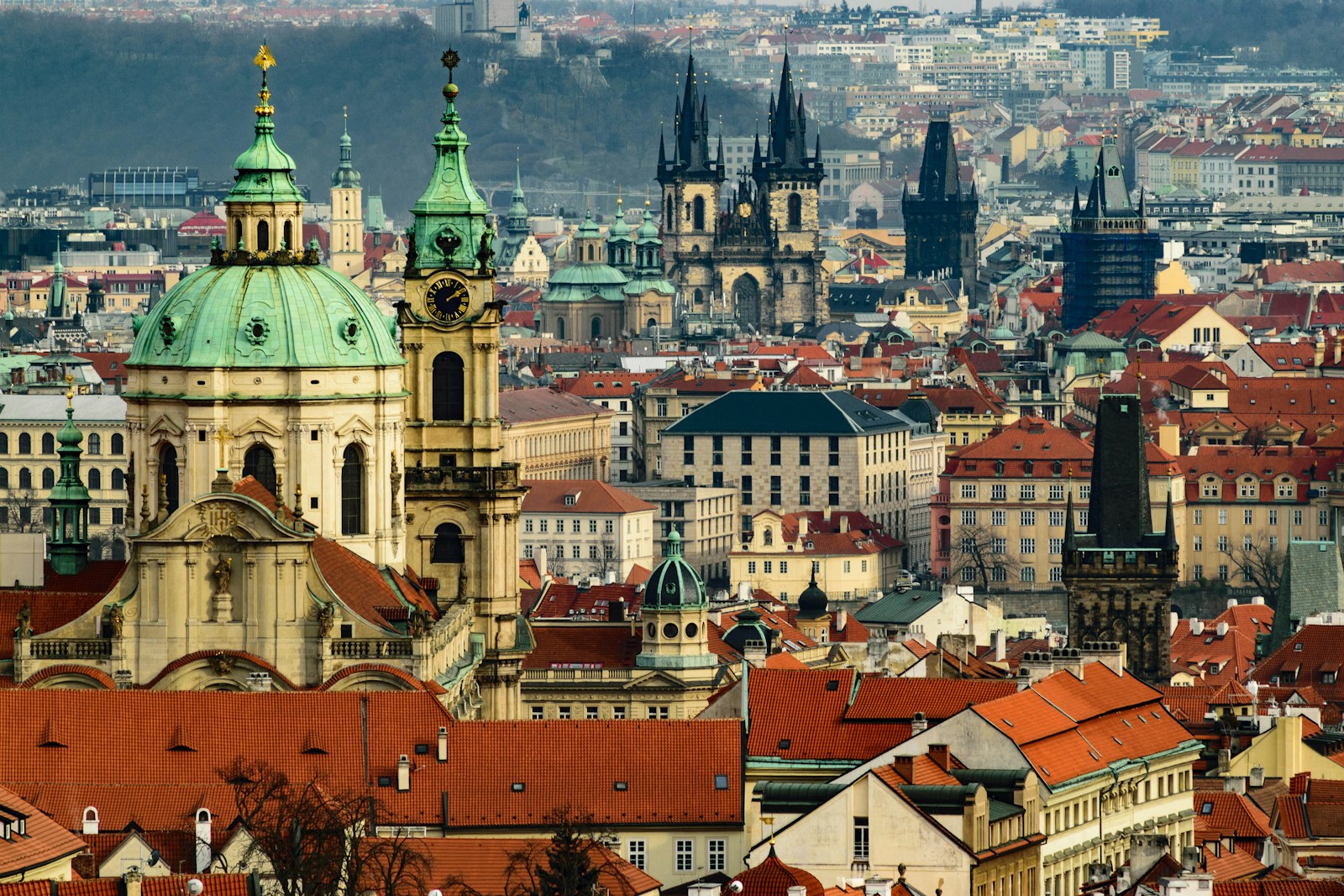
Prague is one of Europe's most visually arresting cities, and remarkably, it emerged from the 20th century largely intact — spared the wartime destruction that reshaped so many European capitals. The result is a cityscape of unbroken medieval streets, Gothic spires, Baroque churches, and Art Nouveau facades that feels genuinely extraordinary at every turn.
Prague Castle, perched above the Vltava River and visible from much of the city, is the world's largest ancient castle complex — an entire city within a city. Within its walls sit St. Vitus Cathedral, the Royal Palace, Golden Lane (a row of tiny medieval houses once occupied by castle servants), and the Lobkowicz Palace with its remarkable art collection. Allow at least half a day; it rewards proper exploration.
Charles Bridge, connecting the Old Town to Malá Strana across the Vltava, is lined with 30 Baroque statues and is at its most atmospheric early morning or in the evening, when the tourist crowds thin and the river mist adds a dreamlike quality. The Old Town Square, anchored by the 600-year-old Astronomical Clock (which performs a brief mechanical display every hour), is surrounded by Gothic and Baroque architecture in a density that's hard to believe.
Prague is exceptional value for money by Western European standards. Czech cuisine — svíčková (beef sirloin in cream sauce), guláš, trdelník, roast duck with dumplings and sauerkraut — is hearty and inexpensive in local restaurants away from the tourist centre. Czech beer is widely regarded as the world's finest lager; a half-litre costs €1–2 in a neighbourhood pub. Vinohrady and Žižkov are the best neighbourhoods for eating and drinking like a local.
Prague Castle ticket options confuse visitors — the Circuit B ticket covers cathedral, old royal palace, and Golden Lane and is enough for most. Astronomical Clock show draws crowds every hour; the tower climb above it is the better view. Jewish Quarter synagogues require a combined ticket; allow two hours. Kutná Hora bone church and Sedlec ossuary make a memorable half-day trip. Czech Republic is outside the euro — exchange minimally and use cards widely in Prague.
Budget: €50–80/day — exceptional value. Best months April–June and September; Christmas markets in December are magical but cold. Avoid exchange offices on main streets — use ATMs or banks. Tipping 10% in restaurants is customary. Prague Castle changing of the guard at noon is free to watch. Easter and Christmas markets transform the old town — book hotels months ahead.
History lovers, budget-conscious European travellers, and couples who want a beautiful backdrop without the Paris prices.
Compare prices and book your trip — hotels, flights, and guided tours.
* Links open partner sites. We may earn a commission at no extra cost to you. See our editorial policy.