beach
🏄 Palawan
📍 Philippines · Asia
📍 Philippines · Asia
🏛 Puerto Princesa Underground River
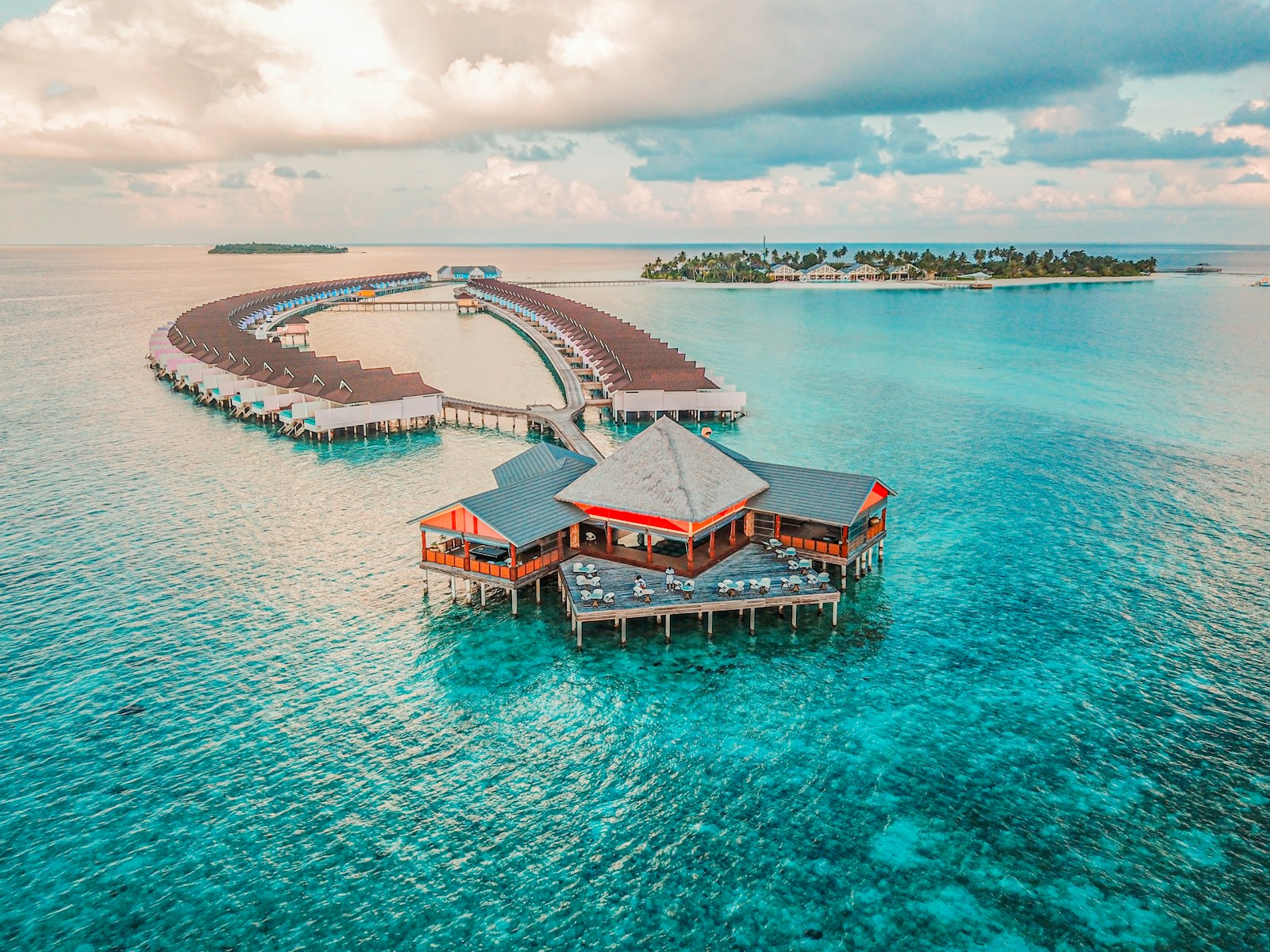
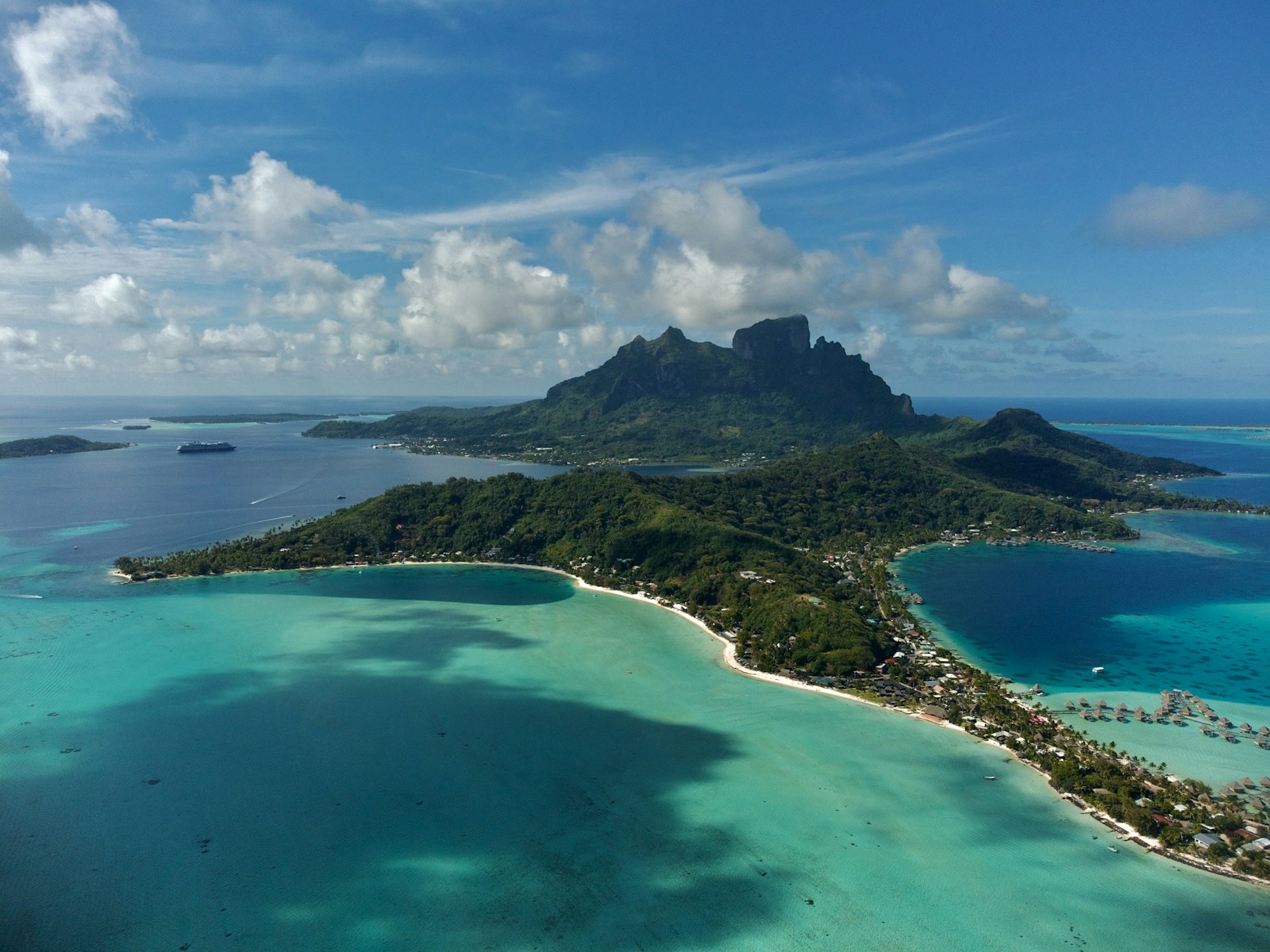
Palawan is a long, narrow island province in the western Philippines, consistently voted the world's best island by Condé Nast Traveler and Travel + Leisure readers. Its two headline destinations — El Nido in the north and Coron in the northeast — offer experiences that genuinely live up to the superlatives: dramatic limestone karst towers rising directly from emerald water, hidden lagoons entered through narrow rock channels, white-sand beaches accessible only by bangka (outrigger boat), and some of the finest diving in Southeast Asia.
El Nido is the more developed of the two, with dozens of island-hopping tour routes (Tour A, B, C, and D) covering different combinations of the Bacuit Archipelago's 45 islands. Tour A's Secret Lagoon and the Big and Small Lagoons are the most-photographed; Tour C's Helicopter Island and Shimizu Island offer excellent snorkelling over coral gardens. The Big Lagoon — a vast, glassy expanse of turquoise water enclosed by near-vertical karst walls — is one of Southeast Asia's most extraordinary natural environments. Rent a kayak to paddle it independently in the quiet of early morning.
Coron is the wreck-diving capital of the Philippines and one of the world's finest diving destinations. In 1944, an American naval attack sank a fleet of Japanese warships in the channel — today those wrecks, encrusted with coral and teeming with fish, lie accessible to recreational divers at depths between 10 and 40 metres. The Okikawa Maru, the Irako, and the Olympia Maru are the most celebrated. Coron's twin lagoons — Kayangan Lake and Barracuda Lake — are freshwater lakes hidden behind karst walls, accessible by a short climb, with surreal clarity and unusual thermal layers.
The Puerto Princesa Underground River in the south of Palawan, a UNESCO World Heritage Site, is one of the world's longest navigable underground rivers — a 8.2-kilometre cave system with a navigable stretch of 4.7 kilometres, explored by paddle boat through vast cathedral chambers. The best time to visit Palawan is November through May; the summer monsoon (June–October) brings rougher seas and some boat tour cancellations.
Practical planning for Palawan: the best time to visit is season-dependent, with a typical budget level of mid-range. Most travellers need three to five full days to cover the highlights without rushing — add extra time if you are combining Palawan with nearby regions.
Priority experiences include local food, culture, and outdoor experiences. Do not miss the main sights and neighbourhoods.
Before you book, verify entry requirements for Philippines — visa rules, passport validity, and any health documentation change frequently. Travel insurance with medical evacuation cover is worthwhile for international trips.
Where to stay: pick a walkable neighbourhood close to your main interests rather than the cheapest option far from the centre — transport costs and lost time often erase the savings. Book popular restaurants, guided tours, and peak-season accommodation early for high season dates.
Budget adventurers, divers, and island-hoppers who don't need luxury infrastructure.
Compare prices and book your trip — hotels, flights, and guided tours.
* Links open partner sites. We may earn a commission at no extra cost to you. See our editorial policy.