beach
🎬 Los Angeles
📍 USA · North America
📍 USA · North America
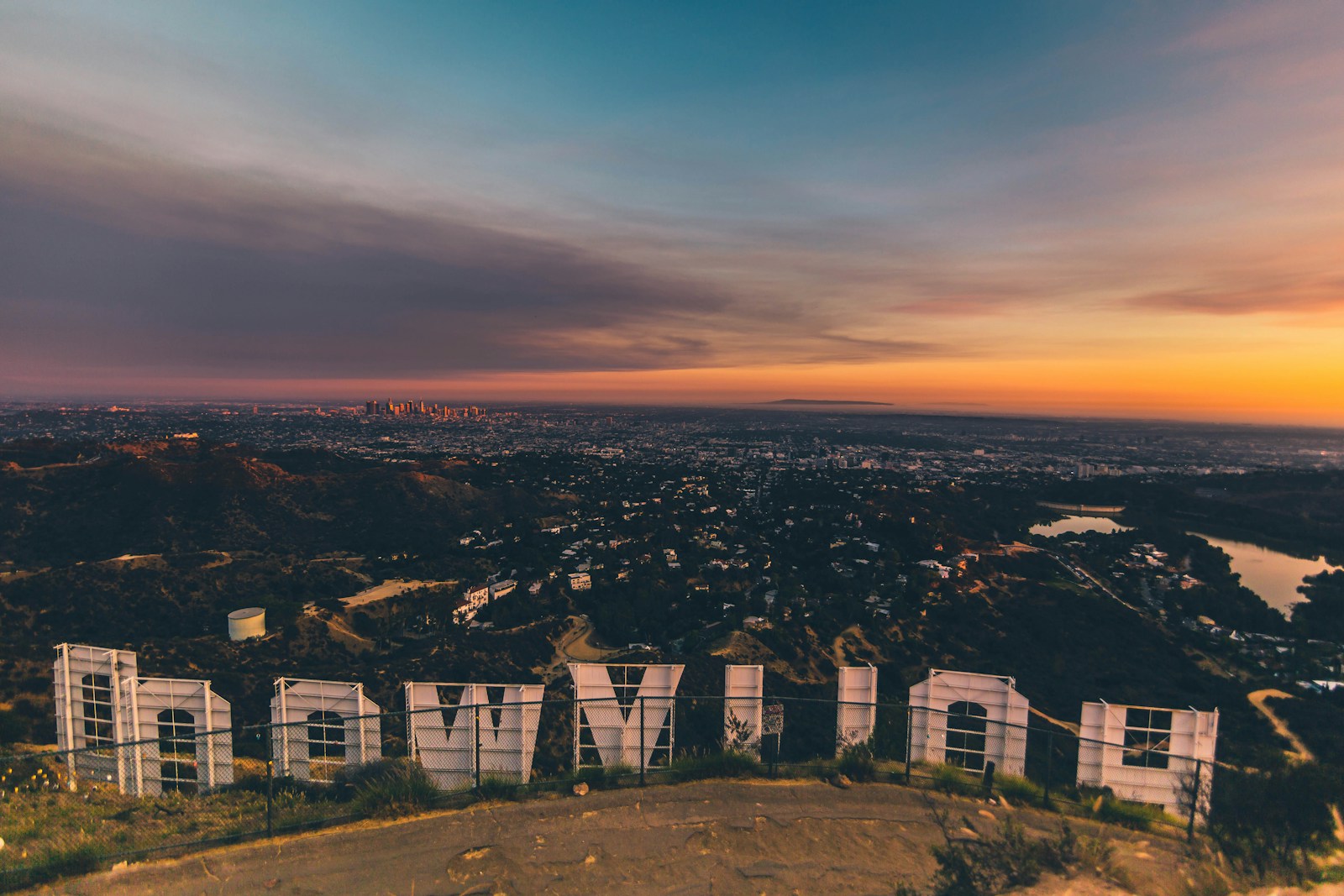
🏛 Hollywood Sign
Los Angeles is the second-largest city in the United States and the most geographically sprawling metropolis in the Western Hemisphere — a county of 10 million people spread across 88 cities and 4,000 square miles of basin, mountain, and coastline. The city's defining physical reality is this scale, and understanding it changes how you experience it: LA is not one place but dozens of distinct communities loosely connected by the freeway system, each with its own character, architecture, and economy. Hollywood and the entertainment industry are the export identity, but the lived reality of the city is more interesting — a permanent laboratory in American urbanism, multiculturalism, and reinvention.
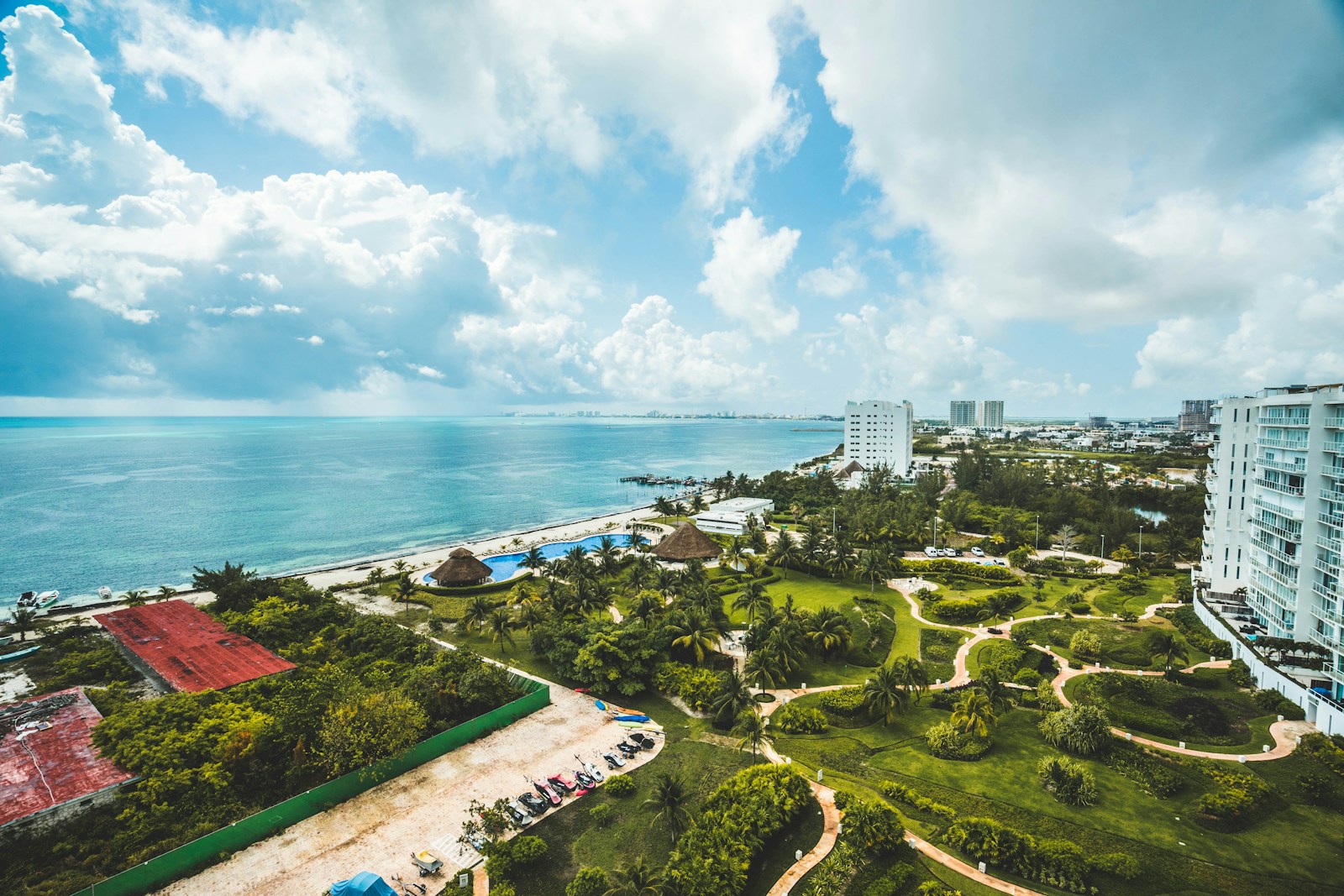
The beach communities stretch 75 miles from Malibu in the north through Santa Monica, Venice, Manhattan Beach, and Hermosa Beach to Long Beach in the south. Venice Beach is the most performative — the Ocean Front Walk is a continuous carnival of street performers, bodybuilders at Muscle Beach, skaters at the original California skate park, and vendors selling everything from crystals to cannabis. Santa Monica Pier anchors the northern end with its 1909 carousel and Pacific Park rides. Malibu's 27 miles of coastline contain some of the finest surf breaks in California alongside multi-million dollar beach houses set back from the sand on stilts.
The Getty Center, sitting on a hilltop above the 405 freeway at 900 feet, is one of the finest art museums in the United States — the building by Richard Meier, clad in travertine from the same Italian quarry used by the Romans, is itself a work of architecture as significant as the collection it houses. The collection spans European paintings from the Middle Ages to the 19th century with particular strength in Impressionism, illuminated manuscripts, and decorative arts. The Broad in downtown LA and LACMA across Wilshire Boulevard from the La Brea Tar Pits complete an institutional art landscape of surprising depth for a city often dismissed as culturally shallow.
Joshua Tree National Park, two hours east, sits at the convergence of the Mojave and Sonoran deserts — its namesake trees growing in the higher, wetter Mojave zone while the lower Colorado Desert below the park transition zone is barren bajada and dry wash. The park is one of the premier rock climbing destinations in North America, with over 8,000 established routes across smooth granite monoliths. The night sky above Joshua Tree is one of the darkest within driving distance of any major American city — the international dark sky park designation ensures it remains so. The Sierra Nevada and Yosemite Valley lie four to five hours north, making LA the practical gateway to the most dramatic mountain scenery in the lower 48 states.
Beach lovers, film and entertainment enthusiasts, art collectors, and anyone building a California road trip between San Francisco and Joshua Tree or San Diego.
Compare prices and book your trip — hotels, flights, and guided tours.
* Links open partner sites. We may earn a commission at no extra cost to you. See our editorial policy.