adventure
🌴 Costa Rica
📍 Costa Rica · North America
📍 Costa Rica · North America
🏛 Arenal Volcano
Costa Rica is the country that put eco-tourism on the global map. A small Central American nation the size of West Virginia, it has managed — through deliberate conservation policy since the 1980s — to protect 25% of its territory in national parks, biological reserves, and wildlife refuges while reversing catastrophic deforestation and rebuilding forest cover to 52% of the land area. The result is a biodiversity density extraordinary even by tropical standards: Costa Rica holds 5% of all species on Earth in 0.03% of the world's land surface, including 900 bird species, 200 mammal species, and 35,000 insect species.
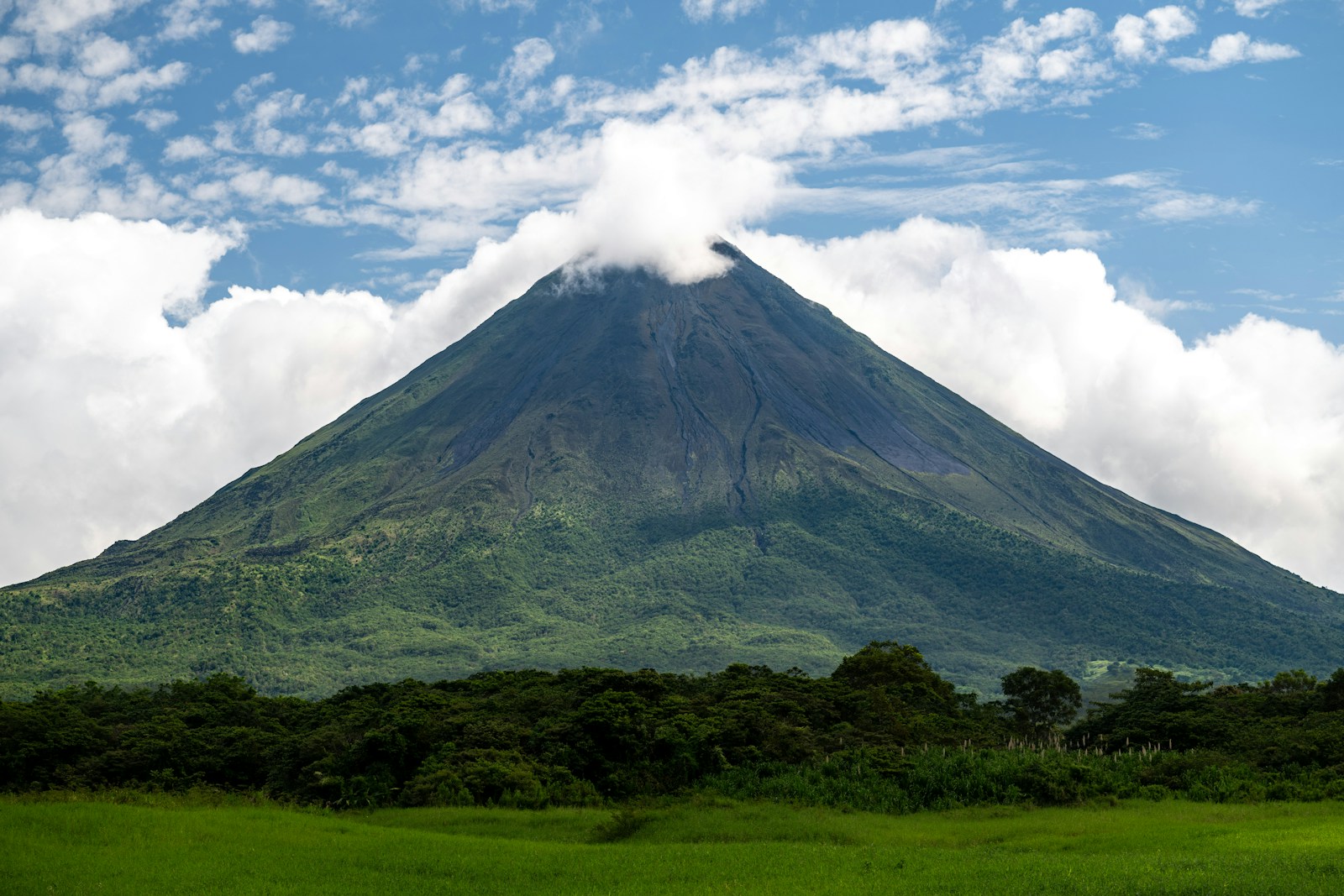
The Pacific coast is the most visited region. Arenal Volcano in the northern interior was continuously active from 1968 to 2010 and remains geothermally intense — hot springs pools at the base are heated by residual volcanic activity, and the perfectly conical silhouette is one of Central America's most photogenic. Manuel Antonio National Park on the central Pacific coast combines primary rainforest with white-sand beaches and extraordinary wildlife density: three-toed sloths, white-faced capuchins, scarlet macaws, and pizote coatis are visible year-round within metres of the trails. The Monteverde Cloud Forest Reserve offers canopy tours, suspension bridges through the forest canopy, and reliable quetzal sightings.
The Caribbean coast presents an entirely different Costa Rica: the Afro-Caribbean culture of towns like Puerto Viejo, the green-season rainforest (this coast is wetter than the Pacific year-round), and the extraordinary Tortuguero National Park — accessible only by boat or light aircraft — where leatherback, green, and hawksbill turtles arrive to nest July to October in one of the world's most important sea turtle breeding programs. The Osa Peninsula in the south, containing Corcovado National Park, is National Geographic's most biologically intense place on Earth.
Practical planning: December to April is the dry season on the Pacific coast and most visited. The Caribbean coast peaks June-July and September-October. Renting a 4WD is strongly recommended — unpaved roads to national parks require clearance, and having a vehicle dramatically expands your flexibility. Costa Rica is significantly more expensive than its Central American neighbors; budget $100-200/day for accommodation plus meals. The capital San José is a useful transit hub but not worth more than a night; go directly to the parks.
Practical planning for Costa Rica: the best time to visit is season-dependent, with a typical budget level of mid-range. Most travellers need three to five full days to cover the highlights without rushing — add extra time if you are combining Costa Rica with nearby regions.
Priority experiences include local food, culture, and outdoor experiences. Do not miss the main sights and neighbourhoods.
Before you book, verify entry requirements for Costa Rica — visa rules, passport validity, and any health documentation change frequently. Travel insurance with medical evacuation cover is worthwhile for international trips.
Where to stay: pick a walkable neighbourhood close to your main interests rather than the cheapest option far from the centre — transport costs and lost time often erase the savings. Book popular restaurants, guided tours, and peak-season accommodation early for high season dates.
Wildlife-focused travellers, families with older children, adventure seekers, and eco-tourism enthusiasts who want verified conservation credentials alongside their wildlife encounters.
Compare prices and book your trip — hotels, flights, and guided tours.
* Links open partner sites. We may earn a commission at no extra cost to you. See our editorial policy.