culture
🌉 San Francisco
📍 USA · North America
📍 USA · North America
🏛 Golden Gate Bridge
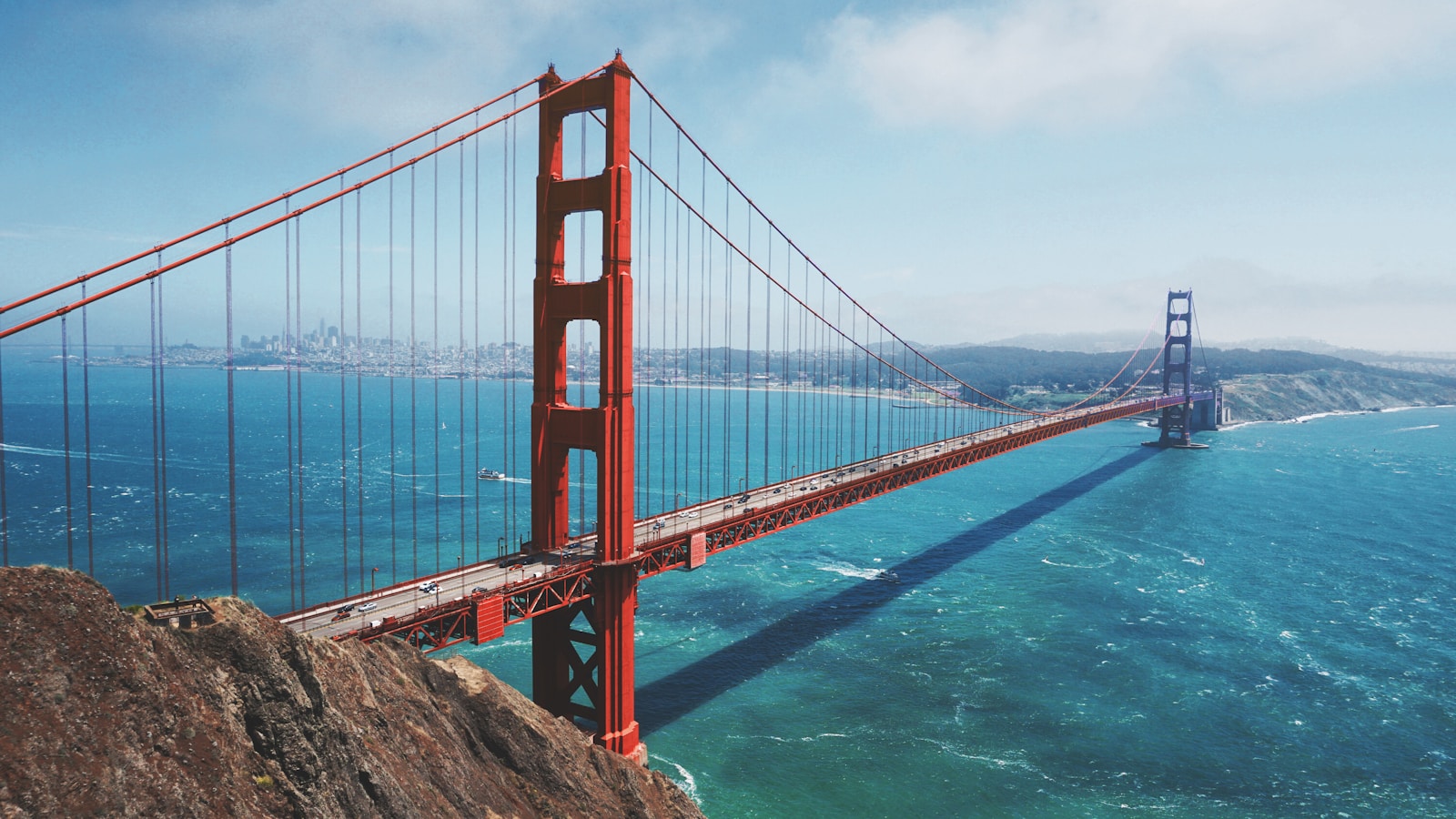
San Francisco occupies the tip of a peninsula between San Francisco Bay and the Pacific Ocean, its distinctive topography of 43 hills creating neighbourhoods of radically different character within a compact area of 49 square miles. The Golden Gate Bridge, completed in 1937 and painted in International Orange to remain visible through the bay's famous summer fog, is one of the most beautiful engineered structures in the world — its 2.7-kilometre main span connecting the city to Marin County across a strait swept by powerful tidal currents. The views from both the Marin Headlands and the city's own Baker Beach reveal the bridge in contexts that even millions of photographs haven't managed to exhaust.
The neighbourhoods of San Francisco each have a cultural specificity that makes the city feel like several distinct places sharing the same geography. The Mission District preserves one of the finest concentrations of Victorian architecture in the country alongside murals by Latin American artists that cover entire building walls — a living gallery that changes block by block. Chinatown, the oldest in North America, operates with commercial intensity on Grant and Stockton Streets and serves a resident population, not just tourists. The Castro was the epicentre of the LGBTQ+ rights movement in America and preserves a community identity that shaped the cultural and political history of the country. North Beach, the old Bohemian quarter, retains the City Lights bookshop where Allen Ginsberg and Jack Kerouac gathered and which still operates as both a genuine bookshop and a monument to the Beat Generation.
Alcatraz Island in the bay, accessible by a 15-minute ferry from Pier 33, operated as a federal penitentiary from 1934 to 1963 — housing Al Capone, Robert Stroud (the Birdman), and Machine Gun Kelly. The audio tour narrated by former guards and inmates provides the most comprehensive and atmospheric museum experience in the Bay Area, with the physical reality of the cell blocks, the sound of the bay, and the view back to the city combining into something genuinely affecting. The California Academy of Sciences in Golden Gate Park houses a living coral reef, an African penguin colony, a four-storey rainforest, and a planetarium under a living roof of 1.7 million native plants.
The food culture of San Francisco has been formative for American cuisine — Alice Waters and Chez Panisse in Berkeley across the bay established the California cuisine philosophy of ingredient-focused cooking from local farms that now defines restaurant culture across the country. The Ferry Building Marketplace assembles the finest Northern California food producers under one roof every Tuesday, Thursday, and Saturday in a farmers market that is worth planning a visit around. Tartine Bakery's long morning queues for country bread represent one end of a baking culture as serious as any in Europe; the Mission burritos at La Taqueria represent the other end of a culinary range that makes San Francisco one of the most rewarding eating cities in America.
Culture and food travellers, anyone building a California coastal road trip, and first-time West Coast visitors who want the most architecturally and culturally distinctive American city.
Compare prices and book your trip — hotels, flights, and guided tours.
* Links open partner sites. We may earn a commission at no extra cost to you. See our editorial policy.