beach
🏝️ Cancún
📍 Mexico · North America
📍 Mexico · North America
🏛 Chichén Itzá
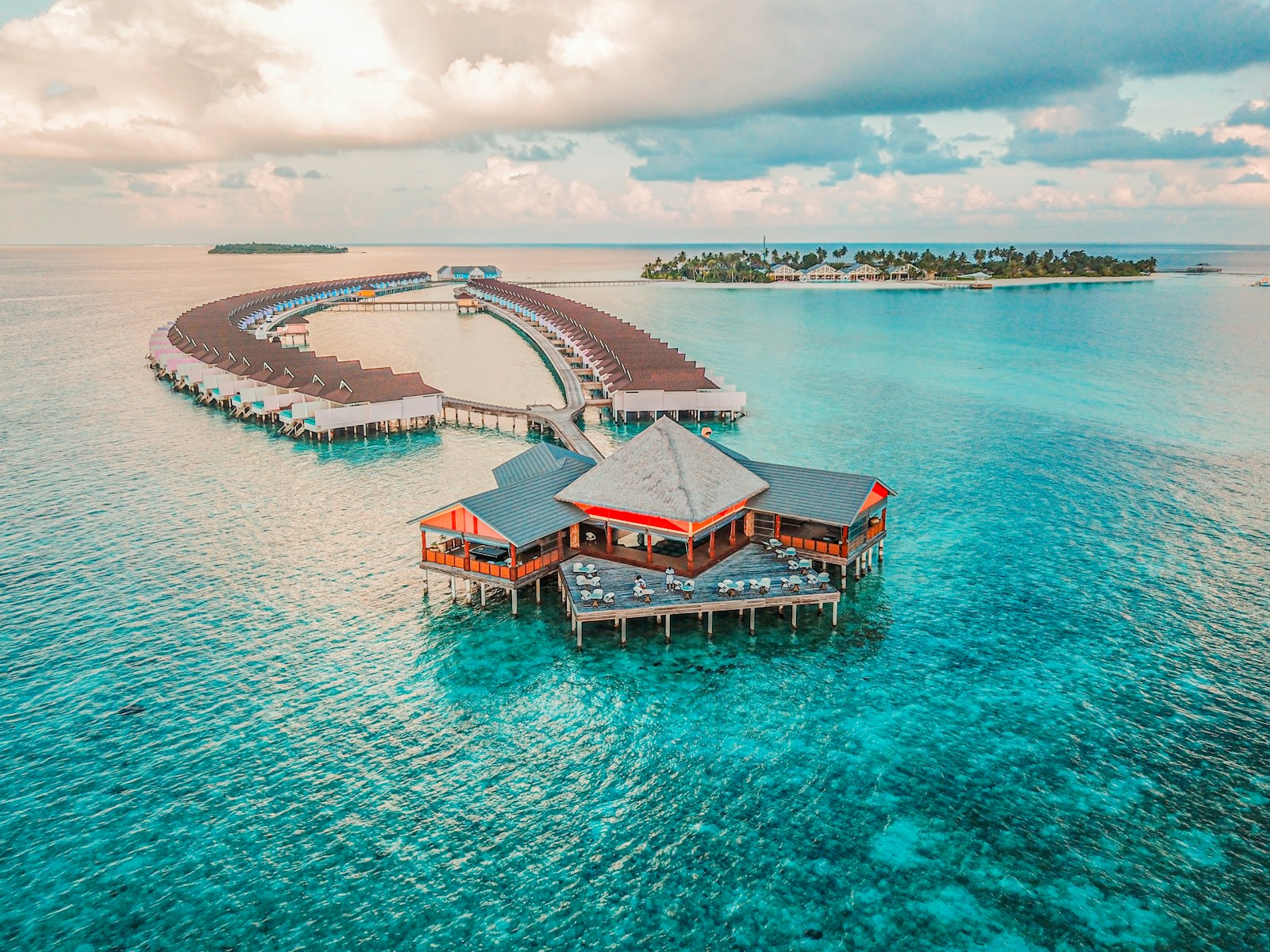
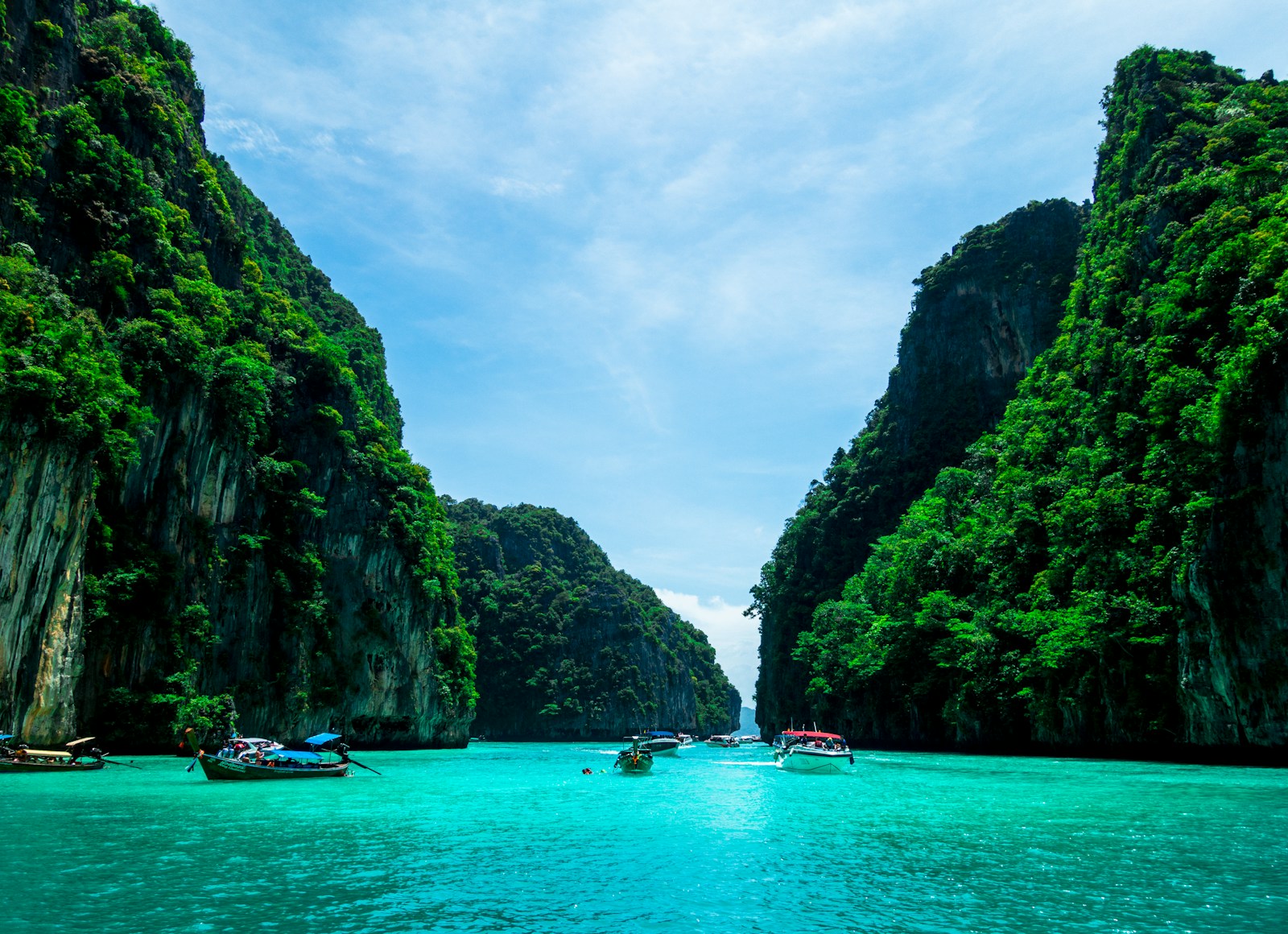
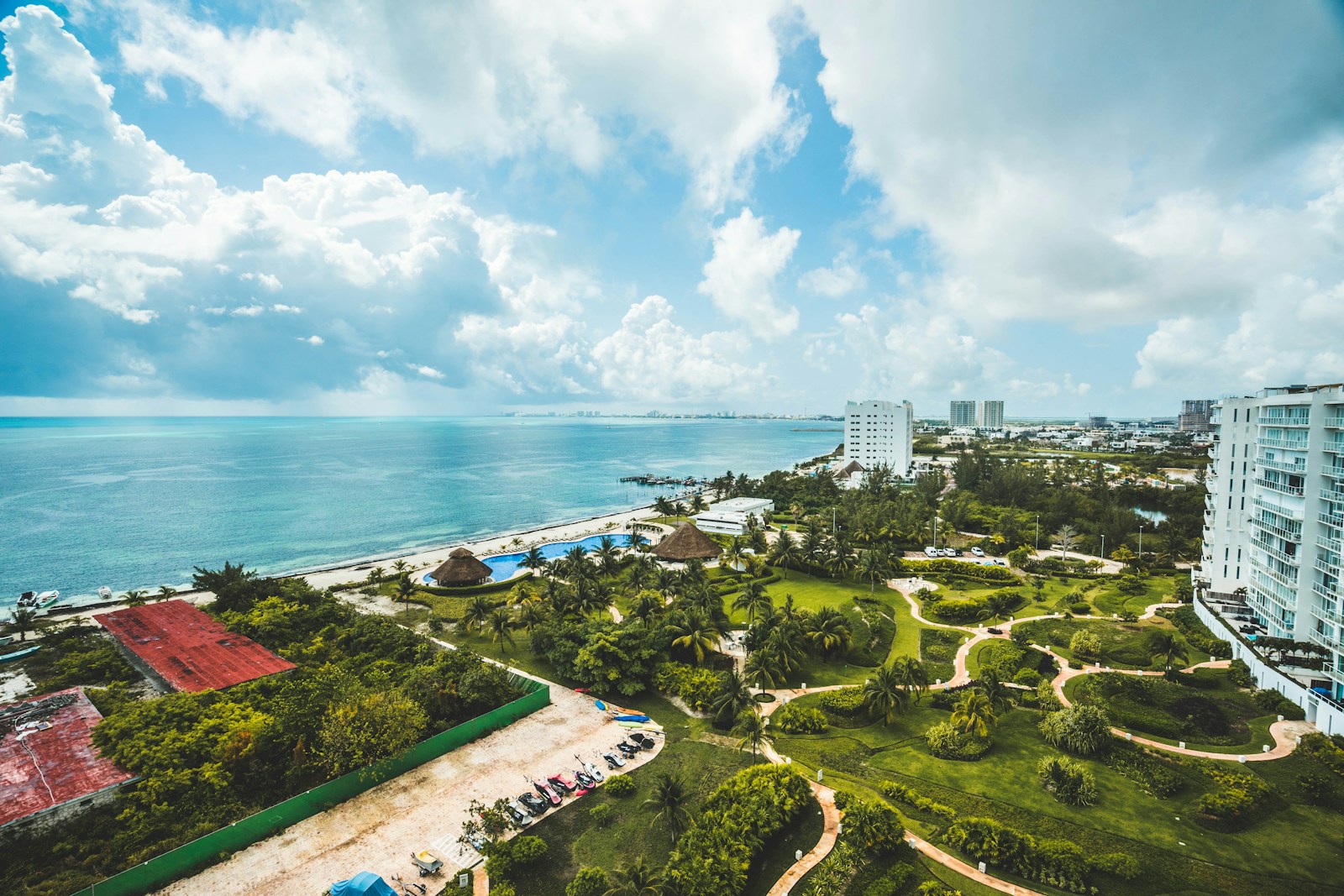
Cancún occupies a narrow barrier island on the northeast corner of the Yucatán Peninsula, where the Caribbean Sea turns from deep blue to vivid turquoise over the limestone shelf that extends from the Yucatán coast. The Hotel Zone (Zona Hotelera) stretches 22 kilometres along the island, lined with resort hotels facing a beach of white coral sand that remains one of the finest in the Caribbean. The water colour is caused by the shallow depth over white limestone — the gradations from transparent turquoise in the shallows to deep blue further out create the postcard image that has made Cancún one of the world's most visited beach destinations, with nearly six million arrivals annually.
The Mesoamerican Barrier Reef, the second-largest coral reef system in the world, runs along the entire Caribbean coast of Yucatán and Quintana Roo — making the waters around Cancún some of the best diving and snorkelling in the Atlantic basin. The underwater museum MUSA places over 500 life-sized sculptures on the seabed at 4–8 metres depth, where coral colonies are colonising the concrete surfaces and creating an extraordinary hybrid between contemporary art and artificial reef. The whale shark aggregation off Isla Holbox from May through September — where hundreds of the world's largest fish feed on plankton-rich surface waters — is one of the most extraordinary wildlife encounters in the Americas.
Chichén Itzá, one of the Seven Wonders of the Modern World, lies 170 kilometres from Cancún — a half-day excursion to the greatest surviving Maya city. The Pyramid of Kukulcán creates the famous shadow serpent on the equinoxes as light descends its staircase in a display of astronomical precision that still astonishes modern engineers. Tulum, just 130 kilometres south, offers a different Maya experience — a walled city perched on a cliff above a turquoise bay, simultaneously the most photographed archaeological site in Mexico and one of the most dramatic coastal settings anywhere in the Caribbean.
The cenotes of the Yucatán Peninsula are the inland counterpart to the coast's charms — thousands of water-filled sinkholes created where the limestone bedrock collapsed over underground river systems. Gran Cenote near Tulum, Ik Kil near Chichén Itzá, and the cavern system of Dos Ojos offer swimming, snorkelling, and scuba diving in crystal-clear fresh water through cathedral-scale underground chambers hung with stalactites. The cenotes were sacred to the Maya as portals to the underworld — archaeological excavations have recovered jade, gold, and human remains from the deepest ones. The Yucatán's cuisine, particularly cochinita pibil (slow-roasted pork wrapped in banana leaf) and sopa de lima, represents a regional Mexican cooking tradition as distinct and refined as any in the country.
Families and couples who want resort beaches alongside ancient Mayan sites, divers and snorkellers targeting the Mesoamerican Barrier Reef, and anyone building a Yucatán road trip.
Compare prices and book your trip — hotels, flights, and guided tours.
* Links open partner sites. We may earn a commission at no extra cost to you. See our editorial policy.