adventure
🐘 Chiang Mai
📍 Thailand · Asia
📍 Thailand · Asia
🏛 Doi Suthep Temple
Chiang Mai is Northern Thailand's cultural capital and one of Southeast Asia's most liveable cities — a place with the depth and authenticity of a major cultural centre combined with the pace and affordability that has made it a long-term home for digital nomads, expats, and slow travellers from around the world. Surrounded by the green hills of the Doi Suthep-Pui National Park and the mountains of the Thai–Myanmar border region, it sits 700km north of Bangkok in a valley at 300 metres elevation, which gives it slightly cooler temperatures and markedly different culture.
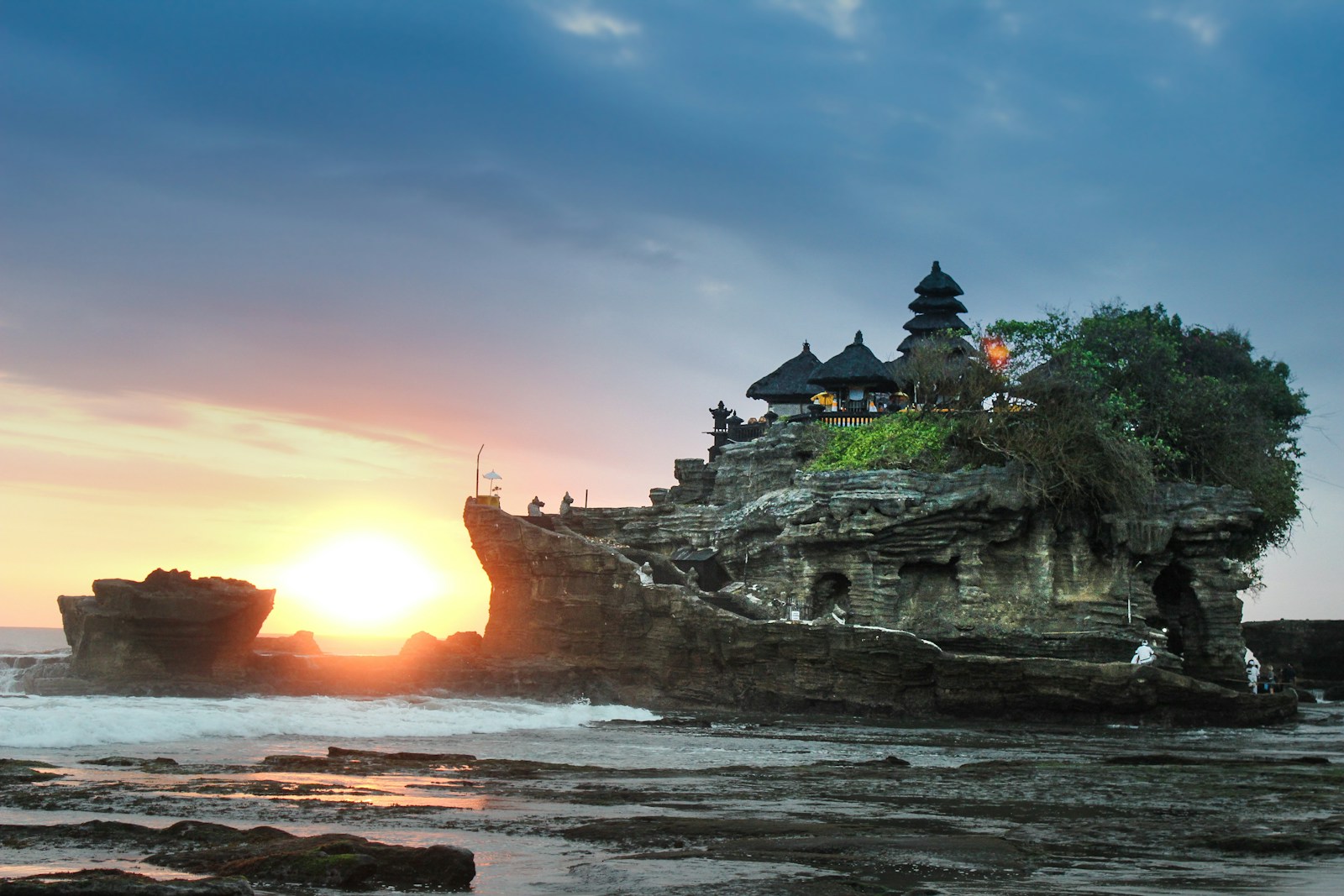
The Old City, enclosed within a moat and remnant of ancient walls, contains over 300 Buddhist temples within 2.5 square kilometres — the highest density of temples of any city in Thailand. Wat Chedi Luang, with its partially ruined 14th-century chedi, was once the tallest building in the ancient Lanna Kingdom. Wat Phra Singh houses the city's most revered Buddha image. Doi Suthep Temple, on the mountain above the city, is reached by a 306-step naga staircase and offers panoramic views over the valley — it is the defining image of Chiang Mai and one of Thailand's most sacred Buddhist sites.
The Elephant Nature Park, founded by conservationist Lek Chailert, is the most respected elephant sanctuary in Southeast Asia. Unlike venues that offer riding, the park provides rescued working elephants with a rehabilitation environment; visitors observe, feed, and bathe elephants in a context that prioritises animal welfare. The experience — seeing these enormous, gentle animals in a naturalistic setting rather than performing or under mahout control — is deeply moving. Book weeks in advance, as the one-day and overnight programs are consistently full.
Chiang Mai's food scene is distinct from Bangkok's — Northern Thai cuisine (khao soi, the rich coconut curry noodle soup; sai ua, herbed northern sausage; laab moo, spiced pork salad) is among Thailand's finest regional cooking. The Saturday and Sunday Walking Streets, the Night Bazaar, and the Warorot Market are the city's great evening experiences. Visit October–February for the best weather; Songkran (Thai New Year, mid-April) brings the famous water festival and should be planned around or embraced with complete acceptance of being soaked.
Practical planning for Chiang Mai: the best time to visit is season-dependent, with a typical budget level of mid-range. Most travellers need three to five full days to cover the highlights without rushing — add extra time if you are combining Chiang Mai with nearby regions.
Priority experiences include local food, culture, and outdoor experiences. Do not miss the main sights and neighbourhoods.
Before you book, verify entry requirements for Thailand — visa rules, passport validity, and any health documentation change frequently. Travel insurance with medical evacuation cover is worthwhile for international trips.
Where to stay: pick a walkable neighbourhood close to your main interests rather than the cheapest option far from the centre — transport costs and lost time often erase the savings. Book popular restaurants, guided tours, and peak-season accommodation early for high season dates.
Slow travellers, ethical wildlife enthusiasts, digital nomads, and anyone who wants Northern Thai culture rather than a beach resort.
Compare prices and book your trip — hotels, flights, and guided tours.
* Links open partner sites. We may earn a commission at no extra cost to you. See our editorial policy.