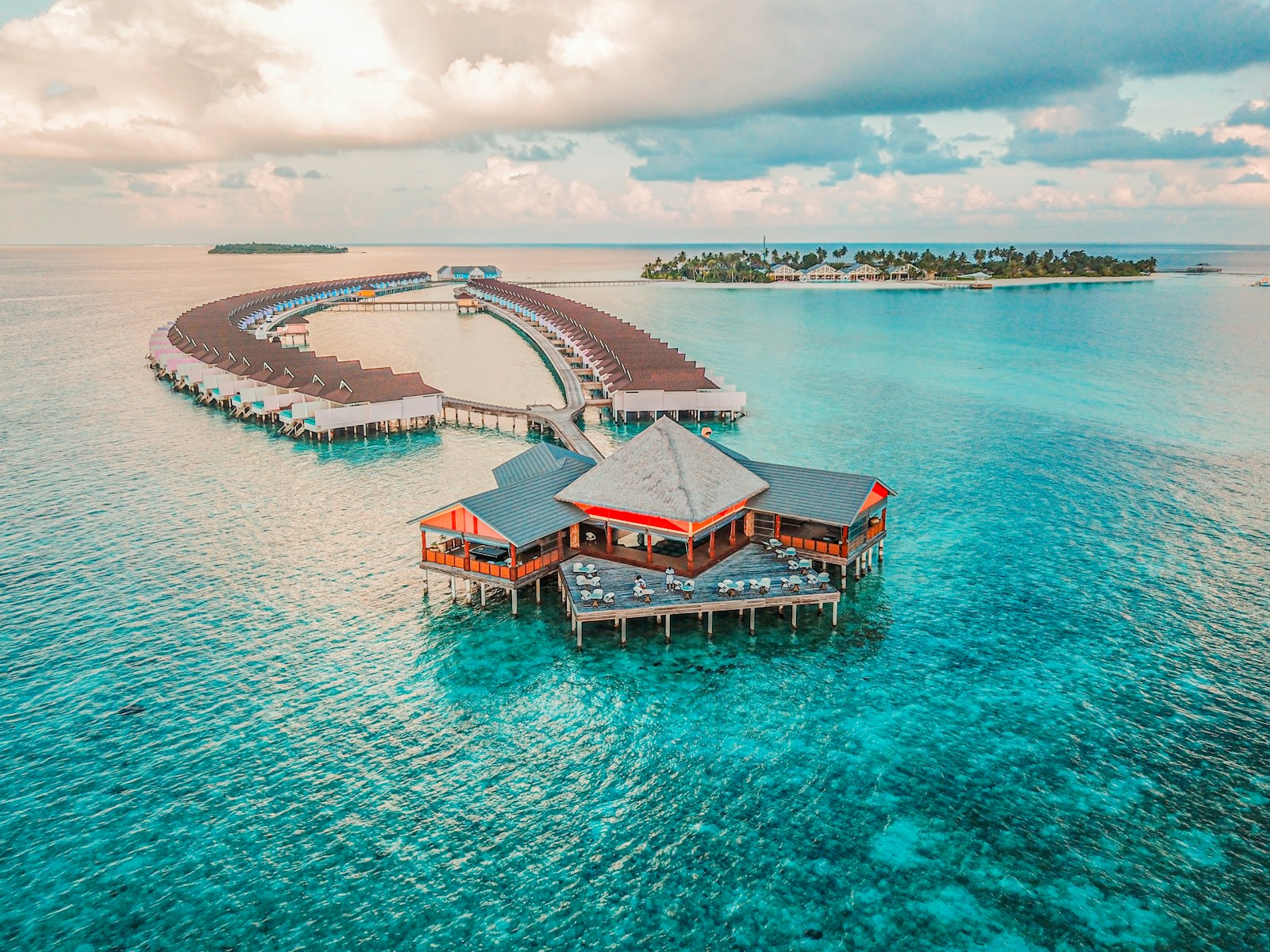
The Maldives has a reputation as the world's most expensive destination. But with the right strategy, you can experience overwater villas, crystal water and coral reefs for a fraction of the luxury price.
The Maldives sits at the top of almost every travel bucket list — and at the top of most travel budgets too. The famous luxury resorts charge $1,000+ per night for overwater villas. But there's a completely different side to the Maldives that most travel content ignores: the local island experience.
The Local Island Secret
The Maldives government opened local islands to tourism in 2009. Since then, guesthouses on inhabited islands like Maafushi, Dhigurah, and Fulidhoo have grown dramatically — and they're fraction of resort prices.
A clean guesthouse room on Maafushi: $40–70/night. The same turquoise water? Identical. The same coral reefs? Actually better, because fewer people are swimming on them.
Budget Breakdown: 7 Days in the Maldives
- Flights (from Asia): $300–500 return
- Speedboat transfer to local island: $30–50
- Guesthouse (7 nights at $60/night): $420
- Food (local restaurants): $20–30/day
- Snorkeling trips & diving: $20–60 per trip
- Total: ~$1,100–1,500 for 7 days
Compare that to $7,000+ for a week at a luxury resort. You're in the same water.
What You'll Miss (and What You Won't)
Local islands have bikini beaches (separate from the main beach — a local custom requirement). You won't have a private pool or butler service. But you'll eat with Maldivian families, rent bicycles to explore the island in 20 minutes, and snorkel reefs that haven't been bleached by sunscreen runoff from 500 resort guests.
Best Local Islands by Type
- Maafushi — Most developed, best for first-timers
- Dhigurah — Whale shark snorkeling, quieter
- Thulusdhoo — Surf breaks, young crowd
- Fulidhoo — Most authentic, few tourists
When to Go
November through April is the dry season — calm seas, visibility up to 30m underwater, and less humidity. December and January are peak (slightly pricier). February–April is the sweet spot: dry, quieter, and cheaper.
The Maldives is one of those places that feels impossible until you look at the numbers. It isn't. Book a local island, pack a snorkel mask, and spend your saved thousands on the next trip.
Getting There: The Ferry vs Speedboat Decision
Resort islands use seaplanes ($300–500 each way) or speedboats. Local islands use the public ferry network — the most budget-friendly option in the Maldives. Ferries run from Malé's public ferry terminal to most inhabited atolls for $2–10 depending on distance. They're slower (2–4 hours to some islands) but the journey across the atolls is genuinely beautiful. Speedboats ($30–80 each way) are the middle option — faster than ferries, far cheaper than seaplanes.
What to Do on a Local Island
The activity gap between a local island and a resort is smaller than you think. Snorkelling the house reef — often just 50 metres from the beach — can be as spectacular as anything the resorts offer, because local island reefs see far less sunscreen runoff and foot traffic. Most guesthouses organise snorkelling excursions ($20–35), sunset fishing trips ($20–30), and dolphin watching cruises ($25–40). Dhigurah's whale shark season (November–April) means you can snorkel with the world's largest fish from a $35 day trip.
Food on Local Islands
Maldivian food is a revelation: tuna is the foundation of almost everything, prepared in ways that reflect the Indian, Sri Lankan, and Arabic influences of the islands' trade history. Mas huni (shredded smoked tuna with coconut and onion, eaten with flatbread at breakfast) costs $3 at a local café. Garudhiya (tuna broth) and fihunu mas (grilled tuna) are the staples. Most local islands have restaurants serving both Maldivian and international dishes at $5–12 per meal. Alcohol is only available at resort islands — local islands are dry, so adjust expectations accordingly.
The Reality Check: What You're Trading Away
The local island experience is genuinely wonderful, but honesty requires listing what the resorts offer that local islands don't: private beach access (local islands have designated bikini beaches separate from the main community beach), swimming pools, in-villa butlers, overwater bungalows (some local island guesthouses now offer these, but they're modest compared to resort versions), and complete isolation from the outside world. If your trip is a honeymoon or a once-in-a-decade splurge, the full resort experience — particularly in the Baa Atoll or North Malé Atoll — is extraordinary and worth saving for. The local island route is ideal for travellers who want the Maldivian natural environment without the full luxury price tag.
Essential Booking Tips
- Book guesthouses directly by email where possible — you'll often get better rates and more responsive service than through third-party platforms
- Arrive in Malé a day early — missed ferry connections due to flight delays are common, and Malé has good budget accommodation near the ferry terminal
- Pack reef-safe sunscreen — oxybenzone damages coral; it's environmentally essential and increasingly enforced
- November–April is the dry season and the best diving/snorkelling visibility; May–October brings some rain and rougher seas but lower prices
- Respect local customs — dress modestly when walking through villages (swimwear only on designated beaches), and be aware that public displays of affection are not appropriate on local islands