culture
🕌 Marrakech
📍 Morocco · Africa
📍 Morocco · Africa
🏛 Djemaa el-Fna Square
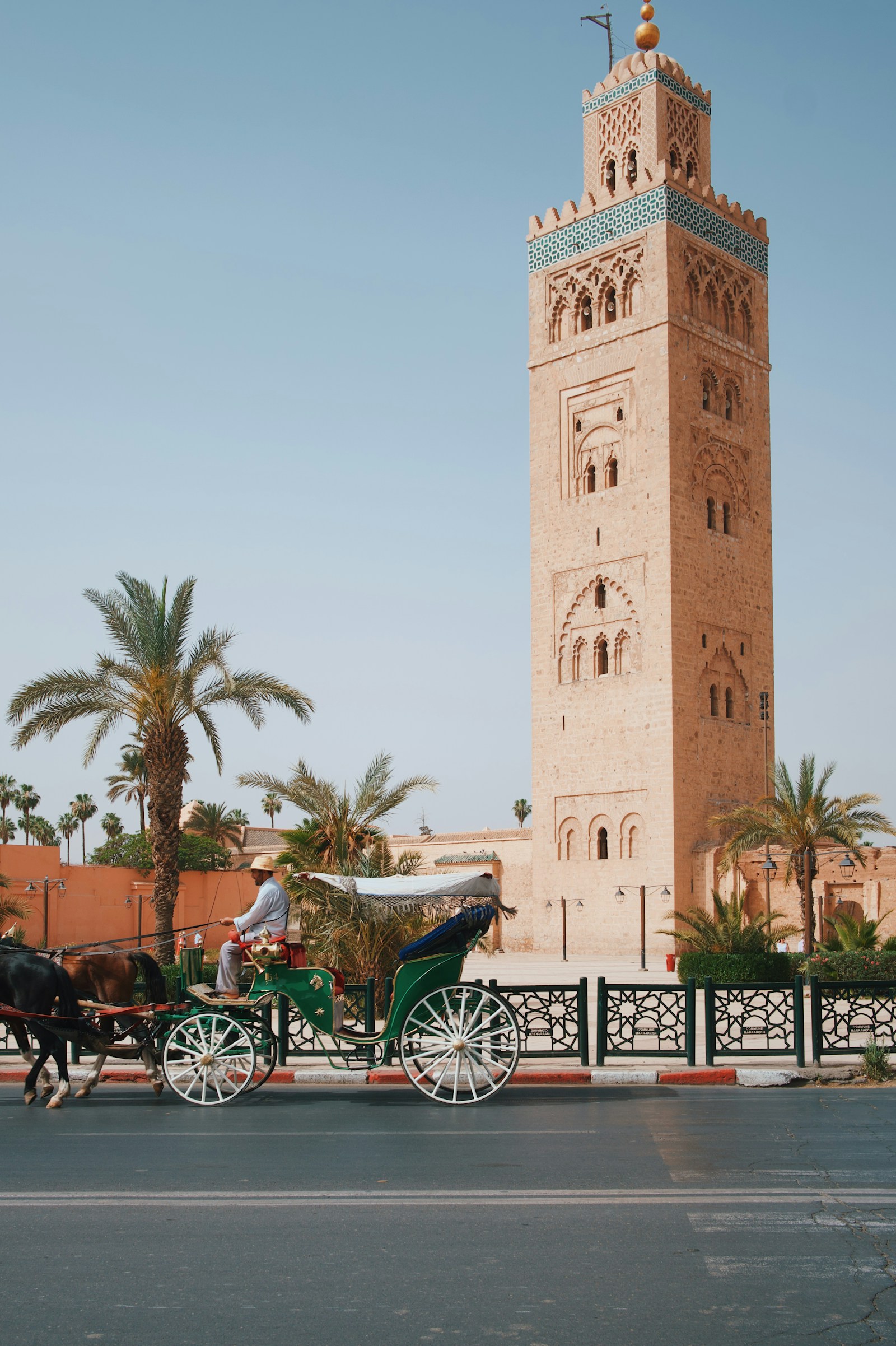
Marrakech has been a Moroccan imperial city for nearly a thousand years, and the UNESCO-listed medina — built in the 11th century under the Almoravid dynasty — remains one of the best-preserved medieval Islamic cities in the world. The medina's 93 square kilometres contain a labyrinthine network of derbs (dead-end alleyways), fondouks (former merchant caravanserais), ornate mosques, and the famous souks organized by trade: dyers, tanners, metalworkers, spice merchants, lantern makers, and leather workers each occupy their own quarter, a system unchanged for five centuries.
Jemaa el-Fna square is the medina's pulsing heart and a UNESCO Intangible Cultural Heritage. By day it hosts snake charmers, storytellers, and orange juice carts; by night it transforms into a city of food stalls, musicians, and henna artists drawing thousands of Moroccan families along with visitors. Beyond the square, the Bahia Palace and Saadian Tombs reward those who push deeper into the medina, while the Musée de Marrakech and Medersa Ben Youssef display Islamic decorative arts at their most refined.
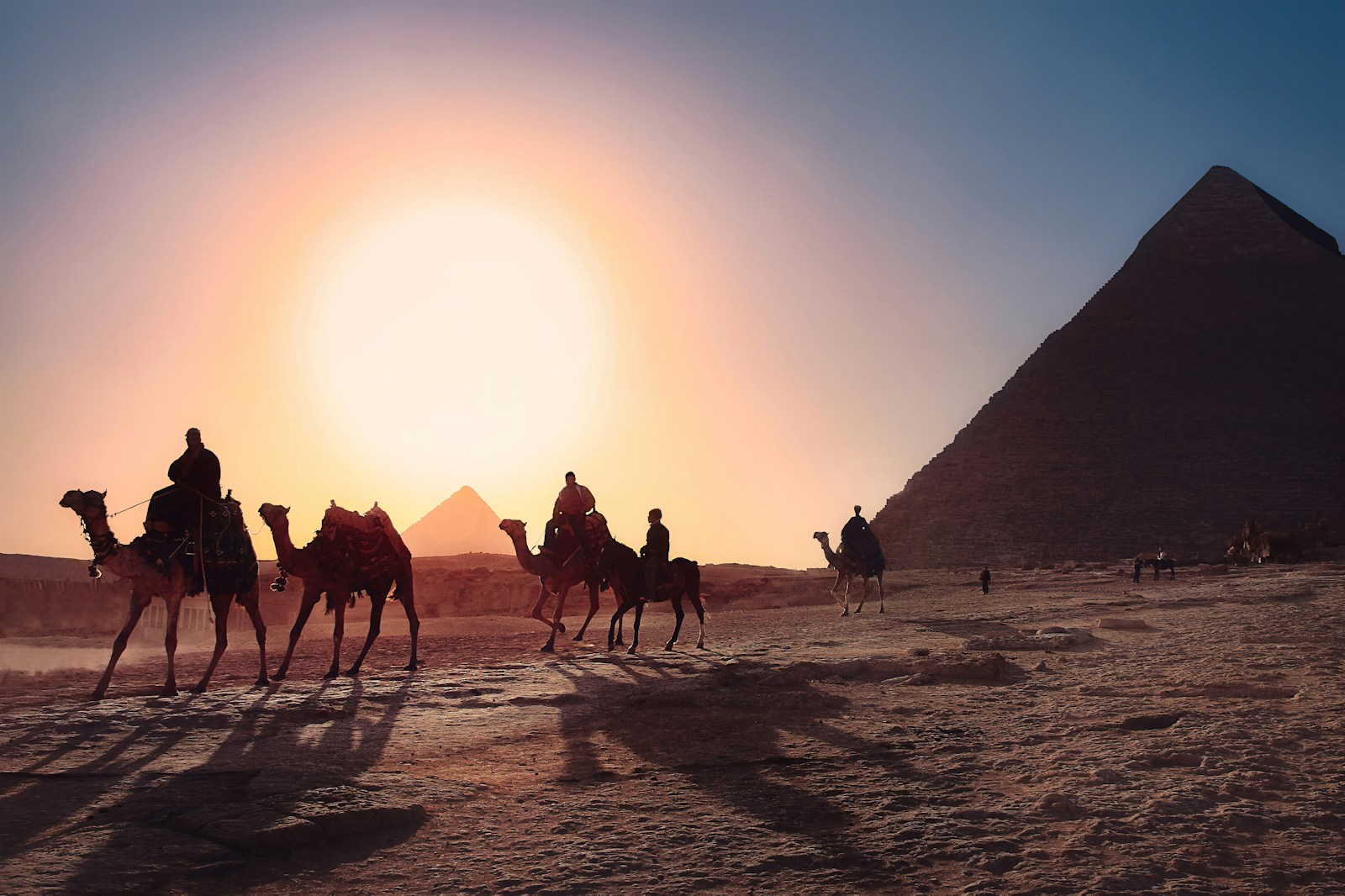
Marrakech serves as the ideal base for reaching Morocco's most dramatic landscapes. The Atlas Mountains begin just 30 kilometres from the city: day trips to the Ourika Valley or Imlil village offer a complete contrast to the urban intensity of the medina. The Ouzoud Waterfalls (150 metres, three hours away) are among Africa's most impressive. Two days of driving south through the mountains reaches the Sahara at Merzouga for camel treks into the Erg Chebbi dunes.
Practical planning: Stay in a riad — a traditional courtyard house converted to a guesthouse — for the definitive Marrakech experience. Hire a local guide for your first medina morning: getting lost is guaranteed and a guide pays for itself. Haggling is expected in all souks; opening prices can be five times the fair value. Best time is October to April. Summer (June-August) is searingly hot at 38-42°C. The medina is best explored on foot; taxis are cheap for longer distances.
Practical planning for Marrakech: the best time to visit is season-dependent, with a typical budget level of mid-range. Most travellers need three to five full days to cover the highlights without rushing — add extra time if you are combining Marrakech with nearby regions.
Priority experiences include local food, culture, and outdoor experiences. Do not miss the main sights and neighbourhoods.
Before you book, verify entry requirements for Morocco — visa rules, passport validity, and any health documentation change frequently. Travel insurance with medical evacuation cover is worthwhile for international trips.
Where to stay: pick a walkable neighbourhood close to your main interests rather than the cheapest option far from the centre — transport costs and lost time often erase the savings. Book popular restaurants, guided tours, and peak-season accommodation early for high season dates.
Culture travellers and food enthusiasts who enjoy sensory intensity — less suitable for those who need an easy, low-hassle trip.
Compare prices and book your trip — hotels, flights, and guided tours.
* Links open partner sites. We may earn a commission at no extra cost to you. See our editorial policy.