adventure
🦁 Maasai Mara & Nairobi
📍 Kenya · Africa
📍 Kenya · Africa
🏛 Great Wildebeest Migration
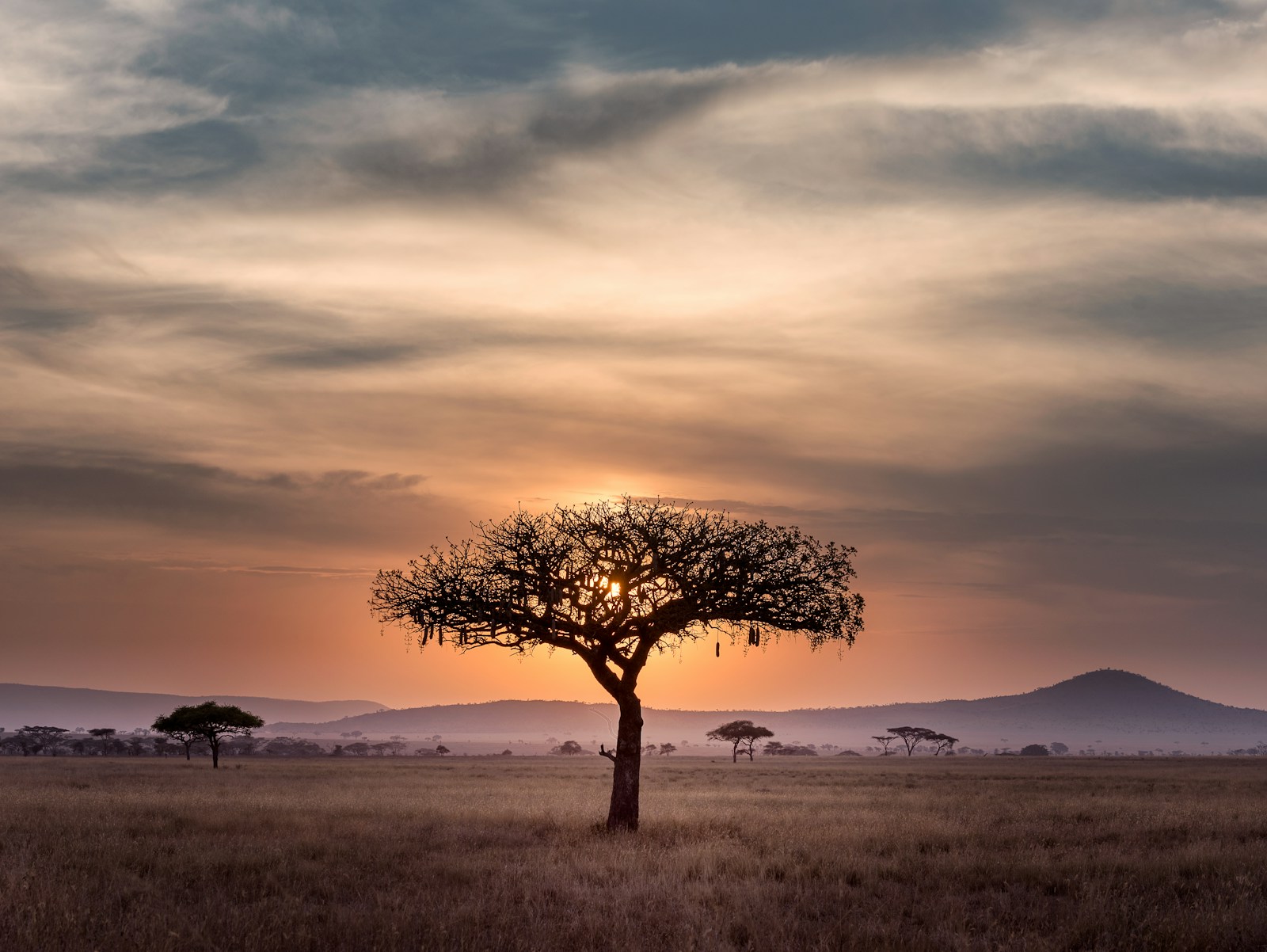
Kenya is the country that defined the word "safari" for the modern world, and it continues to set the global standard for African wildlife experiences. The country's diversity of ecosystems — from the snowcapped peaks of Mount Kenya and the Aberdares to the vast Rift Valley lakes, coral reefs of the Indian Ocean coast, and the grass sea of the Maasai Mara — means that a single Kenyan itinerary can encompass experiences that other countries could not offer in a month.
The Maasai Mara National Reserve is Kenya's centrepiece and the setting for one of nature's greatest spectacles: the Great Migration. From July to October, over 1.5 million wildebeest, 500,000 zebra, and 200,000 gazelle complete the final stage of their annual circuit from Tanzania's Serengeti, crossing the Mara River in scenes of extraordinary drama — crocodiles pulling animals under, the chaos of thousands of wildebeest piling into the river simultaneously, then emerging on the other side to the Mara's rich grasslands. Even outside migration season, the Mara has exceptional lion, leopard, cheetah, elephant, and buffalo populations year-round.
Beyond the Mara, Kenya's safari options are extraordinary. Amboseli National Park sits beneath the snows of Kilimanjaro across the Tanzanian border; the sight of elephants moving across the plains with Africa's highest mountain as backdrop is iconic. Samburu National Reserve in the north holds species found nowhere else: Grevy's zebra, reticulated giraffe, Beisa oryx, and Somali ostrich. The Ol Pejeta Conservancy near Mount Kenya holds the last two northern white rhinos on Earth.
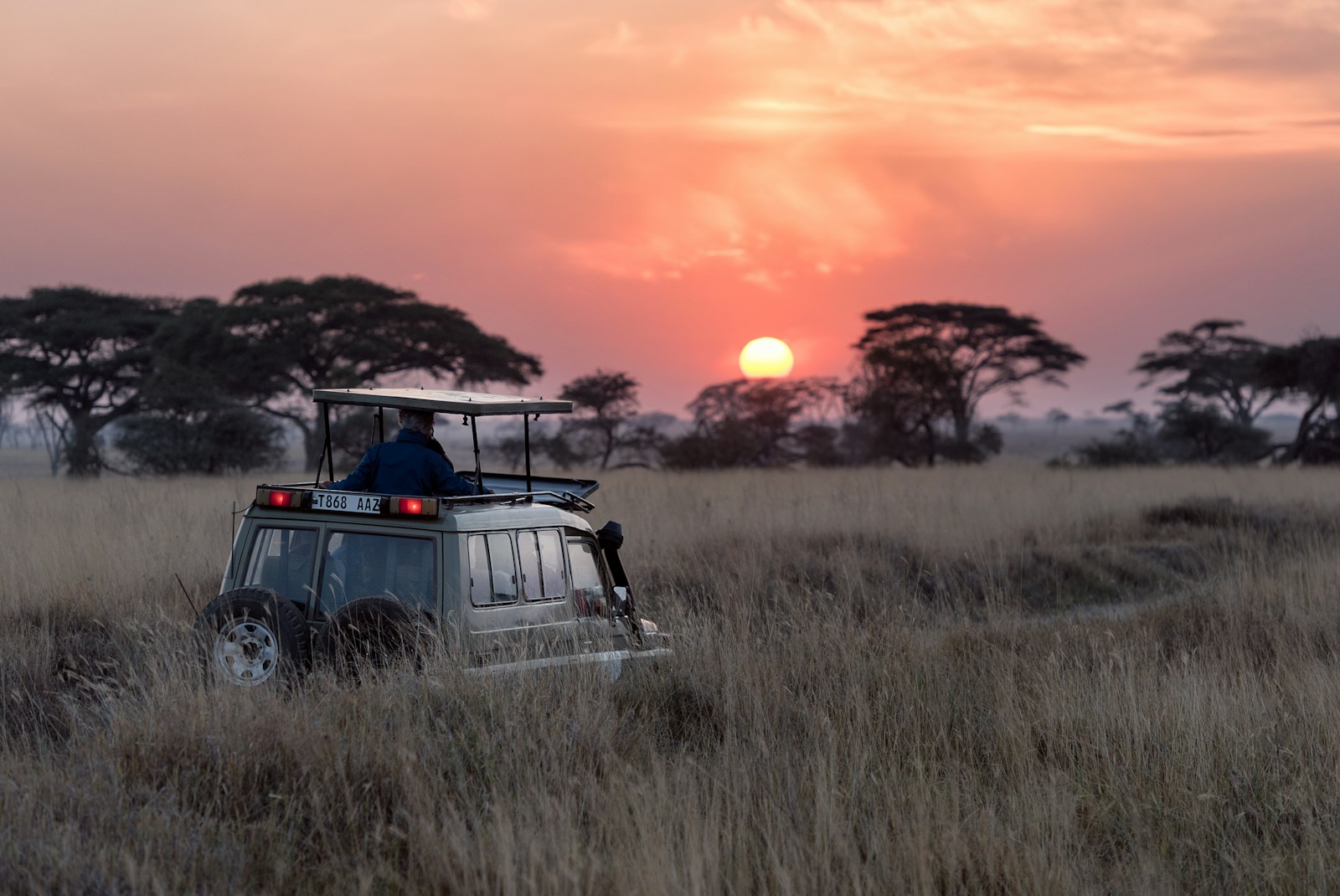
Practical planning: Best time for the Great Migration river crossings is August to October. Dry seasons (January-February, July-October) offer the best wildlife viewing generally as animals concentrate around water. Nairobi is the gateway and worth a half-day: the David Sheldrick Wildlife Trust elephant orphanage and the Giraffe Centre are both excellent. Luxury camps in the Mara (Mahali Mzuri, Angama Mara, Sanctuary Olonana) deliver exceptional experiences but cost $700-1,500 per person per night; budget options exist in conservancies adjoining the reserve.
Practical planning for Maasai Mara & Nairobi: the best time to visit is season-dependent, with a typical budget level of mid-range. Most travellers need three to five full days to cover the highlights without rushing — add extra time if you are combining Maasai Mara & Nairobi with nearby regions.
Priority experiences include local food, culture, and outdoor experiences. Do not miss the main sights and neighbourhoods.
Before you book, verify entry requirements for Kenya — visa rules, passport validity, and any health documentation change frequently. Travel insurance with medical evacuation cover is worthwhile for international trips.
Where to stay: pick a walkable neighbourhood close to your main interests rather than the cheapest option far from the centre — transport costs and lost time often erase the savings. Book popular restaurants, guided tours, and peak-season accommodation early for high season dates.
Wildlife photographers, first-time safari travellers, and anyone wanting the widest variety of African experiences in a single trip.
Compare prices and book your trip — hotels, flights, and guided tours.
* Links open partner sites. We may earn a commission at no extra cost to you. See our editorial policy.