adventure
🏔️ Cape Town
📍 South Africa · Africa
📍 South Africa · Africa
🏛 Table Mountain
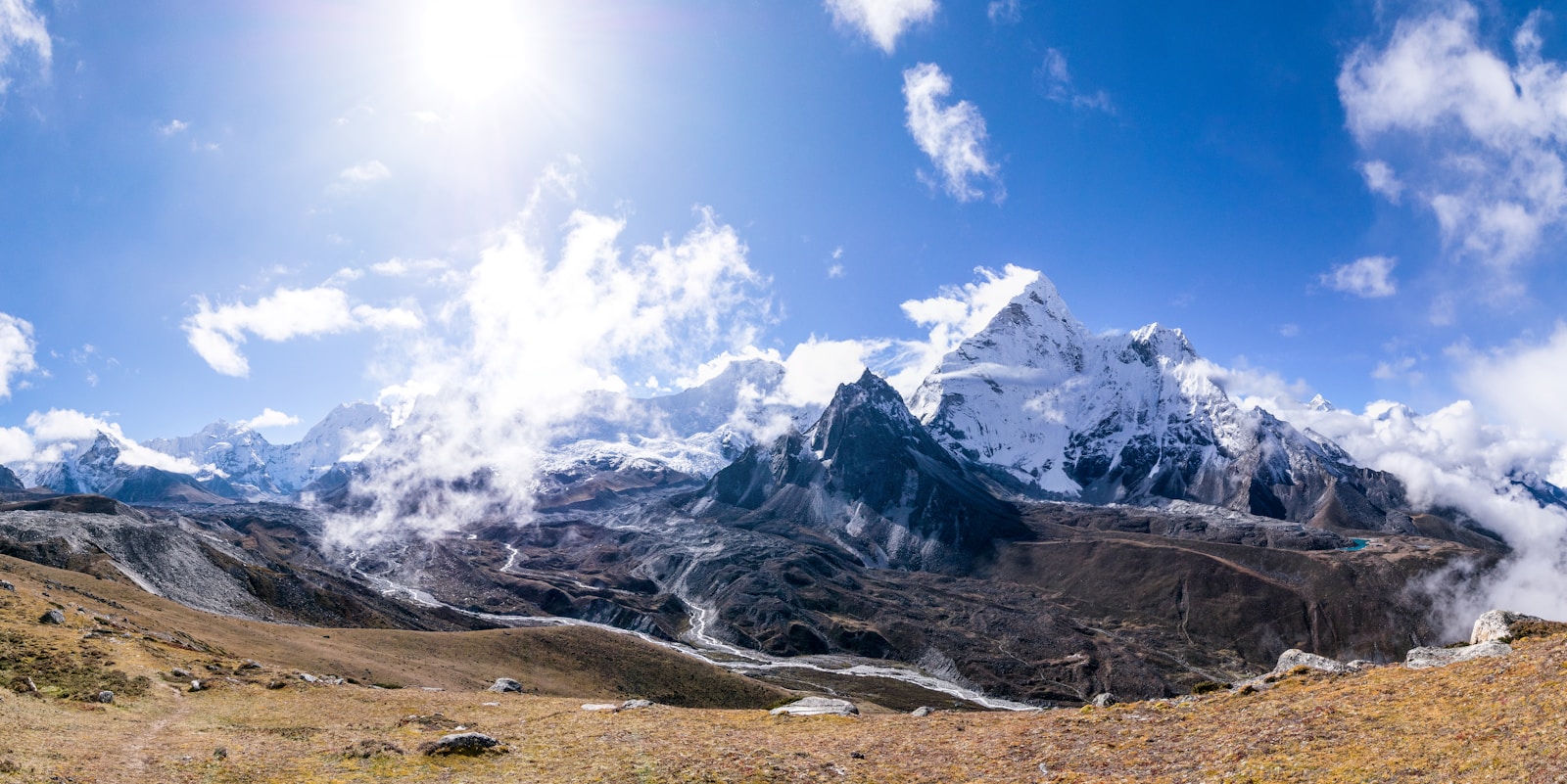
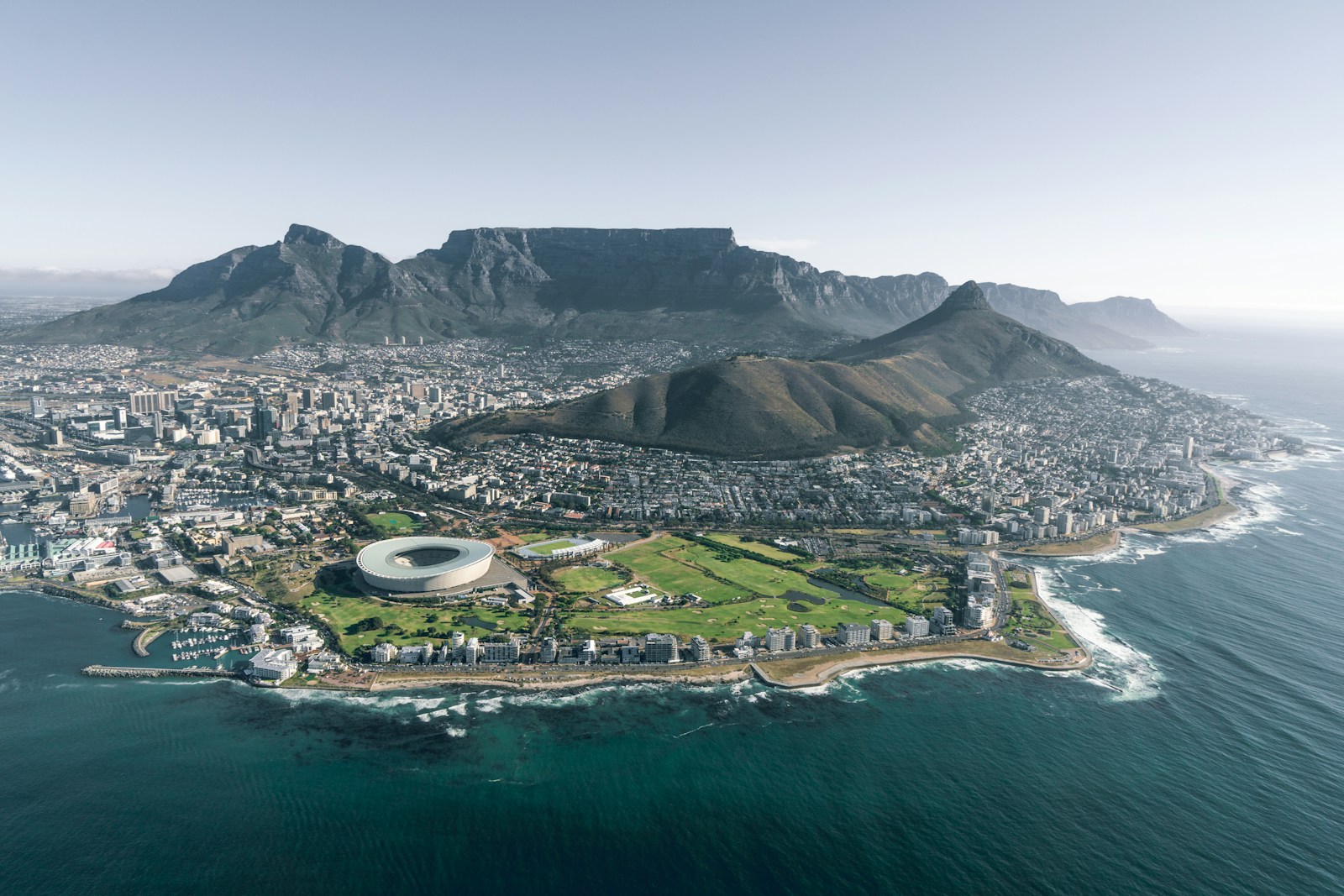
Cape Town sits at the meeting point of two oceans — the Atlantic and Indian — producing one of the planet's most physically spectacular cities. Table Mountain, a flat-topped sandstone massif rising 1,086 metres directly above the city centre, is visible from almost everywhere and defines the skyline completely. The cable car and numerous hiking trails offer perspectives over both coastlines, the Cape Peninsula, Robben Island, and on clear days the Hottentots Holland mountains 50 kilometres away.
The city's neighborhoods each have distinct personalities. The V&A Waterfront combines a working harbor with excellent restaurants and the Zeitz MOCAA — the continent's largest contemporary African art museum. Bo-Kaap, painted in vivid pinks and yellows, is the historic Cape Malay quarter whose residents' ancestors were enslaved by Dutch colonists from the 17th century onward. The Atlantic Seaboard — Clifton, Camps Bay, Llandudno — offers some of the world's most photogenic beach scenery, even if the Benguela current keeps the water persistently cold.
Beyond the city, the Cape Winelands in Stellenbosch and Franschhoek rival Burgundy and Bordeaux for scenic beauty and produce world-class Pinotage, Chenin Blanc, and Méthode Cap Classique sparkling wines. Boulders Beach in Simon's Town protects a colony of 3,000 African penguins that waddle within metres of visitors. Hermanus on the Cape Whale Coast offers the world's best land-based whale watching from June to November as southern right whales come to calve in the sheltered bay.
Practical planning: The Atlantic Seaboard and City Bowl are safest for accommodation. The Cape Doctor — a powerful southeasterly wind — blows November to February; pack a windbreaker even in midsummer. Best time is November to March (austral summer). Hire a car for the Winelands and the Peninsula: public transport between attractions is limited. Exercise the same common-sense caution you would in any major city with high visible inequality.
Practical planning for Cape Town: the best time to visit is season-dependent, with a typical budget level of mid-range. Most travellers need three to five full days to cover the highlights without rushing — add extra time if you are combining Cape Town with nearby regions.
Priority experiences include local food, culture, and outdoor experiences. Do not miss the main sights and neighbourhoods.
Before you book, verify entry requirements for South Africa — visa rules, passport validity, and any health documentation change frequently. Travel insurance with medical evacuation cover is worthwhile for international trips.
Where to stay: pick a walkable neighbourhood close to your main interests rather than the cheapest option far from the centre — transport costs and lost time often erase the savings. Book popular restaurants, guided tours, and peak-season accommodation early for high season dates.
Outdoor adventurers, wine lovers, and anyone wanting Africa's most visually spectacular city — not a pure safari trip.
Compare prices and book your trip — hotels, flights, and guided tours.
* Links open partner sites. We may earn a commission at no extra cost to you. See our editorial policy.