beach
🏝️ Zanzibar
📍 Tanzania · Africa
📍 Tanzania · Africa
🏛 Stone Town UNESCO Site
Zanzibar is a semi-autonomous archipelago off the Tanzanian coast that has sat at the centre of Indian Ocean trade routes for over two millennia. Arab, Persian, Indian, Portuguese, Omani, and British influences have layered into a unique Swahili culture expressed most completely in UNESCO-listed Stone Town — a medieval warren of carved wooden doors, coral-rag mansions, mosques, and narrow lanes where donkeys still carry goods through passages too tight for cars. The Sultan's Palace, House of Wonders, and the deeply sobering former slave market remind visitors that Zanzibar was also the hub of the East African slave trade before abolition in 1873.
Stone Town's evenings center on the Forodhani Gardens waterfront, where a nightly food market sets up at dusk: Zanzibari pizza (thin crepes stuffed with egg, beef, and vegetables), grilled octopus, sugar cane juice, and fresh coconut served under fairy lights while dhow boats pass on the harbor. The spice tours — visiting farms growing cloves, vanilla, nutmeg, cinnamon, and black pepper in the island's lush interior — are one of the best half-day excursions anywhere in East Africa.
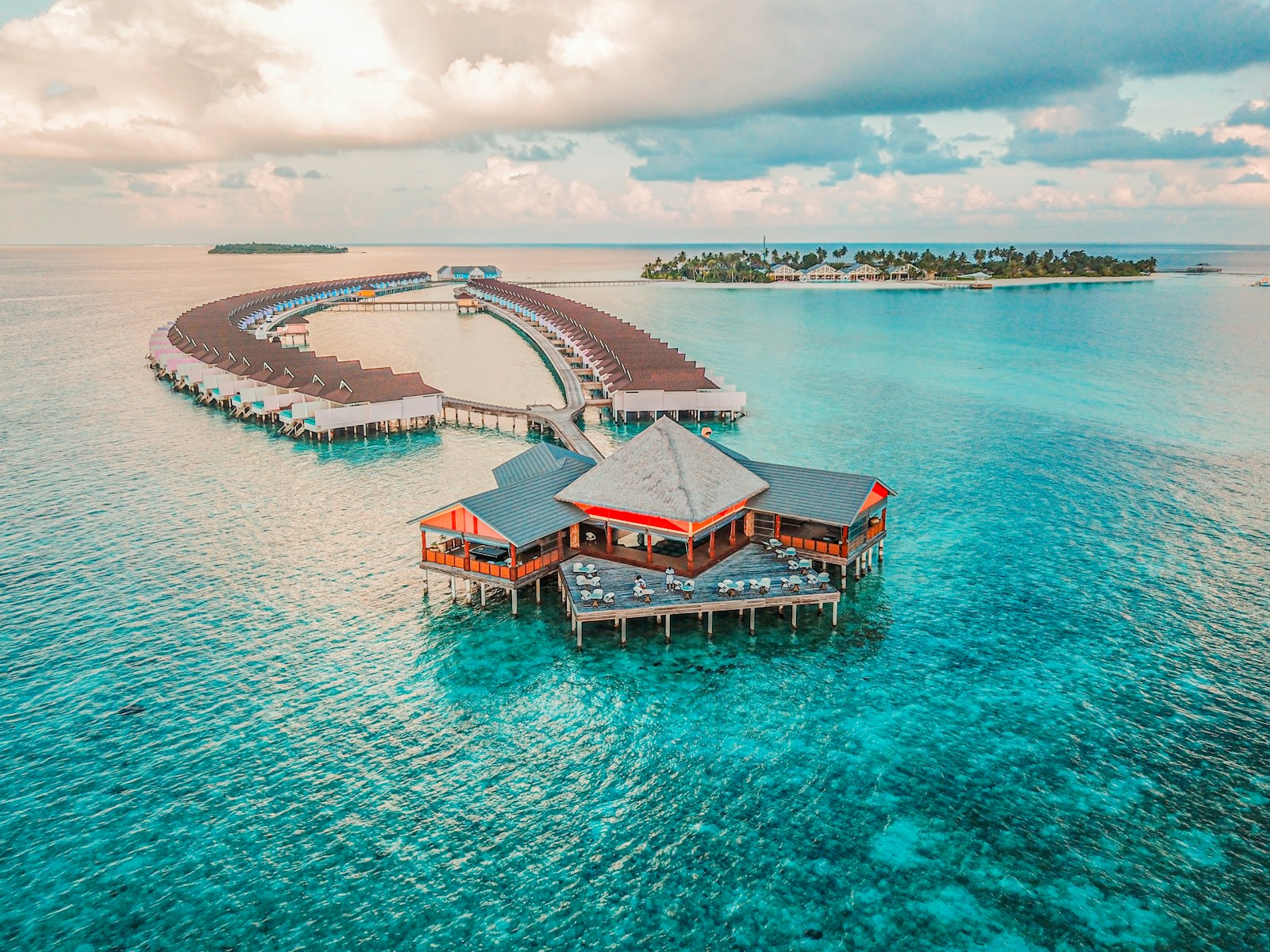
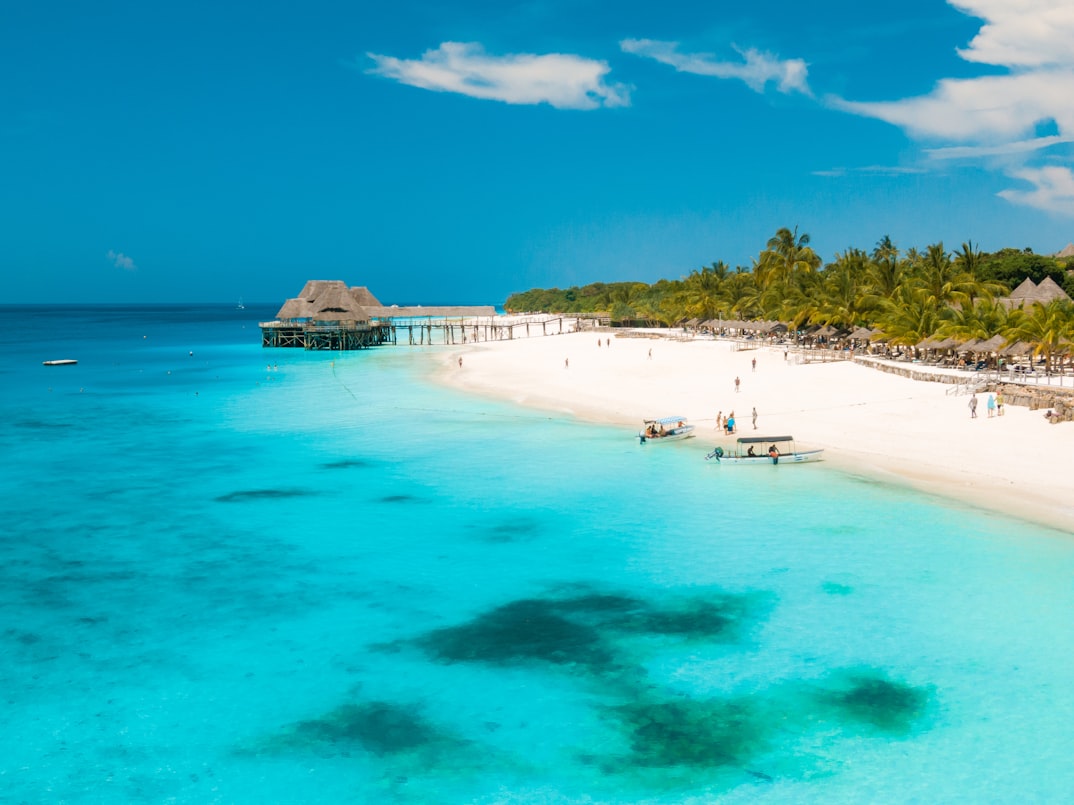
The island's beaches vary dramatically by location. The northwest coast (Nungwi, Kendwa) has the calmest water, minimal tidal variation, and the most active nightlife. The east coast (Paje, Jambiani) faces the open Indian Ocean; low tide reveals vast tidal flats ideal for kitesurfing and seaweed farming. The marine protected areas around Mnemba Atoll offer world-class snorkeling and diving — hawksbill turtles, reef sharks, and schooling barracuda are routine sightings. Swimming with dolphins is possible at Kizimkazi in the south.
Practical planning: Best months are June to October (dry season) and January to February (short dry spell between monsoons). Avoid April to May (heavy rains). Stone Town accommodation is characterful but book ahead in peak season. Combine Zanzibar with a Tanzania mainland safari — four days on the Serengeti followed by five days in Zanzibar is one of Africa's classic itineraries. Dress conservatively in Stone Town (Stone Town is 97% Muslim); beachwear is fine on resort beaches.
Practical planning for Zanzibar: the best time to visit is season-dependent, with a typical budget level of mid-range. Most travellers need three to five full days to cover the highlights without rushing — add extra time if you are combining Zanzibar with nearby regions.
Priority experiences include local food, culture, and outdoor experiences. Do not miss the main sights and neighbourhoods.
Before you book, verify entry requirements for Tanzania — visa rules, passport validity, and any health documentation change frequently. Travel insurance with medical evacuation cover is worthwhile for international trips.
Where to stay: pick a walkable neighbourhood close to your main interests rather than the cheapest option far from the centre — transport costs and lost time often erase the savings. Book popular restaurants, guided tours, and peak-season accommodation early for high season dates.
Post-safari decompressors, beach lovers who want cultural depth alongside the sand, and kitesurfers.
Compare prices and book your trip — hotels, flights, and guided tours.
* Links open partner sites. We may earn a commission at no extra cost to you. See our editorial policy.