A safari is one of travel's great experiences — but with dozens of countries, hundreds of parks, and wildly different price ranges, planning one is genuinely overwhelming. This guide cuts through the noise.
The Big Five. The Great Migration. Sunsets over the Serengeti. A safari sits at the top of bucket lists for a reason — there is genuinely nothing like watching a lion hunt from 30 metres away. But planning one without guidance is a minefield of overpriced lodges, wrong seasons, and missed wildlife windows.
The Big Four Safari Destinations
Kenya — The Classic
The Masai Mara is the most iconic safari park in the world. The Great Migration crosses from Tanzania's Serengeti into the Mara between July and October — two million wildebeest, zebra, and gazelle crossing the Mara River in one of nature's greatest spectacles. Kenya is also relatively English-speaking and well set up for first-time safari travelers.
Best time: July–October (migration), January–February (calving season)
Budget: Mid-range camps from $300/night; luxury tented camps from $800/night
Tanzania — The Scale
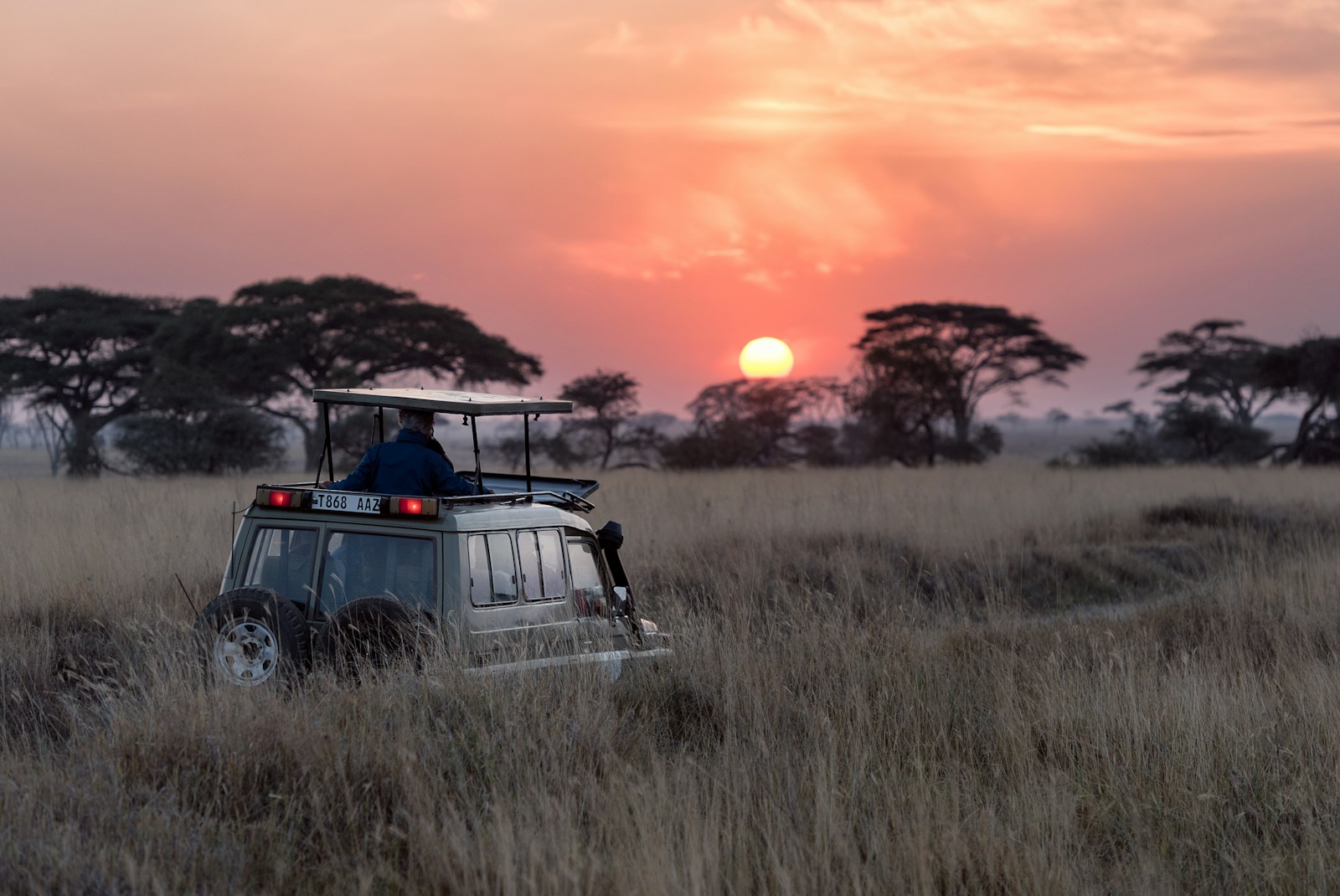
The Serengeti is larger, wilder, and less crowded than the Mara. Ngorongoro Crater is the world's largest intact volcanic caldera and contains one of Africa's densest wildlife populations. Combine Serengeti with Zanzibar for a safari-and-beach trip that's hard to beat.
Best time: June–October (dry season, wildlife concentrates at water)
Budget: Similar to Kenya; Zanzibar adds $150–400/night
South Africa — The Gateway
Kruger National Park is the size of Wales and arguably the best self-drive safari in Africa. You can rent a car, stay in rest camps for $80/night, and see the Big Five without a guide. Cape Town adds world-class wine, food, and scenery. South Africa is the most accessible African safari destination and the best entry point.
Best time: May–September (dry winter; animals visible at waterholes)
Budget: Self-drive Kruger: $150–200/day all-in. Luxury private reserves: $600–1,500/night
Botswana — The Luxury Wilderness
Botswana deliberately limits tourist numbers to protect its ecosystems. The Okavango Delta — the world's largest inland delta — is unlike any safari environment on earth: vast waterways, papyrus channels, and hippo-filled lagoons explored by mokoro (dugout canoe). This is bucket-list territory. It's expensive, and worth every cent.
Best time: June–October (peak dry season, water levels high in the delta)
Budget: $600–2,000+/night all-inclusive
What to Budget Overall
- Budget safari (South Africa self-drive): $2,500–4,000 for 10 days
- Mid-range (Kenya/Tanzania group tour): $4,000–7,000 for 10 days
- Luxury (private camps, Botswana): $10,000–20,000+ for 10 days
First-Timer Checklist
- Book accommodation before flights — peak-season lodges sell out 12 months ahead
- Pack neutral colors (khaki, olive, grey) — avoid blue (attracts tsetse flies) and bright colors
- Yellow fever vaccination required for many African countries; malaria prophylaxis essential
- Dawn and dusk game drives are best — big cats are most active at these times
- Bring a telephoto lens (at minimum 300mm) — the animals aren't always close
A safari changes how you see the world. The planning is worth it. Choose your destination, pick your season, and go.
Beyond the Big Four: Other Safari Destinations Worth Considering
Zimbabwe — Victoria Falls + Safari
Zimbabwe is one of Africa's best-value safari destinations and has been underpriced for years due to undeserved reputational baggage. Hwange National Park has one of the largest elephant populations on earth — herds of 50+ at waterholes are routine. Mana Pools National Park, on the Zambezi flood plain, is the only place in Africa where you can walk unguided among elephant, lion, and wild dog. Combine it with Victoria Falls (the most powerful waterfall on earth from the Zimbabwean viewing side) for a safari-and-spectacle trip that costs significantly less than Kenya or Botswana.
Rwanda — Gorillas + Urban Sophistication
Rwanda is Africa's most compelling emerging destination. Kigali is the cleanest, most orderly capital city on the continent. The mountain gorilla trekking in Volcanoes National Park is the most moving wildlife experience available anywhere in Africa — sitting for an hour with a gorilla family in misty bamboo forest is genuinely life-altering. The permit costs $1,500 per person (the money funds conservation directly) and must be booked through Rwanda Development Board months in advance.
How to Choose: Guided Tour vs Self-Drive vs Fly-In
Group tour (Kenya/Tanzania): Best value for first-timers. A reputable operator handles logistics — game drives, accommodation, and transfers — so you focus on the experience. 8–10 day group tours run $4,000–7,000 all-in from Nairobi. Quality varies enormously between operators: look for membership in ATTA (Africa Travel Association) and reviews on TripAdvisor and SafariBookings.com.
Self-drive (South Africa, Namibia): Kruger National Park and Etosha in Namibia are the world's finest self-drive safari parks. You rent a car, stay in rest camps ($80–150/night), and drive yourself between waterholes and viewpoints. Requires more planning but offers a freedom that guided safaris can't match. Best for independent travellers who've done at least one guided safari before.
Fly-in (Botswana, Zambia, Zimbabwe): Small charter planes connect remote camps that are inaccessible by road. The most expensive option ($600–2,000+/night), but these camps offer game density and exclusivity that justifies the cost for serious wildlife travellers. Okavango Delta fly-in camps in Botswana represent the pinnacle of the safari experience.
Safari Ethics: Choosing Responsible Operators
The safari industry's impact on conservation is profound — poorly managed tourism can damage ecosystems, while well-managed tourism funds the anti-poaching operations that keep wildlife populations alive. When choosing an operator, look for: community benefit sharing (does the camp employ and source from local communities?); low-impact camp design (solar power, waste management, minimal footprint); membership in conservation organisations like the African Wildlife Foundation; and transparent conservation contribution policies. The Responsible Tourism Awards and Fair Trade Tourism certification are reliable guides. The camps that charge more are often doing more — the premium buys both exclusivity and conservation impact.