Southwest
🛣️ Oklahoma
📍 Route 66 & Wichita Mountains · United States
📍 Route 66 & Wichita Mountains · United States
🏛 Route 66 Historic Highway
Oklahoma occupies a unique position in the American experience — the gateway between the Deep South and the Great Plains, the crossroads of Native American history and Route 66 culture, and a state whose dramatic story encompasses the land runs, the Dust Bowl, the Oklahoma City bombing, and the most significant indigenous cultural heritage of any US state. It is consistently overlooked as a travel destination and consistently underestimated by those who do visit.
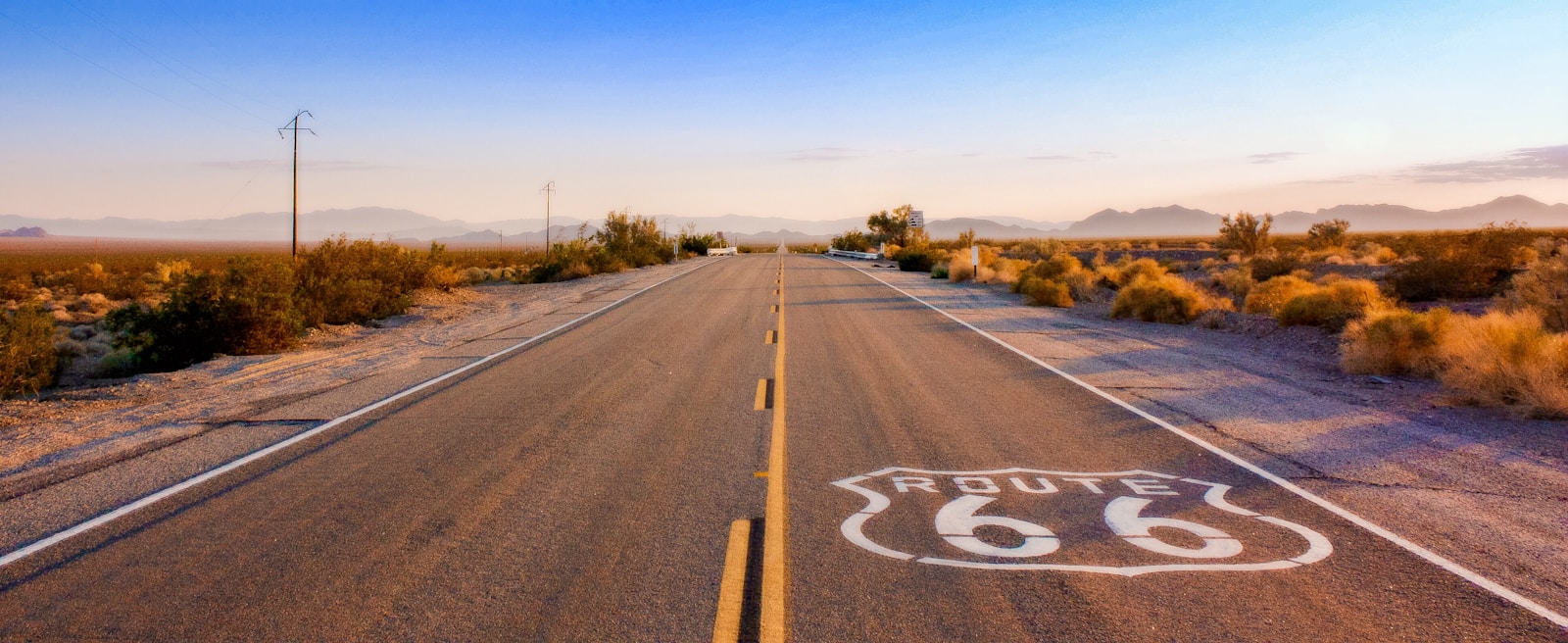
Route 66 runs 400 miles across Oklahoma from the Kansas border to the Texas state line, and the Oklahoma stretch is widely considered the most authentic and intact of the entire 2,448-mile Mother Road — more original roadbed, more original bridges (over 100 pre-WWII bridges survive), and more operating original-era businesses than any other state section. The Blue Whale of Catoosa (a 1970s roadside attraction, an enormous concrete blue whale in a pond), Arcadia's Round Barn (built in 1898 of bur oak, the only round barn on Route 66), Chandler's Lincoln Motel (a 1930s motor court), and Tulsa's Art Deco architecture along its Route 66 corridor are the highlights of an itinerary that rewards slow, curious driving.
Oklahoma has a larger enrolled Native American population than any other US state — 39 federally recognized tribes hold territory here, and their cultural, political, and economic presence is more visible and integrated into the state's life than in most of the country. The Five Civilized Tribes Museum complex in Tahlequah documents the history of the Cherokee, Choctaw, Creek, Chickasaw, and Seminole nations — peoples who were forcibly removed from their southeastern homelands to Indian Territory (present-day Oklahoma) along the Trail of Tears in the 1830s, and who rebuilt their nations on the new land. Tahlequah was the capital of the Cherokee Nation (and remains so today), and the history here is both painful and remarkable.
The Wichita Mountains Wildlife Refuge in southwestern Oklahoma protects 59,020 acres of granite mountains, mixed-grass prairie, and spring-fed streams, and hosts one of America's largest and healthiest free-roaming bison herds — 650 animals descended from the 15 bison brought from the Bronx Zoo in 1907 as part of the American Bison Society's recovery effort. The Oklahoma City National Memorial, built on the site of the 1995 bombing of the Alfred P. Murrah Federal Building (168 killed), is one of America's most thoughtful and moving memorial landscapes — 168 bronze chairs arranged in the footprint of the destroyed building, reflecting in the Reflecting Pool at dawn.
Route 66 road-trippers wanting the most authentic stretch of the Mother Road, Indigenous American cultural heritage visitors, wildlife photographers targeting the Wichita Mountains bison herd, and those making the Oklahoma City Memorial pilgrimage.
Compare prices and book your trip — hotels, flights, and guided tours.
* Links open partner sites. We may earn a commission at no extra cost to you. See our editorial policy.