Pacific
🐻 Alaska
📍 Denali & Inside Passage · United States
📍 Denali & Inside Passage · United States
🏛 Denali (North America's Highest Peak)
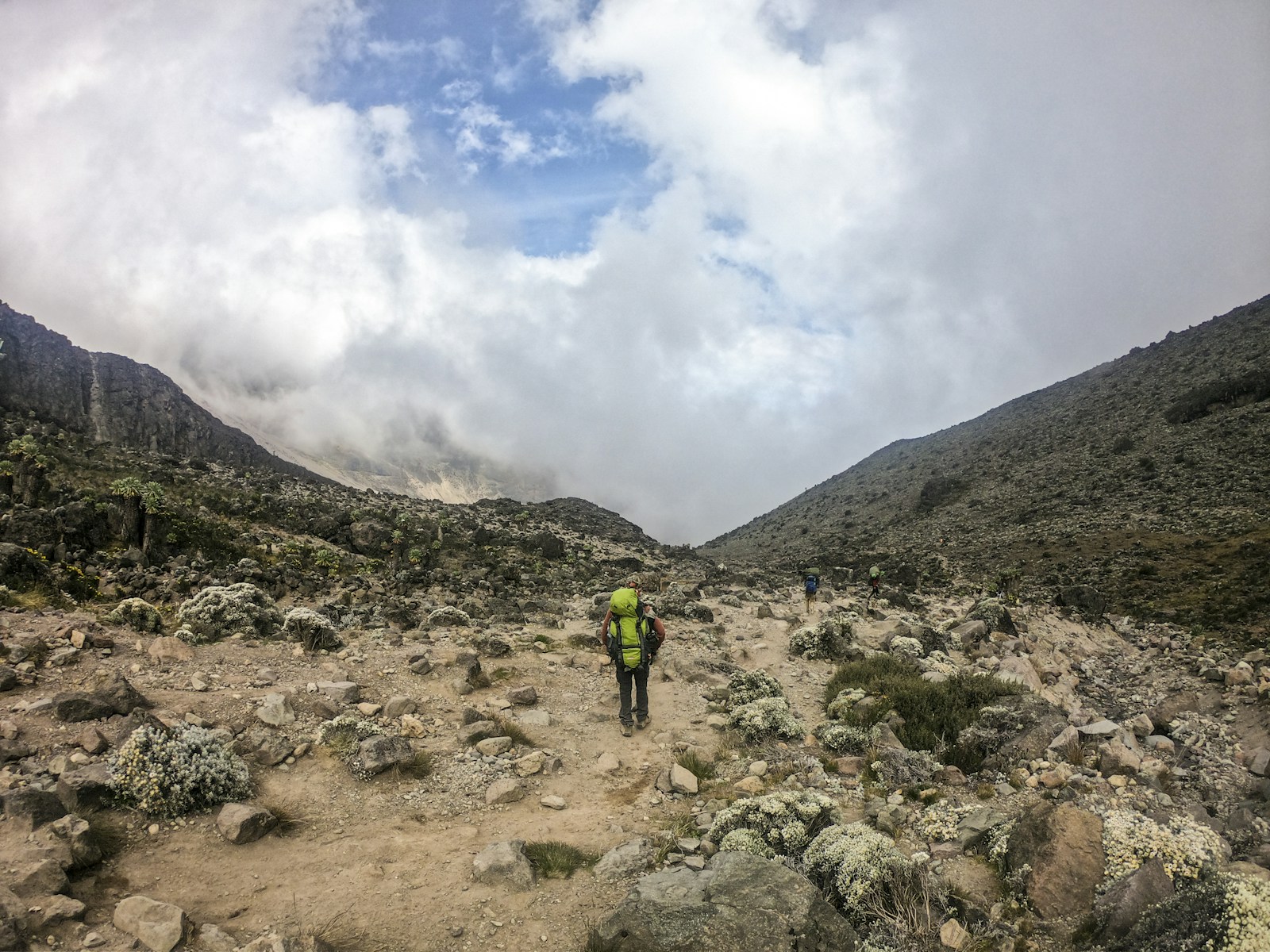
Alaska is the USA's final frontier — a state twice the size of Texas, with a population smaller than Louisville, Kentucky. Its scale is almost impossible to comprehend until you're standing inside it: Denali National Park alone encompasses 6 million acres, and the park's one road penetrates only 92 miles into its interior, leaving the vast majority accessible only by bush plane or foot. Denali (formerly Mount McKinley) at 20,310 feet is the highest peak in North America, and on a clear day it dominates the horizon for hundreds of miles in every direction.
Wildlife viewing in Alaska is unlike anywhere else in the world. Katmai National Park's Brooks Falls in late July hosts the most dramatic natural spectacle in North America — dozens of coastal brown bears line the falls catching sockeye salmon mid-leap as they ascend to spawn. Bear viewing platforms allow close observation in safety. Kenai Fjords National Park on the Kenai Peninsula offers spectacular glacier calving from tidewater glaciers, alongside sea otters, orcas, puffins, and humpback whales. The Inside Passage cruise route, threading through fjords, islands, and glaciers from Seattle to Juneau, is one of the world's great sea journeys.
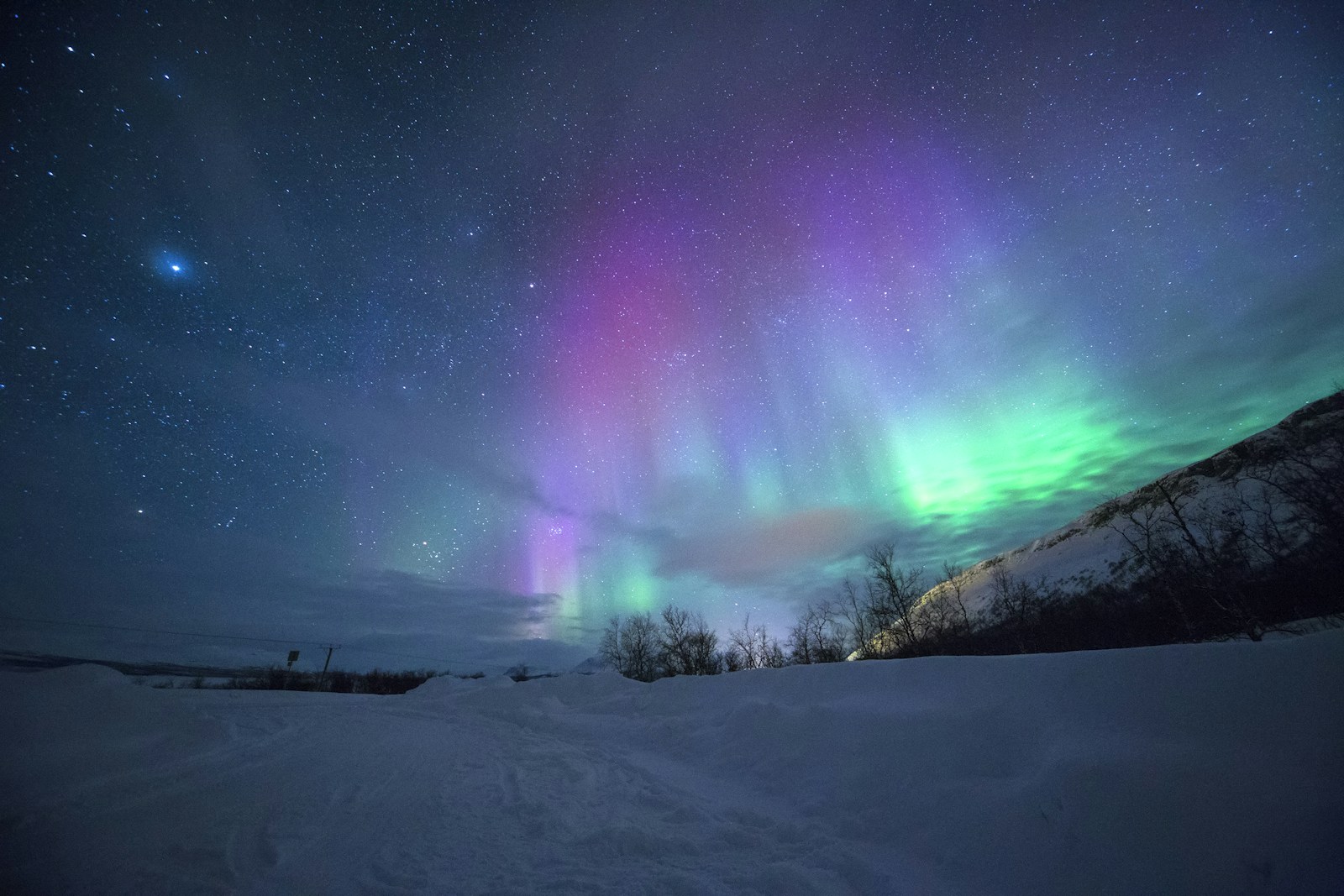
The aurora borealis seasons runs from late September through mid-March; Fairbanks, in the interior, offers the most reliable viewing with the darkest skies. Summer brings the midnight sun — Fairbanks sees 22+ hours of daylight in June, which takes some adjustment but allows extraordinary flexibility for outdoor exploration. Summers are the only season when most parks and roads are accessible; winters are extreme (Fairbanks averages -11°F in January) but offer a different kind of raw, silent beauty.
Practically, Alaska is expensive to travel independently. A cruise on the Inside Passage (Juneau, Skagway, Ketchikan, Glacier Bay) is the most accessible way to see the southeast. Renting an RV in Anchorage and driving the Alaska Highway to Denali is the classic road trip. Flightseeing tours from Talkeetna offer once-in-a-lifetime views of Denali and Ruth Glacier.
Practical planning for Alaska: the best time to visit is season-dependent, with a typical budget level of mid-range. Most travellers need three to five full days to cover the highlights without rushing — add extra time if you are combining Alaska with nearby regions.
Priority experiences include local food, culture, and outdoor experiences. Do not miss the main sights and neighbourhoods.
Getting there: fly into the nearest major airport serving Alaska and rent a car if you plan to visit national parks or small towns — many US states are car-dependent outside city centres. Book national park entry (where timed reservations apply) and popular trail permits as early as possible. Travel insurance covering rental car excess and medical care is recommended for domestic trips with adventure activities.
Where to stay: choose a base near your top priority — a gateway town for parks, a walkable downtown for cities, or a coastal hub for beach regions. Shoulder seasons around spring and fall usually offer better availability and lower lodging prices than peak summer or holiday weeks.
Wildlife photographers targeting world-class brown bear and salmon encounters, aurora chasers in winter, Inside Passage cruise travellers, Denali backcountry mountaineers and trekkers, and adventurous travellers seeking genuine American wilderness.
Compare prices and book your trip — hotels, flights, and guided tours.
* Links open partner sites. We may earn a commission at no extra cost to you. See our editorial policy.