Northeast
🗽 New York
📍 NYC & Niagara Falls · United States
📍 NYC & Niagara Falls · United States
🏛 Niagara Falls & Times Square
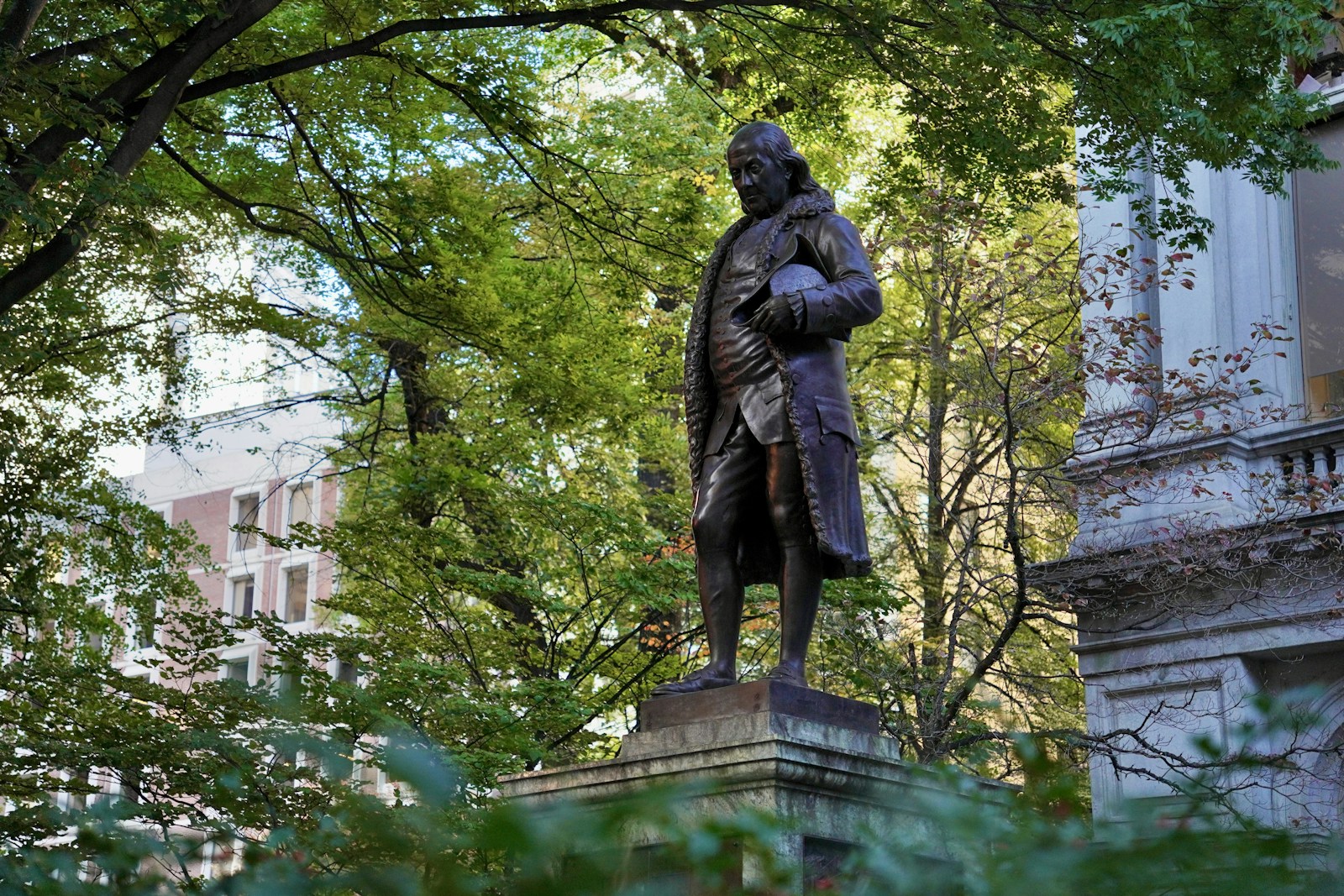
New York State contains one of the world's great cities and some of its most surprising wilderness within the same border. New York City's five boroughs — Manhattan, Brooklyn, Queens, the Bronx, and Staten Island — constitute the most culturally dense, economically significant, and endlessly fascinating urban environment in the Western Hemisphere. The Metropolitan Museum of Art's encyclopedic collection, the Museum of Modern Art's 20th-century canon, the American Museum of Natural History, and the Intrepid Sea, Air & Space Museum alone would justify a week's visit.
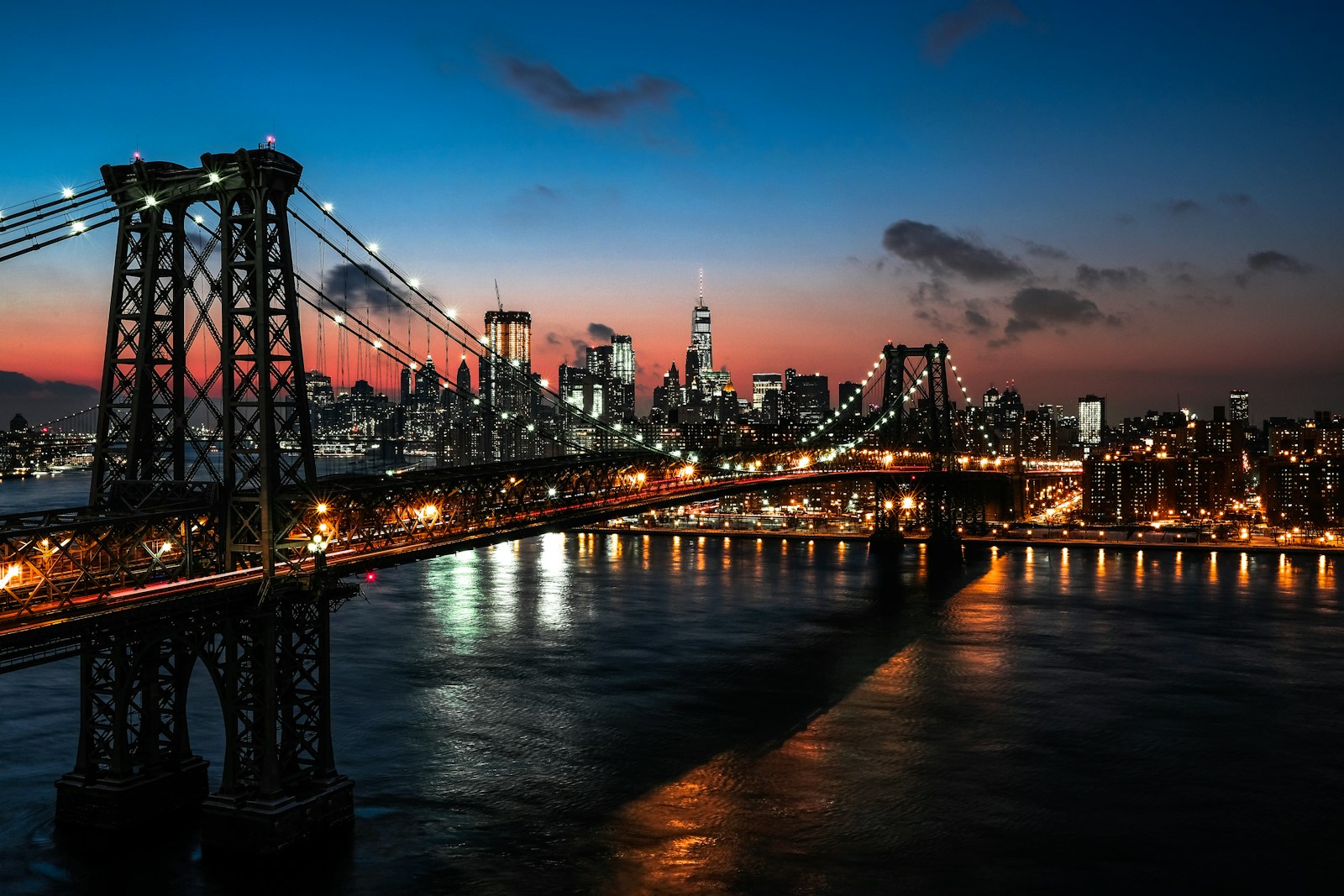
Manhattan's neighborhoods are each a world unto themselves: the energy of Times Square, the galleries and boutiques of SoHo, the green expanse of Central Park (843 acres in the middle of the world's most valuable real estate), the immigrant history of the Lower East Side, and the reinvented industrial architecture of the High Line. Brooklyn has evolved from Manhattan's borough into a destination in its own right — DUMBO's cobblestone streets and Manhattan Bridge views, Williamsburg's food and arts scene, and Prospect Park are all worth dedicated time.
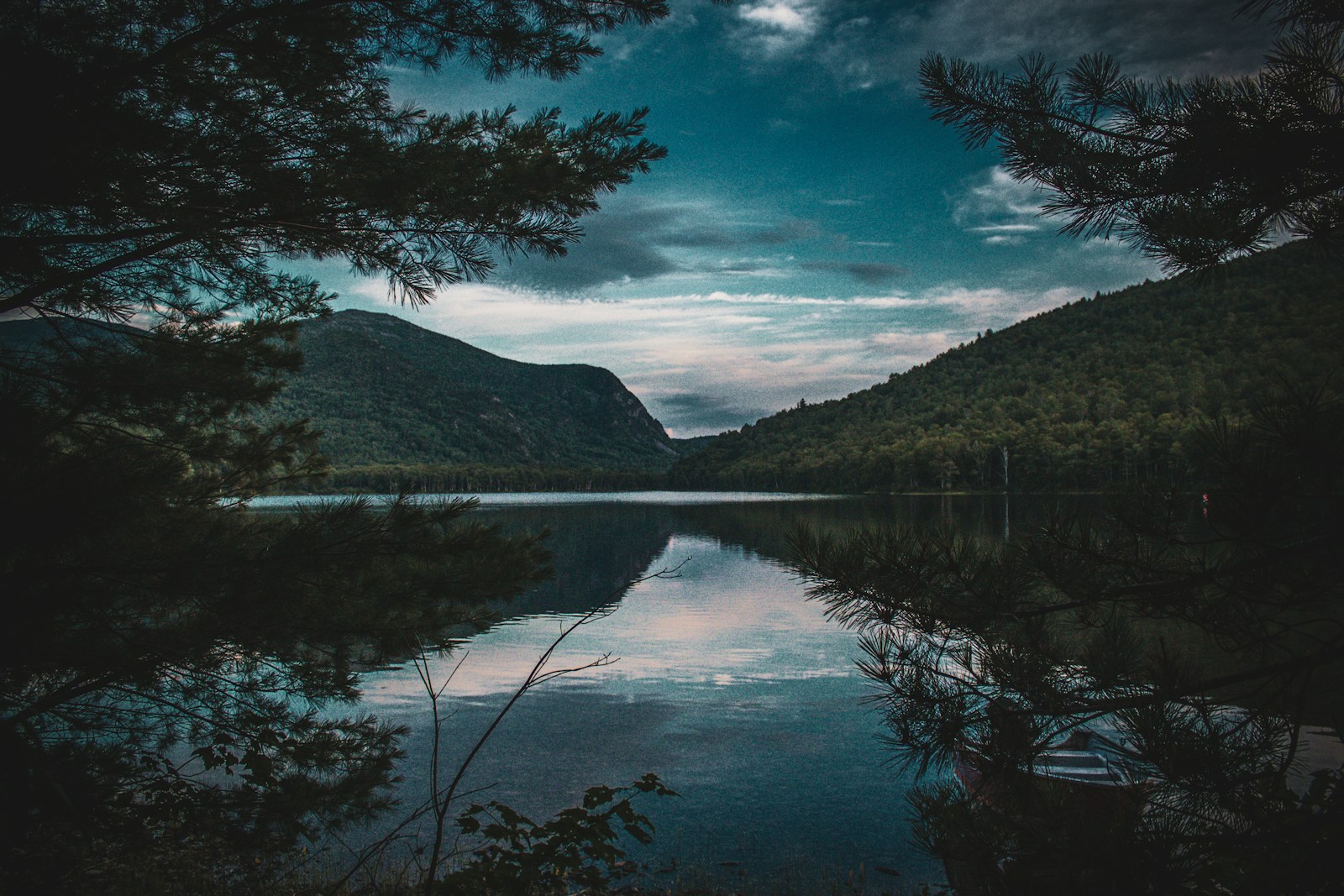
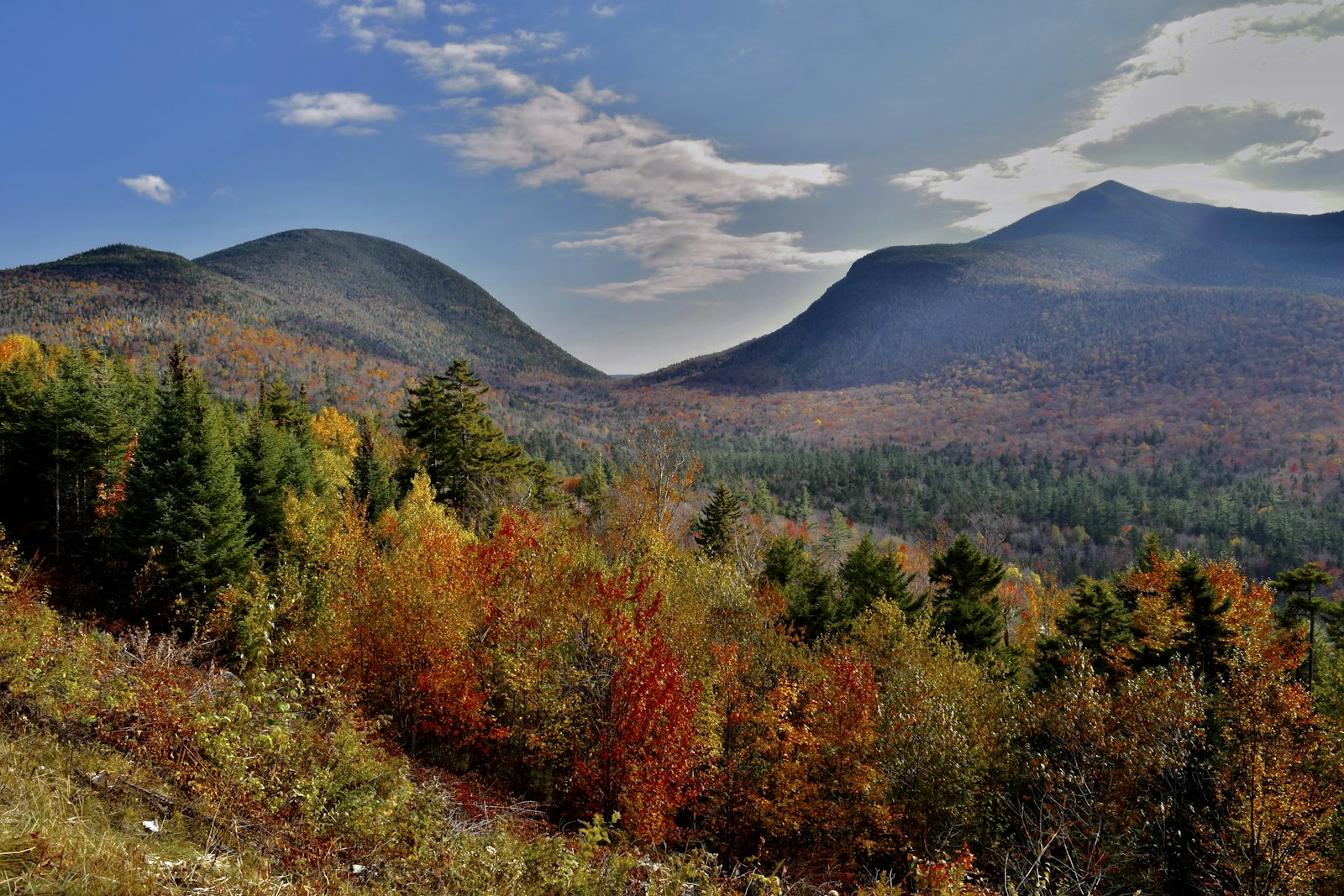
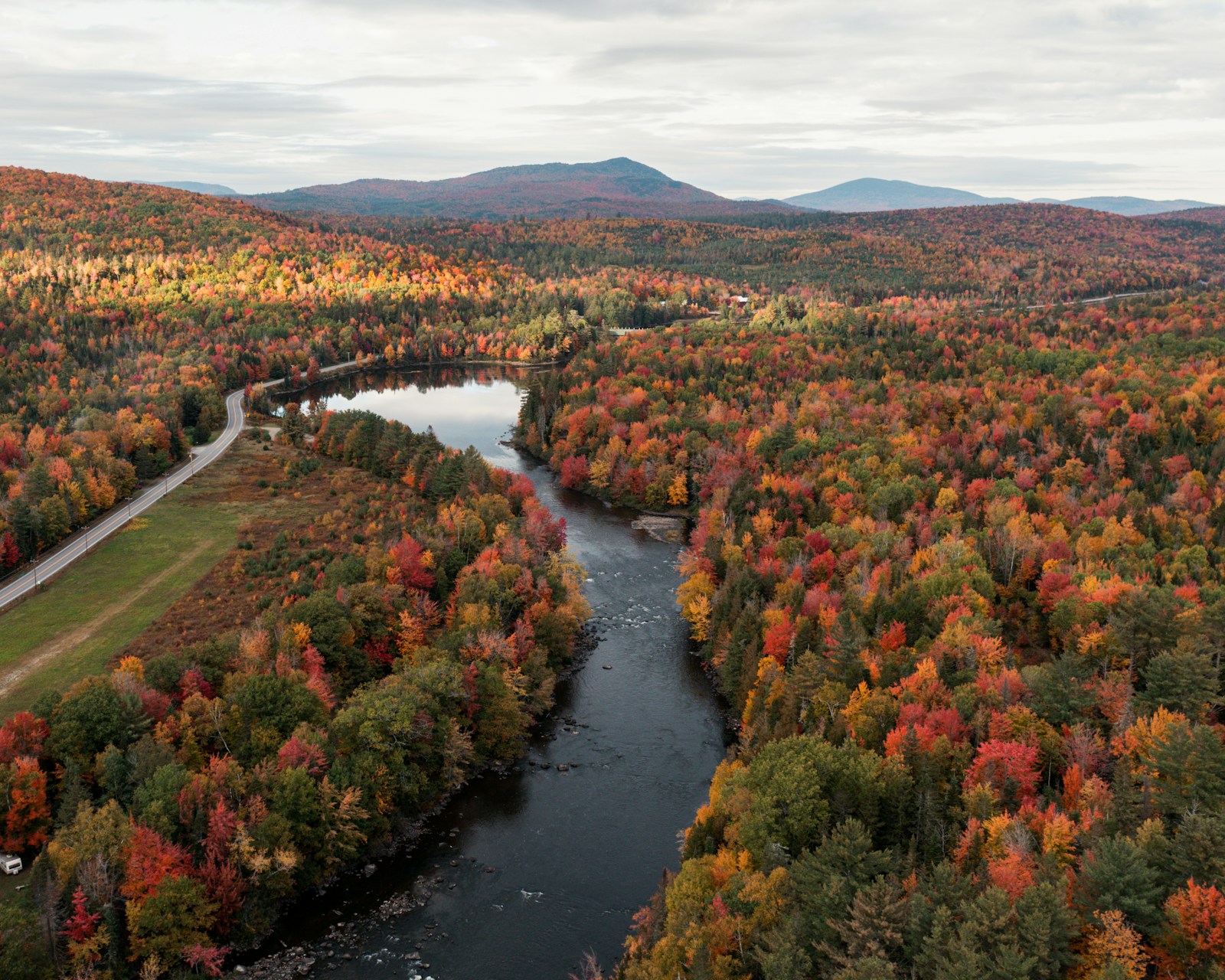
Niagara Falls, on New York's western border with Canada, is one of the world's most powerful waterfalls — the American Falls and Horseshoe Falls together move 3,160 tons of water per second. The Maid of the Mist boat tour, approaching the falls directly, is one of the Northeast's most exhilarating experiences. The Adirondack Mountains in upstate New York protect 6 million acres of wilderness — larger than Yellowstone, Everglades, Glacier, and Grand Canyon national parks combined — with 2,000 miles of trails, 3,000 lakes, and 46 peaks above 4,000 feet.
The Finger Lakes wine region in central New York produces exceptional Riesling and Pinot Noir in a landscape of dramatic glacially-formed lake valleys. The Catskill Mountains, 90 minutes from Manhattan, offer a beloved weekend escape with hiking, fly-fishing, and some of New York State's finest farm-to-table dining. New York is a World Cup 2026 host — the Final on July 19 takes place at MetLife Stadium.
Practical planning for New York: the best time to visit is season-dependent, with a typical budget level of mid-range. Most travellers need three to five full days to cover the highlights without rushing — add extra time if you are combining New York with nearby regions.
Priority experiences include local food, culture, and outdoor experiences. Do not miss the main sights and neighbourhoods.
Getting there: fly into the nearest major airport serving New York and rent a car if you plan to visit national parks or small towns — many US states are car-dependent outside city centres. Book national park entry (where timed reservations apply) and popular trail permits as early as possible. Travel insurance covering rental car excess and medical care is recommended for domestic trips with adventure activities.
Where to stay: choose a base near your top priority — a gateway town for parks, a walkable downtown for cities, or a coastal hub for beach regions. Shoulder seasons around spring and fall usually offer better availability and lower lodging prices than peak summer or holiday weeks.
First-time US visitors who want the world's greatest city anchored to extraordinary state parks, wine lovers, and outdoor adventurers using the city as a base.
Compare prices and book your trip — hotels, flights, and guided tours.
* Links open partner sites. We may earn a commission at no extra cost to you. See our editorial policy.