Mountain West
🌋 Wyoming
📍 Yellowstone & Grand Teton · United States
📍 Yellowstone & Grand Teton · United States
🏛 Old Faithful Geyser
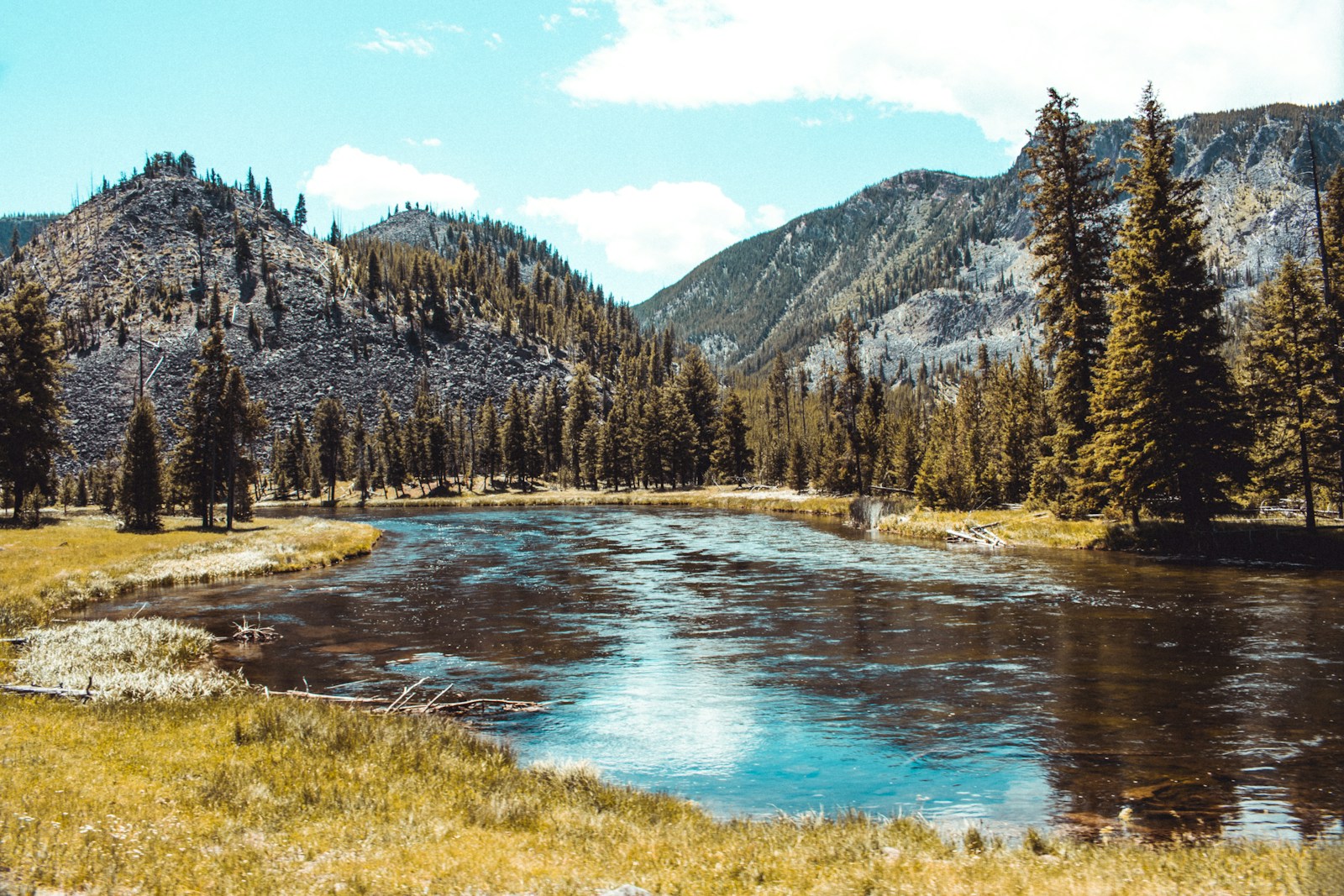
Wyoming is the least populous state in the USA and among the most spectacular — a vast, high-altitude landscape of mountains, geothermal wonders, and wildlife that shelters two of America's greatest national parks within its borders. Yellowstone and Grand Teton together form one of the largest intact temperate ecosystems on earth, and Wyoming's other public lands add millions more acres of wilderness around them.
Yellowstone National Park was the world's first national park (1872) and remains its most extraordinary. Sitting atop one of earth's largest active supervolcanoes, it hosts more geothermal features than the rest of the world combined: over 10,000 hot springs, mudpots, fumaroles, and geysers, including Old Faithful — which erupts every 44–125 minutes to heights of 100–185 feet, and has done so for over 150 years. Grand Prismatic Spring, at 370 feet across, is the world's third-largest hot spring and its most photographed — the vivid rings of color (blue, green, yellow, orange) are produced by microbial mats in water of different temperatures. The Lamar Valley in the park's northeastern corner is the best accessible wolf-watching location in the world outside Yellowstone's own backcountry.
Grand Teton National Park rises directly from the flat floor of Jackson Hole valley without the foothills that soften most mountain ranges — the Tetons simply erupt from the sagebrush flat at 7,000 feet and soar to 13,775 feet at the Grand Teton's summit, one of the most dramatic abrupt elevation changes in North America. The Snake River float trips below the Tetons offer wildlife viewing (moose, bald eagles, otters) with the mountains as backdrop. The Teton Crest Trail is one of America's finest multi-day hikes.
Jackson, Wyoming's only significant town, is a premium ski destination (Jackson Hole Mountain Resort has the most vertical drop of any US resort — 4,139 feet) and a gathering point for wildlife photographers and outdoor enthusiasts year-round. Book lodging well in advance for any summer visit — the parks are extremely popular and accommodation fills months ahead.
Practical planning for Wyoming: the best time to visit is season-dependent, with a typical budget level of mid-range. Most travellers need three to five full days to cover the highlights without rushing — add extra time if you are combining Wyoming with nearby regions.
Priority experiences include local food, culture, and outdoor experiences. Do not miss the main sights and neighbourhoods.
Getting there: fly into the nearest major airport serving Wyoming and rent a car if you plan to visit national parks or small towns — many US states are car-dependent outside city centres. Book national park entry (where timed reservations apply) and popular trail permits as early as possible. Travel insurance covering rental car excess and medical care is recommended for domestic trips with adventure activities.
Where to stay: choose a base near your top priority — a gateway town for parks, a walkable downtown for cities, or a coastal hub for beach regions. Shoulder seasons around spring and fall usually offer better availability and lower lodging prices than peak summer or holiday weeks.
Wildlife photographers and national park enthusiasts targeting the continent's best large mammal encounter, geology tourists, geyser and geothermal landscape visitors, and skiers targeting Jackson Hole Mountain Resort's 4,139-foot vertical drop.
Compare prices and book your trip — hotels, flights, and guided tours.
* Links open partner sites. We may earn a commission at no extra cost to you. See our editorial policy.