beach
🎭 Rio de Janeiro
📍 Brazil · South America
📍 Brazil · South America
🏛 Christ the Redeemer
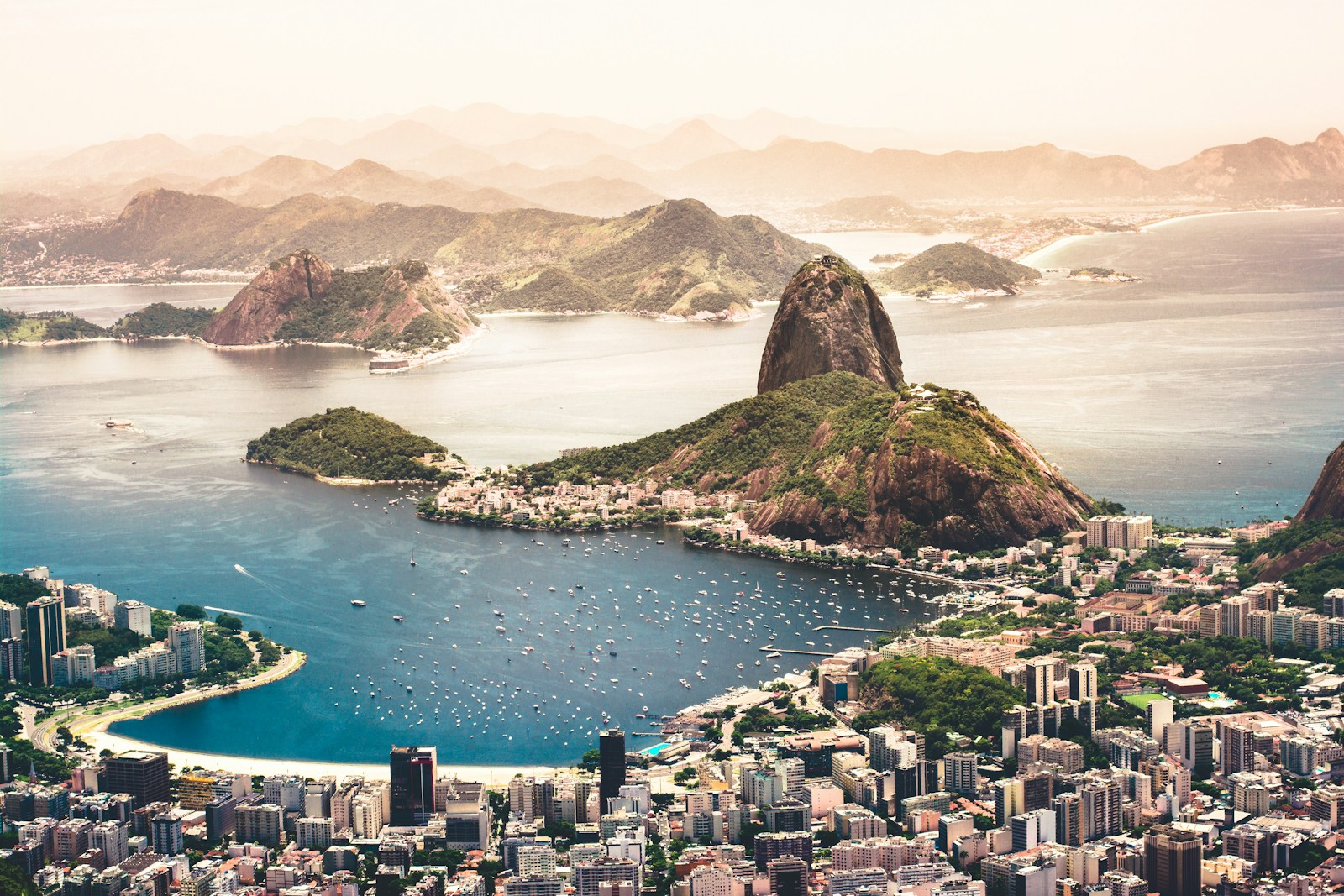
Rio de Janeiro has one of the world's most spectacular natural settings — a vast city squeezed between jungle-covered mountains and a 30-kilometre arc of Atlantic coast, its geography so dramatic that the hills, lagoons, and bays are woven into the daily life of every resident. The Cristo Redentor statue (38 metres tall, arms spanning 28 metres, mounted on the 710-metre Corcovado peak) is both a Christian monument and the defining landmark of Rio's skyline — visible from almost everywhere in the city and spotlit at night as a constant reference point. Pão de Açúcar (Sugarloaf Mountain), at the mouth of Guanabara Bay, offers even more dramatic views: gondola cable cars rise in two stages to the 396-metre summit, where the bay, the beaches, and the city spread in every direction.
Rio's beaches are the city's social infrastructure as much as its tourist attraction. Copacabana (4km long, crammed with footvolley players, vendors, and carioca life) and Ipanema (a kilometre shorter, slightly more bohemian, with better dining immediately behind) are internationally famous; but Leblon, Barra da Tijuca, and Prainha further west are preferred by locals who know them. The beach culture — beach soccer, footvolley, the soundtrack of axé and baile funk from beachside speakers, the ritual of the sunset caipirinha at sunset — is genuinely Rio's most authentic attraction. The Carnival parade at the Sambódromo (February/March, depending on the lunar calendar) is an extraordinary production of scale and artistry; individual blocos (street carnival parties) throughout the city in the weeks before Carnival are more accessible and often more fun.
Beyond the landmarks and beaches, Rio has neighborhoods worth living in for a few days. Santa Teresa, on the hill above Lapa, is the city's artist quarter: cobblestone streets, colonial houses converted to studios and bars, and the bonde (historic tram) connecting it to the city centre. Lapa is Rio's nightlife epicentre, centered on the Arcos da Lapa (19th-century aqueduct arches) and the forró and samba clubs that stay open until dawn on weekends. The Tijuca National Forest — the world's largest urban rainforest, covering 32 square kilometres of mountainside inside the city — has hiking trails to waterfalls, toucans, and clear views back over the city.
Practical planning: Rio's reputation for crime is partially justified — pay attention in crowded tourist areas (pickpocketing is common), avoid Copacabana beach at night, and use ride-hailing apps rather than street taxis after dark. That said, tourist-area crime is largely petty theft; violent crime against tourists is rare with basic precautions. Best time April to June and August to October (Carnival aside) — mild temperatures 24-30°C with less rain. December to March is summer: hot, humid, and rainy, but this is when Carnival occurs. Stay in Ipanema or Leblon for the best combination of safety and convenience.
Culture lovers, beach-city combo seekers, Carnival enthusiasts, and anyone drawn to the energy of one of South America's most complex and beautiful cities.
Compare prices and book your trip — hotels, flights, and guided tours.
* Links open partner sites. We may earn a commission at no extra cost to you. See our editorial policy.