hidden
🐠 Los Roques
📍 Venezuela · South America
📍 Venezuela · South America
🏛 Caribbean Coral Archipelago
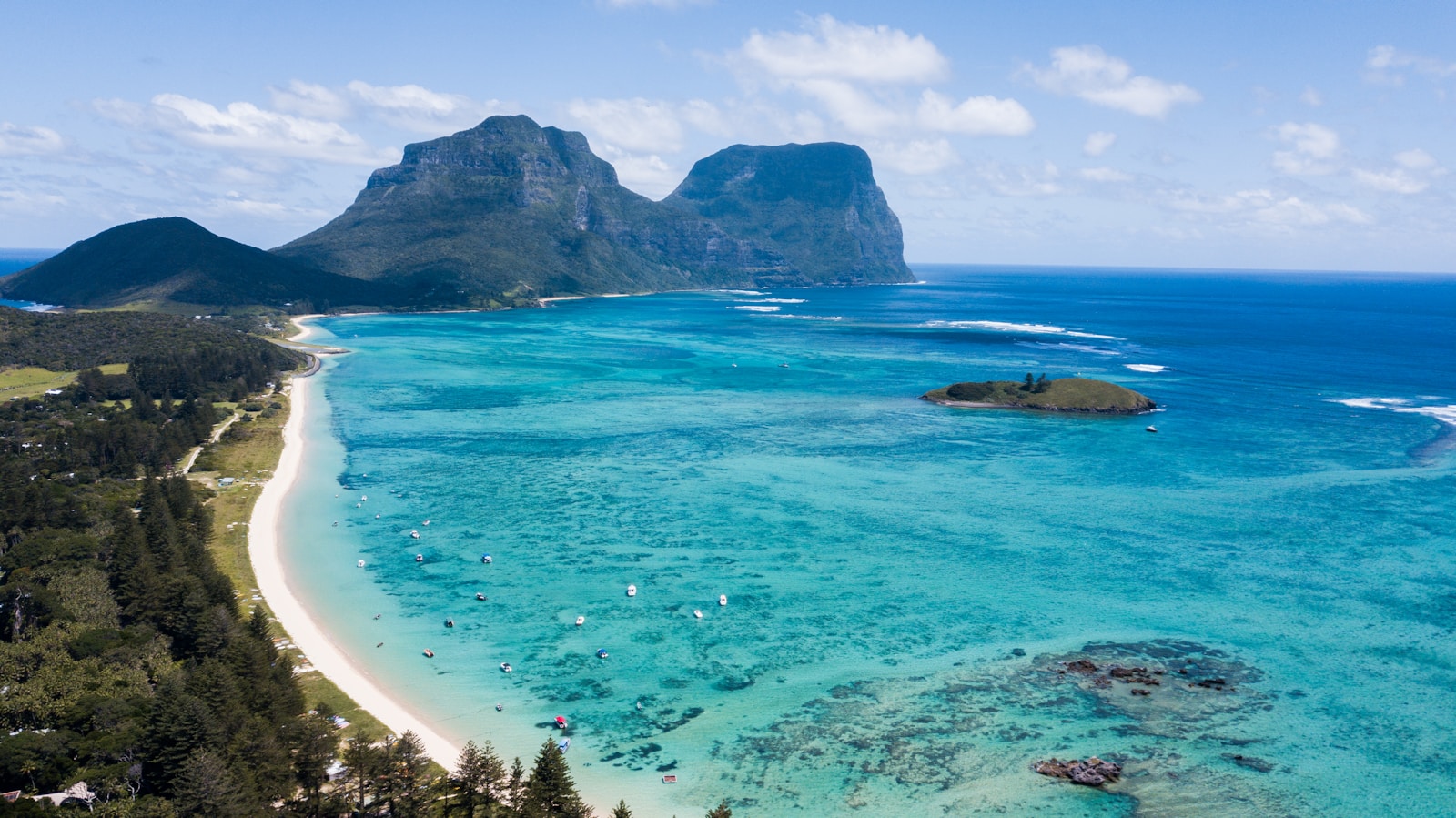
Los Roques Archipelago National Park is Venezuela's most extraordinary natural asset and one of the Caribbean's last genuinely pristine marine environments — a system of 300 islands, cays, and coral reefs 160 kilometres north of the Venezuelan mainland, protected as a national park since 1972. Because Venezuela's economic and political situation has dramatically reduced international tourism, Los Roques sees far fewer visitors than comparable Caribbean destinations, preserving water clarity, reef health, and turtle nesting beaches in near-original condition. The archipelago covers 2,211 square kilometres of ocean and holds some of the western hemisphere's healthiest coral ecosystems.
The waters of Los Roques are a world-class destination for saltwater fly fishing: enormous schools of bonefish feed on the extensive white sand flats (bocarones) that extend across the lagoons, and tarpon, permit, and barracuda patrol the deeper channels. The fishing has attracted serious fly anglers for decades and remains among the top three bonefish destinations in the world. For non-anglers, the snorkeling and diving are equally exceptional: brain coral formations, eagle rays, reef sharks, and hawksbill turtles populate reefs that have never experienced the bleaching events that have damaged Caribbean reefs further north.
The main settlement is Gran Roque — a small island of painted wooden posadas (guesthouses) with no cars, no chain hotels, and no commercial development beyond a few restaurants and dive shops. From here, motor launches carry visitors to deserted cay beaches, kitesurfing spots (the trades blow consistently at 20-25 knots from December to August), and snorkeling sites accessible only by boat. Francisqui island, with its natural sandbar and turquoise lagoon, and Crasqui, with the most spectacular reef diving, are the most visited of the outer islands.
Practical planning: Los Roques is accessible by charter flight from Caracas (35 minutes). Despite Venezuela's wider difficulties, the archipelago is considered safe and receives about 30,000 visitors annually — most Venezuelan nationals. Best time December to August (dry season, reliable trade winds for kitesurfing). Posadas are small family-run operations; book well in advance in peak season. Bring cash (US dollars or euros) as card facilities are unreliable. Most posadas include meals.
Practical planning for Los Roques: the best time to visit is season-dependent, with a typical budget level of mid-range. Most travellers need three to five full days to cover the highlights without rushing — add extra time if you are combining Los Roques with nearby regions.
Priority experiences include local food, culture, and outdoor experiences. Do not miss the main sights and neighbourhoods.
Before you book, verify entry requirements for Venezuela — visa rules, passport validity, and any health documentation change frequently. Travel insurance with medical evacuation cover is worthwhile for international trips.
Where to stay: pick a walkable neighbourhood close to your main interests rather than the cheapest option far from the centre — transport costs and lost time often erase the savings. Book popular restaurants, guided tours, and peak-season accommodation early for high season dates.
Divers, fly fishers, and anyone who wants the most untouched Caribbean beach experience still accessible without a private yacht.
Compare prices and book your trip — hotels, flights, and guided tours.
* Links open partner sites. We may earn a commission at no extra cost to you. See our editorial policy.