hidden
🌿 Lord Howe Island
📍 Australia · Oceania
📍 Australia · Oceania
🏛 Ball's Pyramid Sea Stack
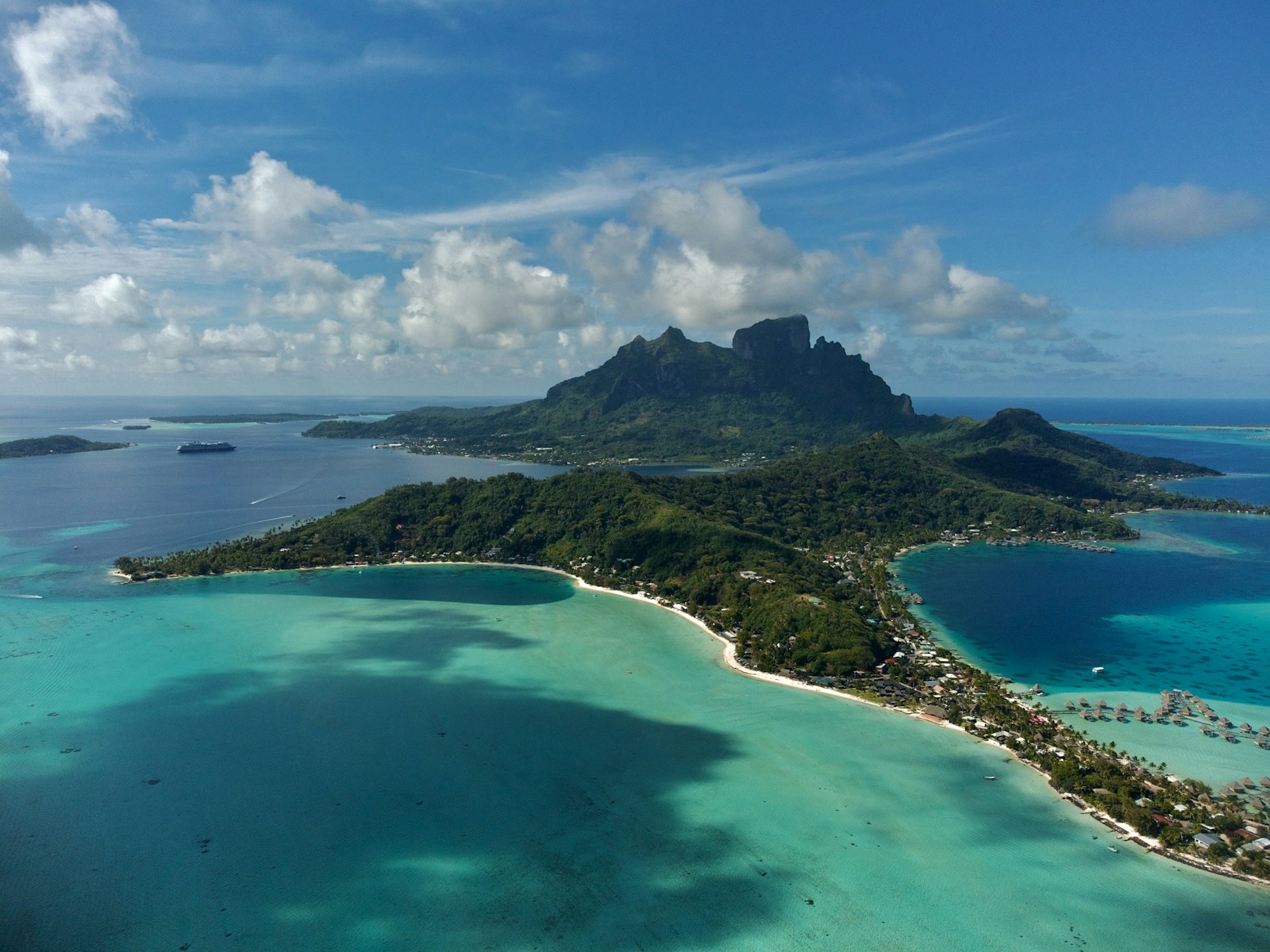
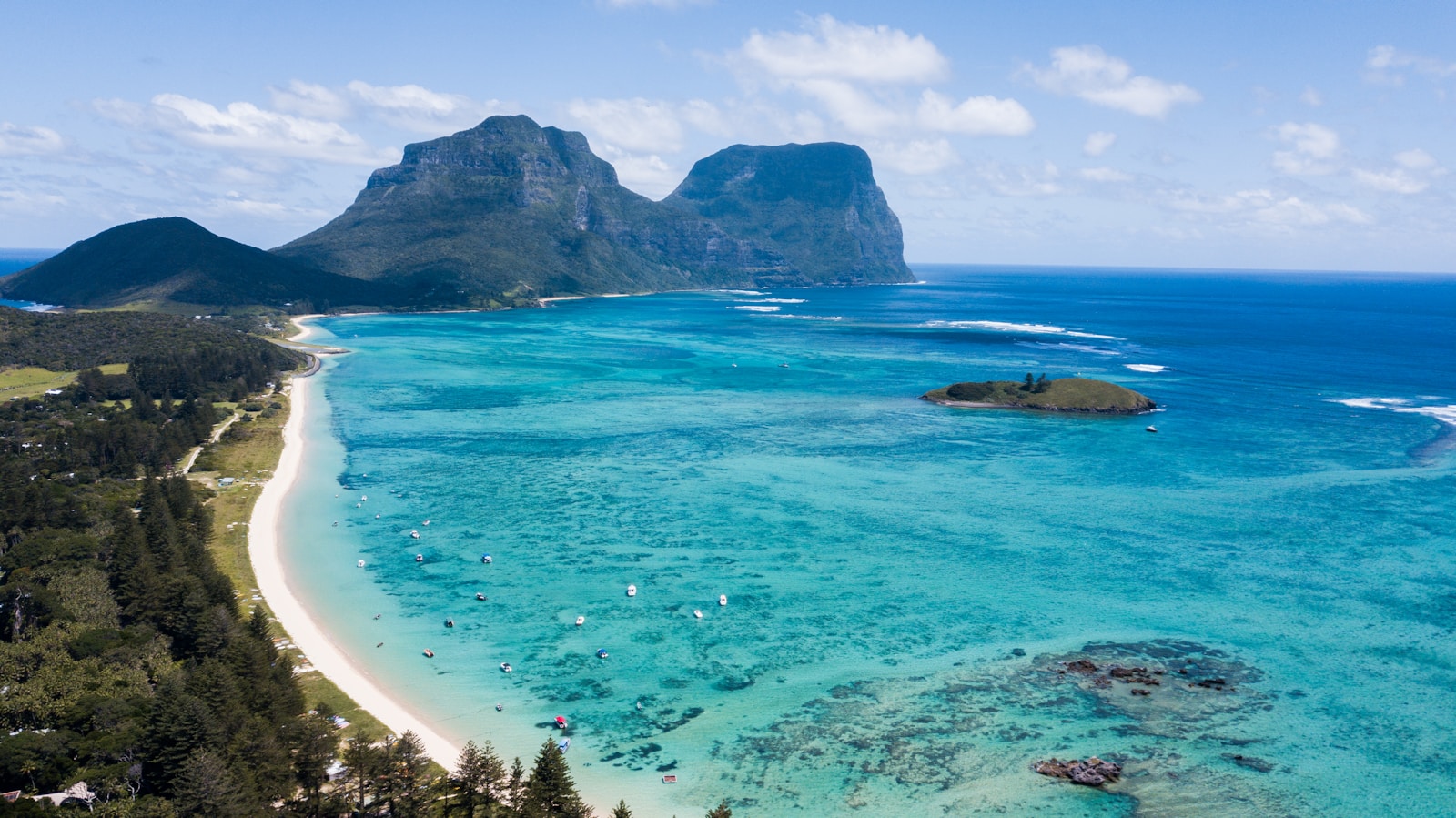
Lord Howe Island is one of the world's most extraordinary small-island destinations — a crescent of volcanic rock 600 kilometres off the New South Wales coast that has been listed as a UNESCO World Heritage Site since 1982. The island permits only 400 visitors at any one time, ensuring its forests, reef, and seabird colonies are never overwhelmed. This cap, combined with the ban on cars above certain hours and the absence of any chain hotels or commercial development beyond locally owned guesthouses, creates a character completely unlike any other tourist destination in the world.
The island's kentia palm — the most cultivated indoor plant in the world, familiar from every hotel lobby — is endemic to Lord Howe and still harvested here in a strictly controlled export industry. The island's highest point, Mount Gower (875m), is accessible only with a licensed guide; the summit passes through subtropical forests of tree ferns and kentia palms to a cloud-forest plateau found nowhere else on Earth. Ball's Pyramid offshore (562m, a dramatic sea stack 23km from the island) is the world's tallest volcanic sea stack — a sheer blade of rock rising from the ocean that has a small population of Lord Howe Island stick insects (thought extinct until rediscovered there in 2001).
The lagoon on the western coast, enclosed by the world's most southerly coral reef — formed by Lord Howe's position at the intersection of tropical and temperate water masses — holds an unusual mix of tropical and temperate species found nowhere else in this combination. Snorkeling and glass-bottom kayaking in the lagoon are the island's most accessible experiences; the reef is in excellent health with high coral cover and diversity including enormous grouper, hawksbill turtles, and schools of surgeonfish. The island's seabird colonies — including the red-tailed tropicbird and the black-winged petrel, nesting in burrows visible from the walking tracks — are remarkable in their tameness.
Practical planning: Flights operate from Sydney and Brisbane; book 6-12 months in advance as the 400-visitor cap fills quickly during Australian school holidays. Accommodation ranges from guesthouses to self-catering houses — no resort hotels exist. Bicycles are the primary transport. No mobile phone reception (satellite internet only). Best time October to April (warm, dry). The island rewards low-key nature travel rather than adventure tourism. Bring all required medications.
Practical planning for Lord Howe Island: the best time to visit is season-dependent, with a typical budget level of mid-range. Most travellers need three to five full days to cover the highlights without rushing — add extra time if you are combining Lord Howe Island with nearby regions.
Priority experiences include local food, culture, and outdoor experiences. Do not miss the main sights and neighbourhoods.
Before you book, verify entry requirements for Australia — visa rules, passport validity, and any health documentation change frequently. Travel insurance with medical evacuation cover is worthwhile for international trips.
Where to stay: pick a walkable neighbourhood close to your main interests rather than the cheapest option far from the centre — transport costs and lost time often erase the savings. Book popular restaurants, guided tours, and peak-season accommodation early for high season dates.
Nature travellers who want an unspoiled island where the conservation commitments are structural rather than aspirational — and anyone for whom the absence of mobile service is a feature.
Compare prices and book your trip — hotels, flights, and guided tours.
* Links open partner sites. We may earn a commission at no extra cost to you. See our editorial policy.