adventure
🎿 Queenstown
📍 New Zealand · Oceania
📍 New Zealand · Oceania
🏛 Milford Sound Fiord
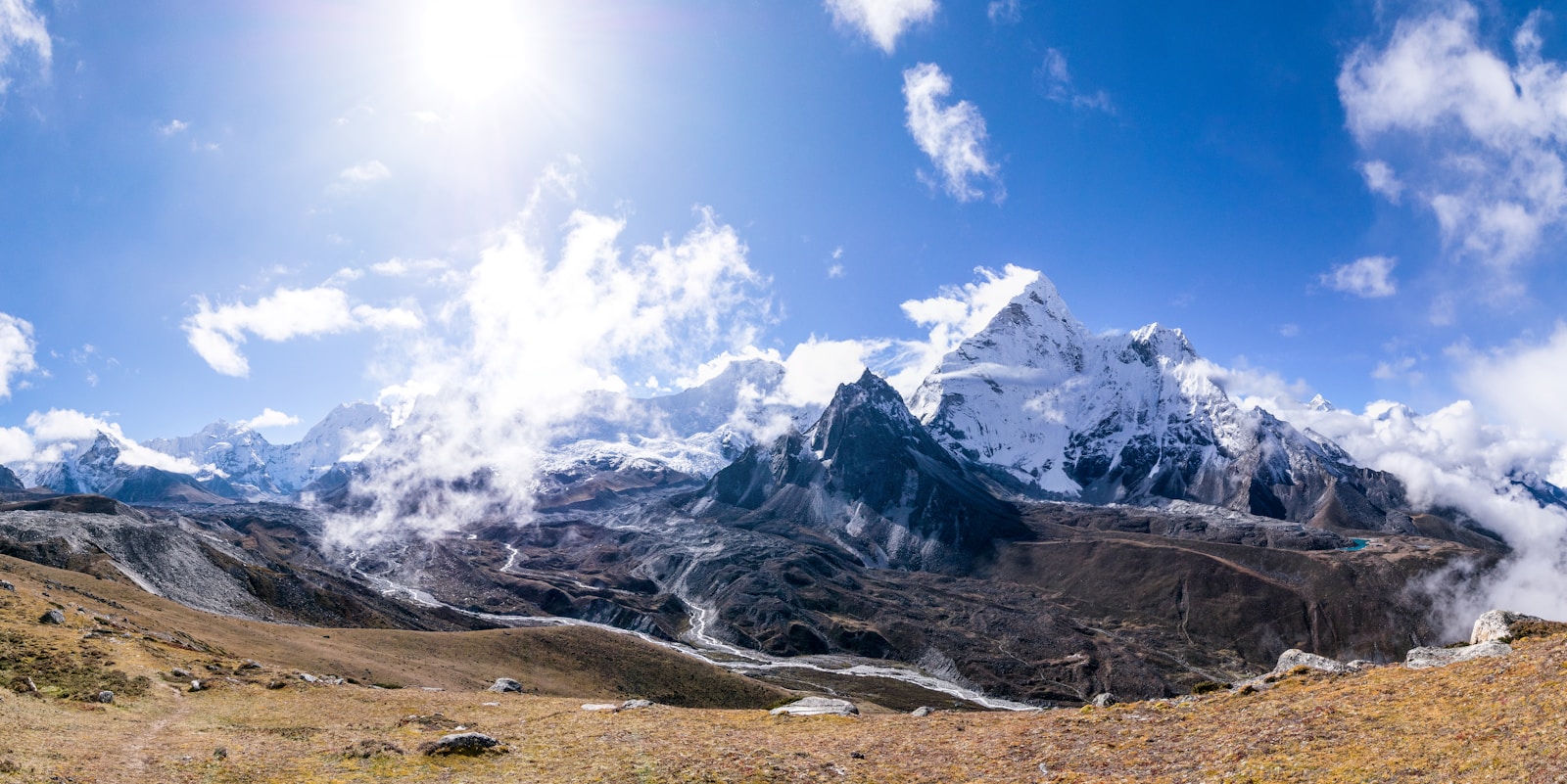
Queenstown is the adventure sports capital of the world — a small town on the shores of glacially carved Lake Wakatipu in New Zealand's South Island that has built an entire global brand around controlled adrenaline. Bungee jumping was commercialised here by AJ Hackett in 1988 from the Kawarau Bridge (43m); the white-knuckle tourism revolution it sparked has since grown to encompass skydiving (15,000 feet over the Remarkables), hang gliding, paragliding, canyon swinging, white-water rafting (grades 3-5 on the Shotover River), and jet boating at 85km/h through the 10-metre-wide Skippers Canyon gorge. The scenery from which these activities are conducted — the jagged Remarkables range reflected in the lake, the Southern Alps receding in successive snow-capped rows — makes Queenstown's adventure tourism uniquely compelling.
In winter (June-September), Queenstown becomes New Zealand's premier ski destination. Coronet Peak (25 minutes from town) has the most reliable snowfall; the Remarkables (45 minutes) offers spectacular views and family-friendly terrain; Cardrona and Treble Cone in the Wanaka area (1-1.5 hours) are preferred by advanced skiers for steeper, less crowded runs. The apres-ski culture in Queenstown's compact downtown — Fergburger, the Queenstown Wine Trail, the bars on Cow Lane — is well-developed for a town of its size.
Beyond adventure sports, Queenstown is the primary gateway to Fiordland National Park. Milford Sound (4.5 hours by road via the Homer Tunnel) is the park's centrepiece: a glacially carved fjord where walls of black rock rise 1,000 metres from the water, waterfalls cascade from clifftop hanging valleys, and fur seals sleep on rocks below passing bottlenose dolphins. Day trips from Queenstown to Milford are possible but exhausting; staying overnight in Te Anau or doing the Milford Track (one of the world's great multi-day walks) is substantially better.
Practical planning: Queenstown is expensive by New Zealand standards. Book accommodation and major activities in advance — especially in peak ski season (July-August) and summer (December-February). The Remarkables Scenic Reserve has excellent day hiking from the ski area. Wanaka (1 hour north) is a slightly calmer alternative base with access to the same southern lakes scenery. The Ben Lomond Track (summit at 1,748m, 3-4 hours return from town) is Queenstown's best free activity.
Practical planning for Queenstown: the best time to visit is season-dependent, with a typical budget level of mid-range. Most travellers need three to five full days to cover the highlights without rushing — add extra time if you are combining Queenstown with nearby regions.
Priority experiences include local food, culture, and outdoor experiences. Do not miss the main sights and neighbourhoods.
Before you book, verify entry requirements for New Zealand — visa rules, passport validity, and any health documentation change frequently. Travel insurance with medical evacuation cover is worthwhile for international trips.
Where to stay: pick a walkable neighbourhood close to your main interests rather than the cheapest option far from the centre — transport costs and lost time often erase the savings. Book popular restaurants, guided tours, and peak-season accommodation early for high season dates.
Adventure sports enthusiasts of all stripes, skiers wanting a Southern Alps season, and anyone building a South Island New Zealand itinerary around Fiordland and the Southern Lakes.
Compare prices and book your trip — hotels, flights, and guided tours.
* Links open partner sites. We may earn a commission at no extra cost to you. See our editorial policy.