beach
🏝️ Fiji
📍 Fiji · Oceania
📍 Fiji · Oceania
🏛 Yasawa Island Chain
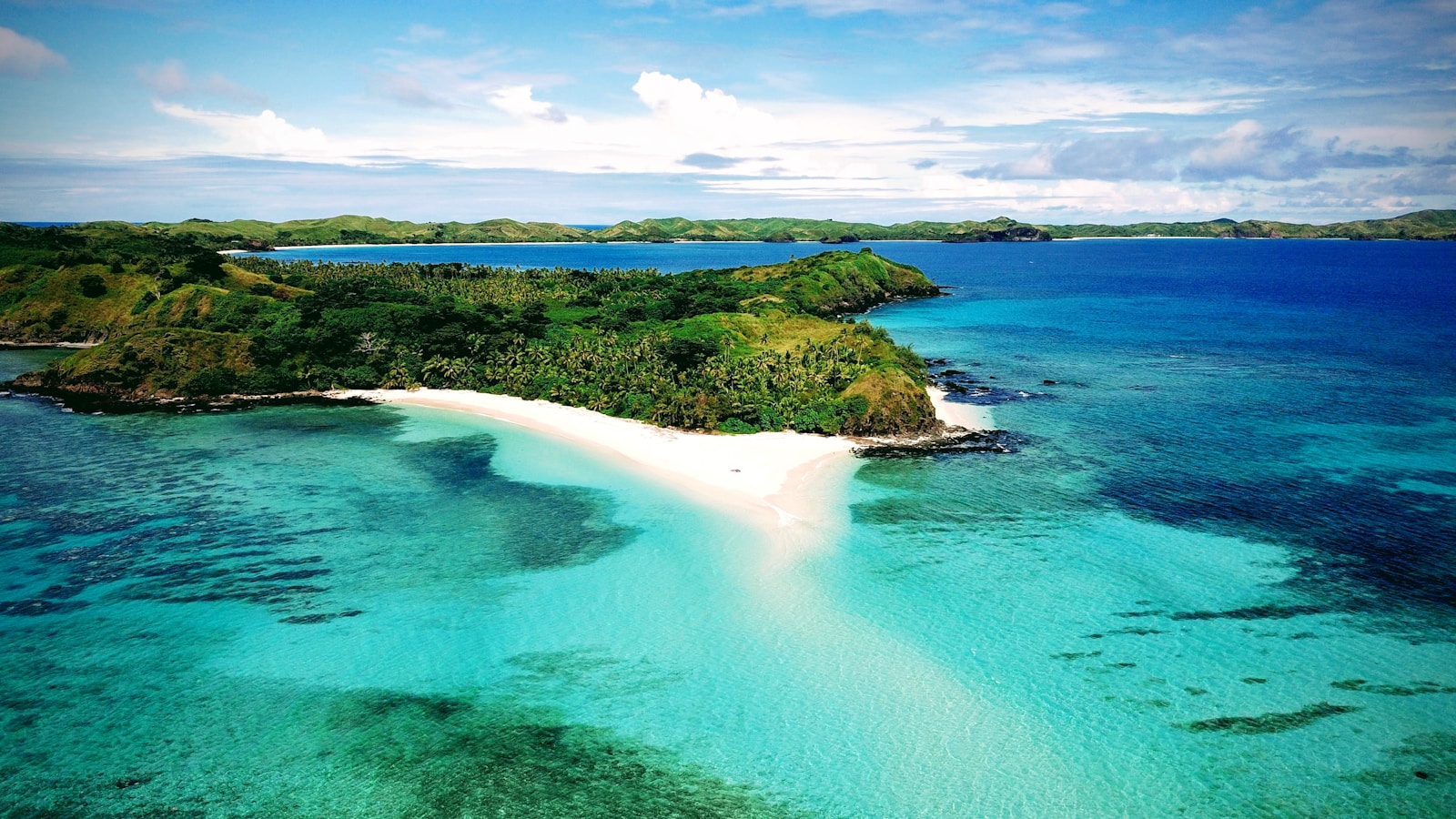
Fiji is 333 islands scattered across 1.3 million square kilometres of the South Pacific — a nation whose extraordinary geographical spread creates enormous diversity within a single destination. The two main islands (Viti Levu and Vanua Levu) hold 87% of the population and all major infrastructure; the outer islands, accessed by small aircraft or inter-island ferry, hold the pristine reefs, empty beaches, and traditional village life that represent the Fiji of popular imagination. The particular quality of Fijian hospitality — a genuine warmth expressed in the Bula! greeting — is one of the most commented-upon features of every first-time visitor's experience.
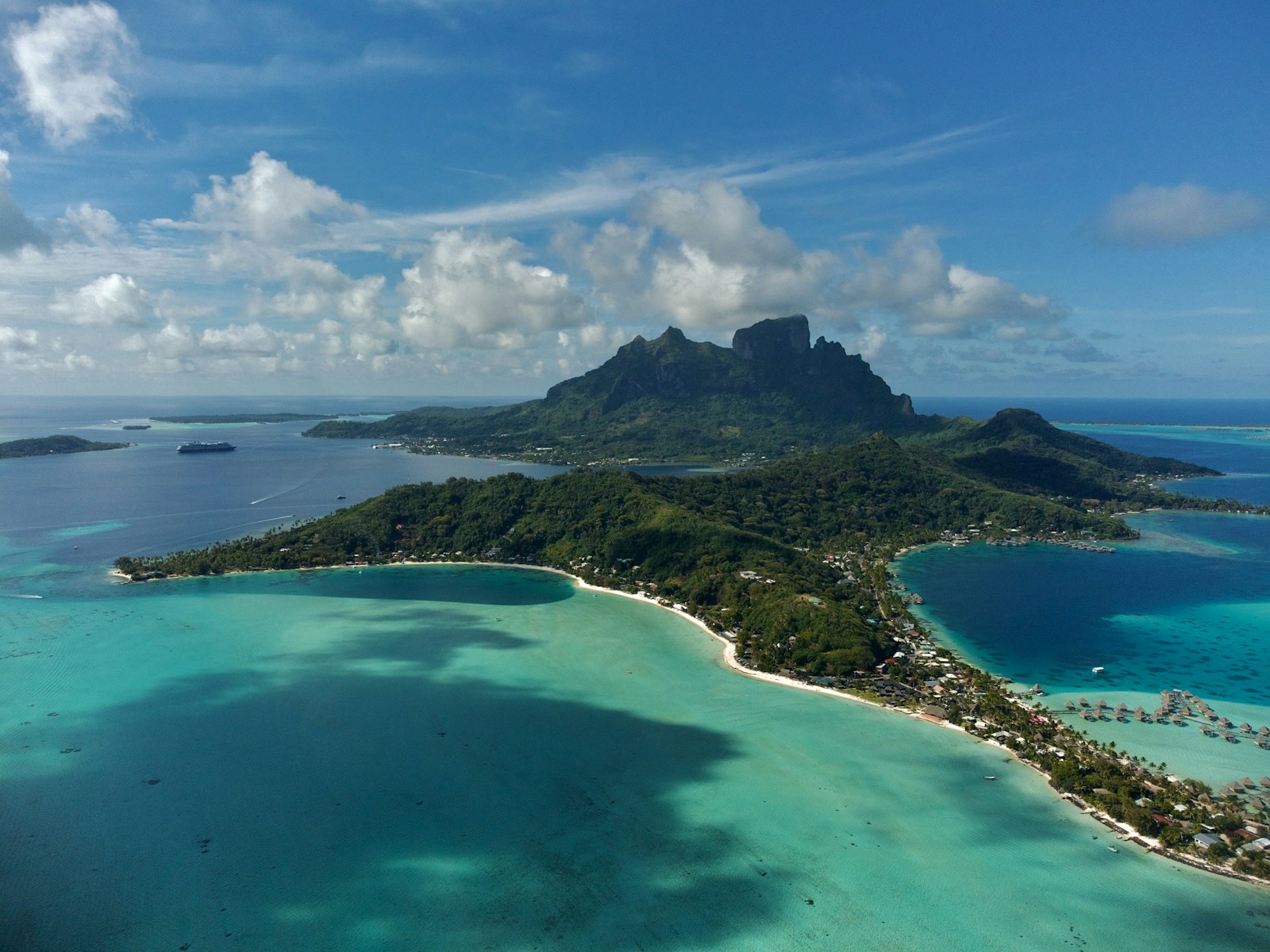
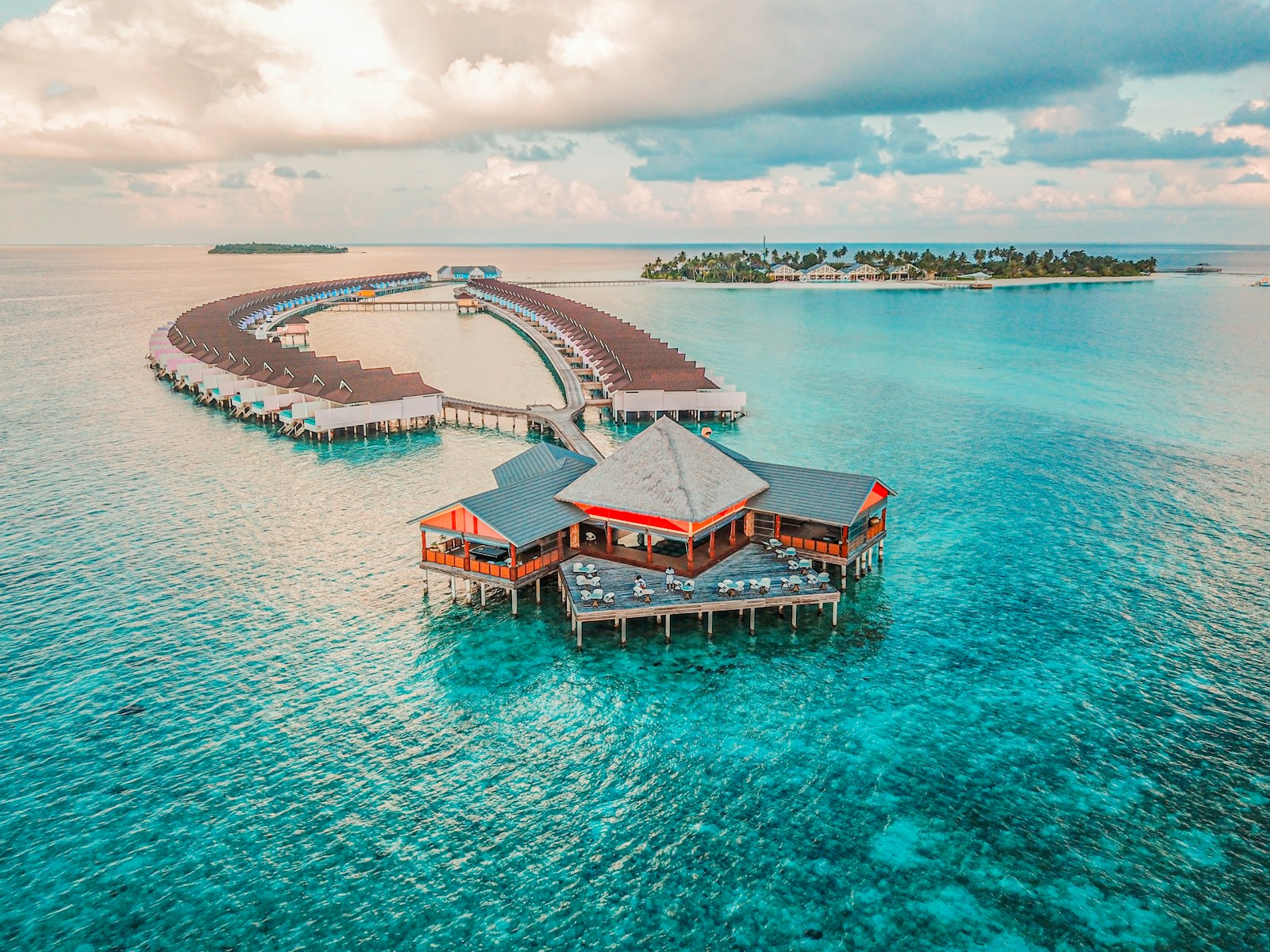
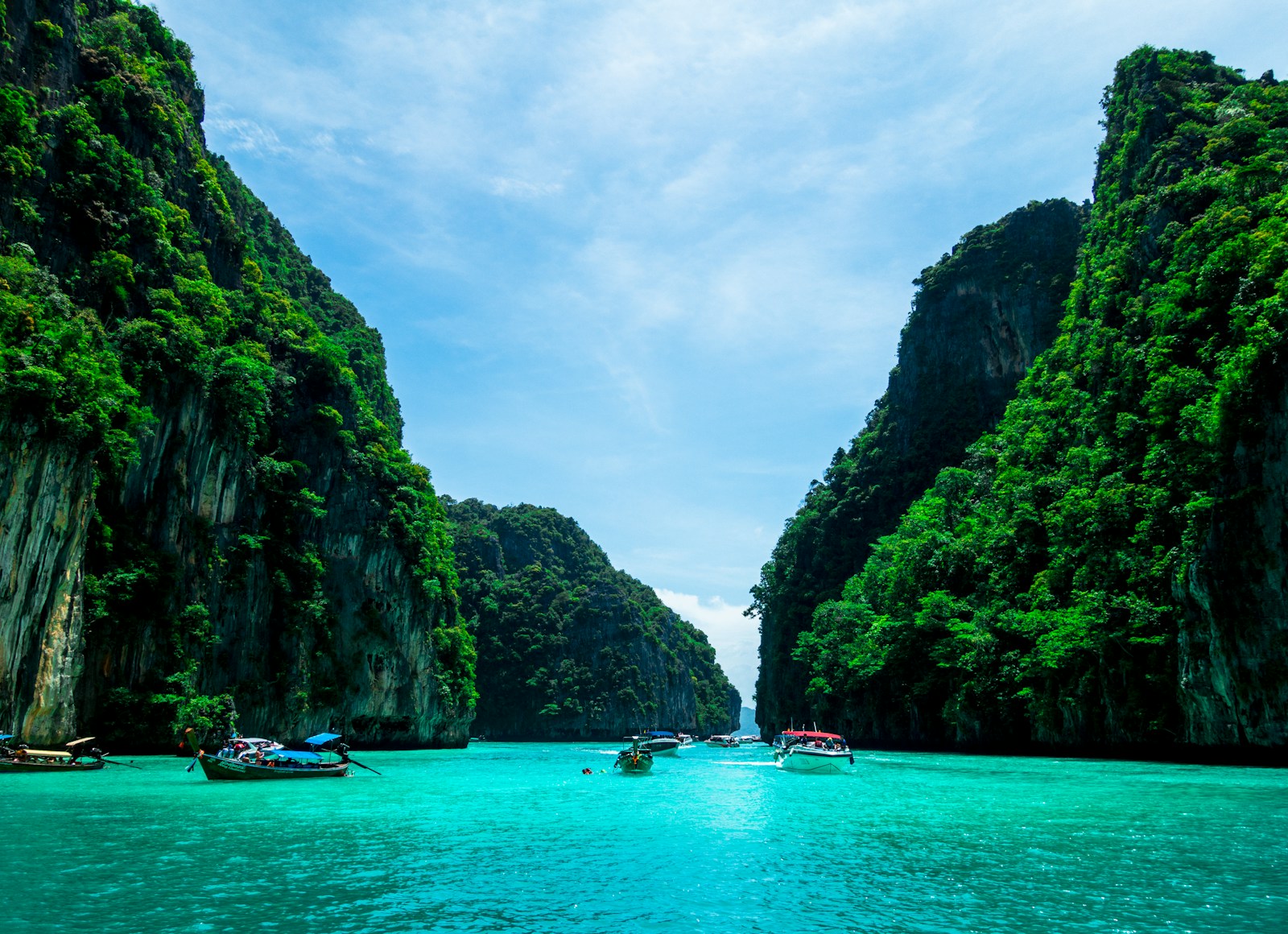
The Mamanuca and Yasawa island chains west of Viti Levu are Fiji's most visited island groups: white-sand beaches, turquoise lagoons sheltered by barrier reefs, and the Yasawa location where the 1980 Blue Lagoon film was made, combined with an accessible daily ferry route from Port Denarau. The diving throughout the chain is exceptional — Beqa Lagoon is home to the Pacific's most famous shark dive, with bull and tiger sharks hand-fed in a ritual that has operated for 25 years. The Somosomo Strait between Viti Levu and Taveuni is known as the Soft Coral Capital of the World — walls of orange and pink dendronephthya coral visible in shallow water.
Fijian traditional culture is accessible in ways unusual for the Pacific. Village homestays are available throughout the outer islands; the sevusevu (kava ceremony) — presenting a bundle of dried kava root to the village chief and drinking the mildly narcotic traditional beverage — is the formal entrance ritual into village hospitality. The Fijian firewalking ceremony, practiced by the Sawau tribe of Beqa Island, involves walking barefoot over fire-heated stones — an extraordinary ritual with origins in Fijian legend.
Practical planning: Nadi is the international airport and main hub. The Coral Coast on Viti Levu's south shore has good resort options at a range of budgets. The Mamanuca day cruise from Port Denarau is the classic Fiji introduction. For the Yasawas, the Yasawa Flyer catamaran runs daily (2-9 hours depending on destination). Best time May to October (dry season, 25-30 degrees). November to April brings cyclone risk. Fiji is one of the Pacific's best-value destinations compared to French Polynesia.
Practical planning for Fiji: the best time to visit is season-dependent, with a typical budget level of mid-range. Most travellers need three to five full days to cover the highlights without rushing — add extra time if you are combining Fiji with nearby regions.
Priority experiences include local food, culture, and outdoor experiences. Do not miss the main sights and neighbourhoods.
Before you book, verify entry requirements for Fiji — visa rules, passport validity, and any health documentation change frequently. Travel insurance with medical evacuation cover is worthwhile for international trips.
Where to stay: pick a walkable neighbourhood close to your main interests rather than the cheapest option far from the centre — transport costs and lost time often erase the savings. Book popular restaurants, guided tours, and peak-season accommodation early for high season dates.
Beach lovers who want genuine Pacific island culture alongside beautiful water, divers wanting world-class coral and shark encounters, and budget-conscious travellers who want the South Pacific without French Polynesia prices.
Compare prices and book your trip — hotels, flights, and guided tours.
* Links open partner sites. We may earn a commission at no extra cost to you. See our editorial policy.