beach
🏄 Sydney
📍 Australia · Oceania
📍 Australia · Oceania
🏛 Sydney Opera House
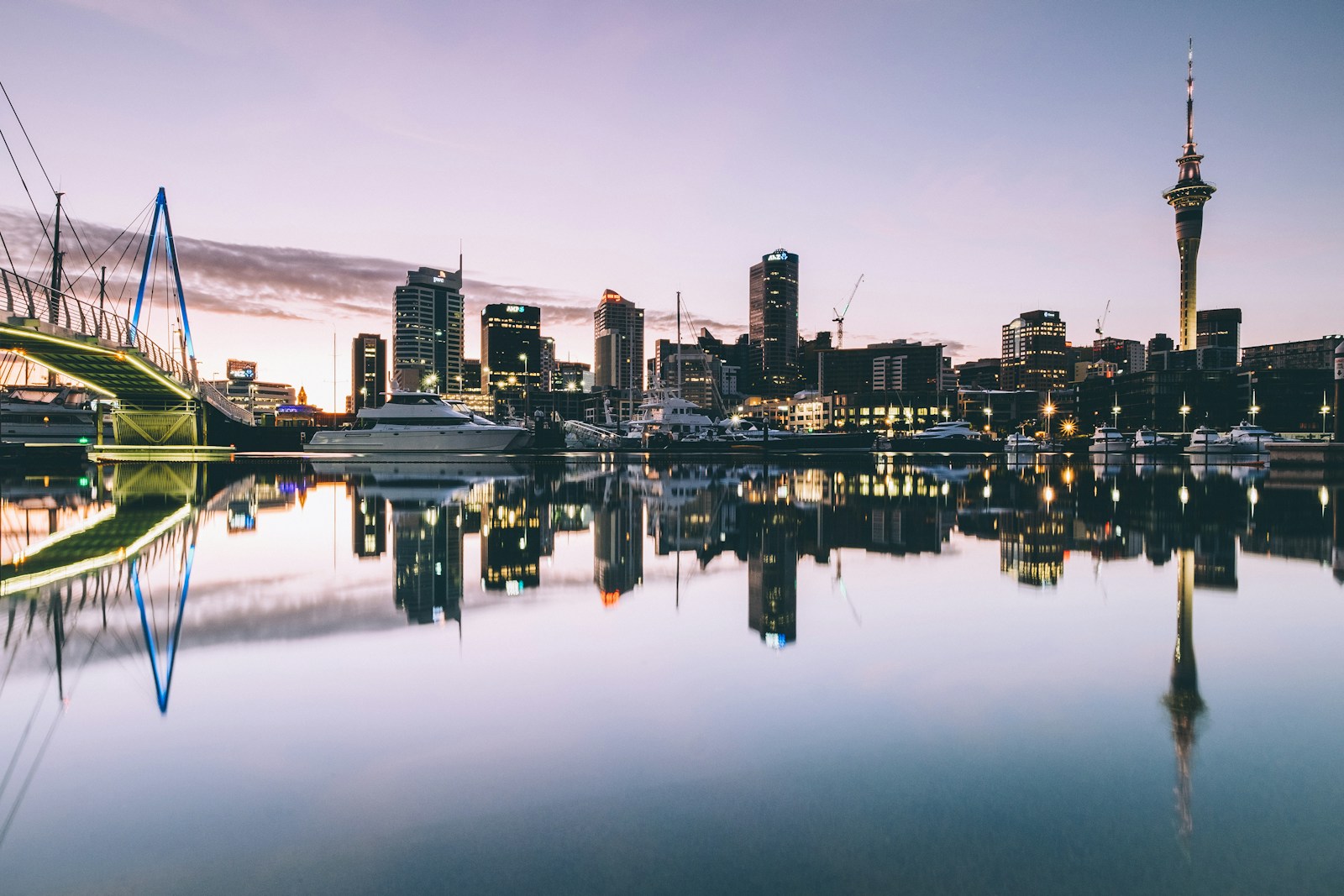
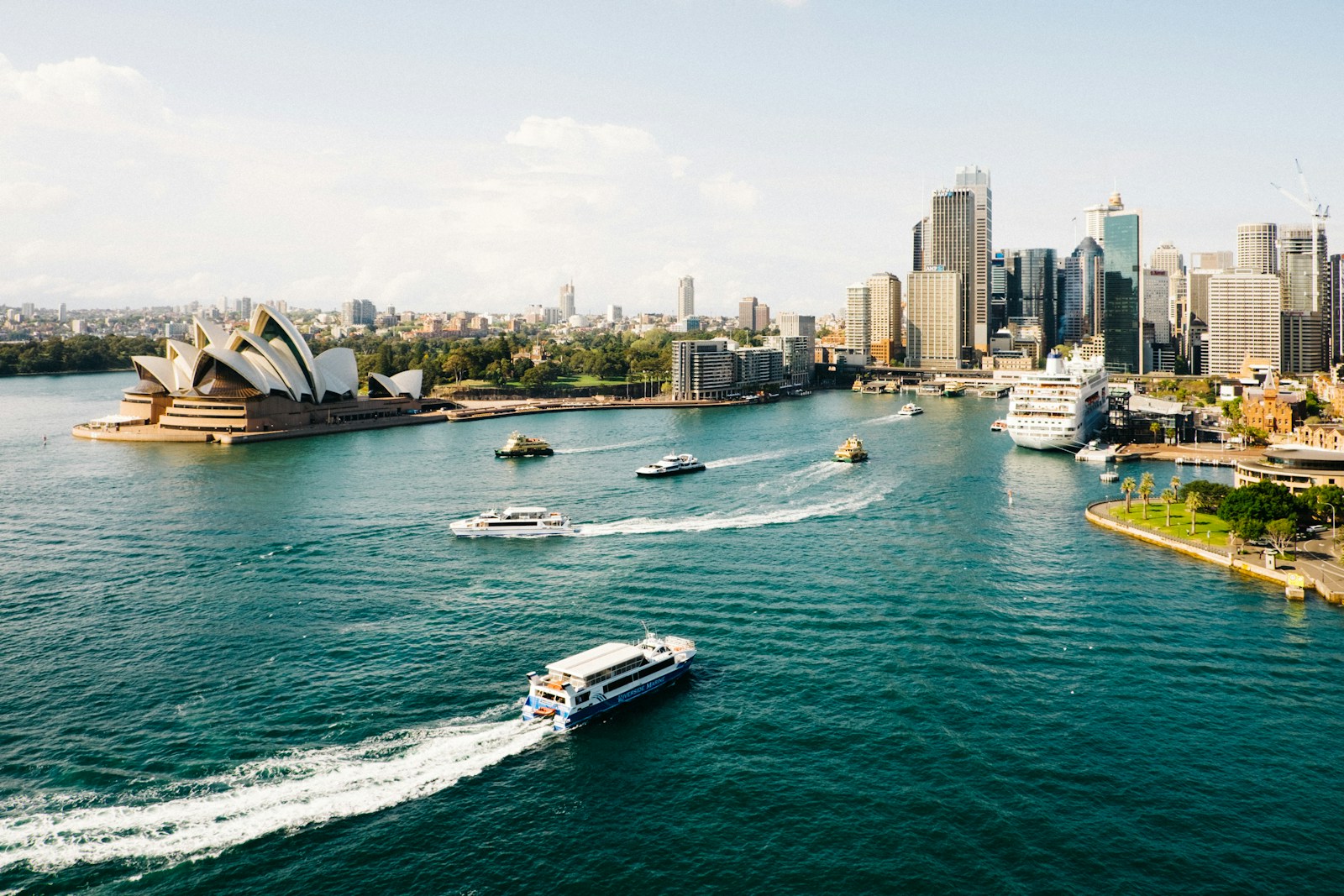
Sydney is Australia's most globally recognisable city — a metropolis of 5.3 million people built around one of the world's great natural harbours, where 240 kilometres of shoreline, dozens of coves and beaches, and the iconic twin landmarks of the Opera House and Harbour Bridge create a setting of extraordinary natural drama. Port Jackson cuts 20 kilometres inland from the Tasman Sea; the city's suburbs follow its indented bays and peninsulas in a pattern that means most Sydneysiders live within 20 minutes of water.
The Sydney Opera House — Jorn Utzon's 1973 masterpiece of shell-like concrete vaults — is the building that made Sydney internationally legible and remains one of the 20th century's most consequential architectural achievements. The adjacent Harbour Bridge (1932) can be climbed to the 134-metre summit for panoramic views over the harbour, the CBD, and both coastlines. The Rocks neighbourhood beneath the bridge — Sydney's original European settlement from 1788 — preserves colonial sandstone buildings now occupied by restaurants, galleries, and weekend markets.
Sydney's beaches are central to its identity. Bondi Beach (1km arc of sand, 70,000 visitors on a summer Sunday) is the most iconic; the coastal walk south to Bronte and Coogee passes through six further beach coves on a 6-kilometre cliff-top path of extraordinary beauty. Manly, accessible by ferry from Circular Quay in one of the world's great harbour ferry rides, is larger and less crowded with excellent surf breaks. The city's food culture is legitimately world-class: a long-standing Asian-Pacific fusion tradition, an outstanding coffee scene, and exceptional fresh produce from warm-climate agriculture — the Hunter Valley wine region is 2.5 hours north.
Practical planning: Best time is September to November (spring) and March to May (autumn) — warm but not the extreme heat of January-February when temperatures regularly reach 38-42°C. The Bondi to Bronte coastal walk is free and one of the world's best urban hikes; do it before 9am for the best light. The Opal transit card covers all trains, buses, and ferries. The Blue Mountains (1.5 hours west) and Royal National Park (1 hour south) are excellent day trips. Book top restaurant reservations 2-3 weeks in advance.
Practical planning for Sydney: the best time to visit is season-dependent, with a typical budget level of mid-range. Most travellers need three to five full days to cover the highlights without rushing — add extra time if you are combining Sydney with nearby regions.
Priority experiences include local food, culture, and outdoor experiences. Do not miss the main sights and neighbourhoods.
Before you book, verify entry requirements for Australia — visa rules, passport validity, and any health documentation change frequently. Travel insurance with medical evacuation cover is worthwhile for international trips.
Where to stay: pick a walkable neighbourhood close to your main interests rather than the cheapest option far from the centre — transport costs and lost time often erase the savings. Book popular restaurants, guided tours, and peak-season accommodation early for high season dates.
First-time Australia visitors who want a city base with world-class beaches, architecture, and day trip access — and anyone who wants to anchor a broader east-coast Australia itinerary.
Compare prices and book your trip — hotels, flights, and guided tours.
* Links open partner sites. We may earn a commission at no extra cost to you. See our editorial policy.