hidden
🐋 Tonga
📍 Tonga · Oceania
📍 Tonga · Oceania
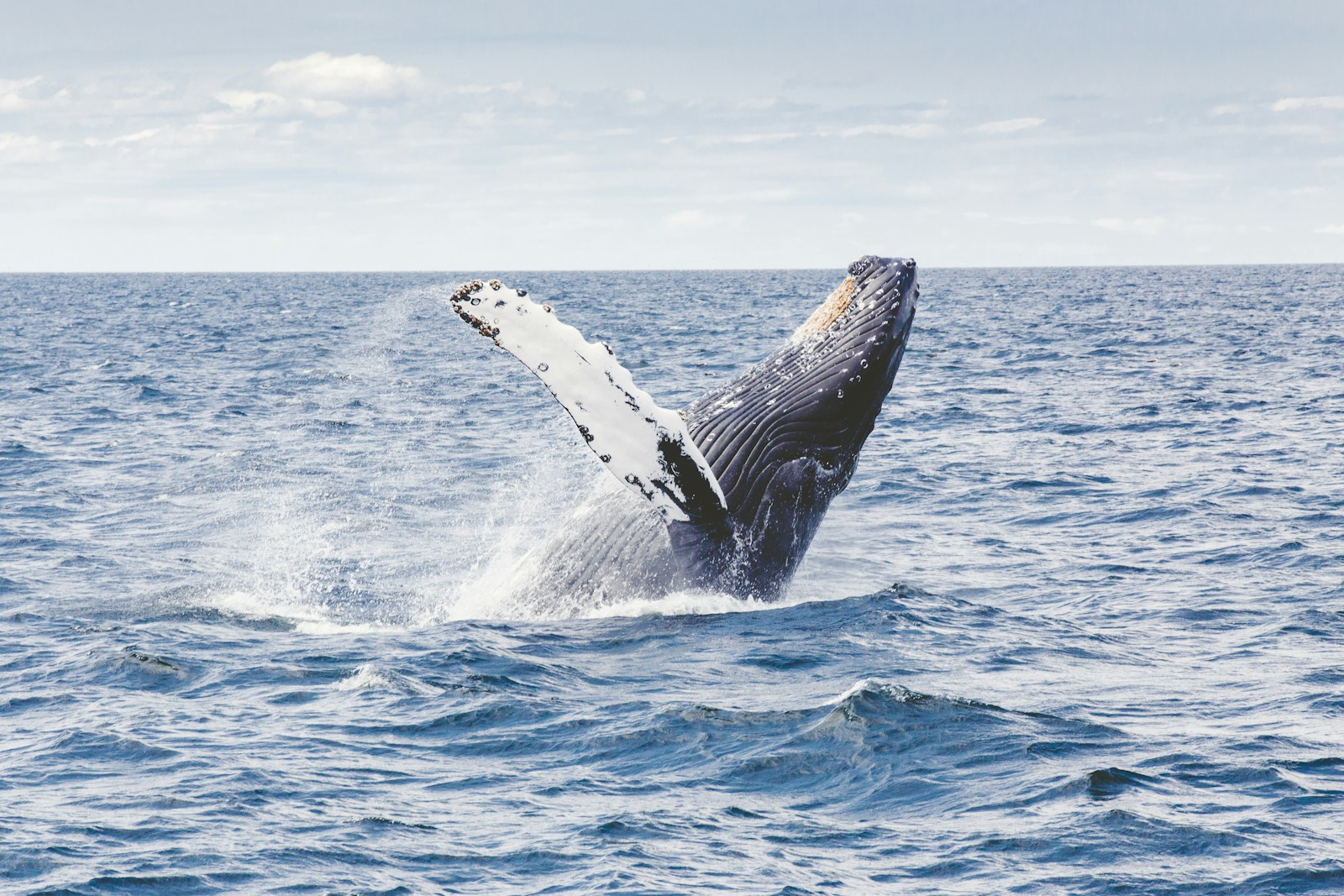
🏛 Humpback Whale Swimming
Tonga is the only Pacific Island nation never to have been formally colonised by a European power — it maintained a constitutional monarchy throughout the colonial era and signed treaties with European nations as an equal rather than a subject — and this independence has preserved a traditional Polynesian royal culture of unusual depth and continuity. The Kingdom's hierarchy of nobles and the village-based social structure remain genuinely intact rather than ceremonially preserved. The country consists of 169 islands across four main island groups, with a combined land area of just 750 square kilometres scattered across 700,000 square kilometres of ocean.
Tonga's most extraordinary attraction is swimming with humpback whales. From July to October, approximately 600 humpback whales migrate from Antarctic feeding grounds to the warm shallow waters around Vava'u and Ha'apai island groups to breed and give birth. Tonga is one of very few places in the world — and the most accessible — where in-water swimming with humpback whales is permitted under regulated conditions. Small boats carry 4-6 swimmers at a time, guided by experienced operators; the encounters — floating next to a 40-tonne mother and newborn calf in 25-degree clear water, hearing the whale's vocalisations through the water — are described by most who experience them as the most profound wildlife encounter of their lives.
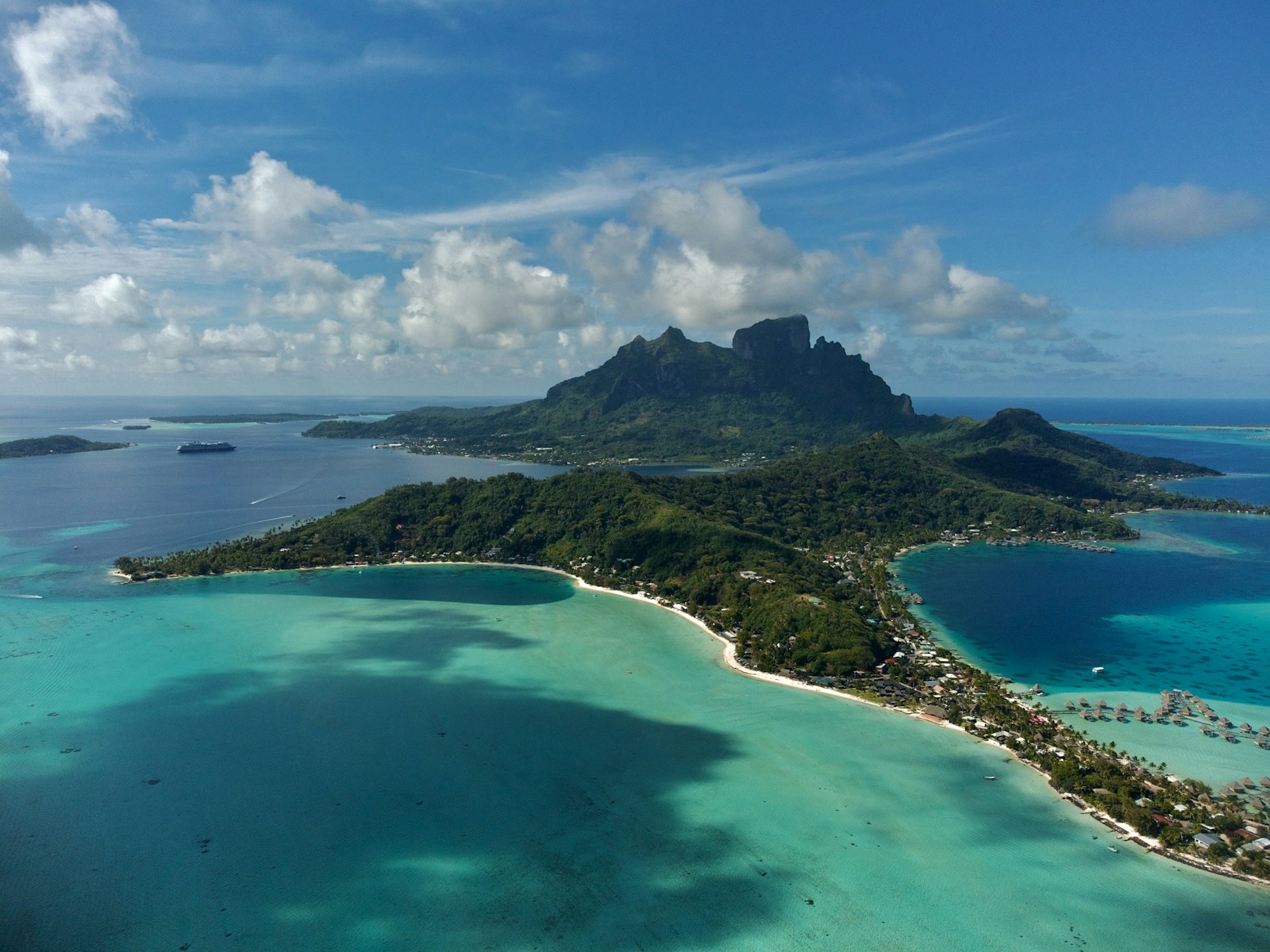
Beyond the whales, Tonga offers remarkable diversity. The Ha'apai island group is one of the Pacific's most unspoiled archipelagos — white-sand beaches, flat coral islands, and a near-total absence of tourism infrastructure that rewards independent travellers arriving by inter-island ferry. The Vava'u group has one of the Pacific's finest natural harbours and is a sailing centre: charter yachts explore the surrounding islands. The 'Eua island, the oldest island in Tonga geologically, has dense rainforest, sea cliffs, and endemic bird species including the Polynesian megapode.
Practical planning: Fly via Auckland or Fiji to Nuku'alofa (main island) or Vava'u direct from Auckland in season. The whale swimming season (July-October) is also Tonga's main tourist season — book whale swim operators 3-6 months in advance. Ha'apai is accessible by ferry (9 hours) or 40-minute flight. Dress modestly outside resorts; Sunday is completely observed as a day of rest — no water sports or transport operating. The Tongan feast (umu cooked food at a village celebration) is the cultural highlight of any stay.
Practical planning for Tonga: the best time to visit is season-dependent, with a typical budget level of mid-range. Most travellers need three to five full days to cover the highlights without rushing — add extra time if you are combining Tonga with nearby regions.
Priority experiences include local food, culture, and outdoor experiences. Do not miss the main sights and neighbourhoods.
Before you book, verify entry requirements for Tonga — visa rules, passport validity, and any health documentation change frequently. Travel insurance with medical evacuation cover is worthwhile for international trips.
Where to stay: pick a walkable neighbourhood close to your main interests rather than the cheapest option far from the centre — transport costs and lost time often erase the savings. Book popular restaurants, guided tours, and peak-season accommodation early for high season dates.
Wildlife travellers for whom swimming with humpback whales is a bucket-list experience, off-the-beaten-path Pacific island seekers, and anyone wanting a Polynesian destination with essentially zero mass tourism.
Compare prices and book your trip — hotels, flights, and guided tours.
* Links open partner sites. We may earn a commission at no extra cost to you. See our editorial policy.