adventure
🏔️ Machu Picchu
📍 Peru · South America
📍 Peru · South America
🏛 Machu Picchu Citadel
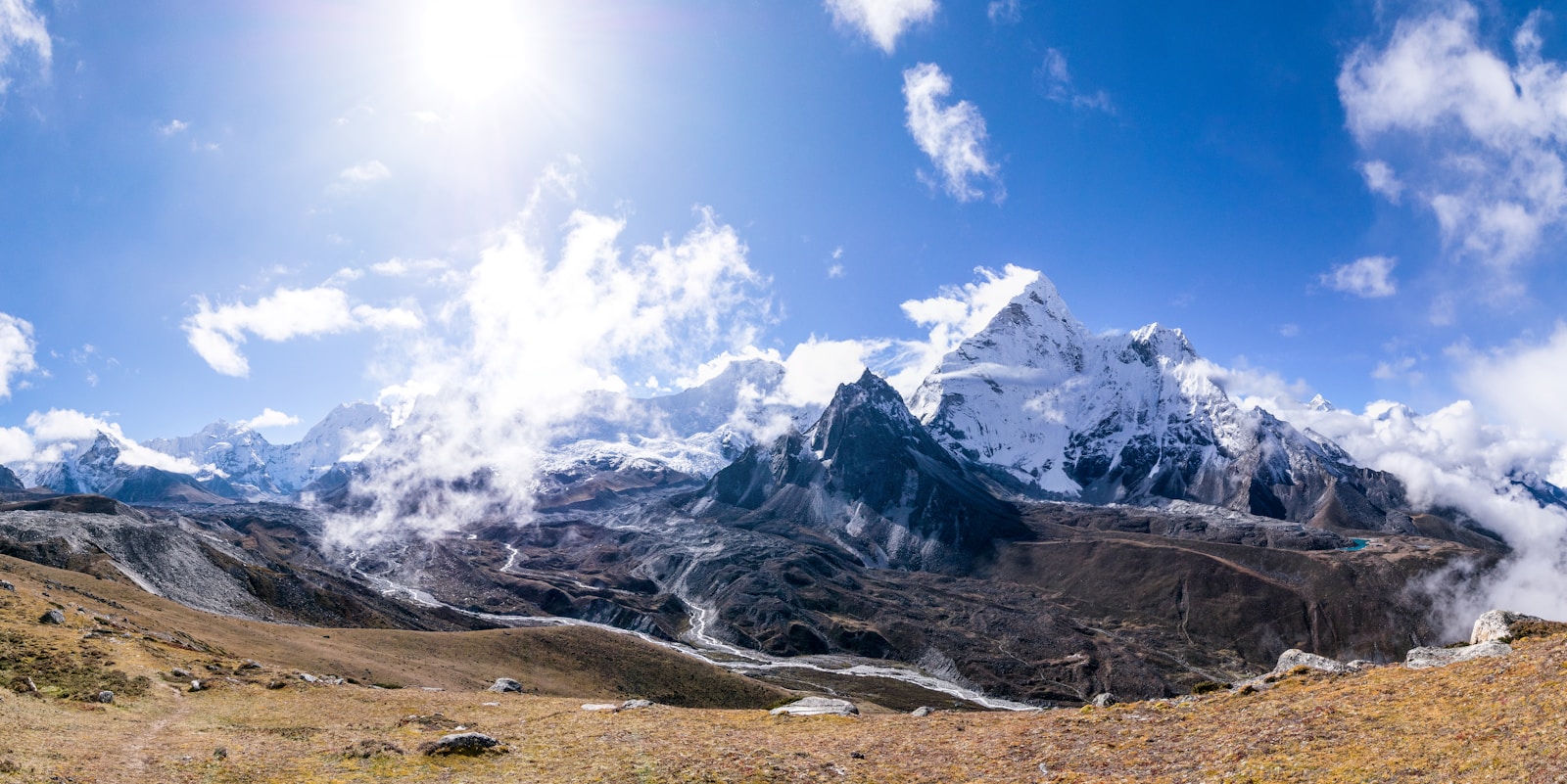
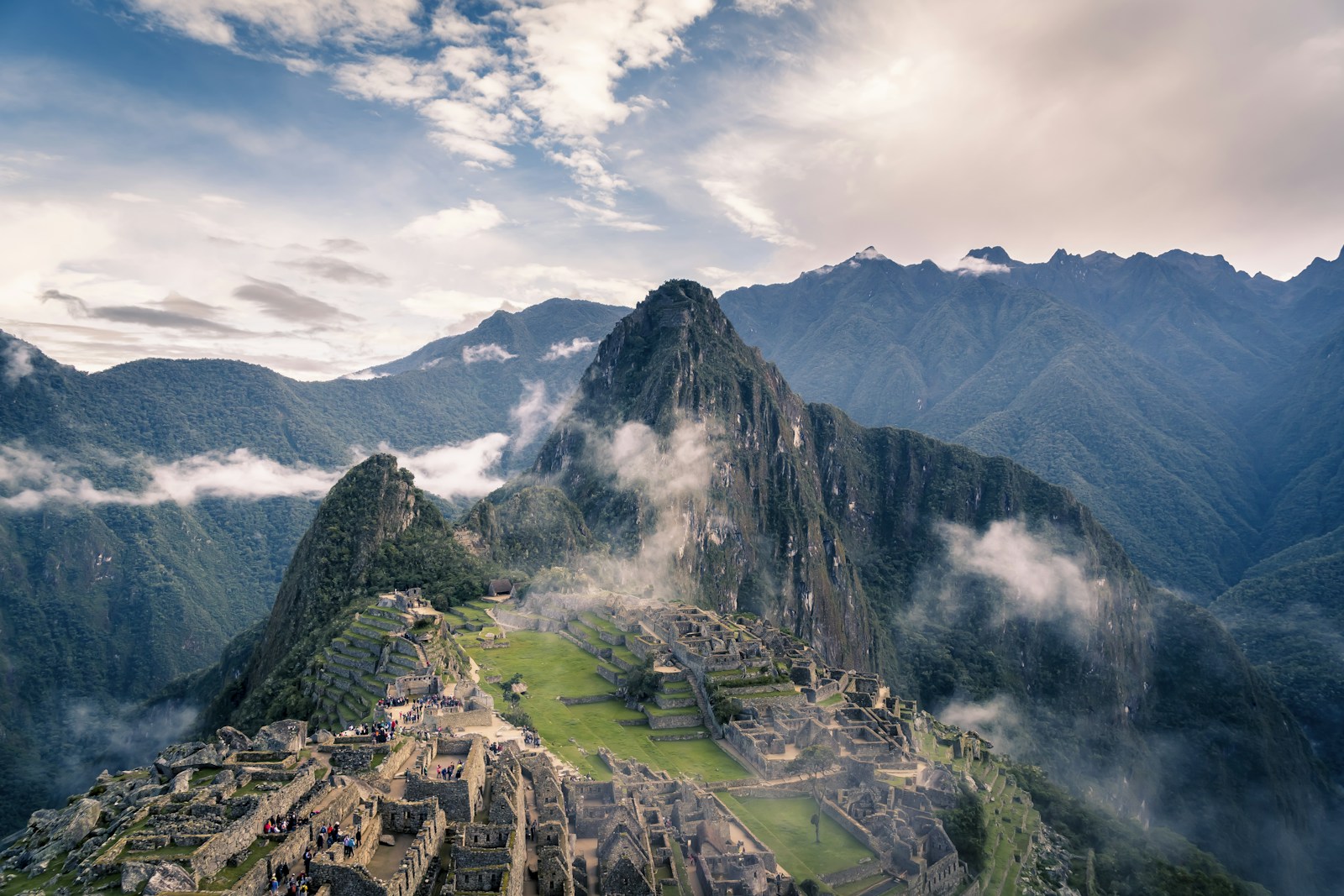
Machu Picchu is the most visited archaeological site in South America and one of the most extraordinary human constructions on Earth — an entire Inca city built on a cloud-forest ridge at 2,430 metres altitude in the 15th century, abandoned around 1572 after the Spanish conquest, and unknown to the outside world until American historian Hiram Bingham arrived in 1911. The site's setting is as remarkable as its architecture: the mountains Huayna Picchu and Machu Picchu rise dramatically behind the ruins, cloud forest cascades down the valleys on all sides, and the Urubamba River curves thousands of metres below in a horseshoe canyon visible from the agricultural terraces at the citadel's edge.
The engineering at Machu Picchu is still imperfectly understood. The Inca, building without iron tools, wheeled vehicles, or draft animals above a certain size, quarried granite blocks from the mountain itself, transported them to the ridge using rollers and rope, and fitted them together in the "ashlar" style — no mortar, perfectly interlocking — with such precision that even today a sheet of paper cannot be inserted between stones. The buildings were earthquake-resistant by design: slightly trapezoidal walls that flex and resettle rather than crack. The hydraulic system channeled mountain spring water through 16 fountains to every sector of the city. The site contains roughly 200 structures including temples, palaces, a royal estate, astronomical observatory (the Intihuatana stone), and agricultural terracing that still drains effectively after 500 years.
The approach matters enormously. The classic Inca Trail — 43 kilometres from the Sacred Valley through cloud forest and over four mountain passes — remains the most rewarding way to arrive, though the 500 daily permit limit requires booking four to six months in advance. The shorter Inca Trail (two days) covers the most dramatic section. The Salkantay Trek (five days via a 4,600m glaciated pass) is a spectacular alternative. For those without trekking permits, the train from Cusco to Aguas Calientes followed by a shuttle bus is the standard approach — perfectly adequate but substantially less atmospheric.
Practical planning: Timed entry tickets are now mandatory and sell out weeks in advance; book through the official Peru government portal. Crowds peak May to August and around December solstice — arrive at the 6am opening for the best light and fewest people. Altitude: Machu Picchu itself at 2,430m is manageable for most; Cusco at 3,400m requires one to two days' acclimatisation. The Huayna Picchu and Machu Picchu mountain circuits offer panoramic views but require separate tickets limited to 400 people per day.
History and archaeology enthusiasts, serious trekkers, and anyone with genuine curiosity about the Inca civilisation rather than just the summit photograph.
Compare prices and book your trip — hotels, flights, and guided tours.
* Links open partner sites. We may earn a commission at no extra cost to you. See our editorial policy.