nature
🌿 Amazon Rainforest
📍 Brazil · South America
📍 Brazil · South America
🏛 Meeting of the Waters, Manaus
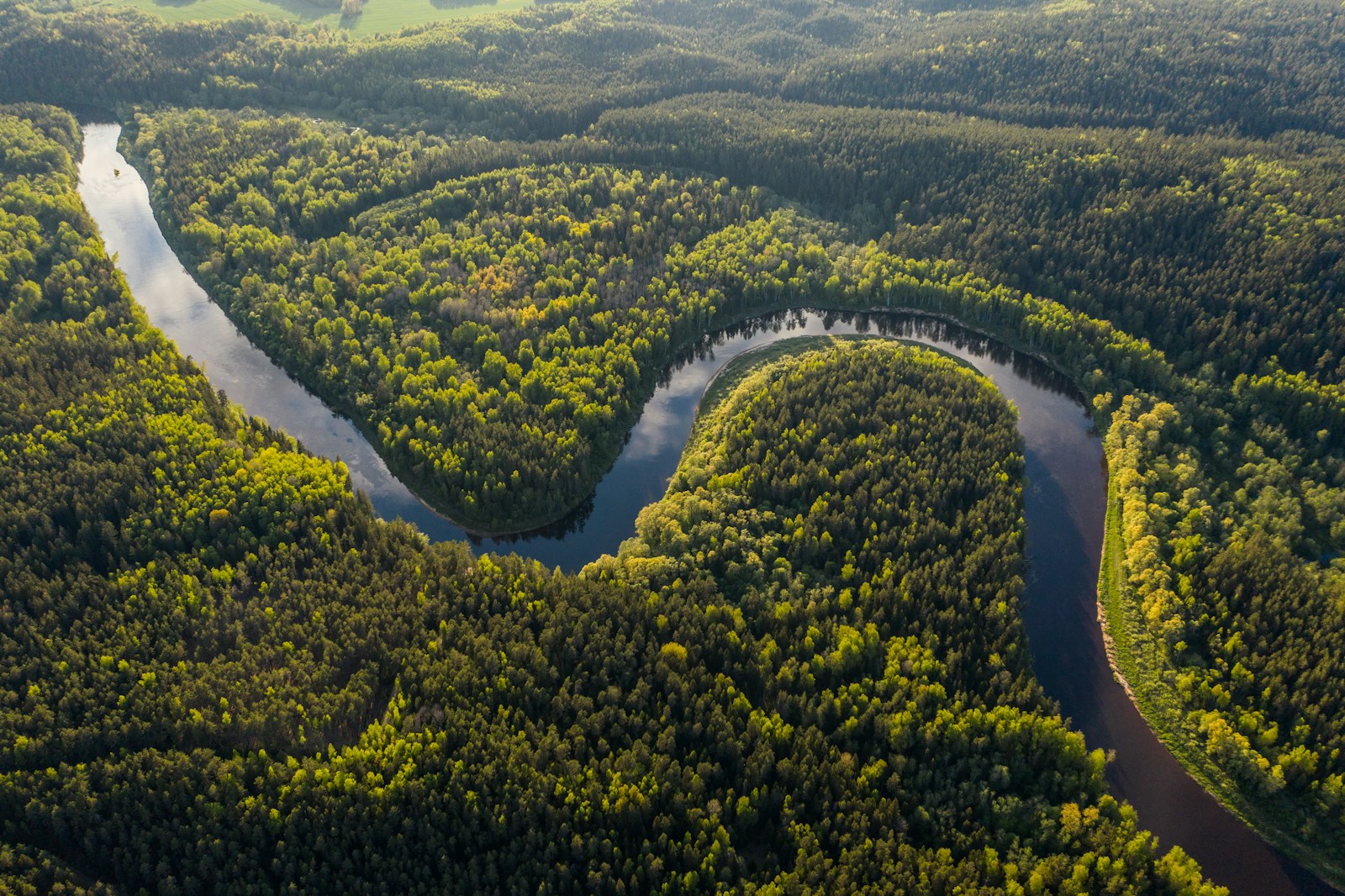
The Amazon Basin is the lungs of the Earth — a rainforest ecosystem of 5.5 million square kilometres that produces 20% of the world's oxygen, holds 10% of all species on Earth, and cycles so much water through evapotranspiration that it effectively creates its own weather system. The Amazon River itself — the world's largest by volume, discharging 20% of all fresh water entering the world's oceans — drains a basin the size of the contiguous United States. Even travelling for days by river, the forest remains unbroken on every horizon: the scale defeats comprehension and is best understood as a governing fact of the experience rather than a sight to be taken in.
Manaus, the primary gateway city at the confluence of the Rio Negro and Amazon, is 1,500 kilometres from the Atlantic coast and yet sits in the middle of the rainforest with an opera house (Teatro Amazonas, 1896) that was built during the rubber boom when Manaus was briefly one of the wealthiest cities in South America. From Manaus, jungle lodges in primary forest are accessible within 40-150 kilometres by river — closer lodges compromise on wildlife density; the best experiences require at least two hours of river travel. A minimum three-night stay allows for guided forest walks (identifying medicinal plants, tracks, and the extraordinary architecture of leaf-cutter ant colonies), night canoe trips (spectacularly clear skies and multiple caiman sightings), piranha fishing (more theatrical than dangerous), and dawn bird watching (400+ species in a single lodge area).
The flooded forest (igapó) experience during high-water season (December to June) is uniquely Amazonian: rivers rise 10-15 metres, inundating the forest floor and creating a landscape where canoes navigate through trees, pink river dolphins (boto) swim between tree trunks, and giant arapaima fish — the world's largest scaled freshwater fish — surface in the flooded clearings. The Ecuadorian and Peruvian Amazon (Iquitos, Manu National Park) offers higher biodiversity density than the Brazilian Amazon and is significantly less deforested; Manu is considered the most biodiverse protected area on Earth.
Practical planning: Best time to visit depends on what you want. June to November (low water): more land-exposed, easier forest walks, river beaches, better caiman viewing. December to June (high water): flooded forest, pink dolphins in trees, more dramatic river travel. Yellow fever vaccination is required for the Brazilian Amazon. Book lodges directly for better value and more direct revenue to local communities. River cruises (3-7 days) between Manaus and Belém or into the Peruvian Amazon cover more ground; lodge stays offer greater depth. Choose lodges with genuine local community involvement rather than international chains.
Compare prices and book your trip — hotels, flights, and guided tours.
* Links open partner sites. We may earn a commission at no extra cost to you. See our editorial policy.