nature
⛵ Ha Long Bay
📍 Vietnam · Asia
📍 Vietnam · Asia
🏛 Sung Sot Cave & Karst Islands
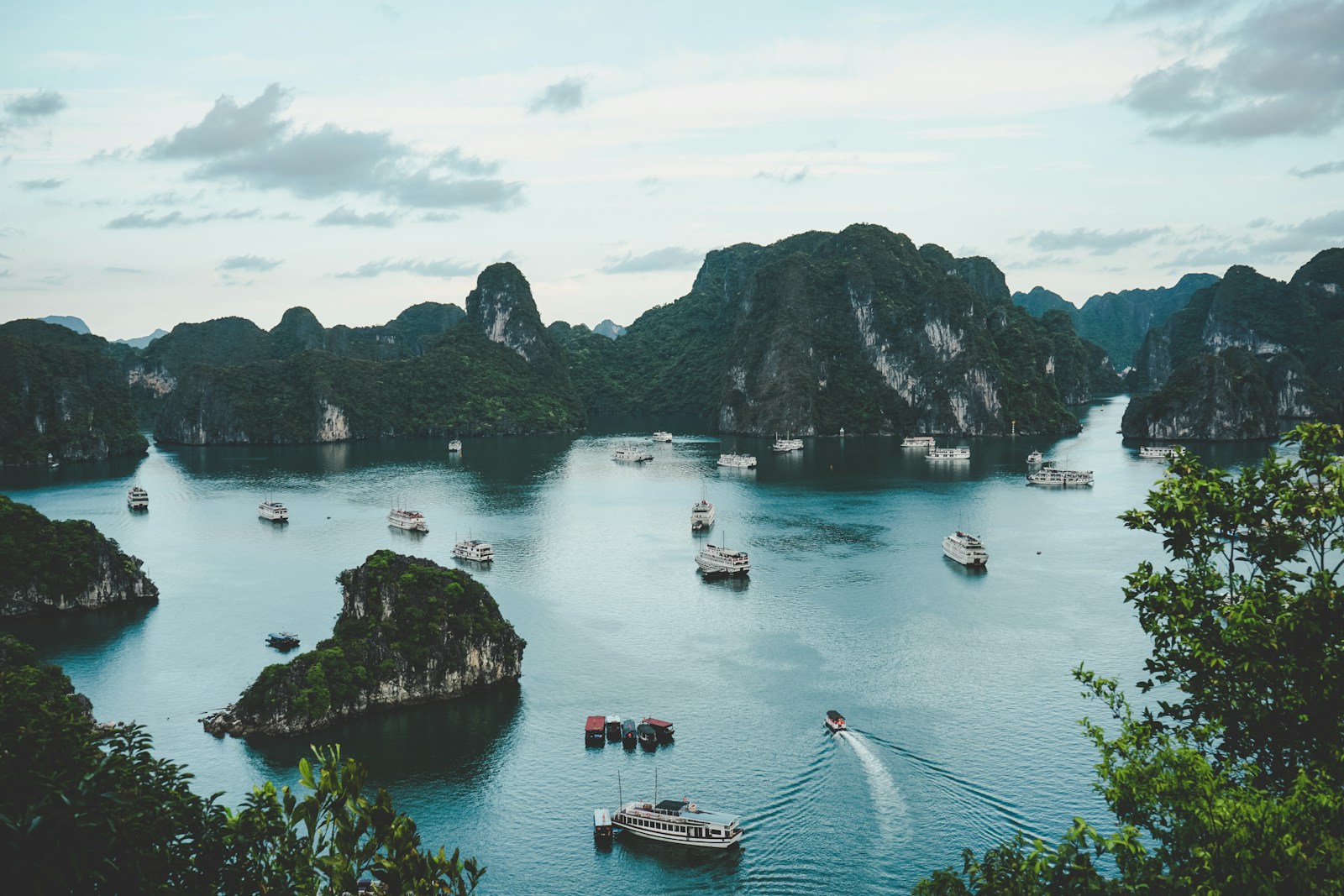
Ha Long Bay is Vietnam's most iconic landscape and one of the world's most extraordinary seascapes — a UNESCO World Heritage Site of 1,969 limestone karst islands and islets rising from the emerald green Gulf of Tonkin, their sheer-sided forms sculpted over 500 million years into towers, caves, and arches of extraordinary variety. The bay covers 1,553 square kilometres, and the scale of the karst formation — more islands than most people see in a lifetime, stretching to every horizon — is as impressive as any individual rock formation within it.
The definitive way to experience Ha Long Bay is a multi-day junk boat cruise — traditional wooden vessels (increasingly modern inside, despite the traditional exterior) that sail between the islands, anchoring in sheltered coves overnight. The experience of waking at dawn to find the boat surrounded by mist-wreathed karst towers in absolute silence is genuinely magical. Most 2-night, 3-day cruises cover the central bay, stopping at Sung Sot Cave (Surprise Cave), the largest accessible cave in the bay with extraordinary stalactite formations lit in coloured lights; Ti Top Island with its hilltop panoramic viewpoint; and kayaking into hidden lagoons enclosed by sheer karst walls.
Lan Ha Bay, immediately adjacent to Ha Long and administered separately (requiring a different permit), is generally considered more pristine and less crowded — particularly popular with kayakers exploring its more intimate channels and beaches. Cat Ba Island, the largest island in the bay and home to the Cat Ba Biosphere Reserve, offers hiking, rock climbing, and more authentic local life than the cruise-dominated main bay.
The difference in cruise quality within Ha Long Bay is enormous — from overcrowded budget boats with thin mattresses and poor food to genuinely luxurious small-group boats with excellent cuisine, spa facilities, and expert guides. Research operators carefully before booking; Indochina Junk, Heritage Line, and Paradise Cruises are consistently recommended at the premium end. Visit October–April for the best visibility and calmest seas; summer (June–August) brings hotter weather but also higher chances of rain and reduced visibility from humid haze.
Practical planning for Ha Long Bay: the best time to visit is season-dependent, with a typical budget level of mid-range. Most travellers need three to five full days to cover the highlights without rushing — add extra time if you are combining Ha Long Bay with nearby regions.
Priority experiences include local food, culture, and outdoor experiences. Do not miss the main sights and neighbourhoods.
Before you book, verify entry requirements for Vietnam — visa rules, passport validity, and any health documentation change frequently. Travel insurance with medical evacuation cover is worthwhile for international trips.
Where to stay: pick a walkable neighbourhood close to your main interests rather than the cheapest option far from the centre — transport costs and lost time often erase the savings. Book popular restaurants, guided tours, and peak-season accommodation early for high season dates.
Compare prices and book your trip — hotels, flights, and guided tours.
* Links open partner sites. We may earn a commission at no extra cost to you. See our editorial policy.