adventure
🏛️ Cusco & Sacred Valley
📍 Peru · South America
📍 Peru · South America
🏛 Sacred Valley of the Incas
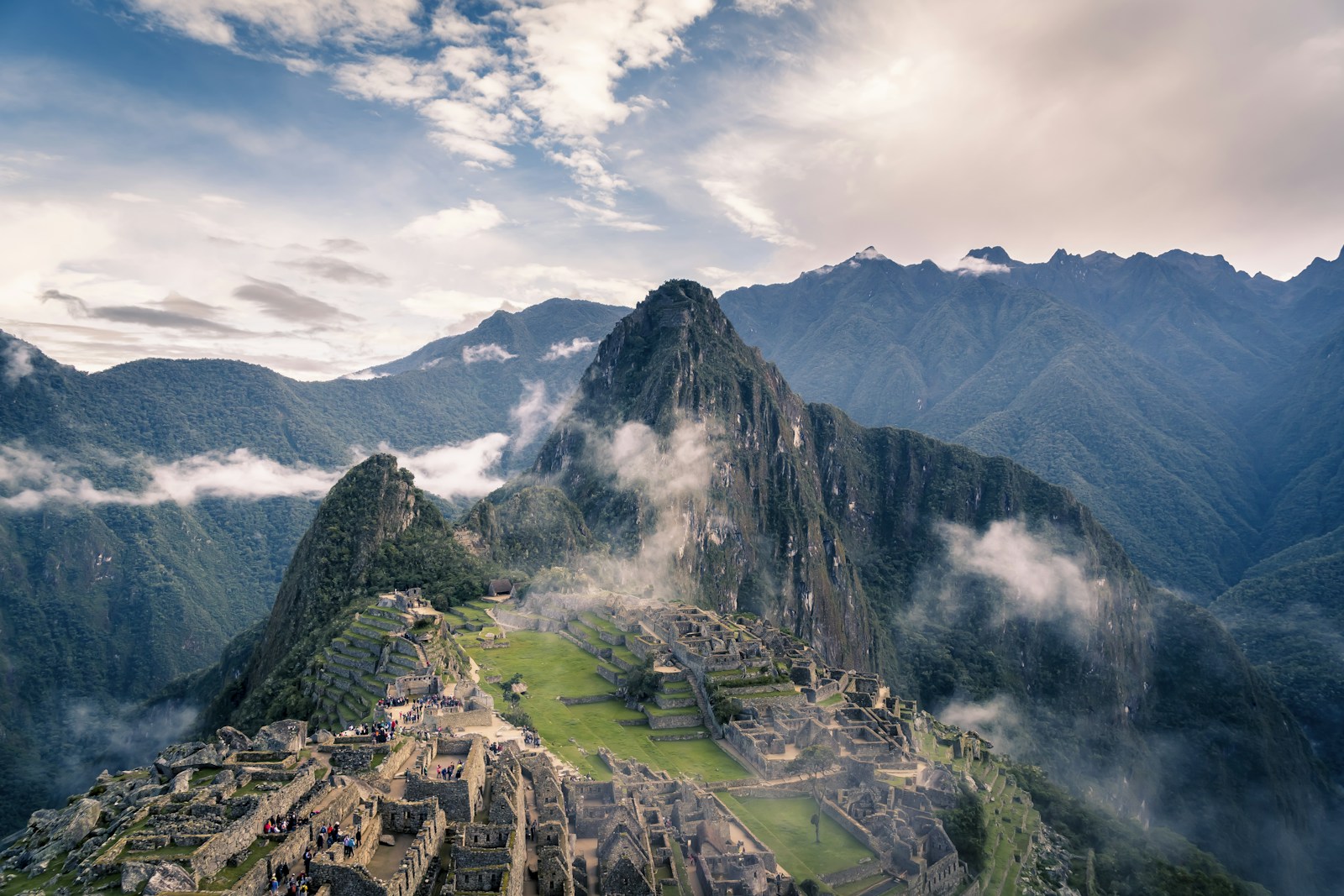
Cusco was the capital of the Tawantinsuyu — the Inca Empire — at its peak in the 15th century, when it was the largest city in South America and the political, spiritual, and administrative centre of an empire stretching 4,000 kilometres from southern Colombia to northern Chile. The Spanish conquistadors, arriving in 1533, did not demolish the Inca city so much as build directly on top of it: the precision-fitted Inca stone walls that underpin the colonial buildings are still visible throughout the city centre, and in many streets you can run your hand along perfectly assembled polygonal stone blocks laid 500 years before the Spanish arrived and still maintaining perfect structural integrity.
The city itself — at 3,400 metres altitude in a high Andean valley — is a living archaeological site. The Qorikancha (Temple of the Sun), the most sacred building in the Inca Empire, had its gold-plated walls stripped and its foundations used to build the Santo Domingo convent; today you can stand in the colonial church and look down into the precisely engineered Inca curved-stone chambers beneath. The Sacsayhuamán fortress above the city uses limestone blocks weighing up to 125 tonnes, fitted so exactly that the joins are invisible to the naked eye — a feat of engineering that remains unexplained. The city's Plaza de Armas, ringed by colonial arcades and the Cathedral built over the Inca Kiswarcancha palace, is one of South America's grandest main squares.
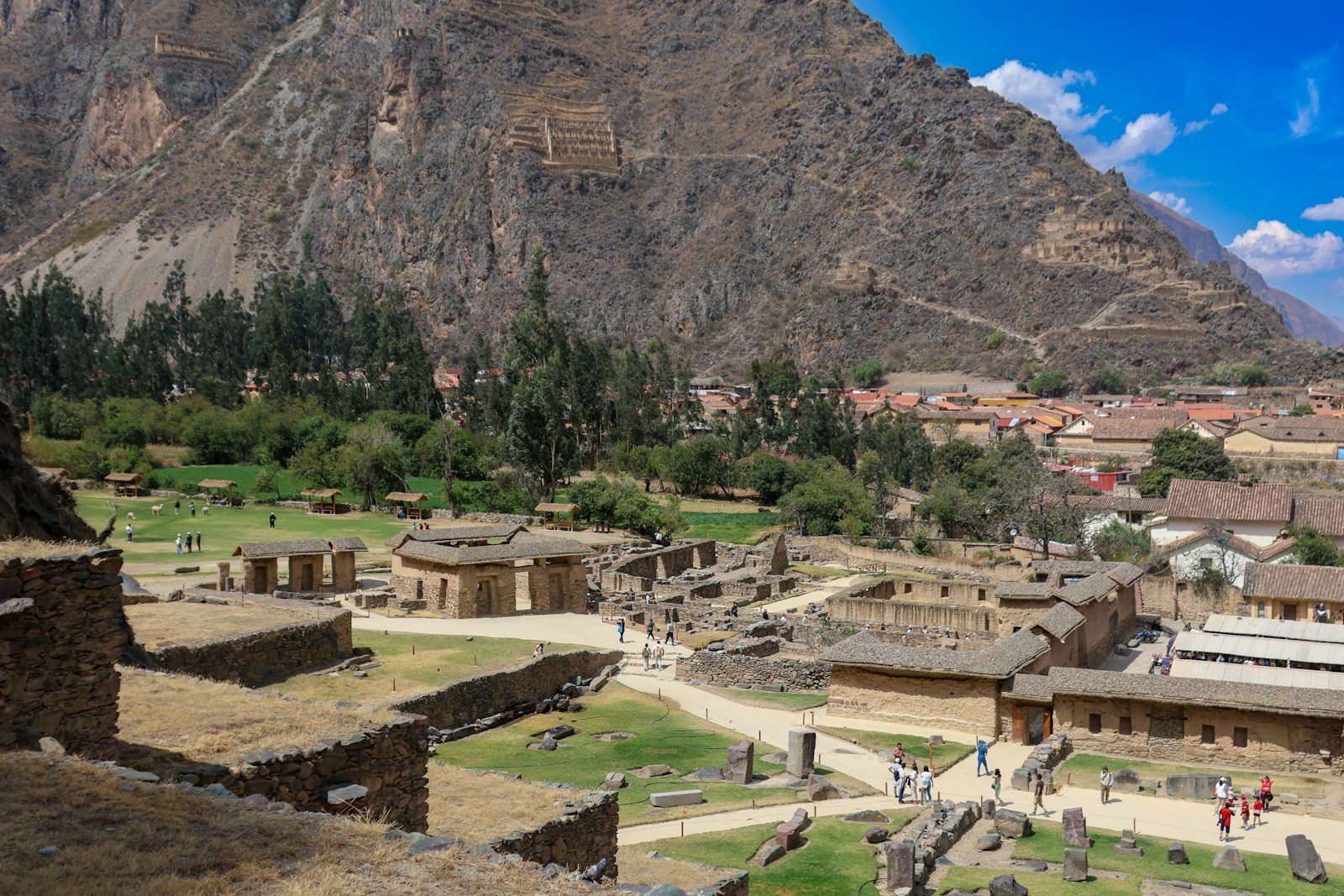
The Sacred Valley stretching northwest from Cusco toward Machu Picchu holds a series of extraordinary Inca sites: Pisac (terraced agricultural complex with a citadel and royal estate), Ollantaytambo (the only Inca town in the Americas still inhabited on its original plan, with massive terraces and a half-finished temple complex), and Moray (a series of circular terraced depressions believed to be an agricultural experimentation laboratory). The valley floor hosts excellent textile markets where weavers from the surrounding villages sell hand-dyed, hand-woven textiles of extraordinary quality.
Practical planning: Altitude sickness affects a significant percentage of visitors; spend at least two days in Cusco acclimatising before the Inca Trail or Machu Picchu. Symptoms (headache, nausea, fatigue) are common at first; most resolve within 48 hours. Coca tea is widely available and mildly helpful. Avoid alcohol for the first 24 hours. Best time May to October (dry season); the Inti Raymi festival (June 24) is spectacular. Inca Trail permits sell out for the May-August peak six months in advance.
Anyone using Peru as a gateway to Machu Picchu — but Cusco itself deserves at least three days independently of the Inca Trail.
Compare prices and book your trip — hotels, flights, and guided tours.
* Links open partner sites. We may earn a commission at no extra cost to you. See our editorial policy.