Two cities, two completely different Asia experiences. Tokyo is sensory overload in the best way — Singapore is ultra-efficient, multicultural, and effortlessly liveable. Here's how to choose.
Both cities rank in the world's top 10 travel destinations for 2026. Both are ultra-safe, have world-class food scenes, and run on public transport so efficient it makes the rest of the world look incompetent. But they offer completely different experiences — and choosing wrong for your travel style is a real mistake.
The Case for Tokyo
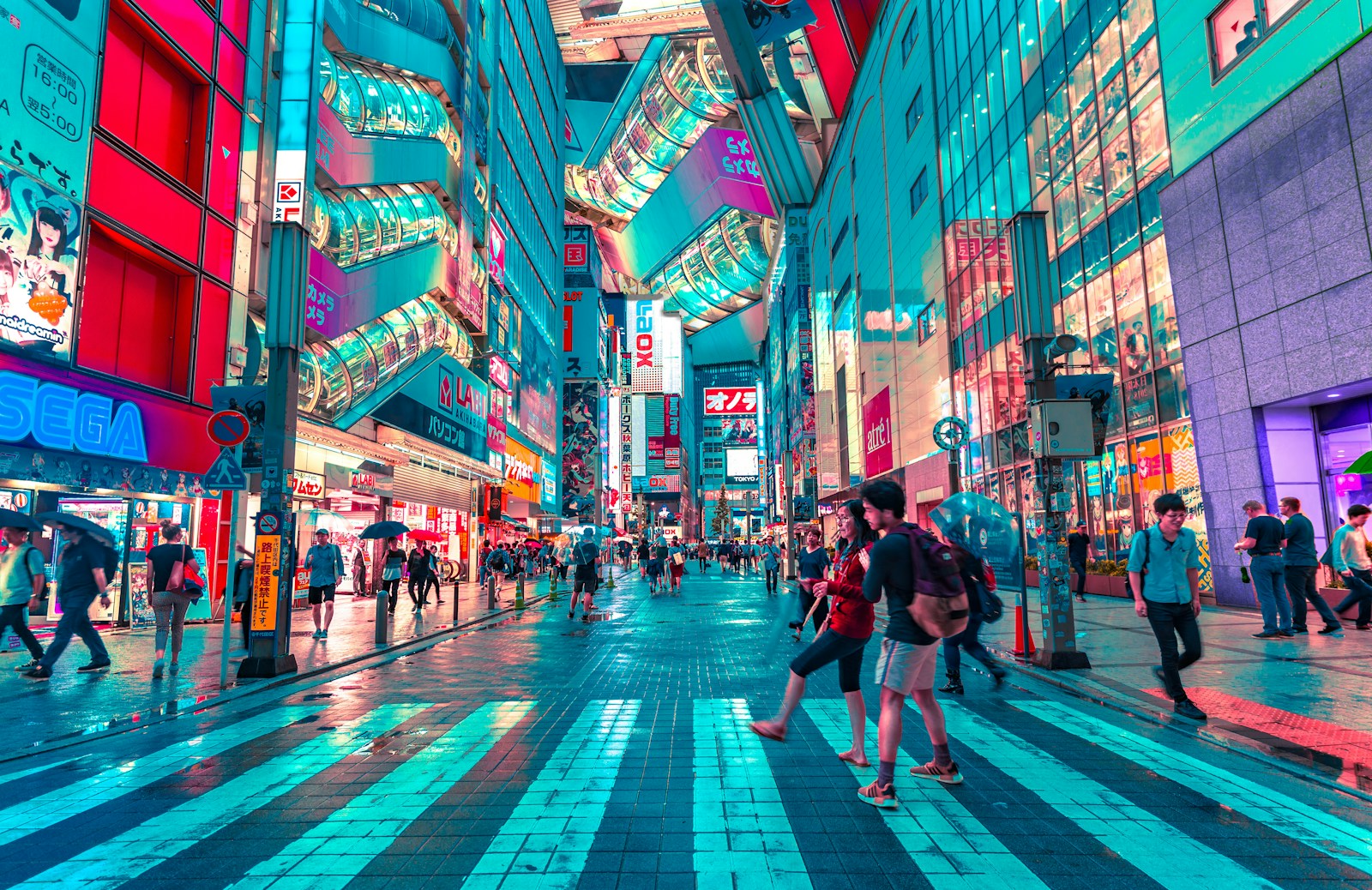
Tokyo is organized chaos. Thirteen million people in one city, and yet every train runs to the second, every convenience store feels like a gourmet deli, and every neighborhood has a completely distinct personality. Shinjuku doesn't feel like Shimokitazawa. Akihabara doesn't feel like Yanaka.
Go to Tokyo if you want:
- The world's best food scene (more Michelin stars than Paris)
- Deep cultural immersion — temples, anime, fashion, traditional crafts
- A city that surprises you every single day for weeks
- Easy day trips: Mt. Fuji, Nikko, Kamakura, Hakone
Budget: Mid-range. Accommodation is pricier than Southeast Asia but food can be cheap — a perfect ramen costs $8.
The Case for Singapore
Singapore is what happens when you take four distinct cultures (Chinese, Malay, Indian, colonial British) and compress them into a city-state the size of a small island. The result is the most sophisticated, liveable, and quietly fascinating city in Asia.
Go to Singapore if you want:
- The best hawker food in the world (Michelin-starred $3 chicken rice)
- Seamless English-speaking experience with zero language barrier
- Architecture that belongs in a sci-fi film (Gardens by the Bay)
- A base for exploring Malaysia, Indonesia, and beyond
Budget: Mid-range to high — Singapore is expensive by Asian standards but cheaper than Tokyo for accommodation.
Head-to-Head Comparison
| Factor | Tokyo | Singapore |
|---|---|---|
| Food | ⭐⭐⭐⭐⭐ | ⭐⭐⭐⭐⭐ |
| Language ease | ⭐⭐⭐ | ⭐⭐⭐⭐⭐ |
| Days needed | 7–14 days | 3–5 days |
| Day trips | Excellent | Good (Bintan, JB) |
| Best season | Mar–May, Sep–Nov | Feb–Apr |
The Verdict
First-time Asia trip? Start with Singapore. English everywhere, easy to navigate, and it eases you into Asian food culture without overwhelm.
Returning to Asia? Tokyo. It's one of those rare cities that rewards every return visit with something new. You could live there for a year and still find surprises.
If you can do both: Fly into Singapore, spend 4 days, fly to Tokyo for 10. You'll understand why Asia dominates global travel rankings.
Getting Around: Two Different Transit Philosophies
Both cities have outstanding public transport, but they operate on different scales. Tokyo's JR and Tokyo Metro networks combined cover 282 stations across one of the largest metropolitan areas on earth — the Suica/Pasmo IC card handles everything from subways to convenience store payments. The complexity is real: allow 30 minutes to navigate your first few journeys, and download the Japan Official Travel App for live routing. Singapore's MRT is simpler, smaller, and easier to master in a day — 6 lines, 130 stations, and everything is signposted in English. For first-time Asia travellers, Singapore's transit system removes a significant source of stress.
Day Trips: Who Wins?
Tokyo is unmatched for day trip quality and variety. Nikko (2 hours north) has the most ornate shrine complex in Japan inside ancient cedar forest. Kamakura (1 hour south) has a giant Buddha and eleven temples accessible by bicycle. Hakone (1.5 hours southwest) offers onsen hot springs with views of Mt Fuji. Kyoto (2.5 hours by Shinkansen) is arguably the finest city in all of Asia for cultural immersion. Singapore's day trips are genuinely good but less spectacular: Bintan island resort in Indonesia (1 hour by ferry), Johor Bahru in Malaysia (30 minutes), and Sentosa for beach and Universal Studios.
Accommodation: Value Comparison
For equivalent quality, Tokyo is now slightly more affordable than Singapore thanks to the weak yen — a significant change from five years ago. A good business hotel in central Tokyo (Shinjuku, Shibuya) runs ¥12,000–20,000 ($80–130) per night. The equivalent in Singapore's Orchard or Marina Bay district runs SGD$200–320 ($150–240). Budget capsule hotels in Tokyo start from ¥3,000 ($20) — a category Singapore's hostels can't quite match for the same combination of cleanliness, design, and value. Both cities are genuinely expensive compared to Southeast Asian standards, but Tokyo has become surprisingly competitive for mid-range travellers.
The Intangible Difference
The comparison that matters most is harder to quantify. Tokyo rewards depth — the city has layers that reveal themselves over weeks and years, and long-term residents regularly discover neighbourhoods or subcultures they never knew existed. It is, in the truest sense, inexhaustible. Singapore is more transparent — its extraordinary qualities (the food, the architecture, the multicultural ease) are visible and accessible from day one. Neither is better; they suit different travel personalities. The traveller who wants to feel gradually unwrapped by a place will choose Tokyo. The traveller who wants to feel immediately welcome and efficiently delighted will choose Singapore. Both will leave planning their return.