Northeast
⛵ Connecticut
📍 Mystic Seaport · United States
📍 Mystic Seaport · United States
🏛 Mystic Seaport Museum
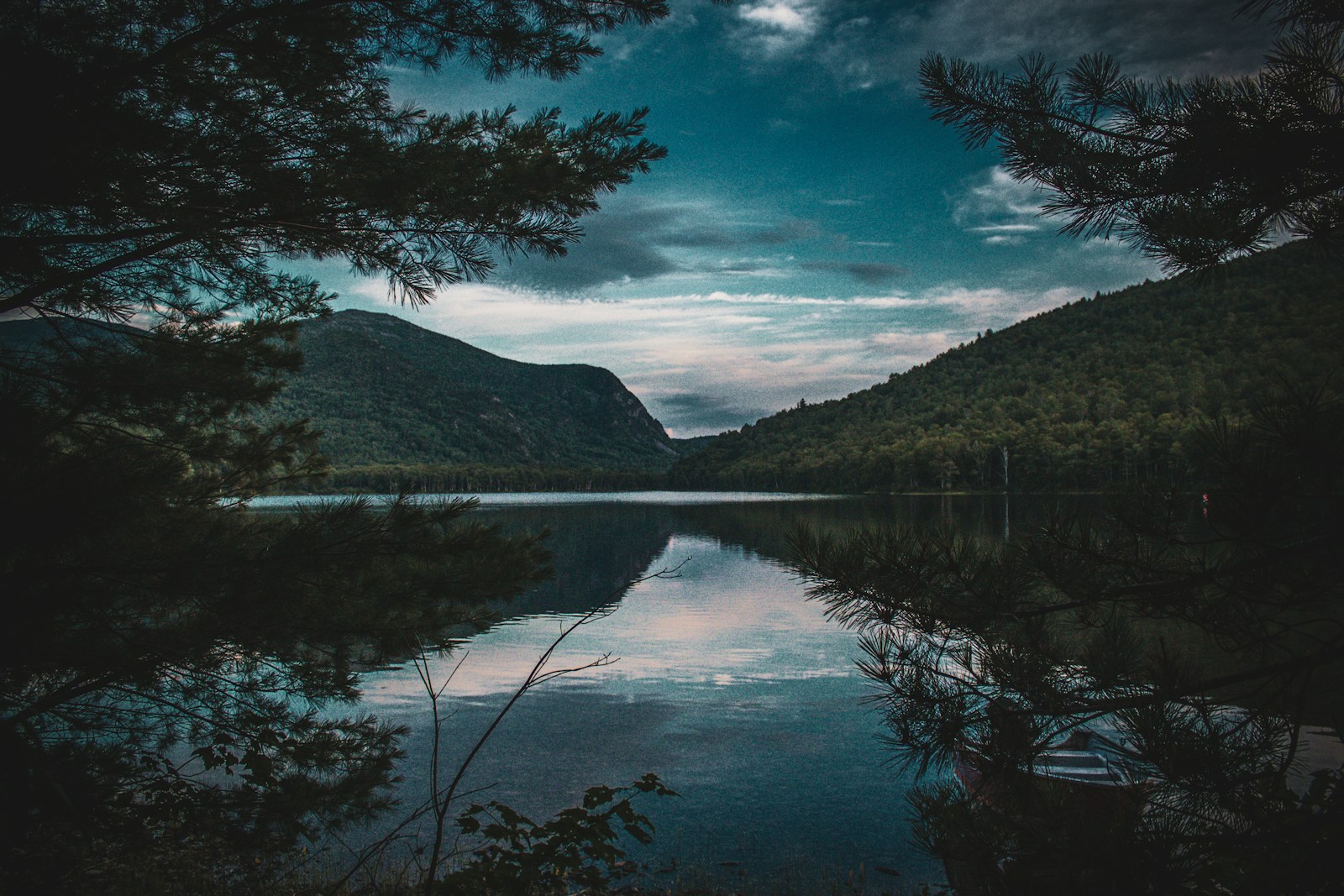
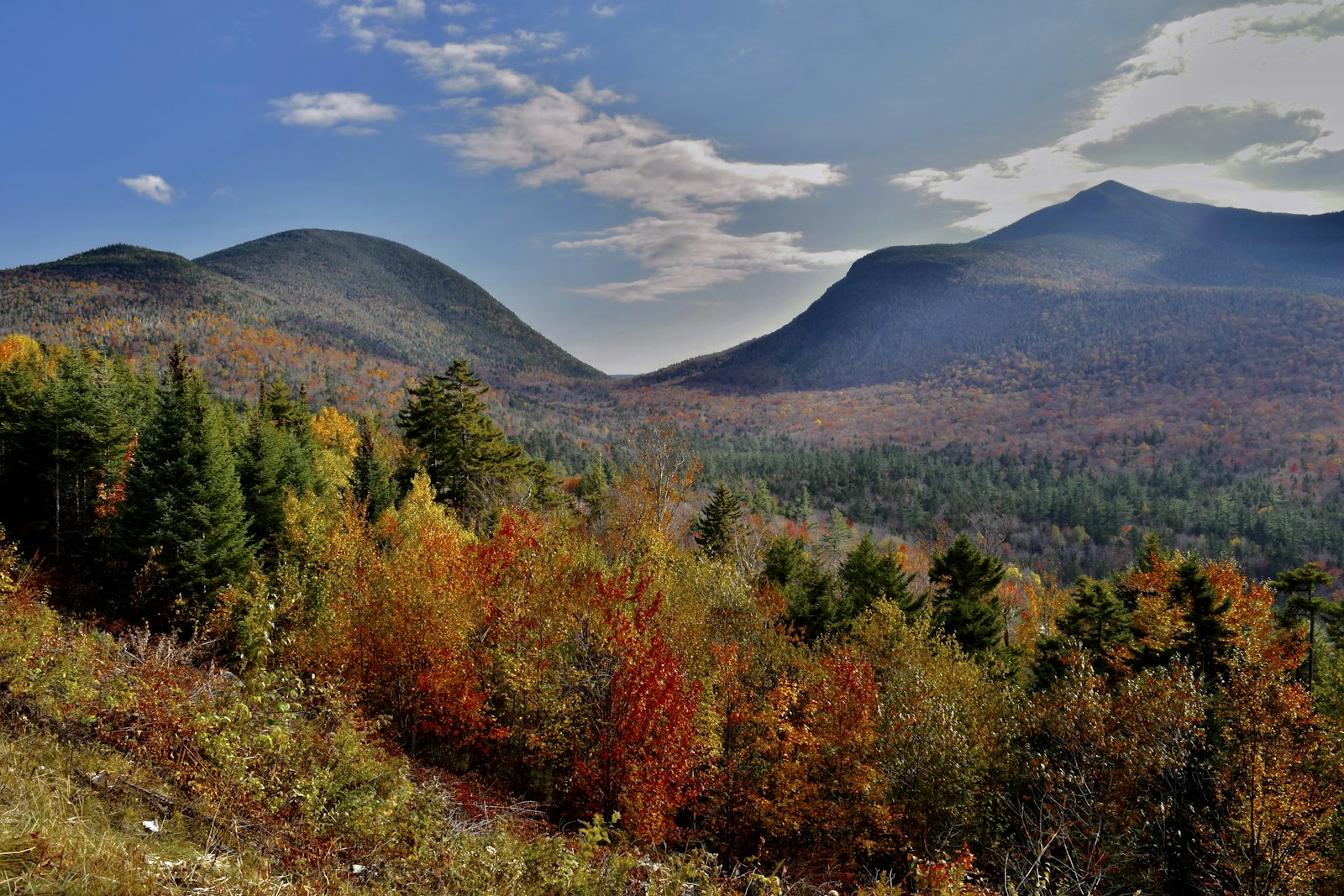
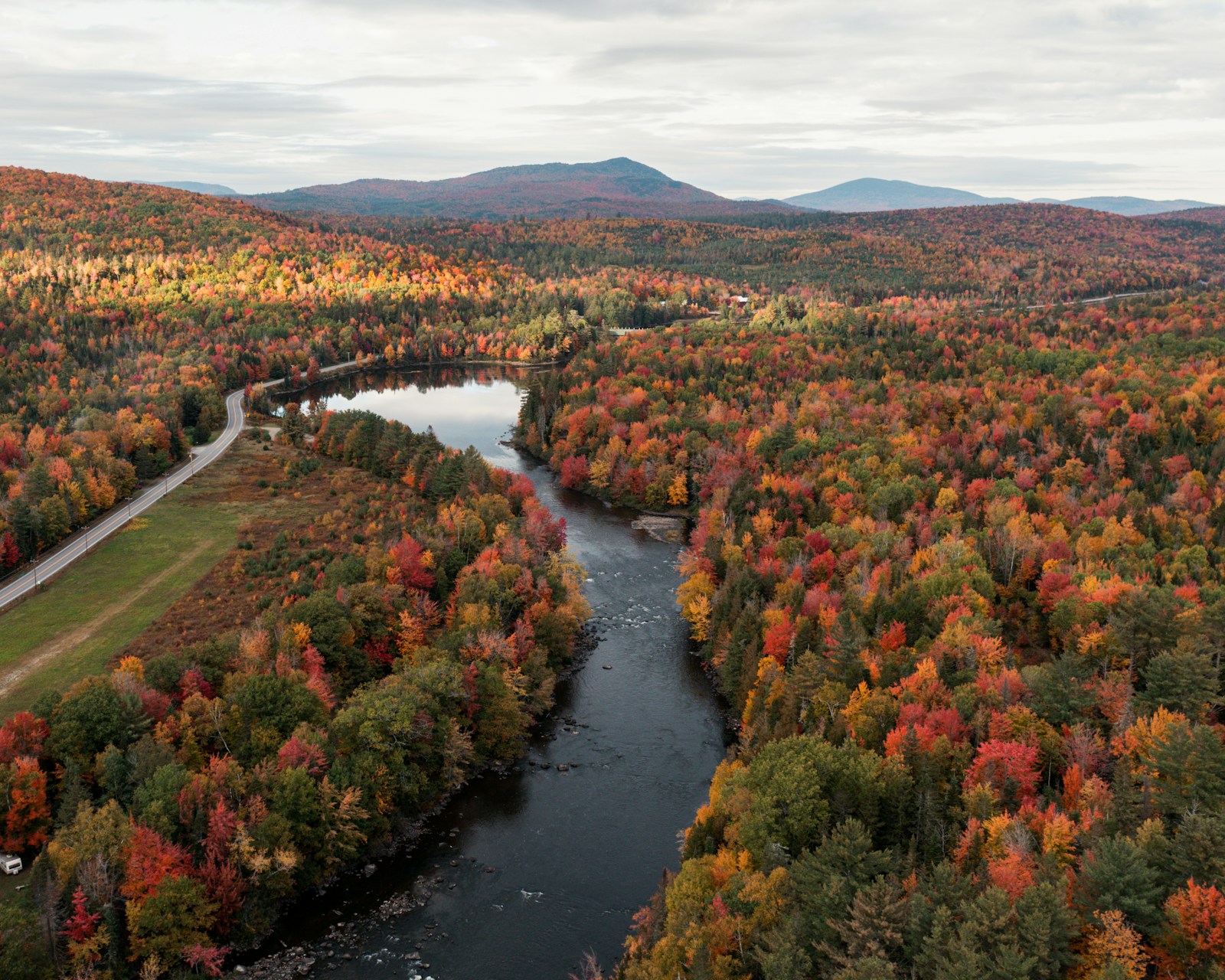
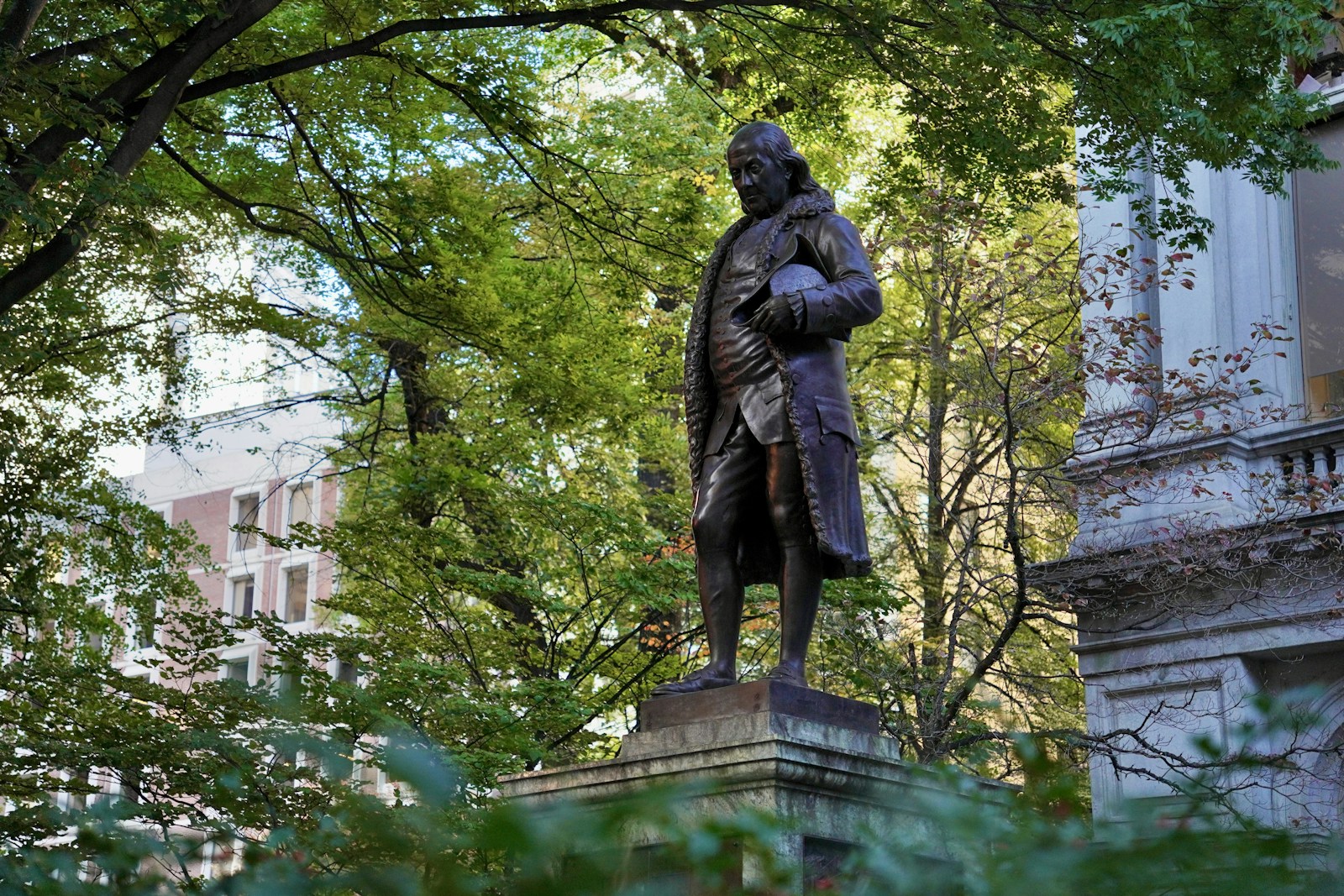
Connecticut occupies a fascinating middle position in the American landscape — between New York and Boston geographically, between colonial heritage and Gold Coast wealth economically, and between small-town New England character and metropolitan sophistication culturally. It is one of the country's most undervisited states, which is a genuine oversight: the quality of its food, museums, maritime heritage, and coastal scenery rewards exploration at every turn.
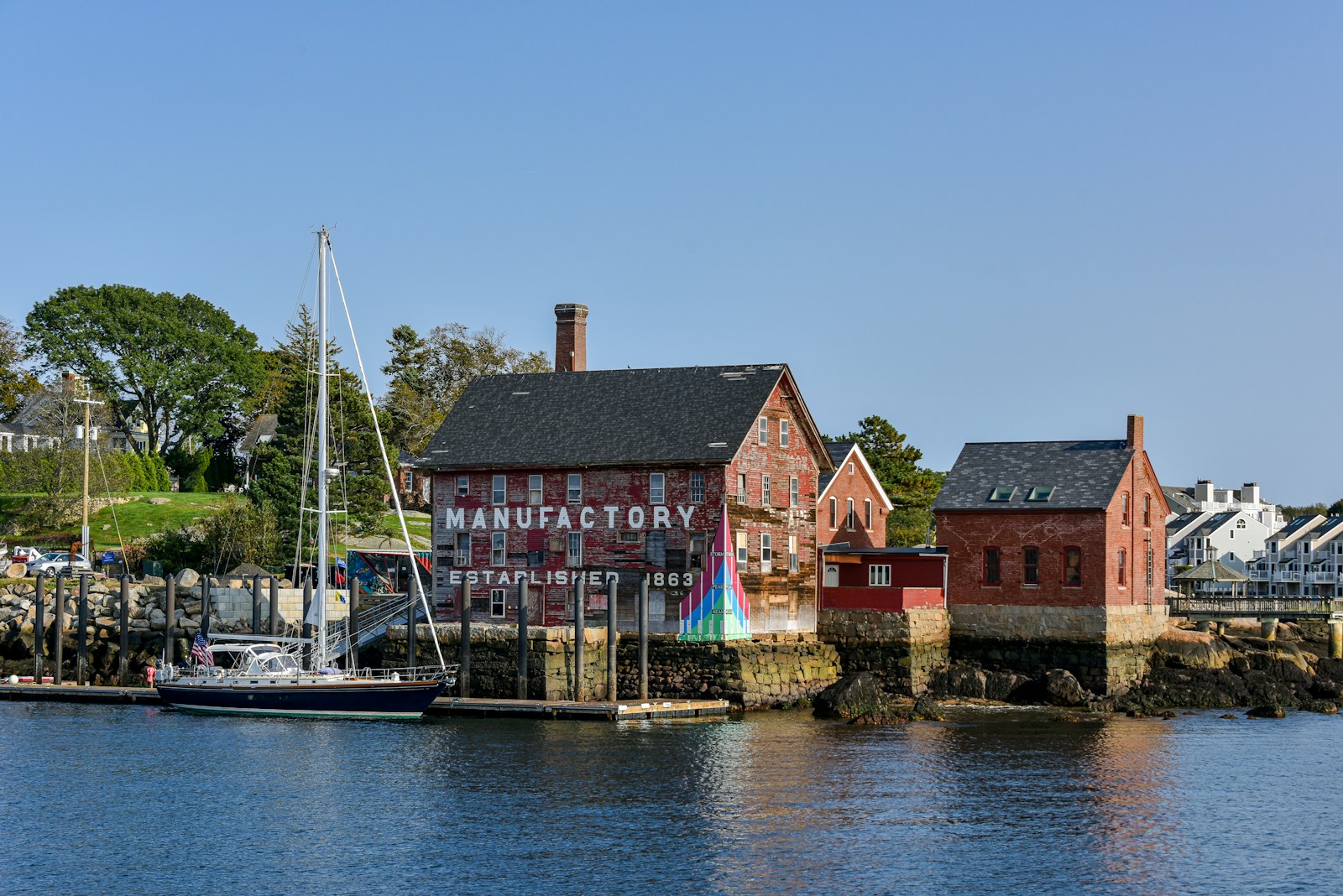
Mystic Seaport Museum, on the Mystic River in southeastern Connecticut, is the world's largest maritime museum — a 19-acre recreated 19th-century New England seaport with historic vessels (including the Charles W. Morgan, the last surviving American wooden whaleship, built in 1841), working craftspeople demonstrating period trades, and an extraordinary collection of maritime artifacts. The Mystic Aquarium next door is one of New England's finest, with an outdoor beluga whale exhibit that is exceptional. The village of Mystic itself, with its bascule drawbridge and waterfront restaurants, is one of Connecticut's most appealing towns.
New Haven, home to Yale University, offers one of America's most concentrated cultural environments for a mid-sized city. The Yale University Art Gallery (one of the world's great university collections, free admission) and the Yale Center for British Art (the largest collection of British art outside the UK, also free) together constitute one of the finest gallery days in the Northeast. New Haven is also, without serious challenge, the pizza capital of America — Frank Pepe's Pizzeria Napoletana (opened 1925), Sally's Apizza, and Modern Apizza have been debated by serious pizza enthusiasts for decades, and the white clam pizza that Pepe's invented remains the defining dish of New Haven Italian-American culture.
The Litchfield Hills in northwestern Connecticut are New England's most elegant rural landscape — rolling hills, boutique inns, antique shops, and farm-to-table restaurants in a setting that attracts weekenders from New York City. Kent Falls, Lake Waramaug, and the Appalachian Trail through the Housatonic Valley offer excellent outdoor experiences. The Connecticut shore — Hammonasset Beach State Park, Madison, and Old Saybrook — provides quiet, uncrowded Atlantic beaches that feel like a secret alternative to the Hamptons.
Practical planning for Connecticut: the best time to visit is season-dependent, with a typical budget level of mid-range. Most travellers need three to five full days to cover the highlights without rushing — add extra time if you are combining Connecticut with nearby regions.
Priority experiences include local food, culture, and outdoor experiences. Do not miss the main sights and neighbourhoods.
Getting there: fly into the nearest major airport serving Connecticut and rent a car if you plan to visit national parks or small towns — many US states are car-dependent outside city centres. Book national park entry (where timed reservations apply) and popular trail permits as early as possible. Travel insurance covering rental car excess and medical care is recommended for domestic trips with adventure activities.
Where to stay: choose a base near your top priority — a gateway town for parks, a walkable downtown for cities, or a coastal hub for beach regions. Shoulder seasons around spring and fall usually offer better availability and lower lodging prices than peak summer or holiday weeks.
Day-trippers from New York City, pizza pilgrims, maritime history enthusiasts, and anyone building a New England itinerary who wants to avoid the summer Cape Cod traffic.
Compare prices and book your trip — hotels, flights, and guided tours.
* Links open partner sites. We may earn a commission at no extra cost to you. See our editorial policy.