Mountain West
🎰 Nevada
📍 Las Vegas & Valley of Fire · United States
📍 Las Vegas & Valley of Fire · United States
🏛 Las Vegas Strip & Neon
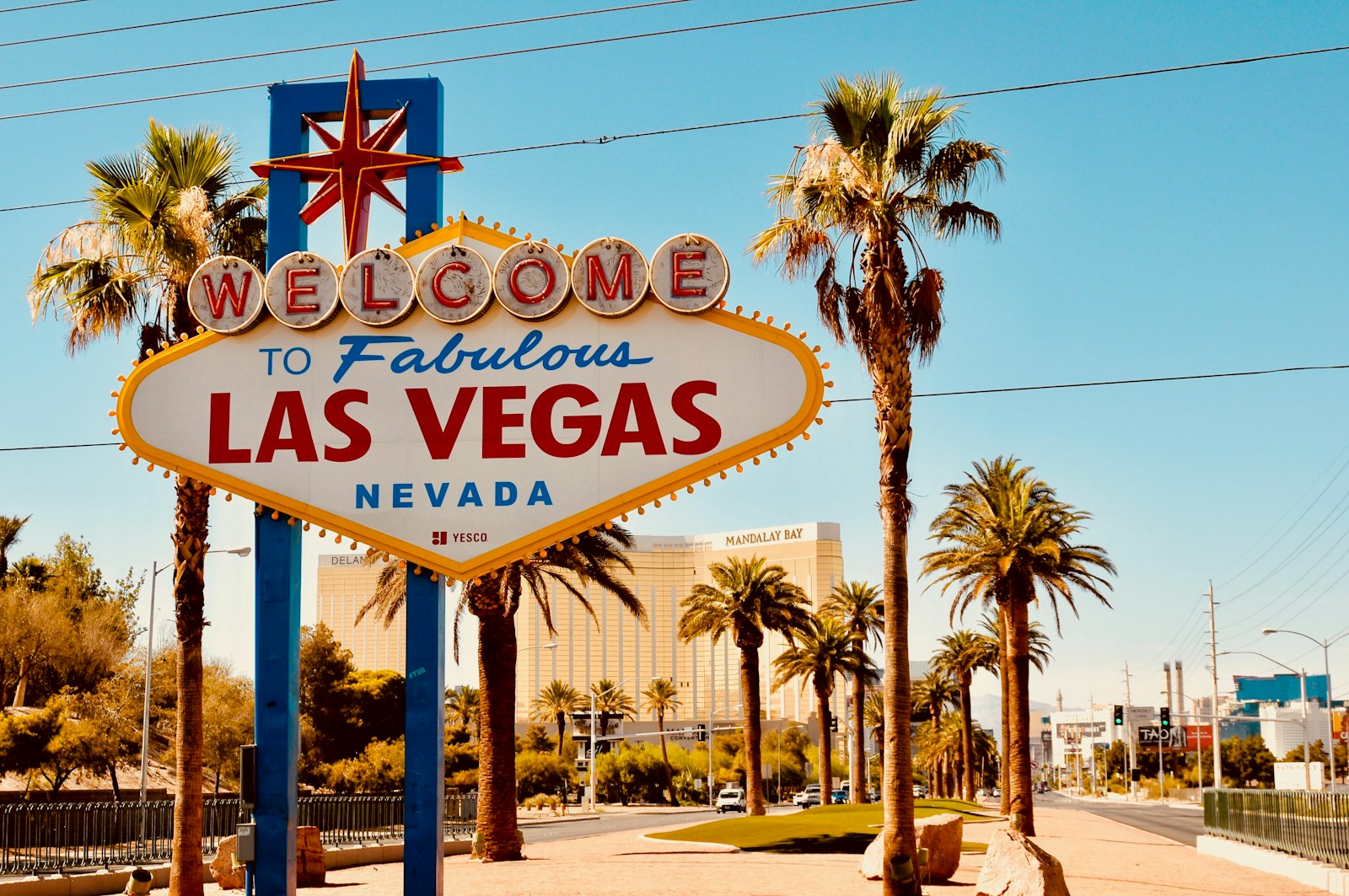
Nevada is a state of extraordinary contrasts — the neon spectacle of Las Vegas against vast, silent desert; the engineering audacity of Hoover Dam against the ancient isolation of Great Basin National Park; the gambling palaces of the Strip against the wild horse country of the rural Nevada outback. Its geography (the driest state in the US, with 110,000 square miles of the Great Basin Desert) is as alien and compelling as its entertainment culture is excessive and exhilarating.
Las Vegas is one of the world's most visited cities — roughly 42 million visitors annually — and the Strip's 4.2 miles of mega-casino resorts (the Bellagio, Venetian, Caesars Palace, Wynn, MGM Grand, and a dozen others) constitute the most concentrated entertainment infrastructure on earth. The casino architecture — Venetian canals, Egyptian pyramids, a half-scale Eiffel Tower, the New York skyline — is simultaneously ridiculous and remarkable: an American monument to excess and fantasy that has no equivalent anywhere in the world. The Bellagio Fountains (free, running every 15–30 minutes), the Fremont Street Experience (a LED canopy covering four city blocks with nightly light shows), and the High Roller observation wheel (the world's tallest at 550 feet) are free or affordable thrills. The Michelin-starred dining landscape (Guy Savoy, Joël Robuchon, and over 20 starred restaurants) is world-class.
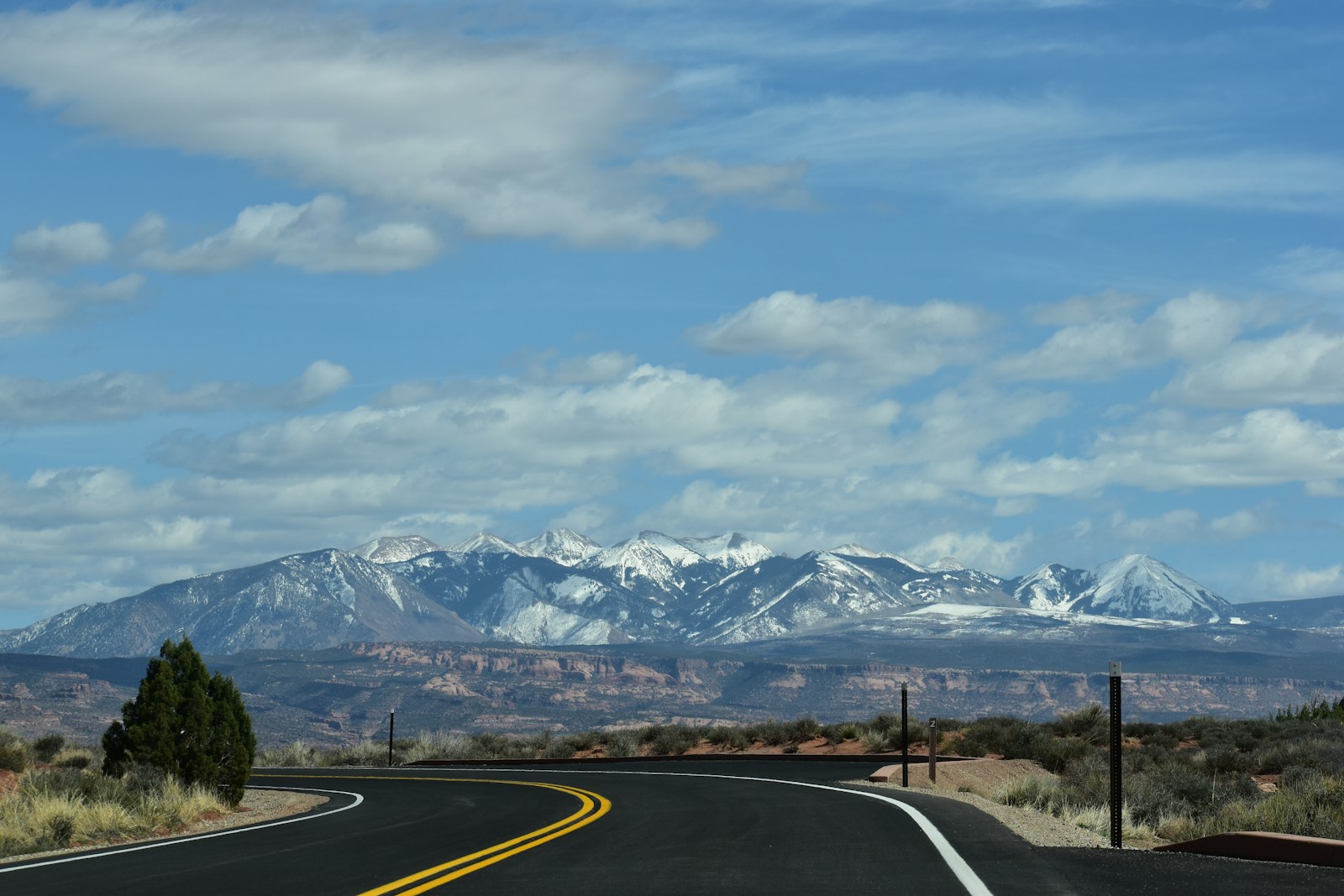
But Nevada beyond Las Vegas is one of America's most underexplored landscapes. Valley of Fire State Park, 50 miles northeast of Las Vegas, is the state's oldest and largest state park — 40,000 acres of Aztec Sandstone formations oxidized to vivid red and orange, with 3,000-year-old Anasazi petroglyphs, wave-formed rock arches, and a solitude that is extraordinary given its proximity to the Strip. Red Rock Canyon National Conservation Area, 17 miles west of Las Vegas, offers world-class rock climbing on 2,000-foot Aztec Sandstone walls and a 13-mile scenic loop drive.
Great Basin National Park, in eastern Nevada near the Utah border, is one of the most remote and least visited national parks in the continental US — a wilderness of Wheeler Peak (13,063 feet), ancient bristlecone pine trees (some over 5,000 years old, the oldest living non-clonal organisms on earth), and Lehman Caves (remarkable calcite formations including rare cave shields). The park's remoteness produces some of the darkest night skies in the lower 48 states — the Astronomy Festival each September draws visitors from across the country. The Extraterrestrial Highway (Route 375) through the Rachel/Groom Lake area near Area 51 provides a quintessentially American experience of conspiracy tourism and desert isolation.
Entertainment and spectacle seekers, Michelin dining travellers, rock climbers targeting Red Rock Canyon's 2,000-foot walls, desert landscape photographers escaping to Valley of Fire, and those combining a Vegas trip with Utah's national parks.
Compare prices and book your trip — hotels, flights, and guided tours.
* Links open partner sites. We may earn a commission at no extra cost to you. See our editorial policy.