culture
🚴 Amsterdam
📍 Netherlands · Europe
📍 Netherlands · Europe
🏛 Canal Ring & Rijksmuseum
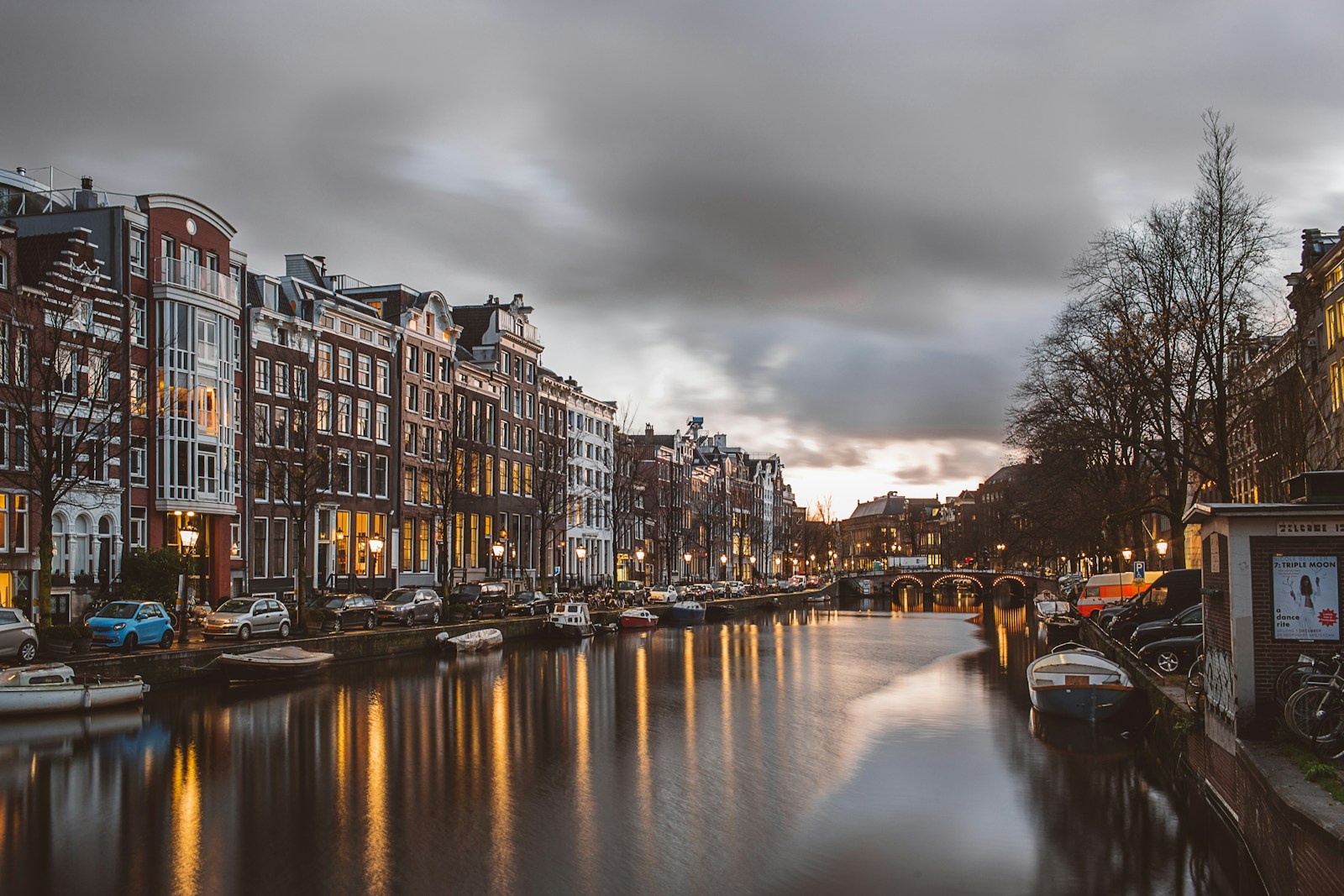
Amsterdam is a city of layers — and the more time you spend there, the more it reveals. On the surface: 165 canals, 1,500 bridges, 17th-century canal houses leaning at improbable angles, and an entire city navigated primarily by bicycle. Beneath that: some of the world's finest museums, an extraordinary liberal history, and a neighbourhood culture that rewards wandering far more than a checklist approach.
The Rijksmuseum is the essential Amsterdam experience — Rembrandt's Night Watch alone justifies the visit, but the collection of Dutch Golden Age masterpieces surrounding it is extraordinary. The Van Gogh Museum next door houses the world's largest collection of the artist's work, including well over 200 paintings. The Anne Frank House, where Anne Frank's family hid from the Nazis for two years, is one of the most moving museum experiences in Europe; book tickets well in advance as timed entry sells out weeks ahead.
The Jordaan neighbourhood, a grid of small canals lined with independent boutiques, antique dealers, and brown cafés (bruine kroegen), is Amsterdam's most characterful quarter. Saturday morning at Noordermarkt brings farmers' markets and flea markets to one of the city's most charming squares. The NDSM Wharf in Amsterdam-Noord — reached by free ferry across the IJ — is the city's street art and alternative culture hub.
April and early May bring tulip season and the city's most joyful annual moment; Keukenhof gardens, a 45-minute train ride away, blooms with 7 million bulbs. King's Day on 27 April turns the canals orange in the Netherlands' largest street party. Outside these peak periods, shoulder season (September–October) offers golden autumn light and manageable crowds.
Museumplein clusters the Rijksmuseum, Van Gogh Museum, and Stedelijk — book all three online and spread across two days. Canal ring walking is free and reveals the city's Golden Age architecture better than any bus tour. Rent bikes only if confident in traffic — tram tracks catch inexperienced cyclists. Jordaan and De Pijp neighbourhoods beat Dam Square for evening dining. Day trips: Zaanse Schans windmills (30 minutes) or Haarlem (15 minutes by train).
Budget: €100–160/night mid-range; Dutch cuisine underrated — try stamppot, bitterballen, and herring from street stalls. Best months April (tulips) through September; winter is cold but museums are quiet. Cannabis cafés are not for everyone — respect local norms and don't photograph people in coffeeshops. I Amsterdam City Card bundles museums and transit — calculate if it saves for your itinerary. Schiphol Airport trains reach Centraal in 15 minutes — among Europe's best airport links.
Art lovers, history travellers, cyclists, and couples who want a canal-side city with genuine cultural depth.
Compare prices and book your trip — hotels, flights, and guided tours.
* Links open partner sites. We may earn a commission at no extra cost to you. See our editorial policy.