Southeast
🌿 Tennessee
📍 Great Smoky Mountains · United States
📍 Great Smoky Mountains · United States
🏛 Great Smoky Mountains NP
Tennessee is the most musically significant state in America — a claim that gets harder to dispute the more you explore it. Nashville gave the world country music and continues to host its finest live venues, recording studios, and songwriting community. Memphis gave the world the blues, rock and roll (Elvis recorded his first songs at Sun Studio on Union Avenue), and soul music. Nashville and Memphis together are the two most important cities in American popular music history, and visiting both in a single trip is one of the country's finest cultural itineraries.
Nashville's Lower Broadway strip is lined with multi-floor honky-tonks where live country music plays from opening time to last call, six or seven nights a week — the musicians are invariably excellent and admission is free. The Country Music Hall of Fame and Museum is one of America's finest music museums. The Ryman Auditorium, Nashville's original Grand Ole Opry house (1892), still hosts concerts in a room with extraordinary acoustics and history. The 12 South and Gulch neighbourhoods anchor a restaurant scene that has made Nashville one of America's top dining cities.
Memphis's Beale Street, two blocks of bars and music clubs, is to the blues what Broadway is to country — live music every night, legendary venues, and a tangible sense of the music's deep roots. Graceland, Elvis Presley's home, is the second most visited private home in the USA after the White House. Sun Studio offers 45-minute tours of the room where Elvis, Johnny Cash, Jerry Lee Lewis, and Roy Orbison all recorded their first hits. The National Civil Rights Museum, built around the Lorraine Motel where Martin Luther King Jr. was assassinated, is one of America's most important museums.
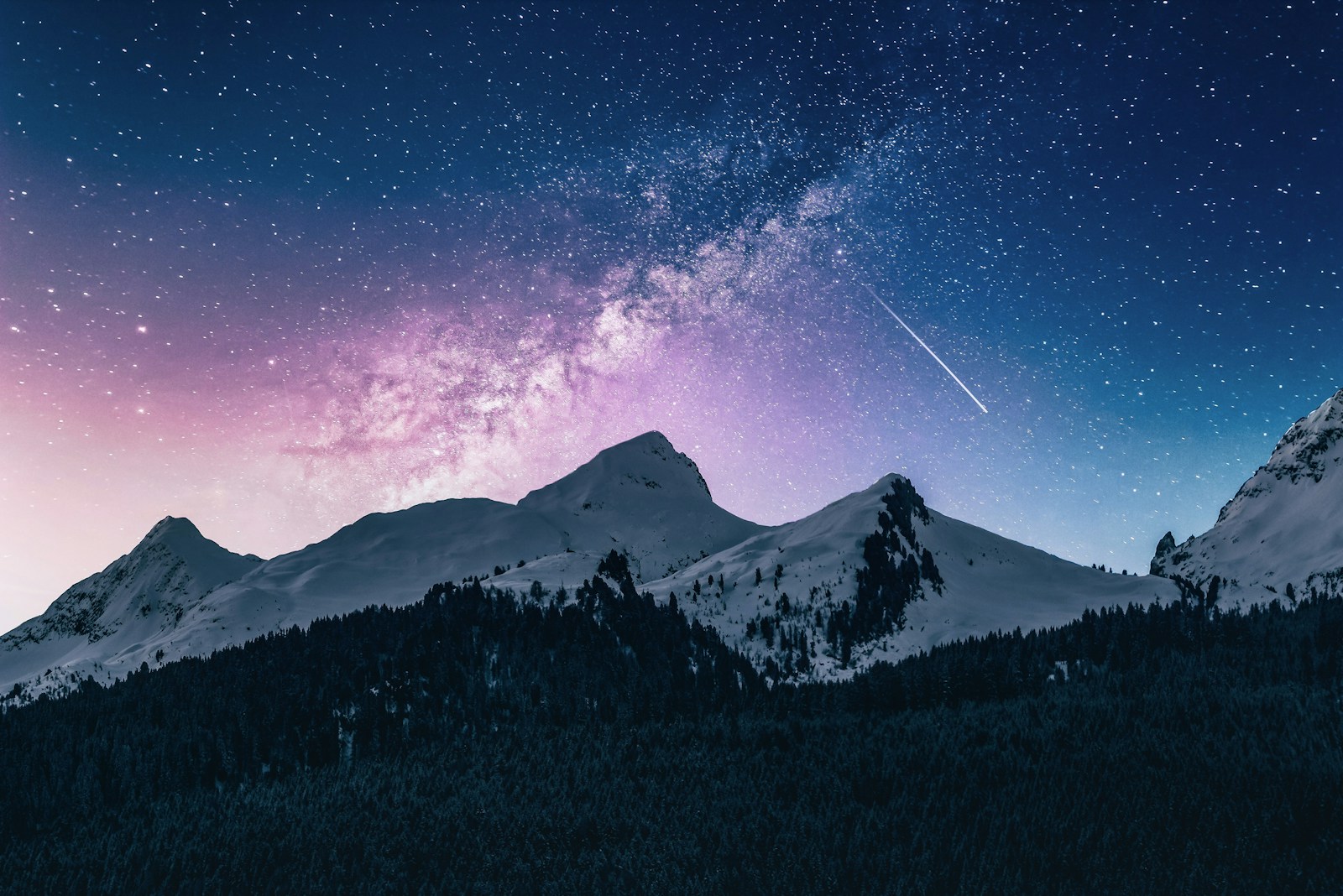
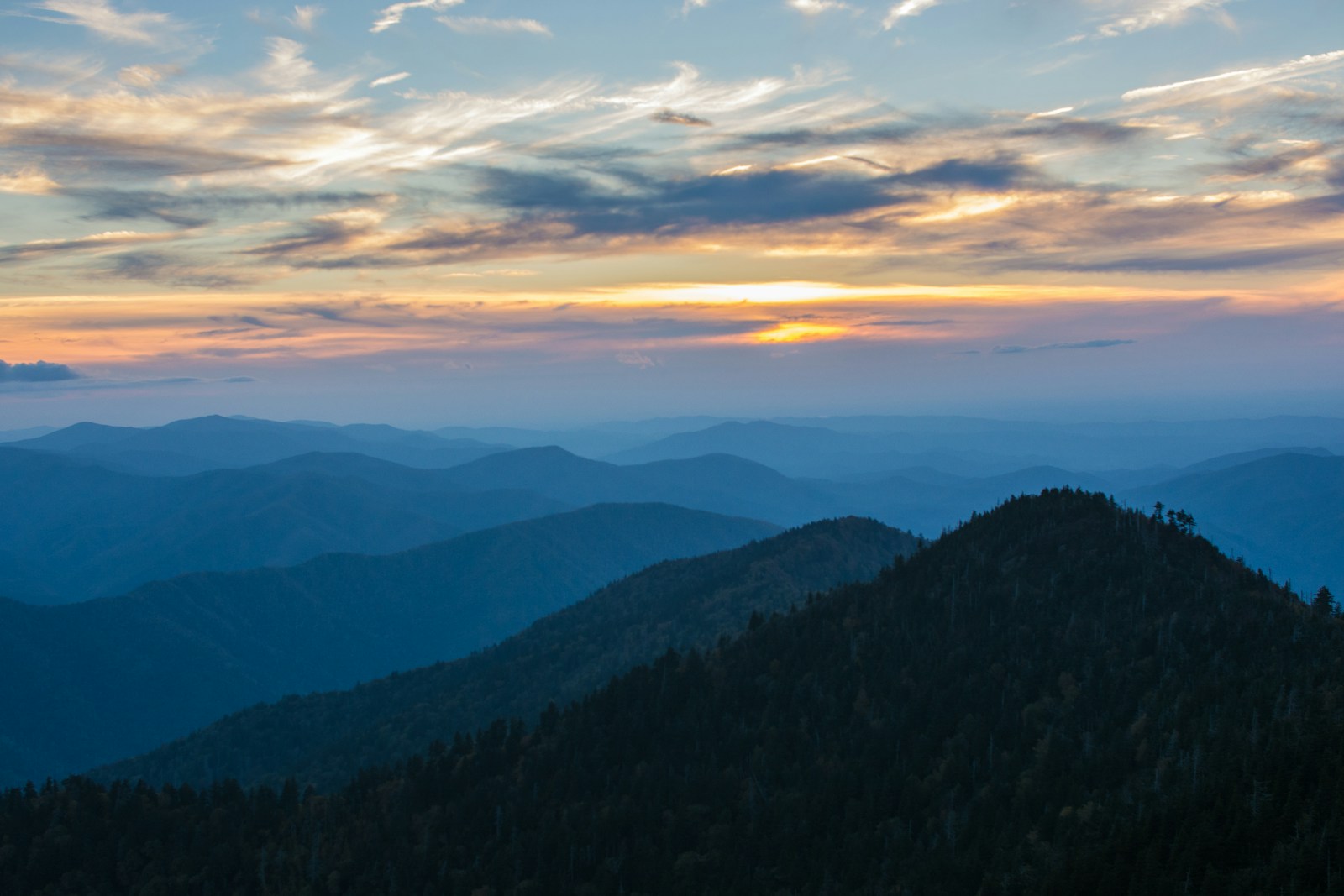
The Great Smoky Mountains National Park — the most visited national park in the USA, with 12+ million visitors annually — straddles Tennessee and North Carolina. Unlike most national parks, it charges no entrance fee. The park's biodiversity is extraordinary: 19,000 species of plants and animals, including 1,500 black bears. Clingmans Dome at 6,644 feet offers panoramic views above the cloud layer; the Alum Cave Trail and Appalachian Trail sections are among the East's finest hikes.
Practical planning for Tennessee: the best time to visit is season-dependent, with a typical budget level of mid-range. Most travellers need three to five full days to cover the highlights without rushing — add extra time if you are combining Tennessee with nearby regions.
Priority experiences include local food, culture, and outdoor experiences. Do not miss the main sights and neighbourhoods.
Getting there: fly into the nearest major airport serving Tennessee and rent a car if you plan to visit national parks or small towns — many US states are car-dependent outside city centres. Book national park entry (where timed reservations apply) and popular trail permits as early as possible. Travel insurance covering rental car excess and medical care is recommended for domestic trips with adventure activities.
Where to stay: choose a base near your top priority — a gateway town for parks, a walkable downtown for cities, or a coastal hub for beach regions. Shoulder seasons around spring and fall usually offer better availability and lower lodging prices than peak summer or holiday weeks.
Music history enthusiasts building a Nashville-Memphis itinerary, Smoky Mountains hikers and wildlife watchers, families targeting Dollywood, and American cultural road-trippers.
Compare prices and book your trip — hotels, flights, and guided tours.
* Links open partner sites. We may earn a commission at no extra cost to you. See our editorial policy.