Southeast
🌉 West Virginia
📍 New River Gorge · United States
📍 New River Gorge · United States
🏛 New River Gorge Bridge
West Virginia calls itself Wild and Wonderful, and the claim is accurate — a state almost entirely composed of the rugged Appalachian Plateau, with no significant flat land, a history shaped by coal mining and timber extraction, and a natural environment of extraordinary rivers, old-growth forest remnants, and dramatic gorges that has made it one of the East's finest outdoor adventure destinations. The New River Gorge, designated America's 83rd and newest national park in 2020, is the jewel of the state's outdoor portfolio.
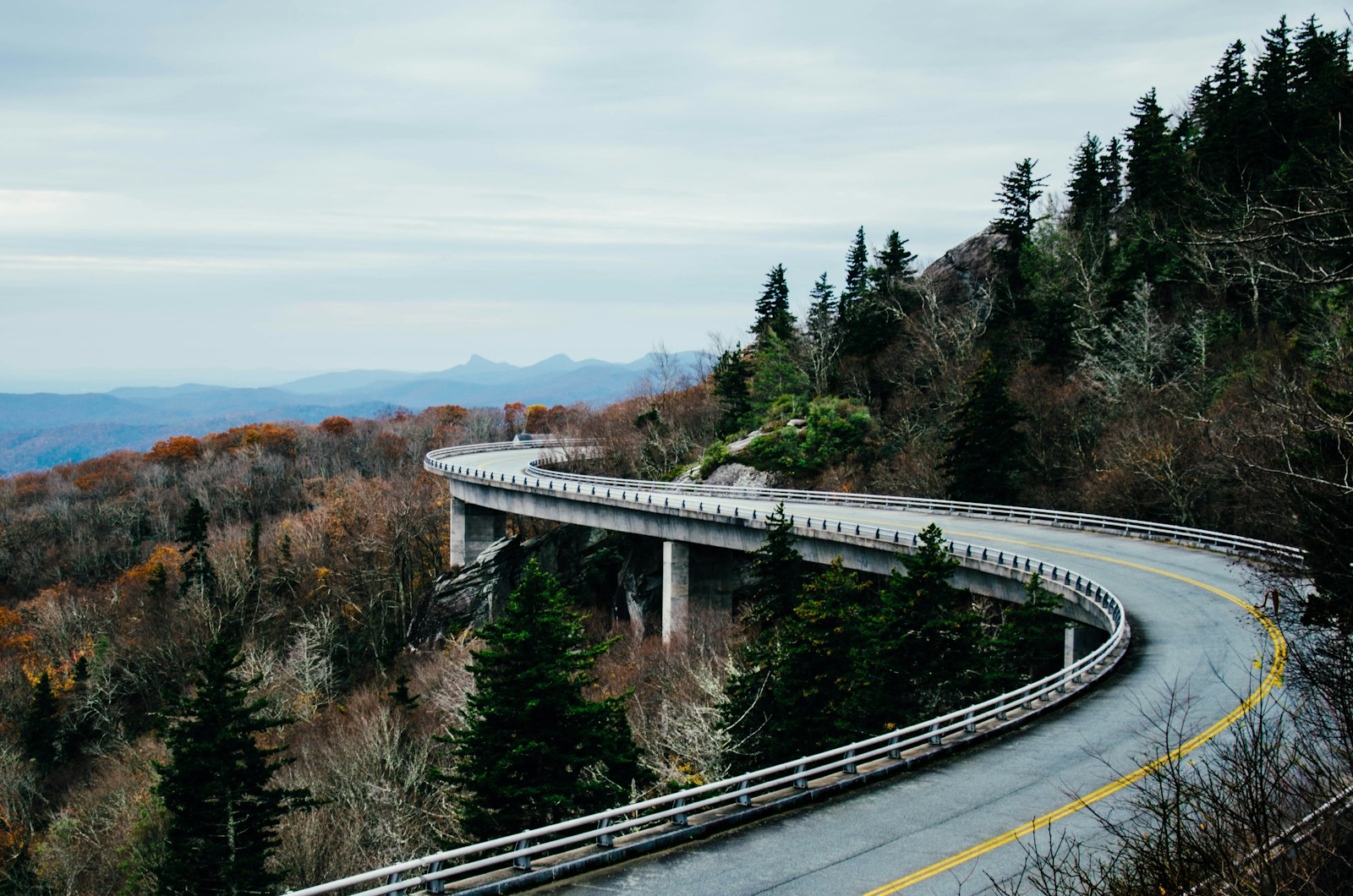
New River Gorge National Park and Preserve protects a 70,000-acre landscape centered on one of America's oldest rivers — the New River, paradoxically, is one of the world's most ancient rivers, predating the Appalachians themselves. The gorge reaches 1,000 feet deep, and the Class III–V whitewater of the Lower Gorge (the 'Gauley Monster' section is among the most challenging commercially rafted whitewater in the eastern US) and the slightly calmer Upper Gorge together constitute the finest rafting destination east of the Rockies. The New River Gorge Bridge — the longest single-arch steel bridge in the Western Hemisphere at 3,030 feet, and for 26 years the world's longest — provides the park's most iconic image. On Bridge Day (third Saturday of October), the bridge is closed to traffic and opened to pedestrians, BASE jumpers, and rappellers in one of America's most unusual public events.
Seneca Rocks, in the Monongahela National Forest, is one of the East's finest technical rock climbing destinations — a 900-foot quartzite fin rising from the Seneca Creek Valley with over 375 established routes. Non-climbers can hike to the north summit via a strenuous trail for panoramic views of the surrounding Allegheny Mountains. Blackwater Falls State Park, named for the dark tannic waters of Blackwater Canyon's 62-foot falls, offers one of the most visually striking landscapes in the Appalachians — particularly spectacular after the first snowfall of winter.
Harpers Ferry, at the meeting point of Virginia, Maryland, and West Virginia where the Shenandoah flows into the Potomac, was John Brown's target for his 1859 abolitionist raid and one of the Civil War's most contested strategic locations. The National Historical Park preserves the town's extraordinary 19th-century character with remarkable authenticity. The Appalachian Trail crosses through Harpers Ferry — the trail's headquarters is here — making it the most accessible single point for day hikers to sample America's most famous long-distance trail.
Practical planning for West Virginia: the best time to visit is season-dependent, with a typical budget level of mid-range. Most travellers need three to five full days to cover the highlights without rushing — add extra time if you are combining West Virginia with nearby regions.
Priority experiences include local food, culture, and outdoor experiences. Do not miss the main sights and neighbourhoods.
Getting there: fly into the nearest major airport serving West Virginia and rent a car if you plan to visit national parks or small towns — many US states are car-dependent outside city centres. Book national park entry (where timed reservations apply) and popular trail permits as early as possible. Travel insurance covering rental car excess and medical care is recommended for domestic trips with adventure activities.
Where to stay: choose a base near your top priority — a gateway town for parks, a walkable downtown for cities, or a coastal hub for beach regions. Shoulder seasons around spring and fall usually offer better availability and lower lodging prices than peak summer or holiday weeks.
Whitewater rafters, rock climbers, adventure seekers, Appalachian Trail hikers, and Civil War history enthusiasts who want exceptional outdoor access at low prices.
Compare prices and book your trip — hotels, flights, and guided tours.
* Links open partner sites. We may earn a commission at no extra cost to you. See our editorial policy.