Southeast
🌄 Virginia
📍 Shenandoah Valley · United States
📍 Shenandoah Valley · United States
🏛 Skyline Drive, Shenandoah
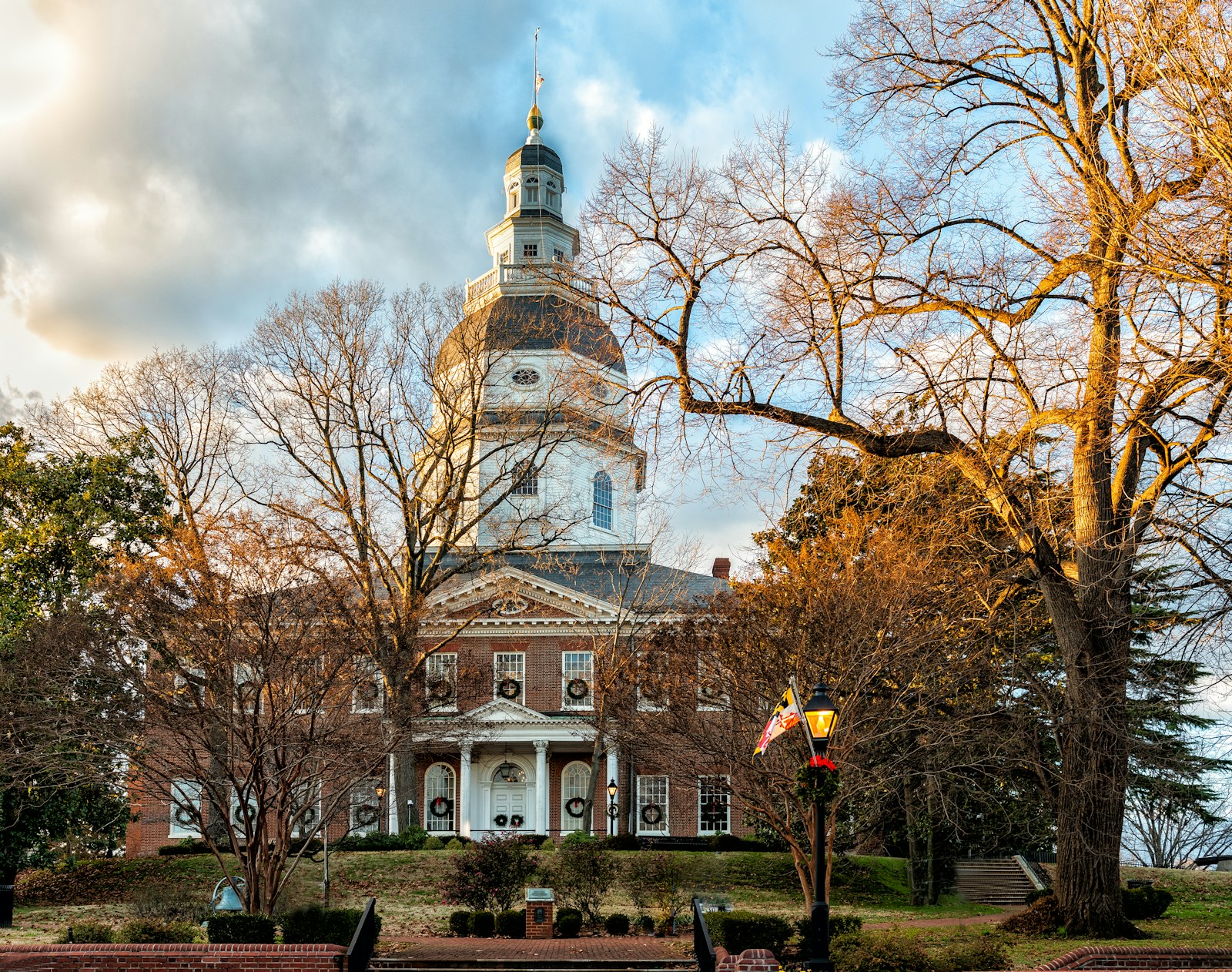
Virginia is the most historically layered state in America — the site of the first permanent English settlement (Jamestown, 1607), the birthplace of eight US presidents (more than any other state), the capital of the Confederacy, and the location of the Civil War's most decisive campaigns. Its landscape runs from the Atlantic barrier islands in the east to the Appalachian ridge-and-valley country in the west, encompassing Colonial tidewater plantations, Blue Ridge mountain wilderness, and the Washington DC suburbs in between.
Shenandoah National Park's Skyline Drive is one of America's finest mountain drives — 105 miles along the crest of the Blue Ridge Mountains from Front Royal to Rockfish Gap, with 75 designated overlooks offering views across the Shenandoah Valley to the west and the Piedmont to the east. The park's 500+ miles of hiking trails include some of the finest in the eastern United States; Old Rag Mountain's boulder scramble is one of the most rewarding day hikes in the Mid-Atlantic. Autumn foliage (typically peak mid-to-late October) on the drive is extraordinary.
Colonial Williamsburg — a 301-acre living history museum in the restored 18th-century capital of colonial Virginia — is the world's largest outdoor living history museum. Costumed interpreters populate the Colonial Capitol, Governor's Palace, and dozens of trade shops (blacksmith, silversmith, printer) demonstrating period crafts and engaging visitors in historical roleplay. The adjacent Colonial National Historical Park encompasses Jamestown (the original 1607 settlement) and Yorktown (where Cornwallis surrendered to Washington in 1781, ending the Revolution) — together forming America's Historic Triangle.
Charlottesville anchors Virginia wine country — the state now has over 300 wineries, with the Monticello AVA producing excellent Viognier (Virginia's signature white grape) and increasingly respected Cabernet Franc. Thomas Jefferson's Monticello, his extraordinary Palladian hilltop plantation house, and the University of Virginia's Academical Village (both UNESCO World Heritage Sites) make Charlottesville one of America's most intellectually resonant destinations. Virginia Beach's 35 miles of Atlantic coastline and the wild horses of Assateague and Chincoteague complete a remarkably diverse state portfolio.
Practical planning for Virginia: the best time to visit is season-dependent, with a typical budget level of mid-range. Most travellers need three to five full days to cover the highlights without rushing — add extra time if you are combining Virginia with nearby regions.
Priority experiences include local food, culture, and outdoor experiences. Do not miss the main sights and neighbourhoods.
Getting there: fly into the nearest major airport serving Virginia and rent a car if you plan to visit national parks or small towns — many US states are car-dependent outside city centres. Book national park entry (where timed reservations apply) and popular trail permits as early as possible. Travel insurance covering rental car excess and medical care is recommended for domestic trips with adventure activities.
Where to stay: choose a base near your top priority — a gateway town for parks, a walkable downtown for cities, or a coastal hub for beach regions. Shoulder seasons around spring and fall usually offer better availability and lower lodging prices than peak summer or holiday weeks.
American history enthusiasts, Appalachian hikers, wine lovers, and anyone building a road trip through the Mid-Atlantic's most historically layered landscapes.
Compare prices and book your trip — hotels, flights, and guided tours.
* Links open partner sites. We may earn a commission at no extra cost to you. See our editorial policy.