culture
🏙️ Shanghai
📍 China · Asia
📍 China · Asia
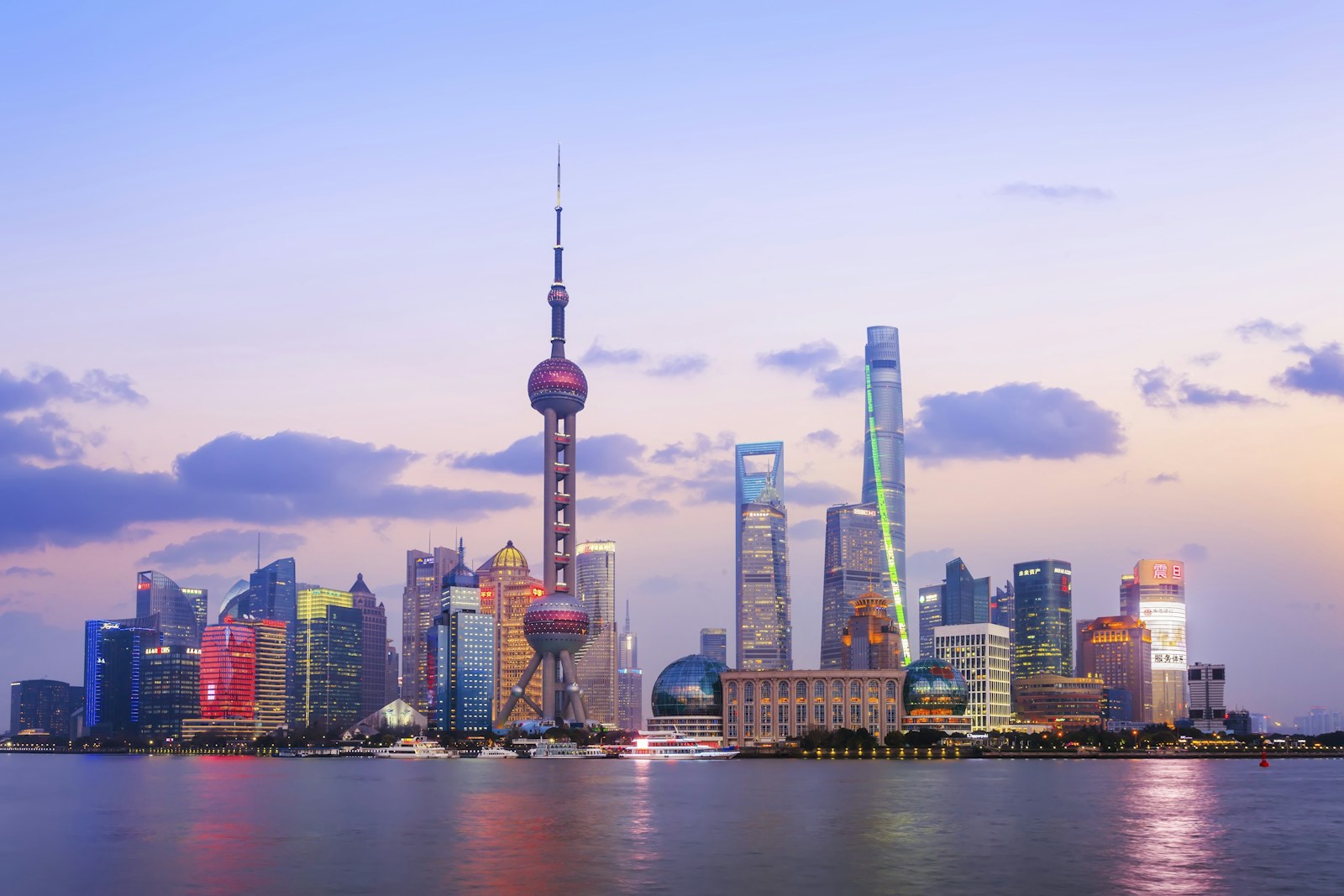
🏛 The Bund Waterfront
Shanghai is China's window to the world — a metropolis of 27 million people that has, in the span of a single generation, transformed itself from a manufacturing hub into one of the world's great financial, cultural, and gastronomic capitals. It is not China's capital (that's Beijing), nor its oldest city, nor the seat of Chinese political power — but it is China's most international city, and for first-time visitors to China, it is the most immediately accessible and legible entry point into a civilisation of extraordinary depth and complexity.
The Bund — a 1.5-kilometre waterfront promenade along the western bank of the Huangpu River — is Shanghai's defining image. Facing across the river to the spectacular Pudong skyline (the Oriental Pearl TV Tower, Shanghai Tower at 632m, and the Jin Mao Tower), the Bund itself is lined with 52 grand buildings in Beaux-Arts, Art Deco, and Neo-Gothic styles — the former headquarters of the HSBC, Jardine Matheson, the Chartered Bank of India, and other colonial-era trading houses that made Shanghai the most commercially important city in Asia in the 1920s and 30s. The contrast between the Bund's European facades and the space-age Pudong towers across the water is unique in the world.
Yu Garden (Yuyuan Garden), a classical Chinese garden built in the 16th century, offers a complete change of register — a world of rockeries, dragon walls, pavilions, and carp ponds that reveals the aesthetic principles underlying Chinese landscape design. The surrounding Old City Bazaar area is touristy but worth navigating for xiao long bao (soup dumplings) from Din Tai Fung or the original Nanxiang Steamed Bun Restaurant. The French Concession — two square miles of leafy streets, Art Deco villas, boutique restaurants, and independent coffee shops — is Shanghai's most atmospheric neighbourhood for walking.
Shanghai's food scene has evolved into one of Asia's finest. Shanghainese cuisine — drunken chicken, red-braised pork, hairy crab in October, and the ubiquitous xiao long bao — anchors a restaurant landscape that also includes every regional Chinese cuisine and a world-class international dining scene. The city's nightlife, centred on the Bund, the French Concession, and the emerging Yangjing area, rivals Tokyo and Hong Kong. Visit March–May or September–November; summers are hot and humid.
Practical planning for Shanghai: the best time to visit is season-dependent, with a typical budget level of mid-range. Most travellers need three to five full days to cover the highlights without rushing — add extra time if you are combining Shanghai with nearby regions.
Priority experiences include local food, culture, and outdoor experiences. Do not miss the main sights and neighbourhoods.
Before you book, verify entry requirements for China — visa rules, passport validity, and any health documentation change frequently. Travel insurance with medical evacuation cover is worthwhile for international trips.
Where to stay: pick a walkable neighbourhood close to your main interests rather than the cheapest option far from the centre — transport costs and lost time often erase the savings. Book popular restaurants, guided tours, and peak-season accommodation early for high season dates.
Compare prices and book your trip — hotels, flights, and guided tours.
* Links open partner sites. We may earn a commission at no extra cost to you. See our editorial policy.