beach
🌴 Langkawi
📍 Malaysia · Asia
📍 Malaysia · Asia
🏛 Langkawi Sky Bridge
Langkawi is an archipelago of 99 islands off Malaysia's northwest coast, sitting in the Strait of Malacca at the border of Malaysia and Thailand — a Duty-Free Zone that makes alcohol, cigarettes, and electronics substantially cheaper than on the Malaysian mainland, and a UNESCO Global Geopark that protects one of the world's most ancient geological landscapes. The combination of reasonable prices, excellent beaches, extraordinary natural diversity, and well-developed tourism infrastructure makes it one of Southeast Asia's most versatile and genuinely rewarding island destinations.
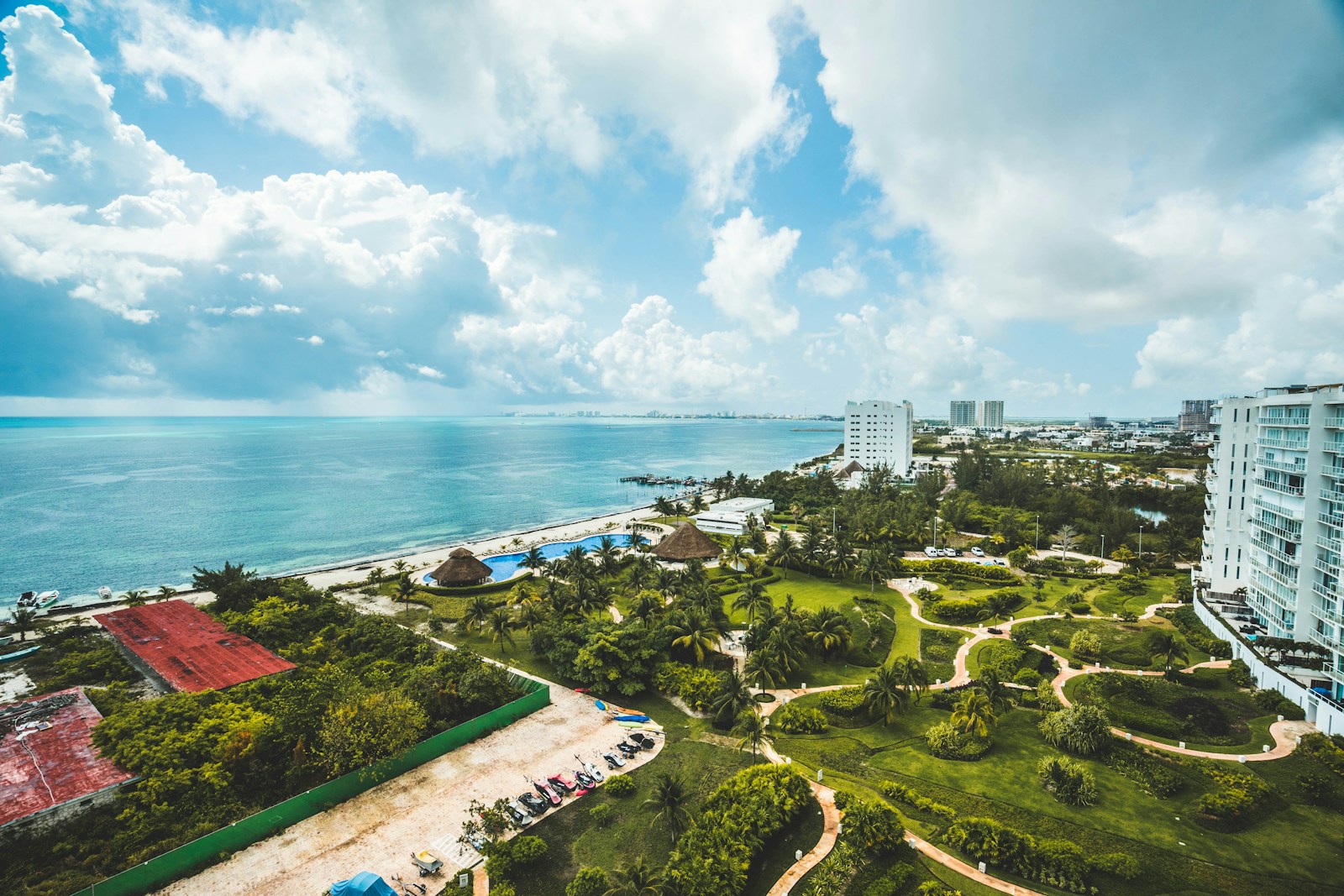
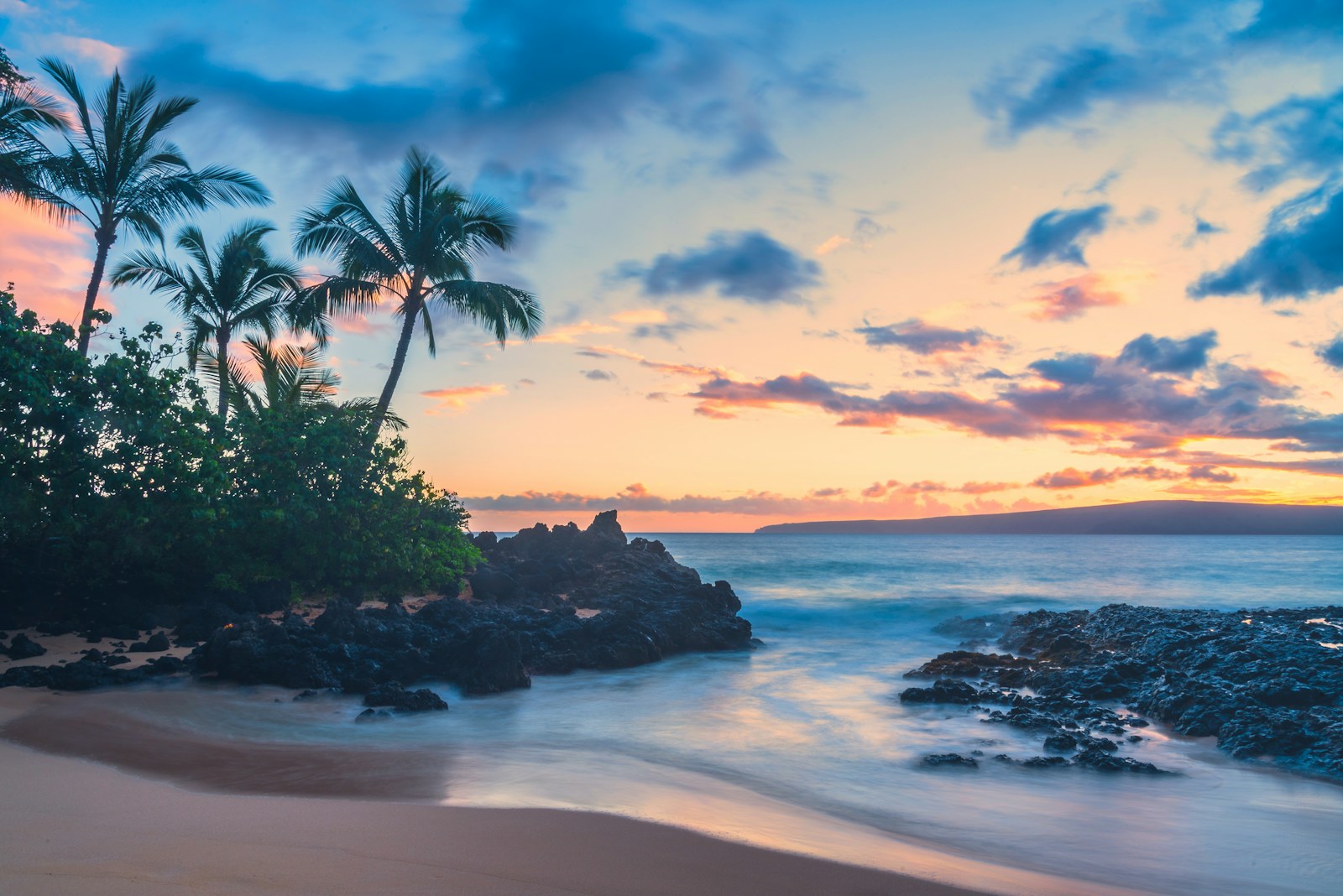
The main island's west coast holds the principal beaches — Pantai Cenang and Pantai Tengah are the busiest, with hotels, restaurants, and beach bars running the full stretch of pale sand on the Andaman Sea. Datai Bay in the northwest, sheltered by old-growth rainforest, hosts the legendary Datai resort (regularly rated among Asia's finest) and offers some of the island's best snorkelling. The waters around Langkawi teem with marine life — reef sharks, rays, sea turtles, and spectacular reef fish — and the island's minimal development on its outer coasts means good diving and snorkelling are accessible.
The Langkawi Cable Car (SkyCab) ascends 708 metres to the summit of Gunung Mat Chinchang, one of Asia's oldest rock formations — 550-million-year-old sandstone formations overlaid with jungle in a landscape that looks like it belongs in a fantasy film. The Sky Bridge, a curved pedestrian suspension bridge 125 metres long at 650 metres elevation, offers panoramic views of the islands and the Thai coast that are among the finest in all of Malaysia. On clear days, the view extends to the limestone karst islands of Phang Nga Bay across the Thai border.
The Kilim Karst Geoforest Park, on the northeast coast, is Langkawi's most ecologically important area — ancient mangrove forests edging an estuary system of limestone karst islets, inhabited by white-bellied sea eagles, brahminy kites, hornbills, otters, and the bat cave community of millions of free-tail bats that emerge at dusk in a spectacular aerial stream. Kayaking through the mangrove channels at low tide, beneath the arching roots of 30-metre mangrove trees, is one of Malaysia's finest nature experiences. Langkawi is best visited November–April during the dry northeast monsoon.
Practical planning for Langkawi: the best time to visit is season-dependent, with a typical budget level of mid-range. Most travellers need three to five full days to cover the highlights without rushing — add extra time if you are combining Langkawi with nearby regions.
Priority experiences include local food, culture, and outdoor experiences. Do not miss the main sights and neighbourhoods.
Before you book, verify entry requirements for Malaysia — visa rules, passport validity, and any health documentation change frequently. Travel insurance with medical evacuation cover is worthwhile for international trips.
Where to stay: pick a walkable neighbourhood close to your main interests rather than the cheapest option far from the centre — transport costs and lost time often erase the savings. Book popular restaurants, guided tours, and peak-season accommodation early for high season dates.
Compare prices and book your trip — hotels, flights, and guided tours.
* Links open partner sites. We may earn a commission at no extra cost to you. See our editorial policy.