culture
🎨 Melbourne
📍 Australia · Oceania
📍 Australia · Oceania
🏛 Federation Square & Laneway Art
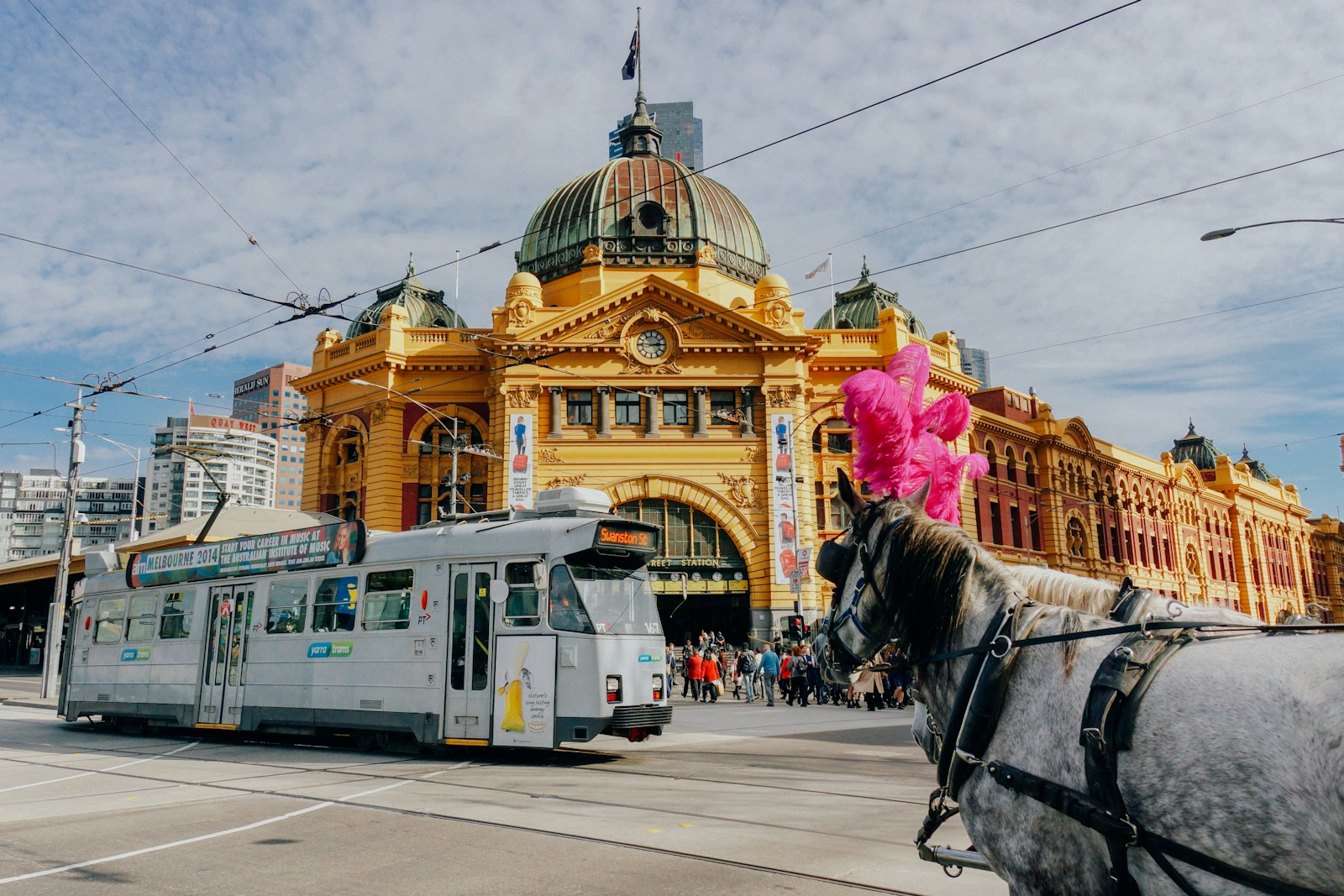
Melbourne is Australia's cultural and culinary capital — a city of 5.1 million that has consistently ranked among the world's most liveable cities and that wears its cosmopolitan identity with a self-conscious pride that stands in interesting contrast to Sydney's beach-and-harbour confidence. Melbourne was built by gold rush wealth in the 1850s and 1860s, and its Victorian-era streetscape of iron-lace balconies, grand public buildings, and arcaded shopping streets (the Royal Arcade, Block Arcade) still defines the CBD. The tram network — 250 kilometres, the largest outside Europe — is the city's circulatory system and free within the CBD zone.
The laneways are Melbourne's most celebrated contribution to urban culture. Hosier Lane — covered floor-to-ceiling in rotating street art that Melbourne City Council actively permits — is among the most photographed sites in Australia. Degraves Street, Centre Place, and ACDC Lane are lined with the espresso bars and all-day breakfast cafes that gave Melbourne its claim to the world's best coffee culture. The flat white was either invented or perfected here (Sydney disputes this); the intensity of competition between independent roasters — Seven Seeds, Proud Mary, Market Lane, Patricia — has pushed Melbourne coffee quality to Japanese specialty-cafe standards at lower prices.
Melbourne's cultural institutions are exceptional. The National Gallery of Victoria is Australia's oldest and most visited art museum — the International collection includes Rembrandt, Monet, Degas, and Picasso. The Yarra Valley wine region (1 hour east) produces excellent Pinot Noir and Chardonnay; the Mornington Peninsula (1.5 hours south) is Burgundian in climate and quality. The Great Ocean Road (2.5 hours southwest) to the Twelve Apostles sea stacks is Australia's most famous coastal drive. The Grampians National Park (3 hours northwest) offers rock art and dramatic sandstone ranges.
Practical planning: Best time March to May and September to November (mild, relatively dry). Summer (December-February) alternates between extreme heat (40 degrees-plus) and cool southerly change. Melbourne food is deepest in Fitzroy, Collingwood, and Brunswick for independent restaurants; Carlton for Italian; Richmond for Vietnamese. Public transport is comprehensive; the Myki transit card covers all zones. Reserve popular restaurants 1-2 weeks ahead for Friday-Saturday evenings.
Practical planning for Melbourne: the best time to visit is season-dependent, with a typical budget level of mid-range. Most travellers need three to five full days to cover the highlights without rushing — add extra time if you are combining Melbourne with nearby regions.
Priority experiences include local food, culture, and outdoor experiences. Do not miss the main sights and neighbourhoods.
Before you book, verify entry requirements for Australia — visa rules, passport validity, and any health documentation change frequently. Travel insurance with medical evacuation cover is worthwhile for international trips.
Where to stay: pick a walkable neighbourhood close to your main interests rather than the cheapest option far from the centre — transport costs and lost time often erase the savings. Book popular restaurants, guided tours, and peak-season accommodation early for high season dates.
Urban culture travellers, food and coffee enthusiasts, and anyone who wants to understand Australia beyond the beach — Melbourne is the city that most rewards staying longer.
Compare prices and book your trip — hotels, flights, and guided tours.
* Links open partner sites. We may earn a commission at no extra cost to you. See our editorial policy.