culture
🎺 Montréal
📍 Canada · North America
📍 Canada · North America
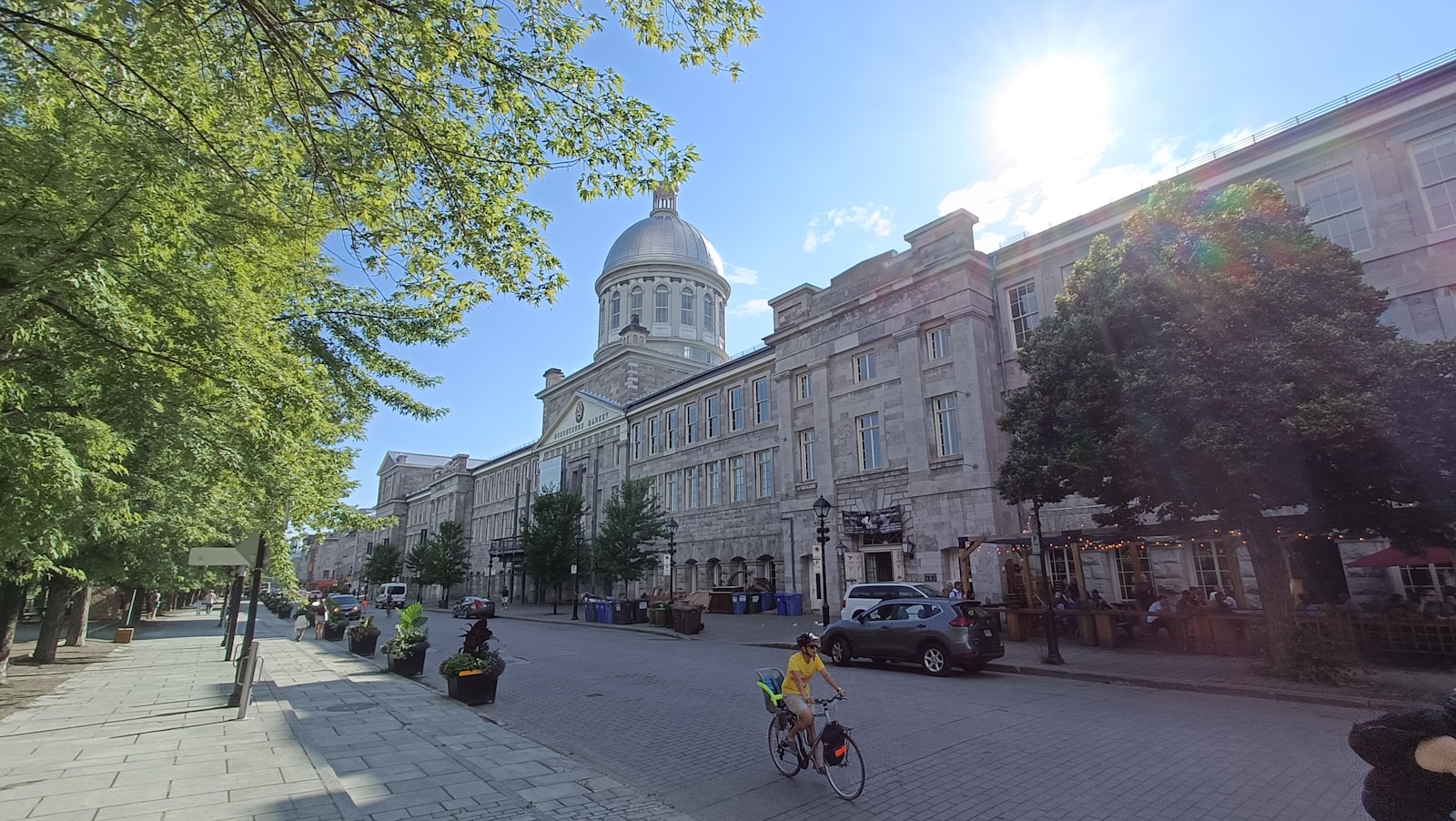
🏛 Old Montréal
Montréal is the second-largest French-speaking city in the world after Paris, but the comparison understates how distinctly Québécois the city actually is — neither French nor British but something forged specifically from the collision of the two on the banks of the St. Lawrence River. The city sits on an island where the St. Lawrence and Ottawa rivers converge, dominated by the 232-metre volcanic hill of Mont Royal that gives the city its name. From the Kondiaronk Belvedere lookout, the entire skyline spreads south toward the river — the cross on the mountain visible from anywhere in the city, illuminated at night as a reminder of the city's deep cultural history.
Montréal's food culture is one of the most distinctive in North America — the product of French technique, Jewish deli tradition, Italian immigration, and a culture that treats eating seriously regardless of budget. The Montréal bagel, wood-fired in circular ovens and boiled in honey water before baking, is thinner, denser, and sweeter than its New York counterpart. St-Viateur Bagel and Fairmount Bagel on the Plateau-Mont-Royal operate 24 hours, producing bagels still hot from the oven at 3am. Schwartz's Hebrew Delicatessen has served smoked meat sandwiches since 1928. La Banquise serves poutine — fries, cheese curds, and gravy — in over 30 variations until 3am every night of the year. The Jean-Talon Market in Little Italy is the finest outdoor food market in Canada.
The festival calendar in Montréal is extraordinary in both quantity and quality. The International Jazz Festival, the world's largest, brings 500 concerts to outdoor stages and concert halls across 11 days in late June — most events are free. Just for Laughs overlaps with Jazz Festival, bringing comedy and performance art to the same streets. Osheaga Music Festival in Parc Jean-Drapeau draws international headliners to the island that hosted Expo 67 and the 1976 Olympics. The Formula E Prix and Canadian Grand Prix are major international motorsport events. Winter is not a withdrawal but a celebration — the Fête des Neiges and Montréal en Lumière festival embrace the cold with ice sculptures, outdoor concerts, and a philosophy of Nordic cosiness that Montréalers have practised for generations.
The Underground City, officially called RÉSO, is a network of 32 kilometres of passageways connecting 80 buildings, 10 metro stations, 2,000 shops, and 200 restaurants entirely beneath street level — the largest underground complex in the world by usable area. It allows Montréalers to navigate the city through the coldest months without stepping outside. The Plateau-Mont-Royal neighbourhood, one of the most walkable urban districts in North America, offers Victorian row houses with external spiral staircases, independent bookshops, and terrasses that fill with diners at the first hint of warm weather.
Festival-goers, food and culture travellers, French language learners who want an immersive North American context, and anyone who wants a European urban atmosphere without crossing the Atlantic.
Compare prices and book your trip — hotels, flights, and guided tours.
* Links open partner sites. We may earn a commission at no extra cost to you. See our editorial policy.