beach
🌊 Okinawa
📍 Japan · Asia
📍 Japan · Asia
🏛 Shuri Castle
Okinawa is Japan but not quite Japan — a subtropical archipelago of 160 islands at the far southwestern end of the Japanese chain, closer to Taiwan than to Tokyo, with a distinct Ryukyuan culture, language, cuisine, and history that sets it apart from the main islands. The Okinawan people (Ryukyuans) maintain a cultural identity rooted in a kingdom — the Ryukyu Kingdom — that traded independently with China, Japan, and Southeast Asia for five centuries before annexation by Japan in 1879. That history, and the devastating Battle of Okinawa in 1945 (which killed one-third of the civilian population), has shaped a culture with a particular quality of gentleness and resilience.
The main island (Honshu of the south) is home to the capital Naha and the most visited sites. Shuri Castle, a UNESCO World Heritage Site and former palace of the Ryukyu kings, was reconstructed after World War II destruction and then again after a 2019 fire — its distinctive architecture, blending Japanese and Chinese styles with bright red lacquer and distinctive curved rooflines, is unlike any other castle in Japan. The Kokusai-dori (International Street) in Naha anchors the shopping and food scene; the nearby Makishi Public Market's second-floor restaurants will cook your fish market purchases for you.
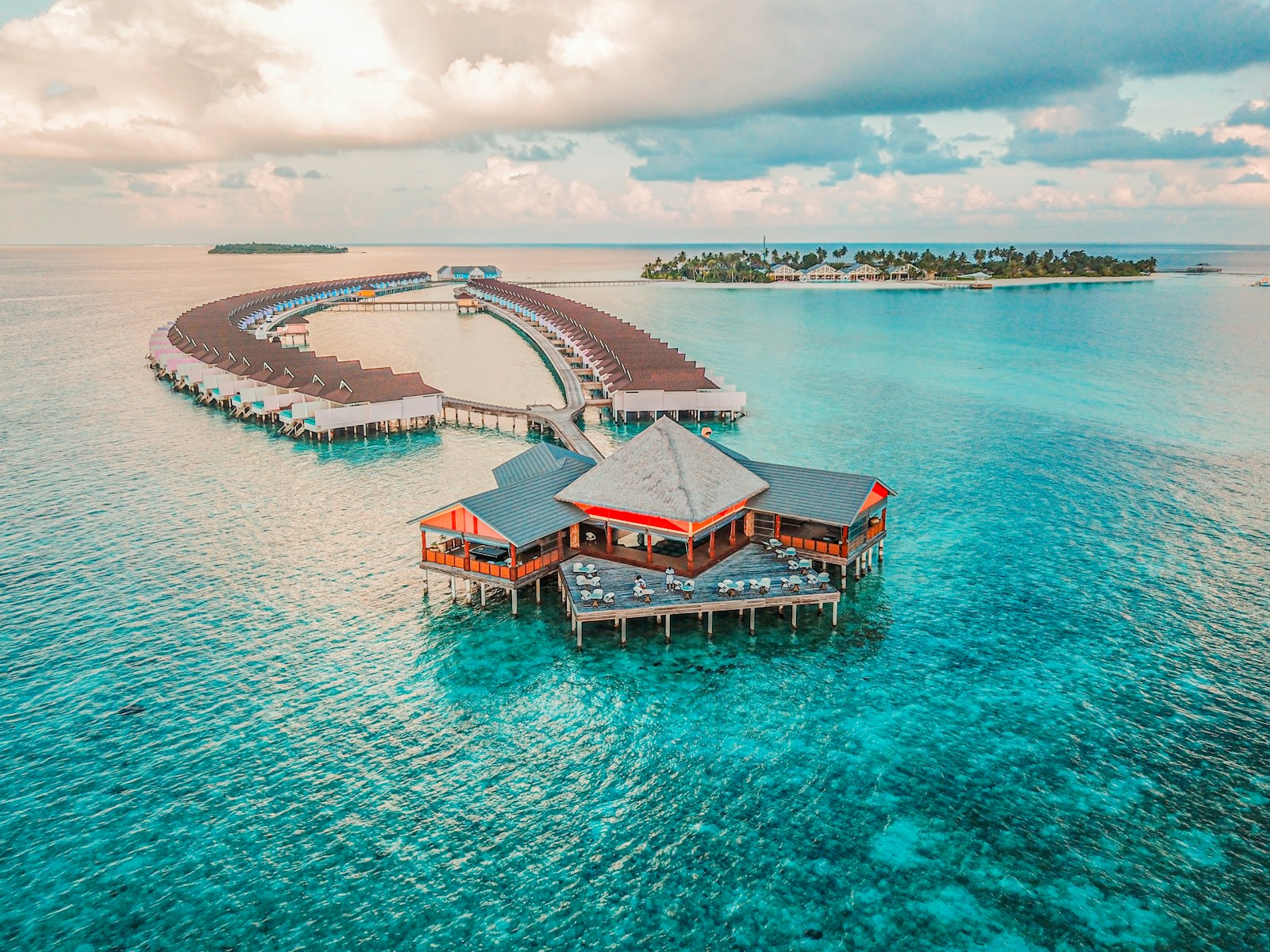
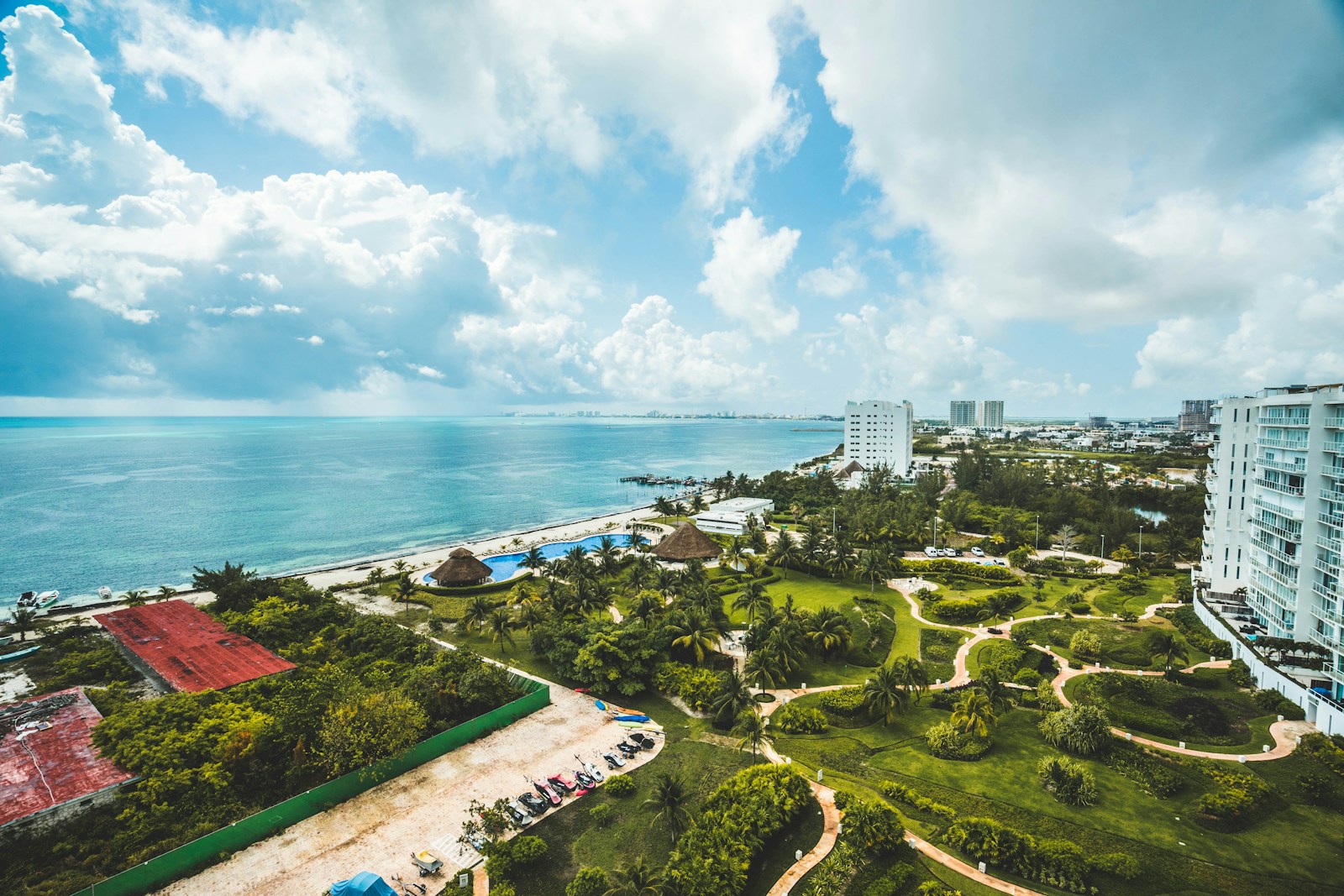
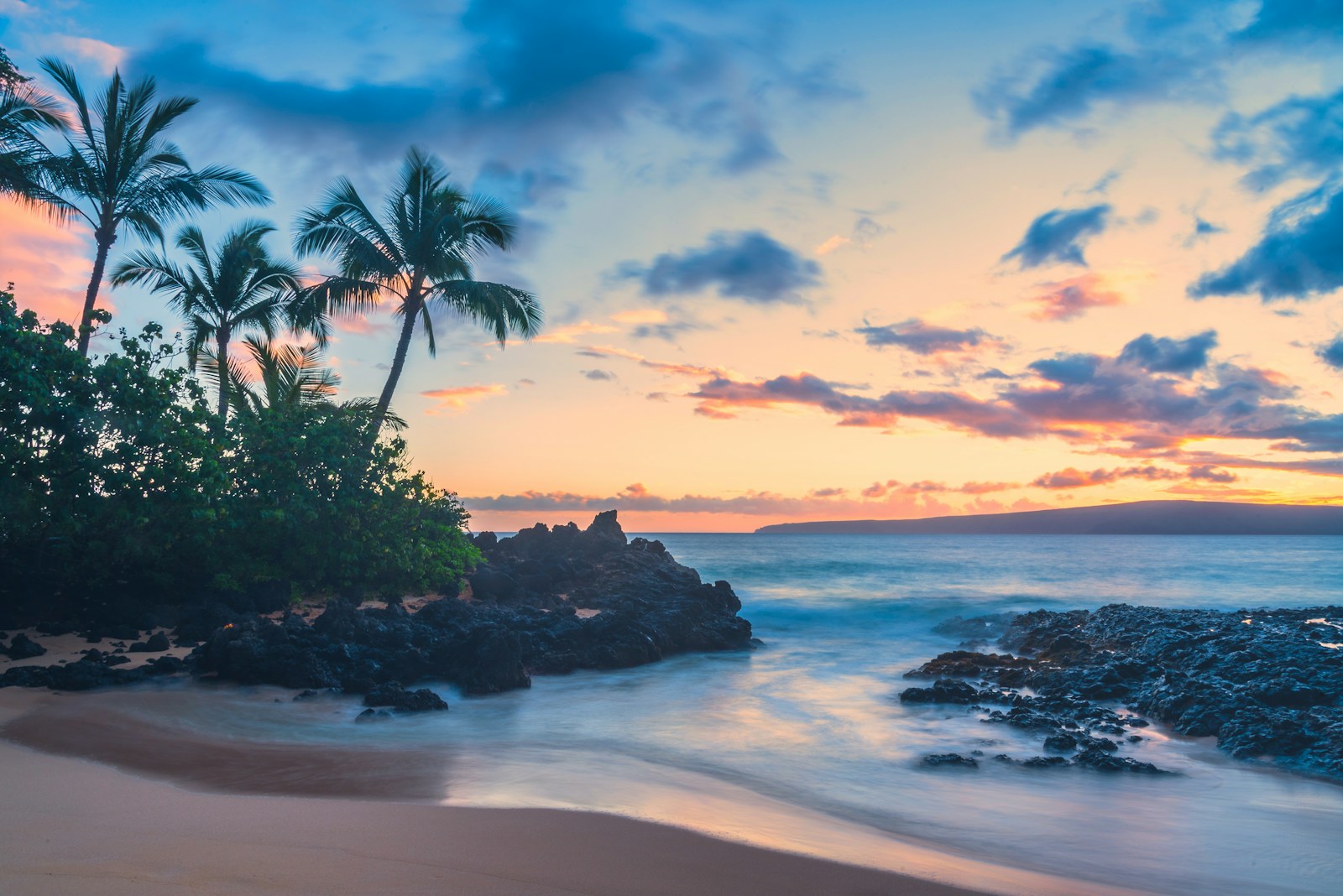
The Kerama Islands — Zamami, Tokashiki, and Aka — sit 30–40 minutes by high-speed ferry from Naha and offer some of Japan's finest beach and marine experiences. Zamami's Furuzamami Beach is consistently ranked among Japan's top beaches; the surrounding water, known as Kerama Blue for its extraordinary transparency, makes for superb snorkelling over coral gardens with turtles and colourful reef fish. Whale watching is available January–March when humpback whales use the Kerama waters as a breeding ground.
Okinawa's cuisine is one of Japan's most distinctive — goya champuru (stir-fried bitter melon), rafute (braised pork belly), Okinawa soba (a pork broth noodle soup), and sata andagi (sweet fried doughnuts) are the essential foods. The Okinawan diet — rich in purple sweet potato, tofu, seaweed, and pork — has been studied extensively in relation to the island's extraordinary longevity rates. Visit April–June or September–November for the best combination of weather, clear water, and manageable crowds.
Practical planning for Okinawa: the best time to visit is season-dependent, with a typical budget level of mid-range. Most travellers need three to five full days to cover the highlights without rushing — add extra time if you are combining Okinawa with nearby regions.
Priority experiences include local food, culture, and outdoor experiences. Do not miss the main sights and neighbourhoods.
Before you book, verify entry requirements for Japan — visa rules, passport validity, and any health documentation change frequently. Travel insurance with medical evacuation cover is worthwhile for international trips.
Where to stay: pick a walkable neighbourhood close to your main interests rather than the cheapest option far from the centre — transport costs and lost time often erase the savings. Book popular restaurants, guided tours, and peak-season accommodation early for high season dates.
Compare prices and book your trip — hotels, flights, and guided tours.
* Links open partner sites. We may earn a commission at no extra cost to you. See our editorial policy.