culture
🏛️ Luxor
📍 Egypt · Africa
📍 Egypt · Africa
🏛 Karnak Temple Complex
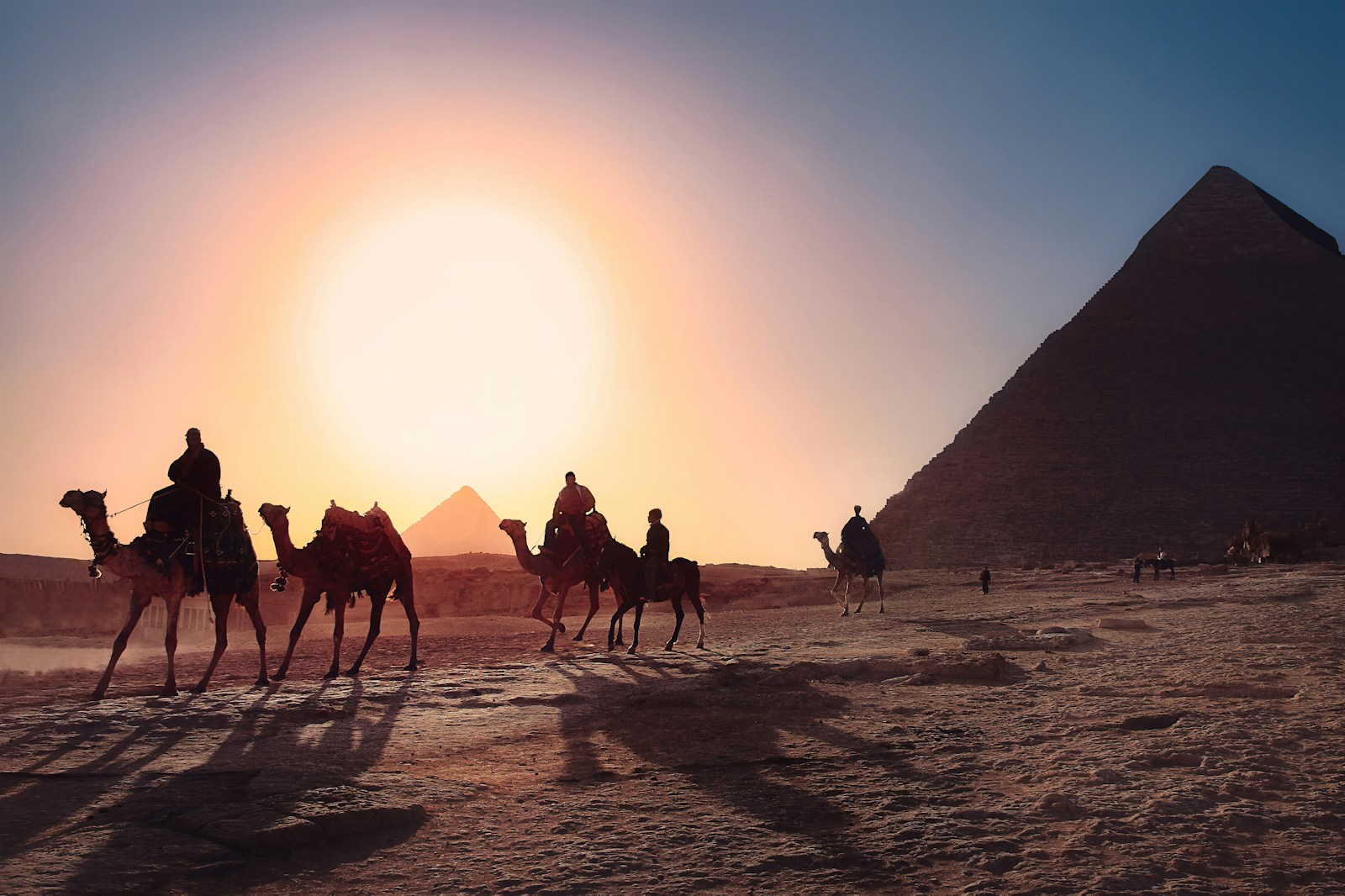
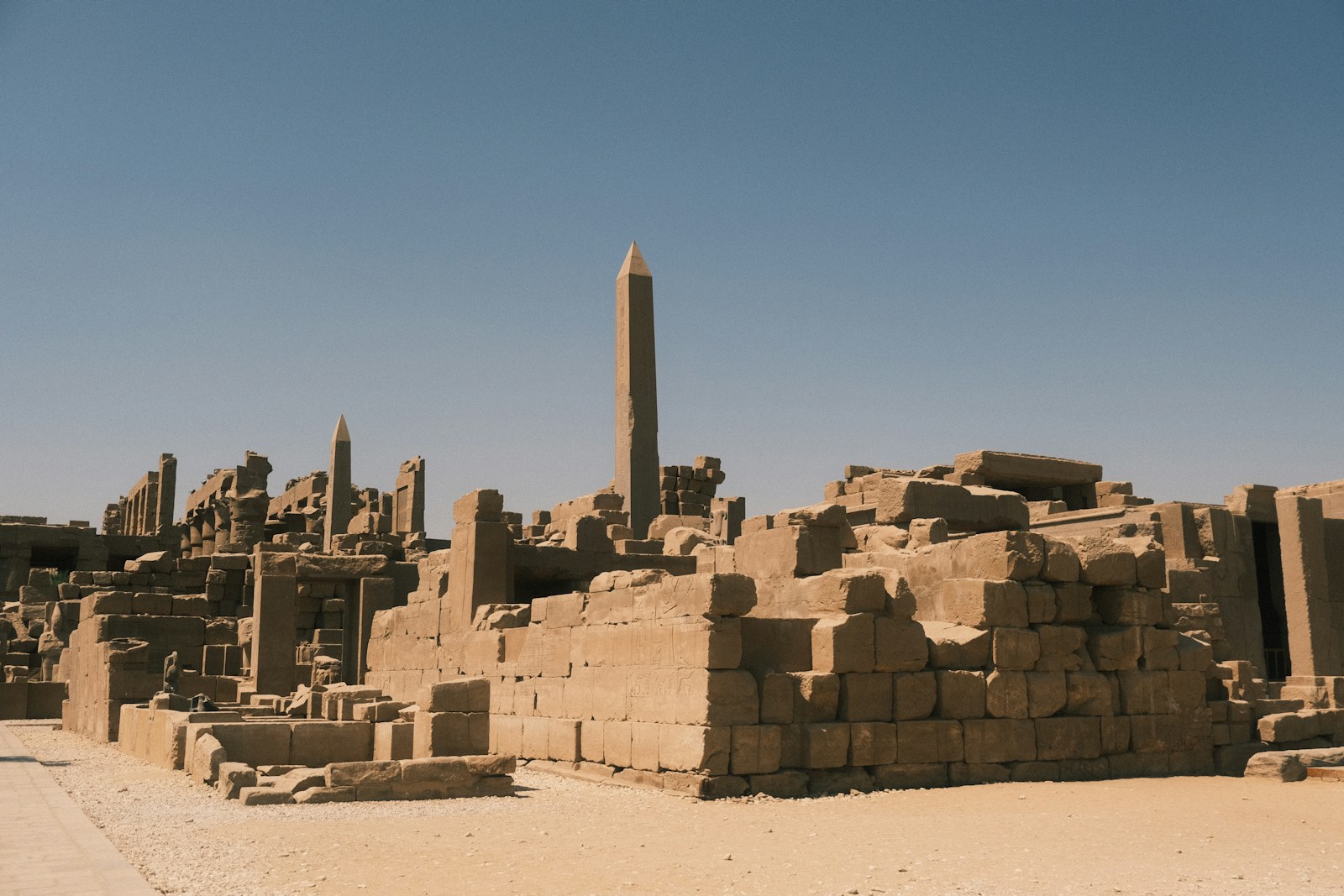
Luxor occupies the site of ancient Thebes, capital of the Egyptian Empire at the height of its power during the New Kingdom period (1550-1070 BCE). At the empire's peak, Thebes was the largest city on Earth — a metropolis of temples, palaces, and processional avenues stretching along both banks of the Nile. What remains today, 3,000 years after the city's decline, is the most extraordinary concentration of pharaonic monuments anywhere in the world: an open-air museum so dense with antiquities that UNESCO listed the entire city as a World Heritage Site.
The East Bank holds the living city alongside two of ancient Egypt's greatest temples. Karnak Temple Complex — built, expanded, demolished, and rebuilt over 2,000 years by at least 30 pharaohs — is the largest religious building ever constructed; its Great Hypostyle Hall alone covers 5,000 square metres and contains 134 columns up to 24 metres tall, carved in bas-relief from floor to capital. Entering the hall is one of the world's definitive ancient-world experiences: the scale is simply incomprehensible until you stand inside it. Luxor Temple, connected to Karnak by an ancient sphinx-lined processional avenue recently excavated for its entire three-kilometre length, glows gold at night when floodlit.
The West Bank — the Egyptian afterlife, where the sun sets — holds an even denser concentration of tombs and mortuary temples. The Valley of the Kings contains 63 royal rock-cut tombs, including the tomb of Tutankhamun (KV62, discovered intact by Howard Carter in 1922), Seti I (with the most beautiful painted walls in Egypt), and Ramesses VI (huge and well-preserved). Hatshepsut's mortuary temple at Deir el-Bahari rises in dramatic terraces against the desert cliff face; the Colossi of Memnon — two 18-metre seated pharaoh statues in an open field — are visible from kilometres away.
Practical planning: Best time October to March; avoid April to September when temperatures exceed 40°C. Sunrise visits to the Valley of the Kings (before the tour groups arrive from cruise ships by 9am) are transformative. Rent a bicycle for the West Bank — distances are manageable and traffic is light on the agricultural roads between temples. A felucca sunset on the Nile from Luxor's Corniche is essential. Three full days is the minimum to do the East and West Banks justice; four is better.
Practical planning for Luxor: the best time to visit is season-dependent, with a typical budget level of mid-range. Most travellers need three to five full days to cover the highlights without rushing — add extra time if you are combining Luxor with nearby regions.
Priority experiences include local food, culture, and outdoor experiences. Do not miss the main sights and neighbourhoods.
Before you book, verify entry requirements for Egypt — visa rules, passport validity, and any health documentation change frequently. Travel insurance with medical evacuation cover is worthwhile for international trips.
Where to stay: pick a walkable neighbourhood close to your main interests rather than the cheapest option far from the centre — transport costs and lost time often erase the savings. Book popular restaurants, guided tours, and peak-season accommodation early for high season dates.
Compare prices and book your trip — hotels, flights, and guided tours.
* Links open partner sites. We may earn a commission at no extra cost to you. See our editorial policy.