beach
🌺 Tahiti
📍 French Polynesia · Oceania
📍 French Polynesia · Oceania
🏛 Teahupo'o & Moorea
Tahiti is French Polynesia's largest island and its capital, Papeete — a genuinely French Pacific city of croissants, open-air fish markets, and traffic jams under tropical rain that forms the unexpected reality beneath the South Pacific fantasy. The island serves primarily as the international gateway for French Polynesia (all long-haul flights arrive at Papeete's Faa'a Airport), but it deserves more than the transit visit most tourists give it: Tahiti Nui has a dramatic interior of cloud-shrouded volcanic peaks, waterfalls, and vanilla plantations accessible on a single-day circumnavigation drive.
Tahiti's black-sand beaches — volcanic basalt rather than coral — are genuinely beautiful in a distinctive way. Matavai Bay, where Captain Cook observed the 1769 Transit of Venus and where the HMS Bounty anchored before the famous mutiny, is a historical site as well as a swimming beach. The Marche de Papeete (central market, best Sunday mornings) is an extraordinary display of tropical produce: papayas, breadfruit, taro, vanilla beans, and tiare flowers alongside mother-of-pearl jewellery and black pearl vendors. The Musee de Tahiti et des Iles in Punaauia holds the finest collection of Polynesian cultural artefacts in the Pacific.
Surfing is Tahiti's most serious claim to international athletic fame. Teahupoo on the southwestern tip — a shallow-water reef break over sharp coral — produces what many surfers consider the world's most powerful and visually spectacular wave. The Code Red swells of 2011 and 2014 are still discussed; the Billabong Pro Tahiti competition brings the world's best surfers annually. Non-surfers can watch from the channel by boat — the combination of the perfectly shaped tube and the volcanic landscape behind it is visually extraordinary even from a distance.
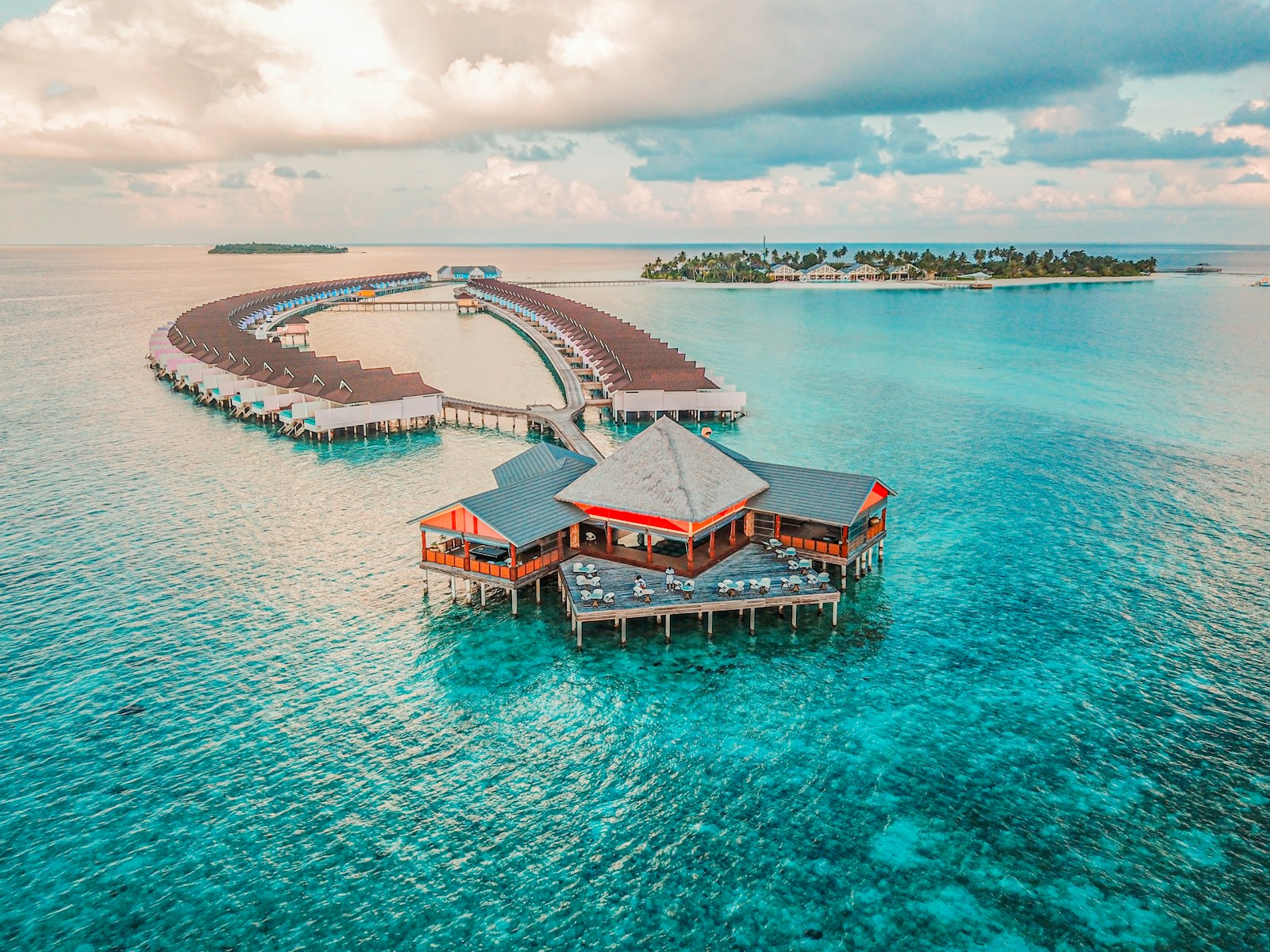
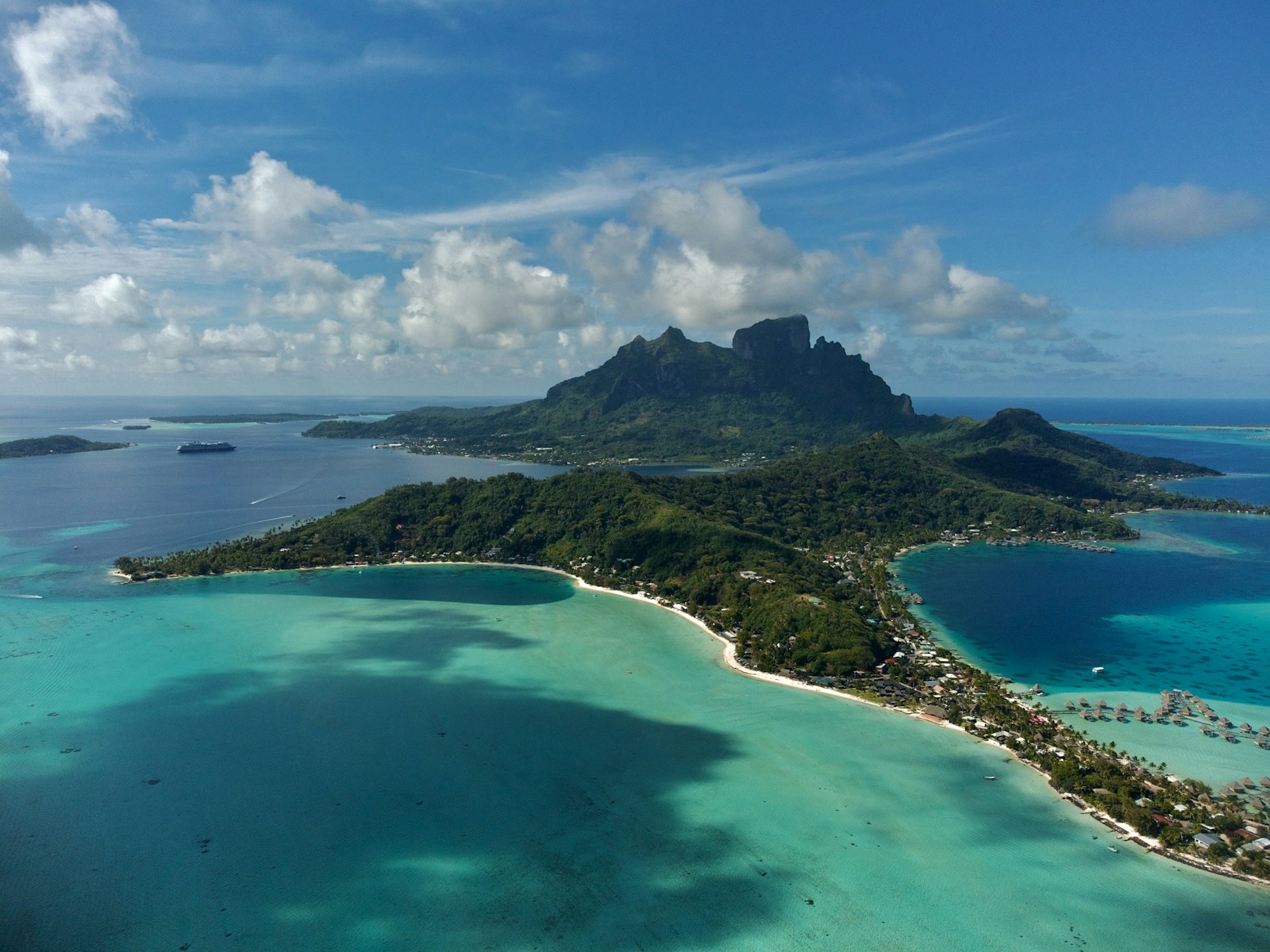
Practical planning: Papeete is the connecting hub for Air Tahiti inter-island flights to Bora Bora (45 min), Moorea (10 min), Rangiroa, and all other French Polynesian islands. Moorea (30 minutes by ferry from Papeete) offers most of Bora Bora's beauty at a fraction of the cost and with fewer tourists. Best time May to October (dry, clear). French Polynesia is extremely expensive; a mid-range trip costs $500-plus/day per person including accommodation and food.
Practical planning for Tahiti: the best time to visit is season-dependent, with a typical budget level of mid-range. Most travellers need three to five full days to cover the highlights without rushing — add extra time if you are combining Tahiti with nearby regions.
Priority experiences include local food, culture, and outdoor experiences. Do not miss the main sights and neighbourhoods.
Before you book, verify entry requirements for French Polynesia — visa rules, passport validity, and any health documentation change frequently. Travel insurance with medical evacuation cover is worthwhile for international trips.
Where to stay: pick a walkable neighbourhood close to your main interests rather than the cheapest option far from the centre — transport costs and lost time often erase the savings. Book popular restaurants, guided tours, and peak-season accommodation early for high season dates.
French Polynesia first-timers using Papeete as a gateway island, surfers serious enough to witness or understand Teahupo'o, and budget-conscious South Pacific travellers who want Bora Bora's scenery without Bora Bora's costs.
Compare prices and book your trip — hotels, flights, and guided tours.
* Links open partner sites. We may earn a commission at no extra cost to you. See our editorial policy.